A portrait of Larry Loomer, the owner of an antiquarian bookstore located in a small town. Larry is a colourful and amusing character who shares his wry take on the world.
Himself
No Trailers found.
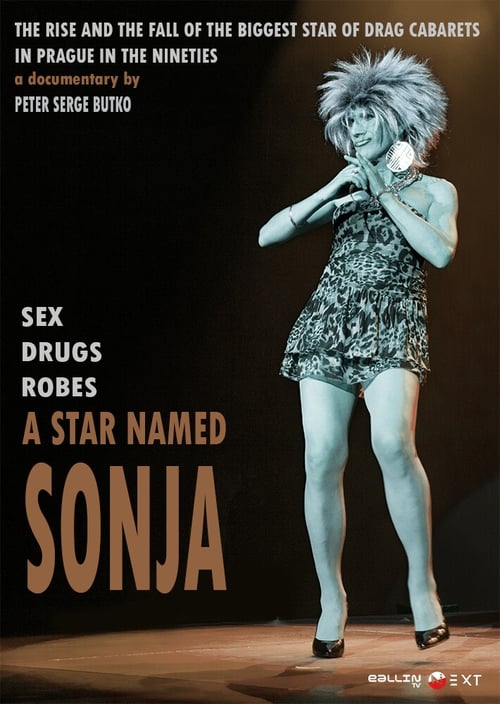
The rise and fall of the biggest star of travesty show in Prague in the nineties. The film tells the story of a man with shocking sincerity and openness in confession of two different personalities, woman and man living in one body.
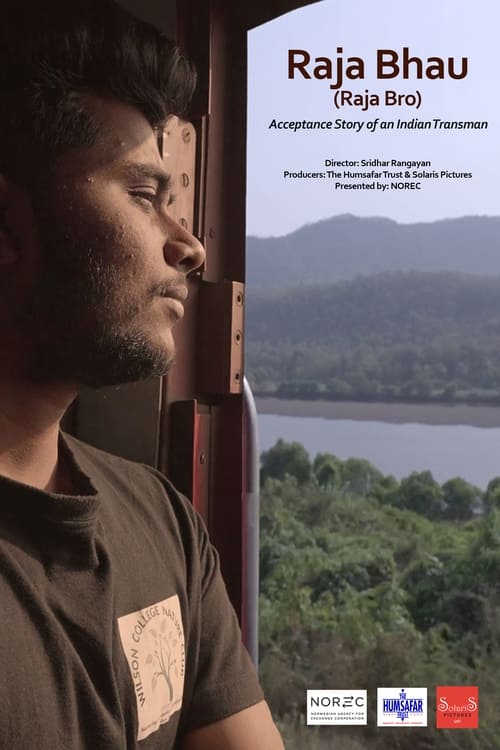
A sensitive heart-warming story of an Indian transman's acceptance, by himself and his family. Merlin, born as a girl, felt right from his childhood that he was trapped in the wrong gender.
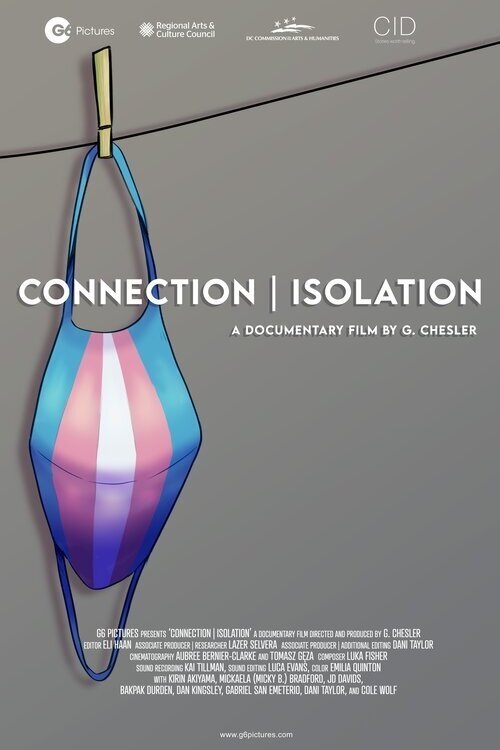
Connection | Isolation presents eight intimate portraits of trans and post-gender individuals navigating the challenges of the COVID-19 pandemic. Amidst moments of connection and isolation, these participants reveal a deepening awareness of gender, their bodies, and trans community. Created by an all trans and queer crew, this hybrid documentary film interlaces portraits with reenactments, integrating archival material documenting what so many experienced and many still do.
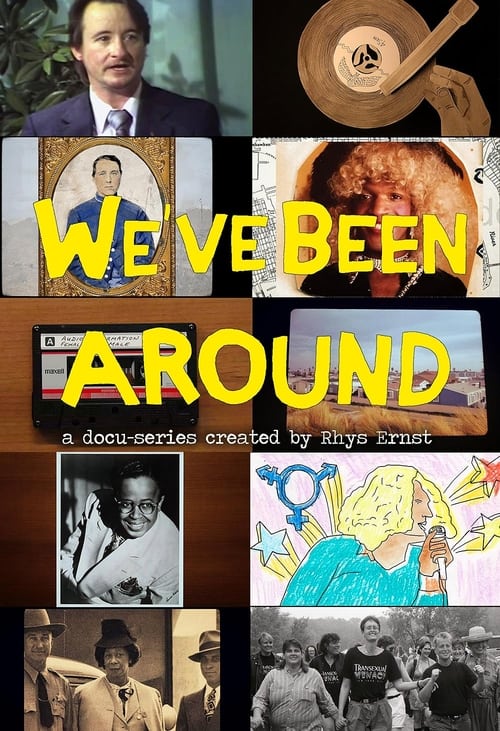
In this documentary, director Rhys Ernst tells the previously untold histories of transgender pioneers. Trans people have always been here, throughout time, often hidden in plain sight.
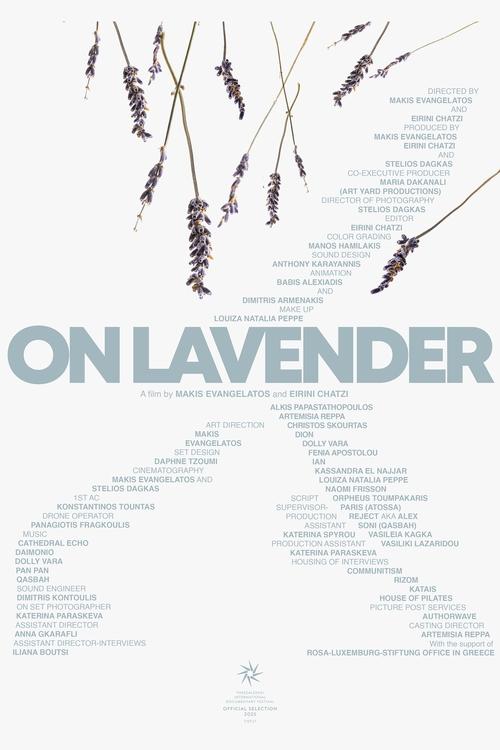
A documentary that is a deep exploration of gender identity within the context of Greek society, providing a multi-layered narrative that reflects the experiences of individuals navigating the complexities of gender in a culture where these topics are still emerging. Over four years, the filmmakers captured intimate stories of people confronting their gender identities, revealing how personal, societal, and familial expectations shape their journeys. The documentary aims to challenge the traditional norms of gender and to give voice to those whose experiences are often marginalized. It marks a significant step in Greece’s cinematic exploration of LGBTQ+ themes and is a pivotal contribution to the global conversation on gender identity.
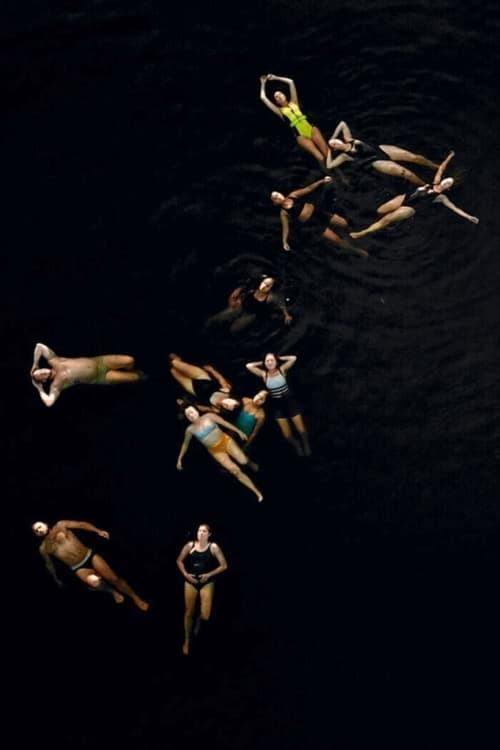
Lake gazes down at a still body of water from a birds-eye view, while a group of artists peacefully float in and out of the frame or work to stay at the surface. As they glide farther away and draw closer together, they reach out in collective queer and desirous exchanges — holding hands, drifting over and under their neighbors, making space, taking care of each other with a casual, gentle intimacy while they come together as individual parts of a whole. The video reflects on notions of togetherness and feminist theorist Silvia Federici’s call to “reconnect what capitalism has divided: our relation with nature, with others, and our bodies.”
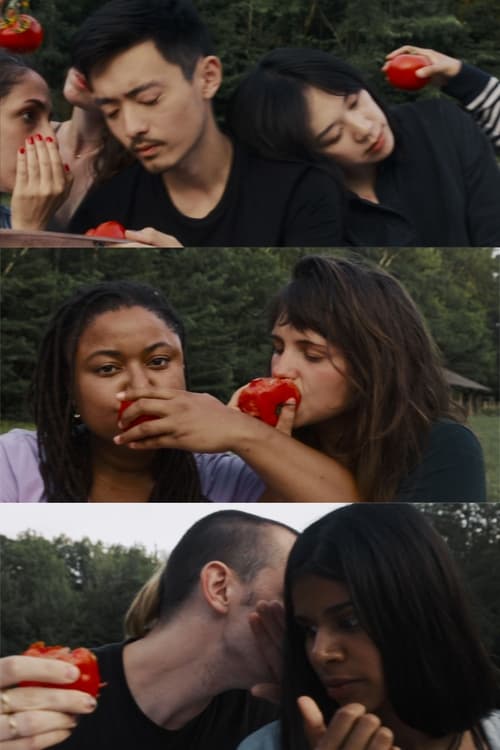
Across the installation's multiple channels, the camera circles a group of artists as they sit together in a field eating, licking, and squeezing ripe tomatoes. Throughout the ever-changing scene, kisses, whispers, and caresses are shared with a casual, gentle intimacy that reflects interconnectivity and abundance. These queer and desirous exchanges constitute a portrait of collectivity wherein individuals come together as distinct parts of a whole.
after mourning the passing of his late wife, Bill finds the courage to travel to New York City and reconnect with his favorite mistress.
An unnamed passer-by is forced to trace a circular route inside an abandoned tram station, facing loss and time. The broken walls act as a channel, transmitting fragmentary, blurred and analogical memories.
Sanctuary explores queer spirituality and utopian sexualities through the figure of Purusha Androgyne Larkin (1934–1988), a monk, pioneering gay filmmaker, and self-proclaimed cosmic-erotic mystic. Larkin’s 1981 book, 'The Divine Androgyne According to Purusha', challenged repression with a spiritual vision rooted in eroticism and presented a radical path to cosmic-erotic consciousness through ‘extreme’ forms of sexual pleasure. Sanctuary explores Larkin's attempt to form a utopian, pleasure-based spiritual community, and considers the complex legacies of his ideas in queer culture. Shot on 16mm, the film weaves together the voices of Larkin’s friends and followers, creating a portrait in absentia of a figure ahead of his time.
A trans paranormal investigator and their team search for the connection between the queer and the strange as they explore the mysterious and magical world of the rural south.
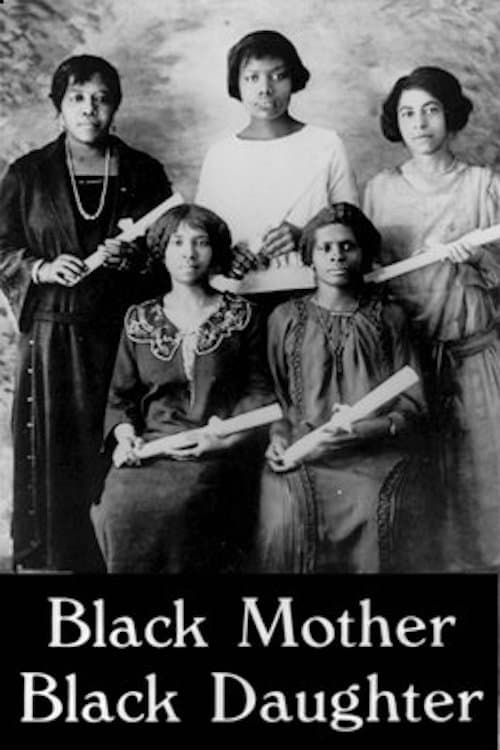
Black Mother Black Daughter explores the lives and experiences of black women in Nova Scotia, their contributions to the home, the church and the community and the strengths they pass on to their daughters.
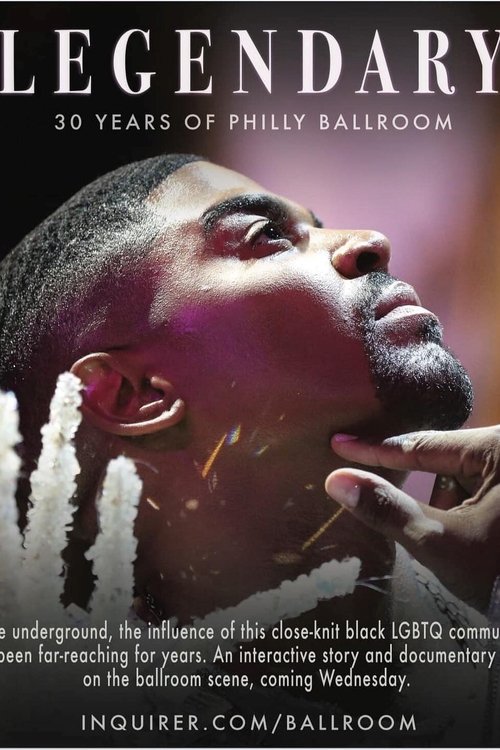
An inside look into the effort to preserve Philadelphia's ballroom scene, a black LGBTQ safe-space that has endured for 30 years.
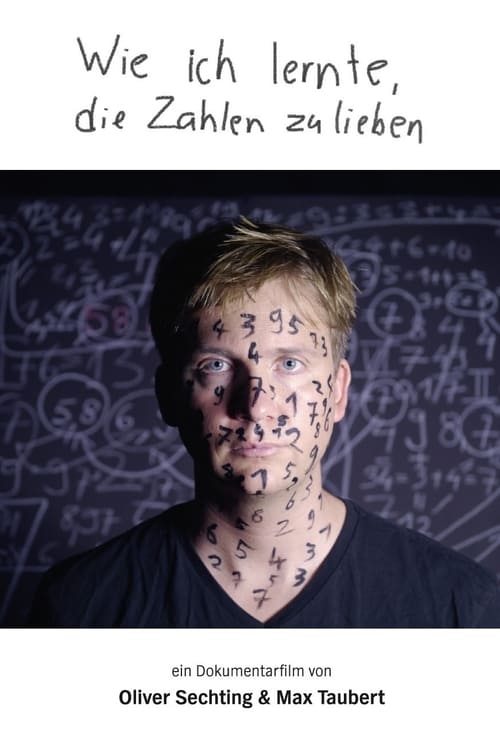
A New York film and at the same time the study of a young man suffering from an obsessive-compulsive disorder (OCD). The Berlin filmmaker Oliver Sechting (37) and his co-director Max Taubert (23) travel to New York with the idea of documenting the art scene there. However, the project is quickly overshadowed by Oliver's OCD, and the two directors fall prey to a conflict that becomes the central theme of their film. Encounters with such artists as film directors Tom Tykwer (Cloud Atlas), Ira Sachs (Keep the Lights On), and Jonathan Caouette (Tarnation) or the transmedia artist Phoebe Legere seem more and more to resemble therapy sessions. At last, Andy Warhol-Superstar Ultra Violet succeeds in opening a new door for Oliver.
The artist walks through a garden, with additional footage featuring Black trans activist Marsha P. Johnson.
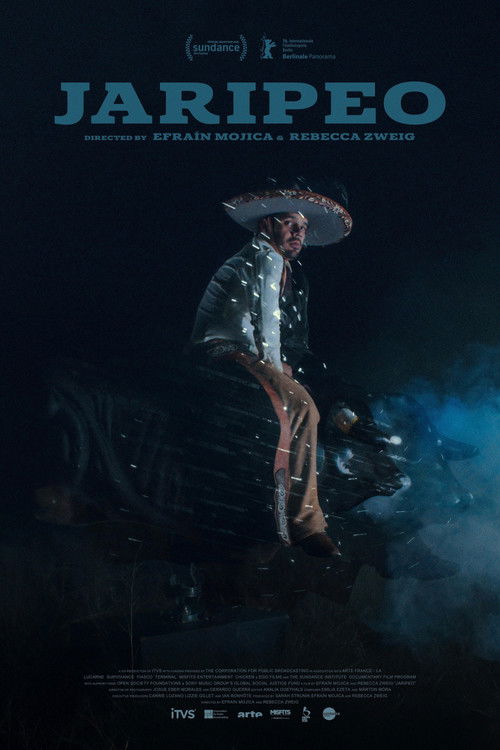
Set against the vibrant spectacle of the jaripeo, a symbol of Mexican cowboy tradition and machismo, this story unveils a hidden world of queer desire and quiet rebellion. As glances and gestures disrupt the rigid norms of masculinity, the rodeo becomes a stage for our protagonists to navigate identity, community, and the search for belonging in an oppressively traditional space.
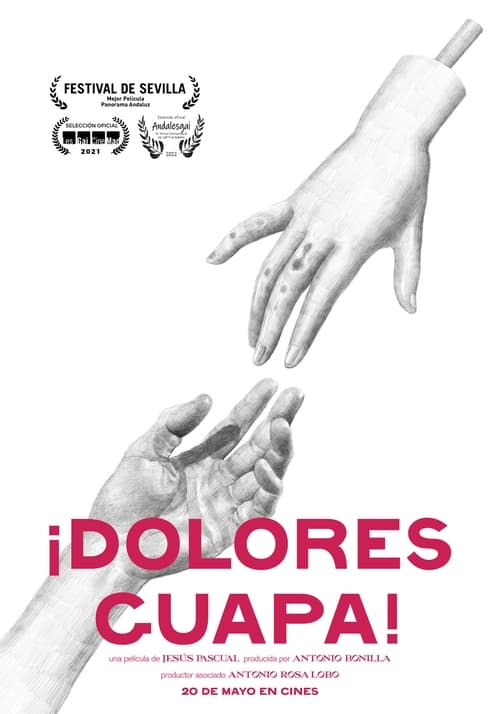
Religious-based images and traditions permeate the lives of all the people who inhabit Seville. Historically, the city's mariquitas ("sissies") have also assimilated them in their childhood and, through them, have been creating their own encounter spaces and their own codes. Nowadays, new dissident identities continue to respond to them: they participate or distance themselves, they continue what exists or transform it. This film looks at these traditions from a perspective always relegated to the margins.
Queer bodies attract, fall in love, falter, perish. Are our bodies more vulnerable, and therefore our loves, too? A poetic video letter; an intimate experiment of image and sound, of heart, head and hormones; and a loving ode to those who have passed on before memories together could be made.
It has been hard for me to get out of bed. And Crisálida is just that: a lithography of the passages of my life, not only my mind's- but my dreamscape; The oppressive journey of the hero who crosses the cavern abandoning their ordinary world between dreams and nightmares; And a threshold crossed, where one more day the voices of those who were able to travel, and of those who stayed at the starting point, are heard.
A video essay about the personal and political context of a landmark lesbian feminist documentary film from 1977 called "In the Best Interests of the Children" about lesbian mothers fighting to regain custody of their children in the 1970s. As a nearly forgotten period of LGBTQ+ history, this documentary short introduces us to now retired filmmaker Frances Reid (award winning cinematographer and director) and her “step-daughter” Julie Stevens while they look through the film’s archives, discuss the making of the film and their personal relationship.