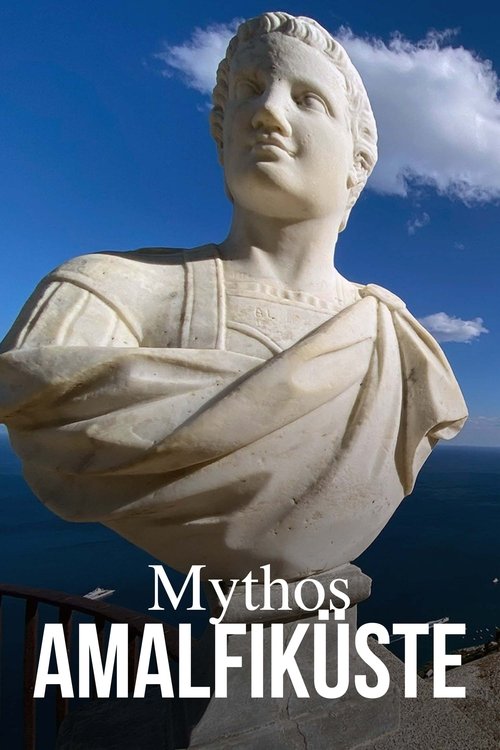
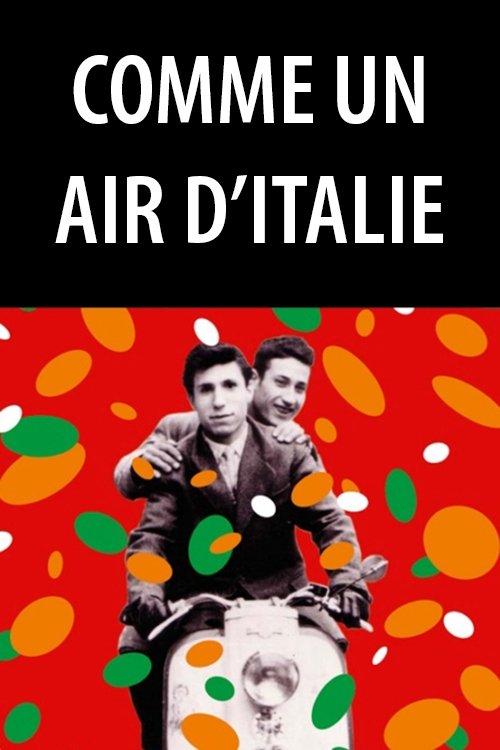
The Amalfi Coast is not only one of the most scenic regions in Europe. In the last century, it became a fashionable meeting place for stars, artists, the rich and famous, and the towns of Amalfi, Ravello and Positano became the stage for dazzling stories. Off the coast, the island of Capri beckons as an Eldorado for forbidden desires and lust for life.
The mysterious parallel story of Italian painters Andrea Mantegna (ca. 1431-1506) and Giovanni Bellini (ca. 1435-1516), brothers-in-law, public rivals and masters of the early Renaissance.
No overview available.
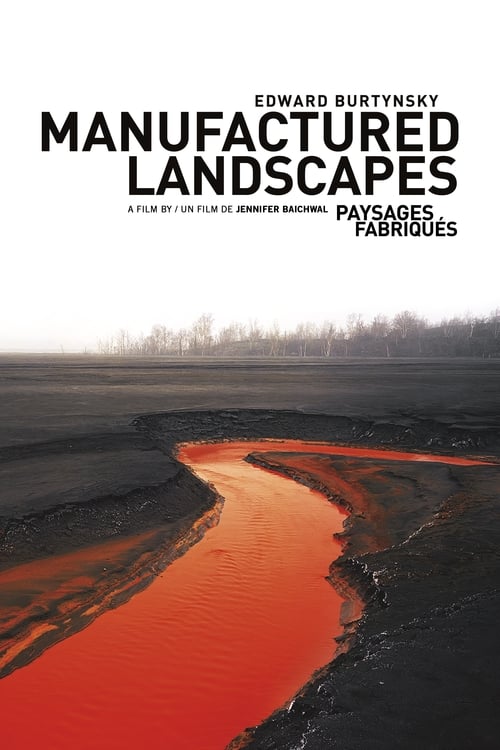
MANUFACTURED LANDSCAPES is the striking new documentary on the world and work of renowned artist Edward Burtynsky. Internationally acclaimed for his large-scale photographs of “manufactured landscapes”—quarries, recycling yards, factories, mines and dams—Burtynsky creates stunningly beautiful art from civilization’s materials and debris.
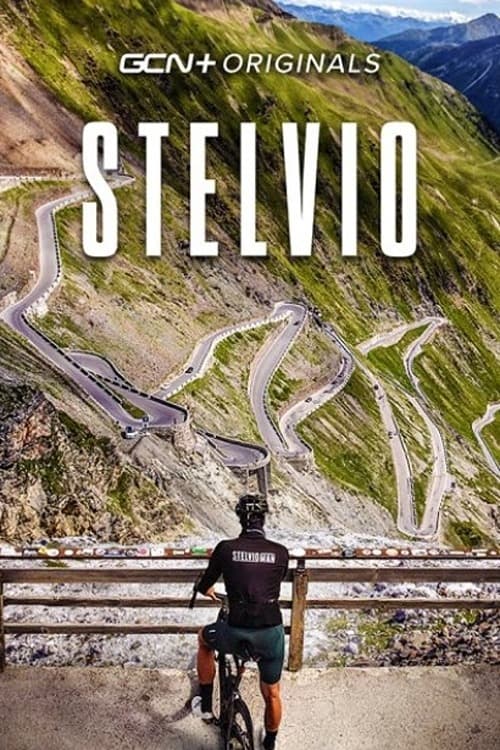
Standing proudly amongst the pantheon of cycling’s most revered mountains, the Stelvio boasts some of the longest and most challenging climbs in bike racing. Relentless switchbacks over impossible gradients beneath extremes of weather. It is on the relentless, technical, and often treacherous slopes of the Stelvio where the most famous and revered battles have decided the fate of the Giro d’Italia’s coveted Maglia Rosa. Jon Shubert explores the history and legends of the Stelvio and the surrounding regions, meeting people whose lives have been shaped by the mountain, and ex-professional Adam Hansen joins him as he makes his own attempt to conquer the coveted mountain.
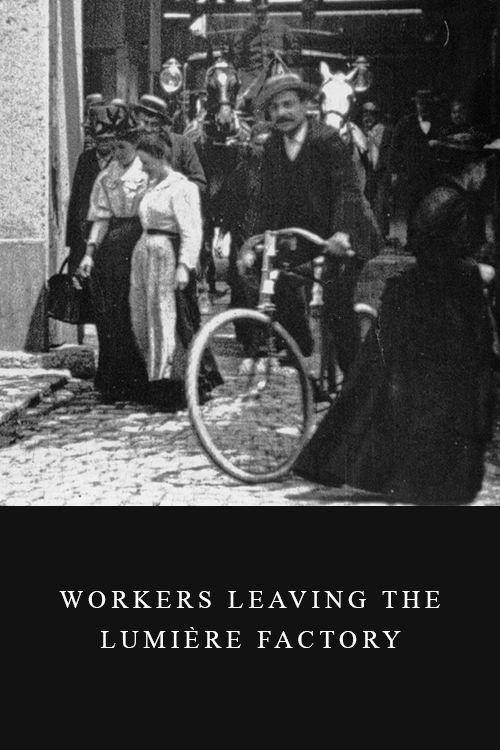
Working men and women leave through the main gate of the Lumière factory in Lyon, France. Filmed on 22 March 1895, it is often referred to as the first real motion picture ever made, although Louis Le Prince's 1888 Roundhay Garden Scene pre-dated it by seven years. Three separate versions of this film exist, which differ from one another in numerous ways. The first version features a carriage drawn by one horse, while in the second version the carriage is drawn by two horses, and there is no carriage at all in the third version. The clothing style is also different between the three versions, demonstrating the different seasons in which each was filmed. This film was made in the 35 mm format with an aspect ratio of 1.33:1, and at a speed of 16 frames per second. At that rate, the 17 meters of film length provided a duration of 46 seconds, holding a total of 800 frames.
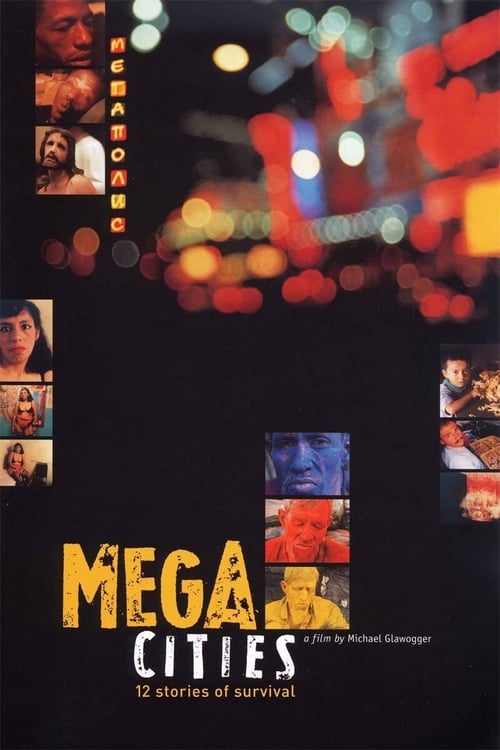
Megacities is a documentary about the slums of five different metropolitan cities.
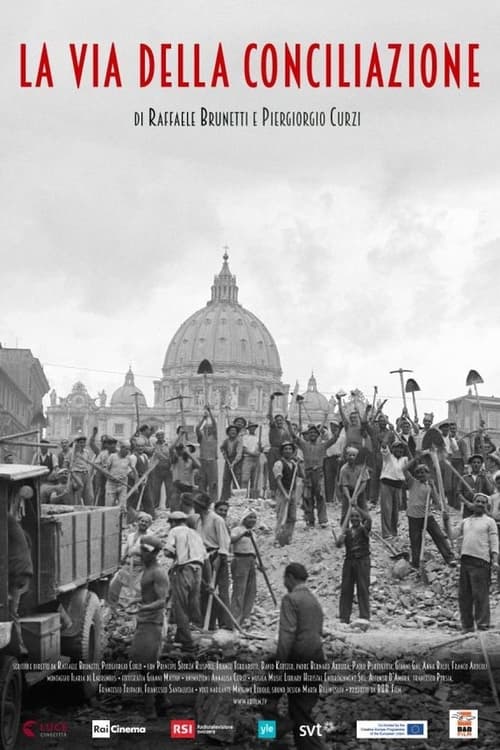
Everyone knows the view of Via della Conciliazione with St. Peter's Basilica framed behind it. The most famous postcard of Rome, the background used by correspondents all over the world. Few know that this street hasn't always been there, and in fact shouldn't have been from the premises.
Follows Sven-Göran Eriksson as he returns to Italy for the last time to say goodbye and offers a look back at his great career in this country.
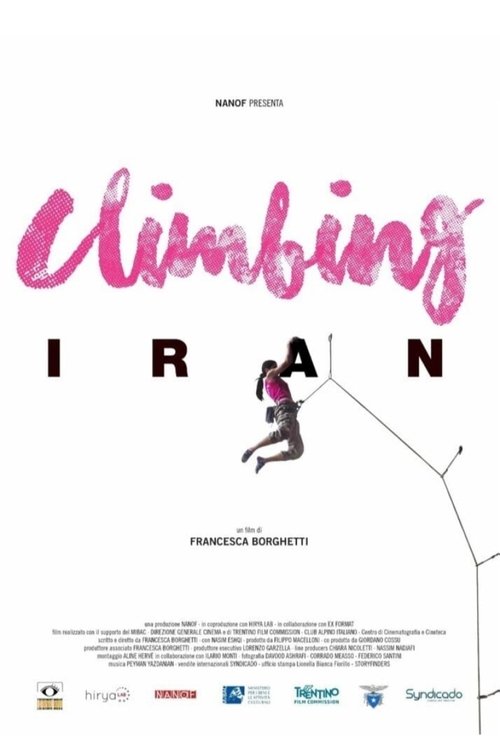
Nasim is a free climber, the only woman able to open new routes in Iran. She’s facing a double mountain to climb, both physical and cultural, as her passion collides with the strict policies concerning women freedom in her country. And she has a dream: open a new route in the Alps.
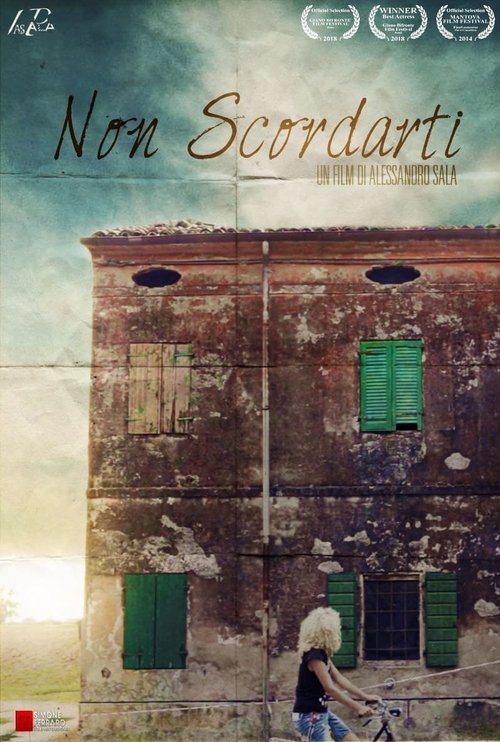
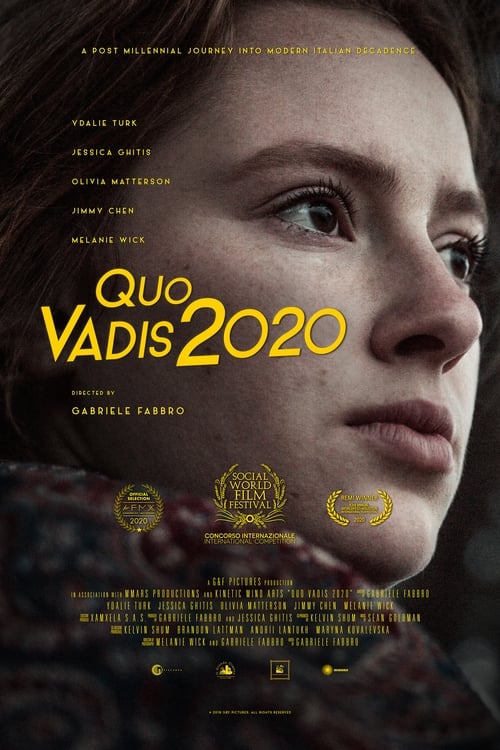
A post millennial journey to Italy before the coronavirus outbreak. While encountering various faces of the contemporary Italian decline, the trip turns into an existential experience arising doubts within a group of ambitious filmmakers, moved by the nostalgia of the humble life that they abandoned to follow their dreams.
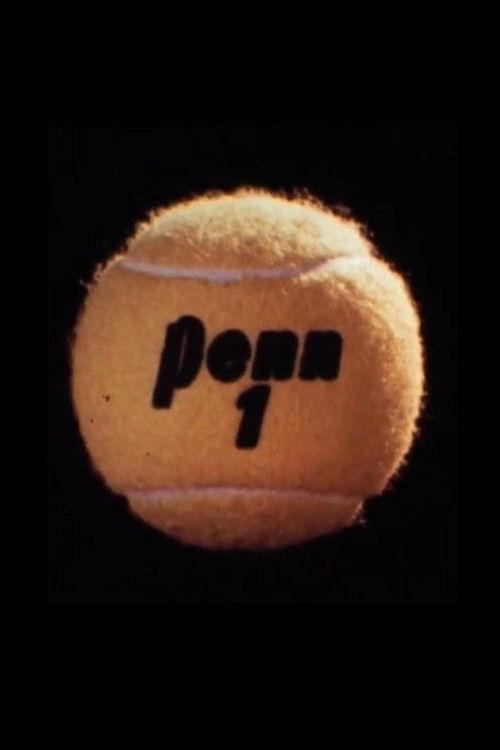
An insider's look on the making of Penn's tennis balls, from their creation in a factory to the final stages of quality control.
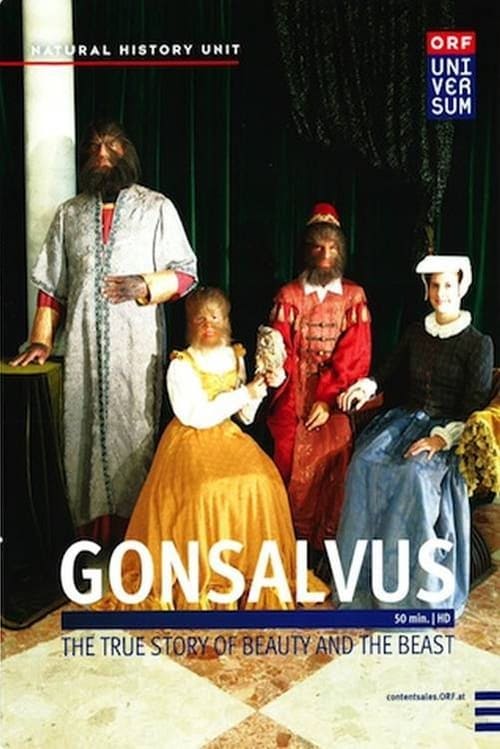
It's a condition known as "hypertrichosis" or "Ambras Syndrome," but in the 1500s it would transform one man into a national sensation and iconic fairy-tale character. His name: Petrus Gonsalvus, more commonly known today as the hairy hero of Beauty and the Beast.
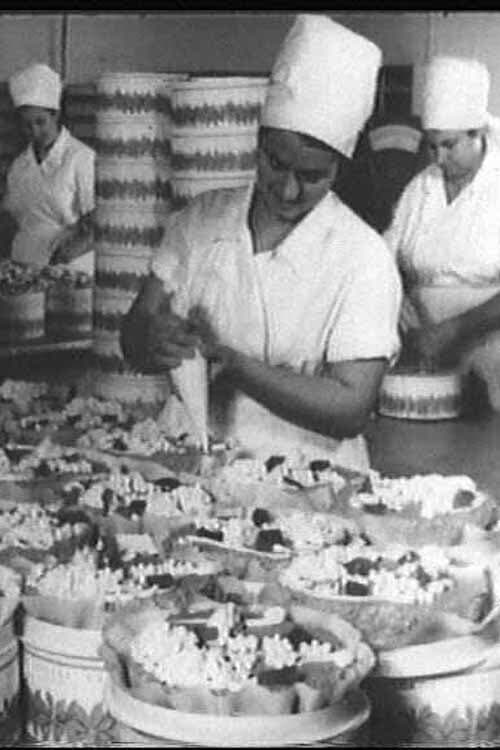
Charlie Marx and the Chocolate Factory started as an investigation of the link between politics and chocolate, at the Karl Marx Confectionary Factory in Kiev, Ukraine. Since access to the factory was denied, the project had to be re-considered, re-invented or re-enacted. Mostly made of archival footage and re-enacted performances based on the company's website, the film merges what was left of the initial idea with what has been collected and realized instead. It borrows from the genres of video art, 'Man on the street' interview, direct address, corporate film, essay, and music video, without legitimately belonging to any of them. The film unravels as a reflection on its own failure, and yet keeps on investigating what has always been at stake: the shift from public to private property (and from analog to digital technology), dialectics of permanence and change, language as a mirror of ideology, and post-Soviet oligarchy culture.
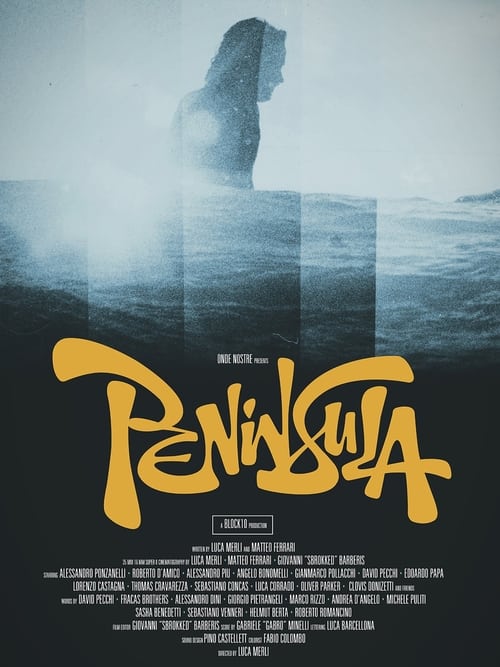
This documentary explores the tranquil history of Italian surfing along with the passion and dedication of the pioneers who shaped it.
No Trailers found.
No Cast found.