No Trailers found.
No Cast found.
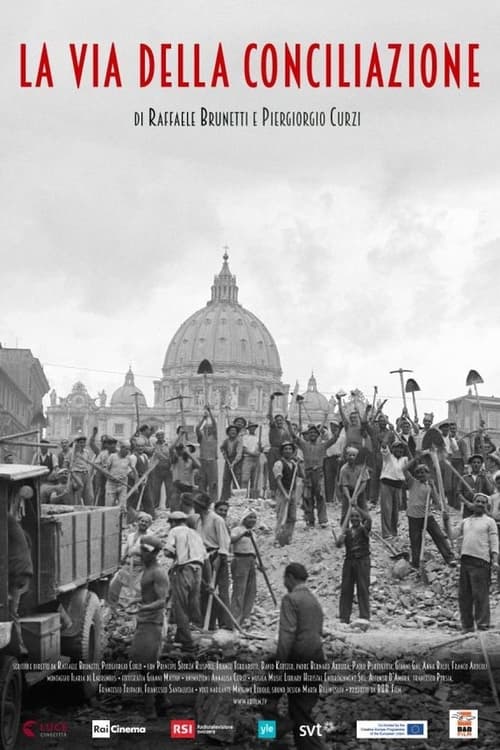
Everyone knows the view of Via della Conciliazione with St. Peter's Basilica framed behind it. The most famous postcard of Rome, the background used by correspondents all over the world. Few know that this street hasn't always been there, and in fact shouldn't have been from the premises.
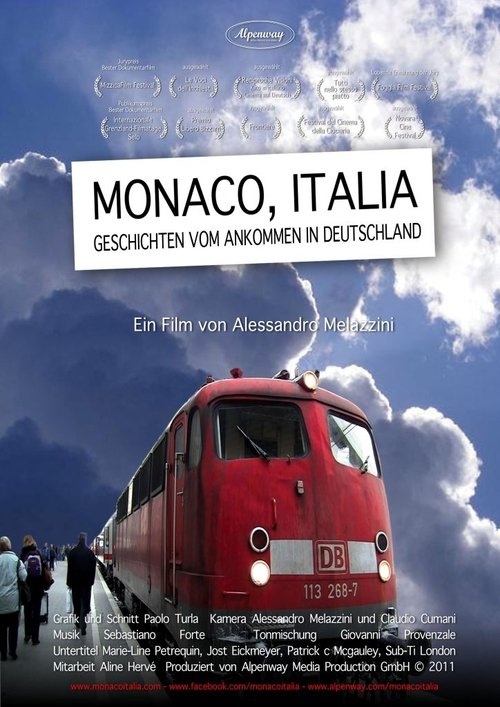
In 1947, the Assisted Passage Scheme began, devised by the Australian government to bring in white British settlers. For just 10 pounds, they could start a new life in a sun-drenched land of opportunity, and over the next 25 years, more than a million people took up the offer. The scheme's pioneers tell their story.
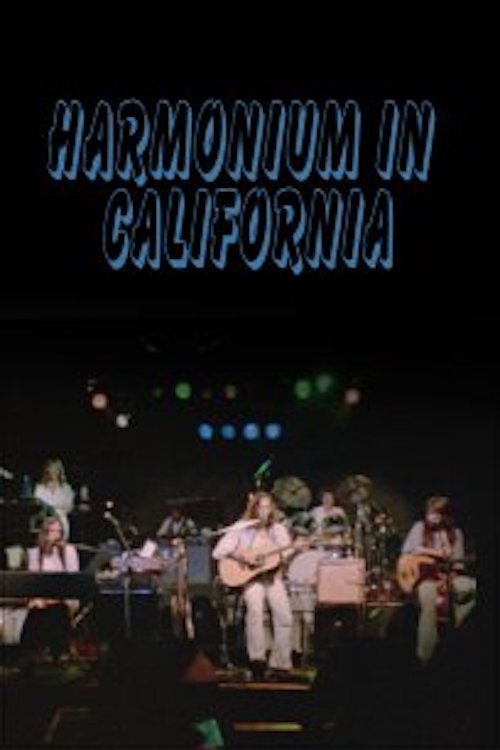
Through concerts and interviews, folk-progressive group Harmonium takes Quebec culture to California. This documentary full of colour and sound, filmed in California in 1978, recounts the ups and downs of the journey of the Quebec musical group Harmonium, who came to feel the pulse of Americans and see if culture, their culture, can succeed in crossing borders.
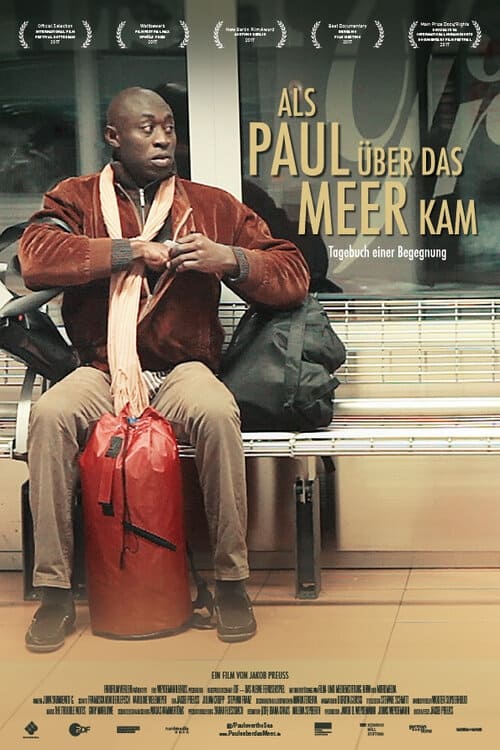
An unusual friendship in an agitated political context.
The film is about the band Stockholms Negrer, but also about what formed their music, about being Swedish but still being viewed as an outsider.
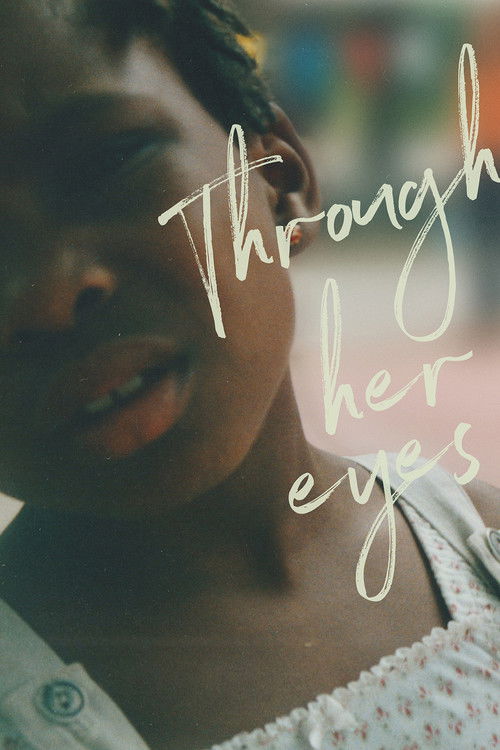
In an effort to understand where she came from, Fabiola asked a question that became the central phrase of the film: what would my life have been like if I'd stayed in Haiti? Taking as her starting point her biological mother's precarious economic situation, she had no choice but to entrust her daughter to her care. Fabiola could have ended up restavek, or in a loving foster family, or on the streets abandoned to her fate, or adopted abroad.
No overview available.
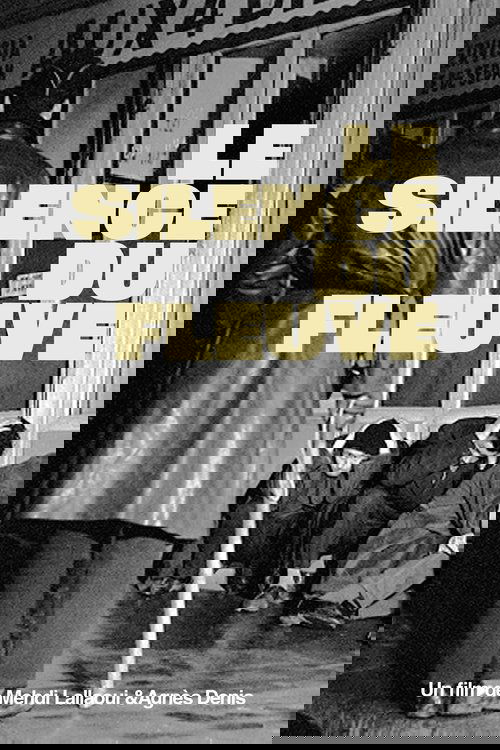
“Forgetting is complicit in recidivism,” says the commentary of this film dedicated to the demonstration of October 17, 1961 in Paris and the savage repression that followed. 11,538 Algerians will be arrested, which is reminiscent of the great Vel d’hiv roundup of July 16 and 17, 1942 where 12,884 Jews were arrested. The film brings together eyewitnesses including a priest, a peacekeeper, a couple of workers sympathetic to the Algerian cause, a lawyer, Paris municipal councilors including Claude Bourdet (then one of the leaders of the PSU and journalist to France Observateur), Gérard Monatte, the future police union leader, and the editor and writer François Maspero.
The mysterious parallel story of Italian painters Andrea Mantegna (ca. 1431-1506) and Giovanni Bellini (ca. 1435-1516), brothers-in-law, public rivals and masters of the early Renaissance.
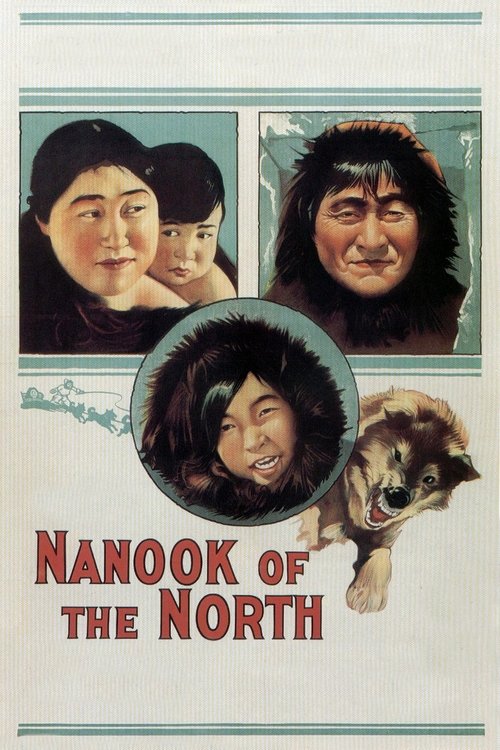
This pioneering documentary film depicts the lives of the indigenous Inuit people of Canada's northern Quebec region. Although the production contains some fictional elements, it vividly shows how its resourceful subjects survive in such a harsh climate, revealing how they construct their igloo homes and find food by hunting and fishing. The film also captures the beautiful, if unforgiving, frozen landscape of the Great White North, far removed from conventional civilization.
Follows Sven-Göran Eriksson as he returns to Italy for the last time to say goodbye and offers a look back at his great career in this country.
At America's elite MIT, a Ghanaian alum follows four African students as they strive to graduate and become agents of change for their home countries Nigeria, Rwanda, Tanzania, and Zimbabwe. Over an intimate, nearly decade-long journey, all must decide how much of America to absorb, how much of Africa to hold on to, and how to reconcile teenage ideals with the truths they discover about the world and themselves.
In this modern, coming of age documentary, Naomi, Jojo and Arham grapple with economic divides, gender roles, and family dynamics while competing in the fastest growing high school sport in the country: girl’s wrestling.
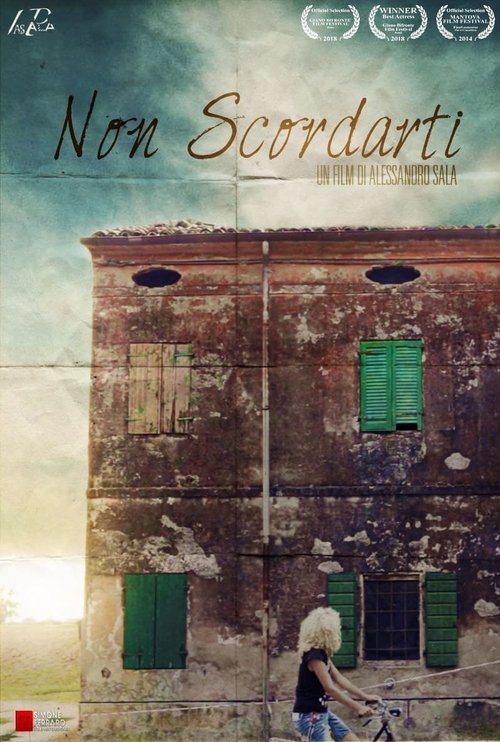
A post millennial journey to Italy before the coronavirus outbreak. While encountering various faces of the contemporary Italian decline, the trip turns into an existential experience arising doubts within a group of ambitious filmmakers, moved by the nostalgia of the humble life that they abandoned to follow their dreams.
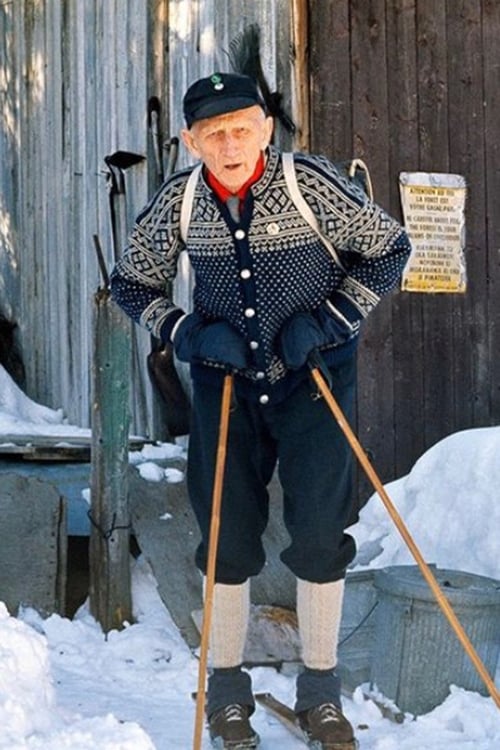
This short film retraces the life of Herman Smith Johannsen – the man who introduced the sport of cross-country skiing to Canadians. From past to present, his life story is portrayed through pictures from sports newsreels, Norwegian archives and his family album. The film catches up with him at both the Canadian Ski Marathon, where he is the honoured guest, and on a return trip to his native Norway.
The long lasting Palestinian-Israeli conflict has created appaling phenomenons that have horrified the Israeli society. the "politically conscience-refusals" or those individual soldiers refusing to fight in the occupied territories, are one of those phenomenons. In opposition to them stand a thousand immigrants from the former Soviet Union, ex-military men from the Red Army, who yearn to be recruited into the IDF and fight for Israel, but who are denied the right to serve in the army. Through the stories of Oleg and Alex, immigrants and the battalion's charismatic commanders, the story of the Russkii Battalion is told. It is a story of contrasts between the hardships of the daily struggles they face as new immigrants against the pride and the sense of belonging they find in the battalion. The Russkii Battalion is a film about a militaristic social bubble, in a country that is in constant war.
The events that took place at the beach of El Tarajal in Ceuta (Spain) in February 2014 - the killing by the border police of 15 people who were trying to reach the Spanish coast - are an example of how the police force can violate the laws of its own country and international conventions with total impunity. The worst part is that this violation of human rights is protected by the Spanish Ministry of Interior itself, which hinders any effective action by the prosecution. For this reason, the civil society plays a fundamental role in revealing the facts. This is where the figure of collective complaints (DESC Observatory and the association Coordinadora de Barrios) steps in.