No Trailers found.
A documentary on Al Gore's campaign to make the issue of global warming a recognized problem worldwide.
The cod fishery off the east coast of Newfoundland was a way of life, the backbone of society -- until it collapsed. A review of the history leading up to the crisis and the subsequent call for a moratorium of the northwest Atlantic cod fishery.
An epic journey along Africa's Great Green Wall — an ambitious vision to grow a wall of trees stretching across the entire continent to fight against increasing drought, desertification and climate change.
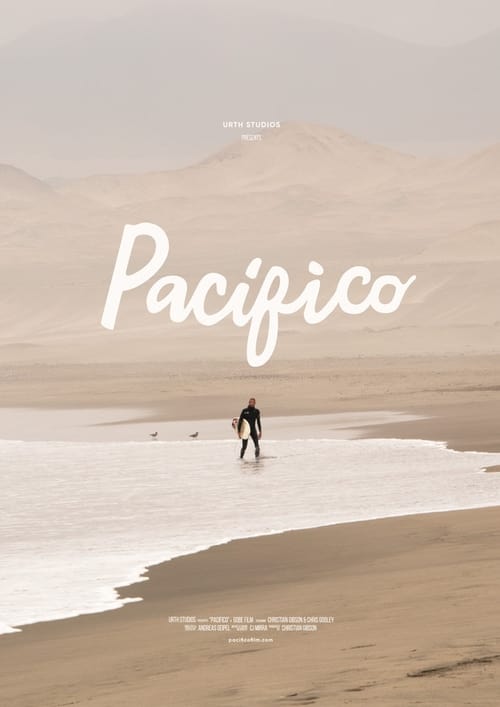
What starts as a desire to experience nature more intimately develops into a relatable conversation on alternative pathways through life. Two friends go on a two-year road trip through Latin America. Presenting an insight into long term travel and how engaging in new cultures and environments can help widen our perspective and deepen our understanding of the world we live in. Pacifico forms a discussion around the pros and cons of living in the moment; Showing how slowing down and observing the world mindfully can aid in gaining perspective and broaden an understanding of what is important in life.
Filmed primarily in Alaska, The Aquarium contrasts the openness of the primeval Arctic landscape with the entrapment of captured sea mammals in aquariums. It speaks of the progressive destruction of these animals’ habitat, seeing beyond the alluring spectacle.
No overview available.
The coastline of East England is vanishing before our eyes. As cliffs crumble and roads disappear, the land carries stories of the past and the uncertainty of the future. The sea is always present
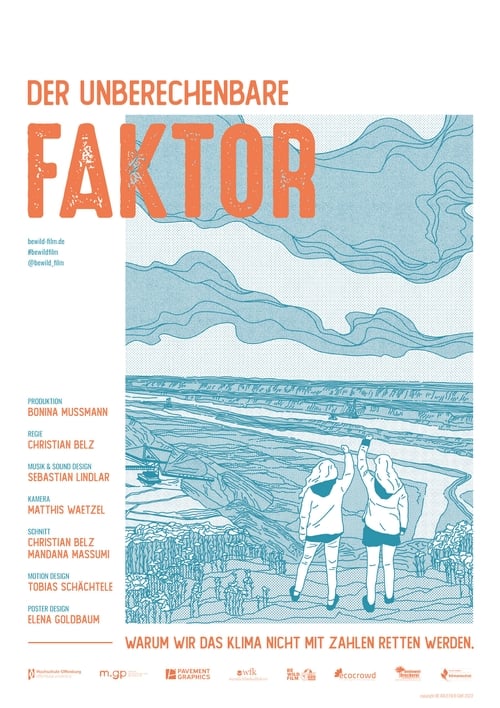
In today's climate debate, there is only one factor that cannot be calculated in climate models - humans. How can we nevertheless understand our role in the climate system and manage the crisis? Climate change is a complex global problem. Increasingly extreme weather events, rising sea levels, and more difficult living conditions - including for us humans - are already the order of the day. Global society has never faced such a complex challenge. For young people in particular, the frightening climate scenarios will be a reality in the future. For the global south, it is already today. To overcome this crisis, different perspectives are needed. "THE UNPREDICTABLE FACTOR" goes back to the origins of the German environmental movement, accompanies today's activists in the Rhineland in their fight against the coal industry and gives a voice to scientists from climate research, ethnology and psychology.
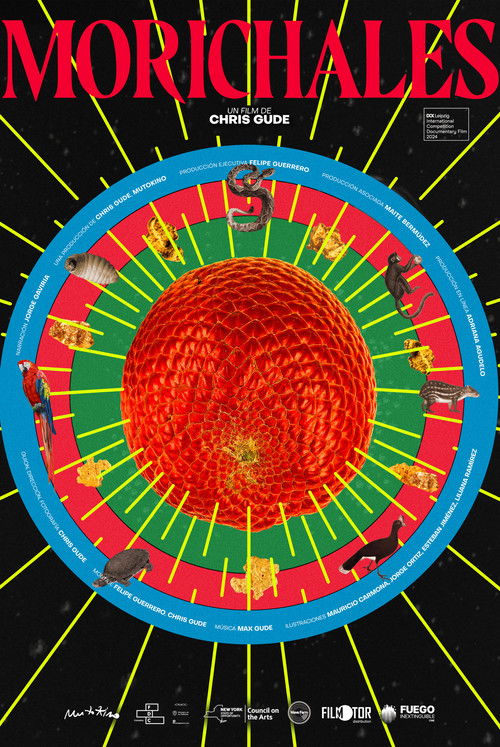
In Venezuelan Guayana, large gold reserves lie beneath “moriche” palms, attracting multitudes of miners to the territory. A fictional explorer narrates a journey from far-flung mines in the jungle to the banks of the Orinoco River, trying to understand the uncertain fortune of humanity immersed in the anxious quest for treasure. His reflections combine illustrations and photochemical paintings to draw a map of the extraction and commercialization of gold, object and symbol through which he questions where value resides.
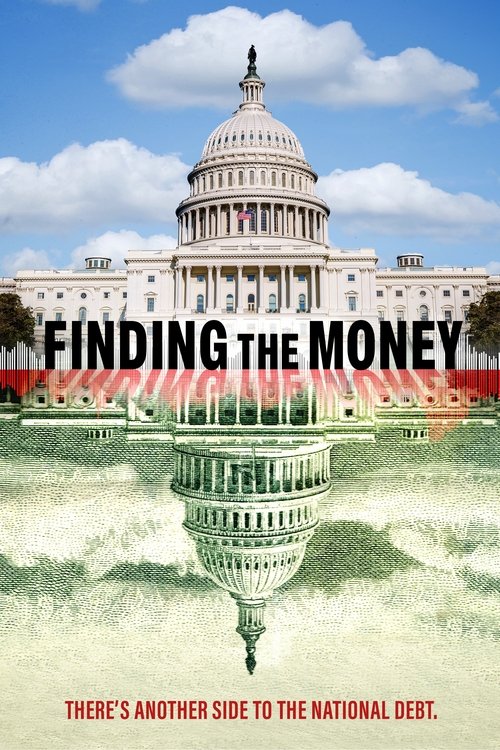
FINDING THE MONEY follows economist Stephanie Kelton on a journey through Modern Money Theory or “MMT”. Kelton provocatively asserts the National Debt Clock that ticks ominously upwards in New York City is not actually a debt for us taxpayers at all, nor a burden for our grandchildren to pay back. Instead, Kelton describes the national debt as simply a historical record of the number of dollars created by the US federal government currently being held in pockets, as assets, by the rest of us. MMT bursts into the media with journalists asking, “Have we been thinking about how the government spends money, all wrong?” But top economists from across the political spectrum condemn the theory as “voodoo economics”, “crazy” and “a crackpot theory”. FINDING THE MONEY traces the conflict all the way back to the story we tell about money, injecting new hope and empowering countries around the world to tackle the biggest challenges of the 21st century: from climate change to inequality.
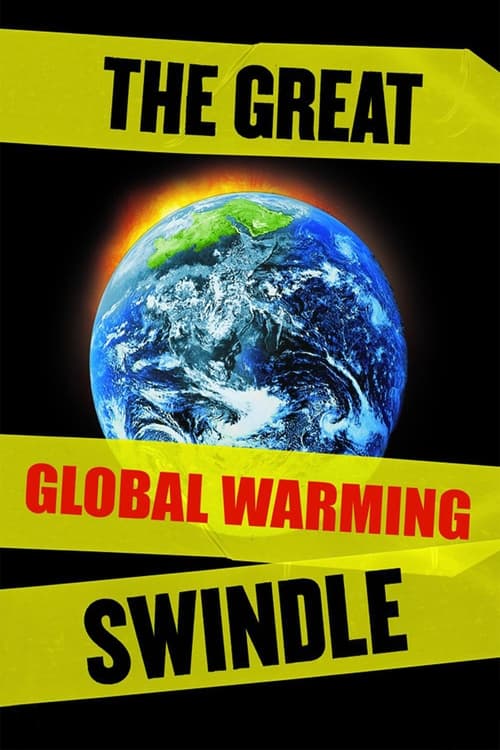
This film tries to blow the whistle on what it calls the biggest swindle in modern history: 'Man Made Global Warming'. Watch this film and make up your own mind.
Most people were first exposed to Michael C. Ruppert through the 2009 documentary, Collapse, directed by Chris Smith. Apocalypse, Man is an intimate portrait of a man convinced of the imminent collapse of the world, but with answers to how the human spirit can survive the impending apocalypse.
A feature documentary about the journey of mankind to discover our true force and who we truly are. It is a quest through science and consciousness, individual and planetary, exploring our relationships with ourselves, the world around us and the universe as a whole.
A mind-bending, thrilling journey exploring the fragility and wonder of planet Earth, one of the most peculiar, unique places in the entire universe, brought to life by the only people to have left it behind – the world’s most well known and leading astronauts. This edit combined episodes one and ten to create a new movie.
Yannick Bellon's documentary paints a portrait of a city torn between the problem of unsanitary housing, pollution corroding walls and statues, and the recurring and increasing floods—all consequences of human activity. Faced with job shortages and rampant speculation, the overarching question arises of how industries can coexist with the city of Venice. Allowing them to develop risks destroying it; driving them out risks turning it into a museum, causing its inhabitants, and thus its soul, to leave.
For generations, fishermen have made their home on Tangier Island, in the heart of the Chesapeake Bay on the east coast of the US. Two-thirds of the island has disappeared over the last 150 years, and local people are concerned about rising sea levels—and the lack of progress on reinforcing the sea wall—but the church remains the bedrock of this small, close-knit community.
Five scientists and a hairdresser, tackling climate change, one stick at a time.
Bhutan, despite being one of the world's two carbon negative countries, suffers from a changing climate that has led to a disastrous water shortage. After his children leave him, Daw, an elderly Bhutanese villager, must fend for himself. 83 AND ALONE explores a community made empty because of water.
CHARBON depicts how Europe was built on fossil fuels over the past 100 years. And how it was torn apart by wars that were the result of these same fossil fuels. During 3 trips to Ukraine, Italy and Iraq, filmmaker Manu Riche explains how he and his French-German family are inseparably connected to the fate of the Iraqi filmmaker and refugee Hayder Helo.
We get to know a few inhabitants of central European rivers.
Self