No Trailers found.
No Cast found.
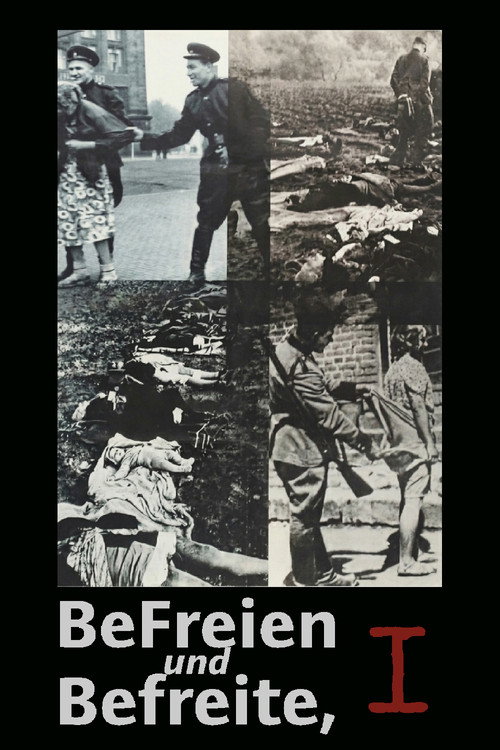
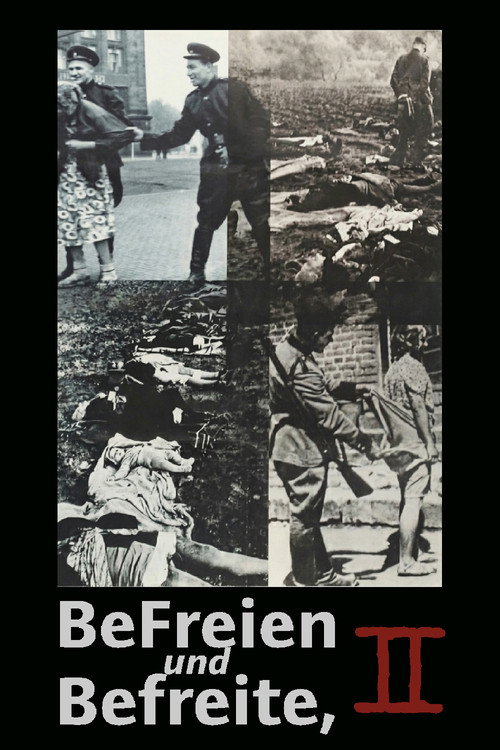
Based on years of research into the mass rapes committed by the Red Army at the end of the Second World War. In the first part of the documentary Helke Sander interviews multiple German women who were raped in Berlin by Soviet soldiers in May 1945. Most women never spoke of their experience to anyone, after 46 years of silence they talk for the first time publicly about their violent experiences that have left such a mark.
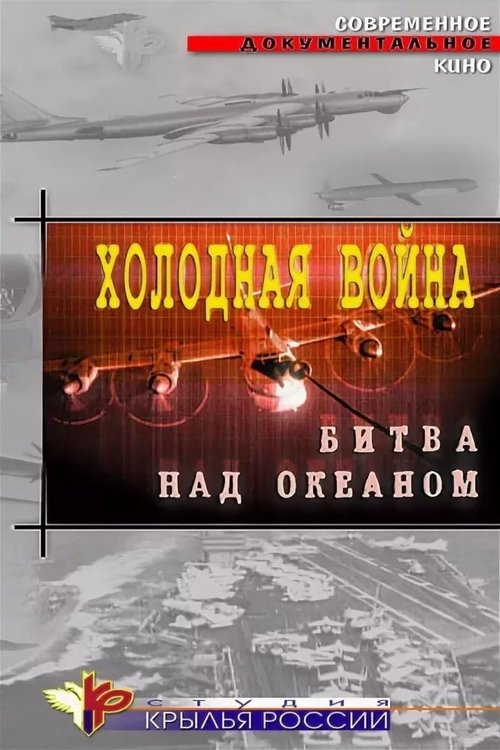
A look at the confrontations between American and Soviet aviation over the ocean during the Cold War, through the recollections of direct participants and eyewitnesses.
Showing his own original footage of Prague Spring, director Evald Schorm describes the atmosphere these days in 1968.
From Washington to Saigon, Rome to Mexico, Paris to Prague, a wave of protests shook the world. 68 looks back at the looks back at the Vietnam War, the Prague Spring and the Soviet Invasion, the Paris riots, Dubcek, Che Guevara, De Gaulle, Cohn-Bendrik and more. A dive into the chaos of a turbulent year, featuring fantastic colour footage and the music of Jimi Hendrix, Janis Joplin, Jim Morrisson and Bob Dylan.
Documentary exploring the experience of Soviet soldiers during the Soviet war in Afghanistan.
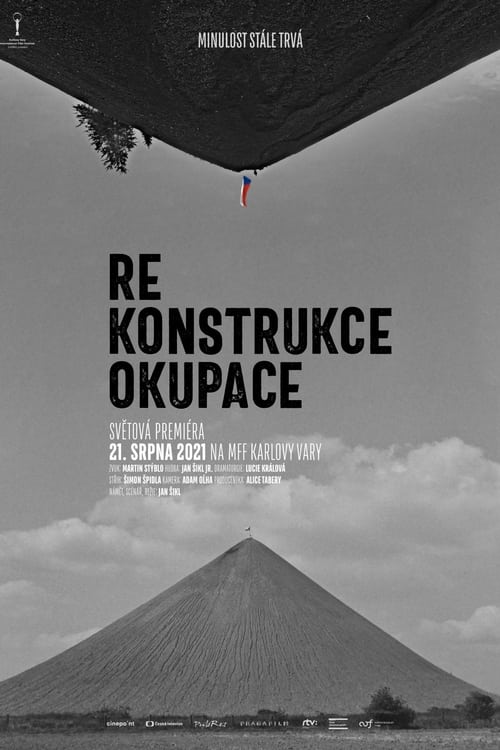
Documentary filmmaker Jan Sikl came across several hours of footage showing the Warsaw Pact invasion of Czechoslovakia in private film archives. 53 years later, historical memory awakens from a long slumber with this reconstruction of the occupation, a cinematic adventure of a truly archeological nature.
A feature about philosophy, perception and imprisonment in Aldo Lado's Giallo "Short Night of Glass Dolls".
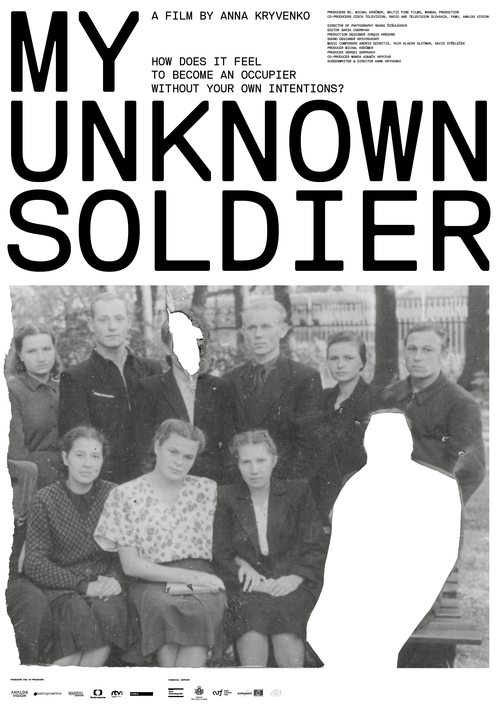
How does it feel like to become an occupier without your own intentions? With known but also never published archival materials from the whole Europe and Russia we tell a family story of the director Anna Kryvenko about how the big politics is destroying the lives of ordinary people. Just couple of years ago the director found a family secret of her grand-uncle who came to occupy Czechoslovakia in 1968 as a Soviet soldier. When searching for grand-uncle's story the author touches themes like fragmentation of personal and national memory, inherited guilt, interpretation of history, media manipulation, relationship towards nowadays Russia, but also relationship of Czechs and Slovaks towards foreigners - themes very actual in our times.
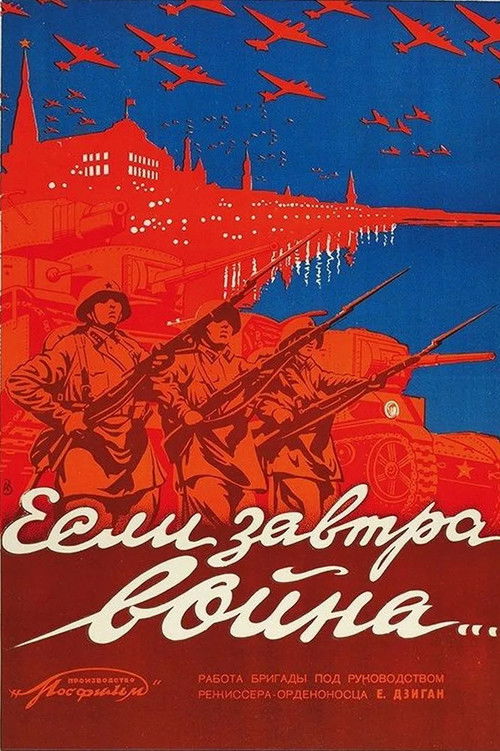
The propaganda documentary about the readiness of the Red Army to repulse any enemy is based on documentary shots taken during the real maneuvers of the Red Army. Armadas of tanks, immense columns of infantry, dozens of fighters and bombers, thousands of cavalry, legendary divisions of the Civil War. The film glorifies Soviet military power and shows the Soviet people what the war will be like when the imperialists attack the USSR — quick, victorious, almost bloodless.
No overview available.
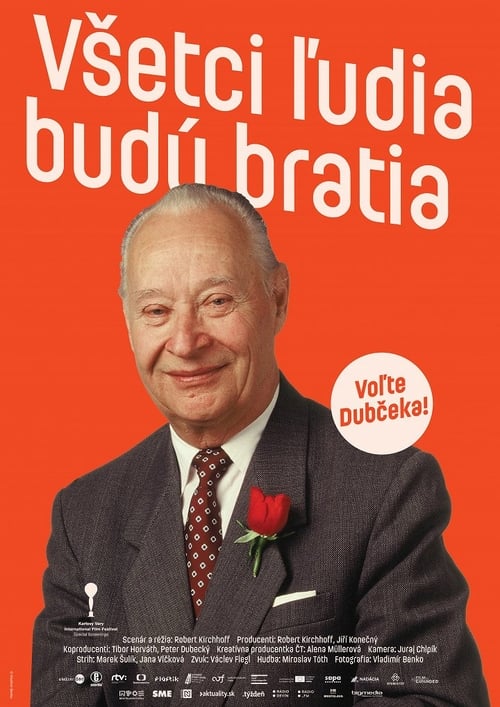
A film about the phenomenon of Alexander Dubček, a Czechoslovak politician, one of the most prominent personalities of the Prague Spring of 1968, author of the concept of “socialism with a human face”.
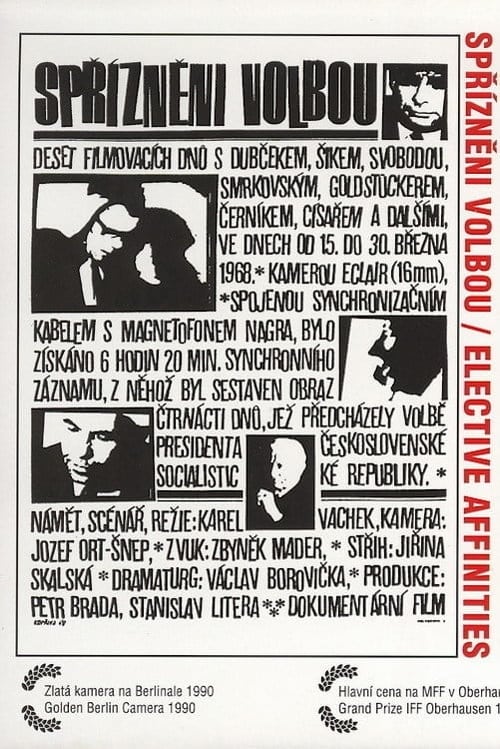
Documentary showing the Czechoslovakian political landscape in March 1968, when president Antonin Novotny, a hardline Stalinist, stepped down and moderate communist Ludvik Svoboda was elected. Five months later, in August 68, the Prague Spring would end with the military intervention of the Warsaw Pact.
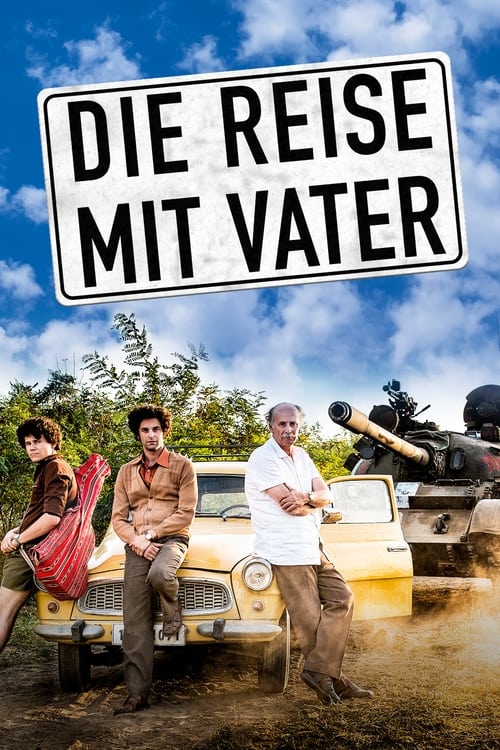
Romania, 1968. Two very different brothers. Mihai is a secret police informant, Emil is a dedicated dissident. When they have the opportunity to have their ailing father’s eyes operated on in East Germany, the three set out on a moving odyssey.
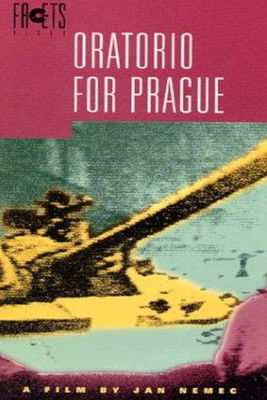
A unique document of the 1968 Soviet invasion of Czechoslovakia, what began as a documentary about the liberalization of Czechoslovakia evolved into a record of the entry of Russian tanks into Prague.
Based on years of research into the mass rapes committed by the Red Army at the end of the Second World War. In the second part of the documentary Helke Sander interviews former Soviet soldiers, and children born from rape, splicing their statements with material from archives. While avoiding an emotional presentation of the subject matter to rule out revanchist interpretations.
Story of psychological pressure which former Soviet Afghan soldiers have to deal with in peaceful life. Through the story of Ruslan we are shown how public indifference often leads to drug usage.
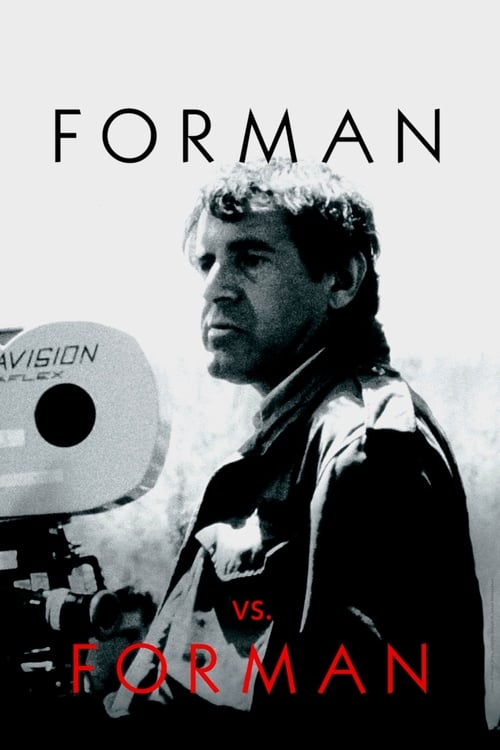
A moving account, in his own words, of the personal life and work of the brilliant Czech filmmaker Miloš Forman (1932-2018): his tragic childhood, his major contribution to the cultural movement known as the Czech New Wave, his exile in Paris, his troubled days in New York, his rise to stardom in Hollywood; a complete existence in the service of cinema.
A film about the contrasts between Czechoslovakia and Bulgaria in 1968. A film that reveals the mechanisms of censorship and propaganda during communism. A film about how information about events in Czechoslovakia was distorted in Bulgaria.
The story of Sebastien, a seriously ill 25-year-old, and his mother, whose lives were also affected by the events of 1968 in Czechoslovakia.
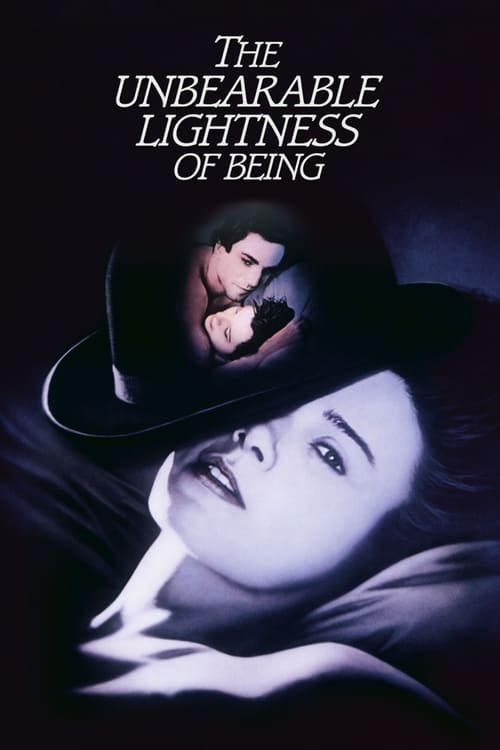
Successful surgeon Tomas leaves Prague for an operation, meets a young photographer named Tereza, and brings her back with him. Tereza is surprised to learn that Tomas is already having an affair with the bohemian Sabina, but when the Soviet invasion occurs, all three flee to Switzerland. Sabina begins an affair, Tom continues womanizing, and Tereza, disgusted, returns to Czechoslovakia. Realizing his mistake, Tomas decides to chase after her.