The documentary focuses on the future of mobility and as a company that wants to help shape the automotive development of tomorrow.
Narrator
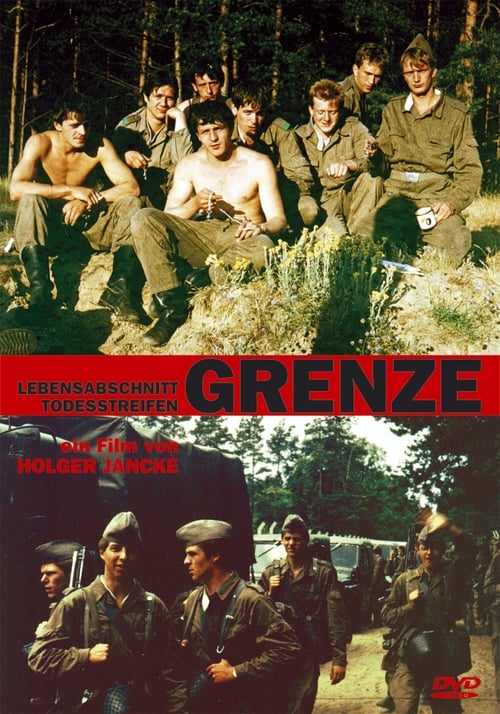
In February 1986 they received the call of a fatherland that no longer exists: four young GDR citizens on the verge of adulthood see themselves forced, like so many others in East and West Germany, to do their one and a half years of military service. What is special: Their service area is the border system, an anti-imperialist protective wall according to their superiors, death strips and prison bars for a population incapacitated in naked reality. Now, seventeen years later, there is a reunion with the comrades and the old post. This feature film, which was the first in reunified Germany to deal with the inner workings of the GDR border troops, tells of life on the fence, the associated contradictions and some hot phases in the Cold War.
After the fall of the Berlin Wall, thousands of documents were hastily shredded by the dreaded GDR political police. 16,000 bags filled with six million pieces of paper were found. Thanks to the meticulous work of technology, the destinies of men and women who had been spied on and recorded without their knowledge could be reconstructed.
2024 is likely to be a decisive year for Sahra Wagenknecht's political future. In the arena of power, she might assume a role that she is already very familiar with. In the early years following the fall of the Berlin Wall, Sahra Wagenknecht became the "most famous face" of the PDS, the successor party to the SED. Yet, even as the youngest member of the party's executive board, she was considered a "disruptive factor." She is unyielding and swims against the tide. Sahra Wagenknecht does not distance herself from Stalinism, nor from the Berlin Wall, and wishes for a reformed GDR.
A sequel to 2006's Who Killed the Electric Car?, director Chris Paine once again looks at electric vehicles. Where in the last film electric cars were dismissed as uneconomical and unreliable, and were under multiple attacks from government, the auto industry, and from energy companies who didn't want them to succeed, this film chronicles, in the light of new changes in technology, the world economy, and the auto industry itself, the race - from both major car companies like Ford and Nissan, and from new rising upstarts like Tesla - to bring a practical consumer EV to market.
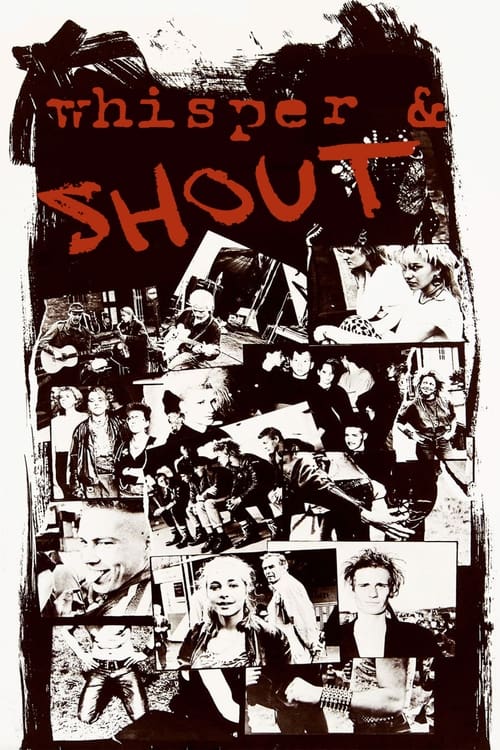
Documents important parts of the East German rock music scene of the late 1980s, from well-established bands like Silly, to underground rock bands like Feeling B. This road movie features young people using music to express their take on life, opposition to their parents' generation and opinions on the social and political climate in East Germany. It includes clips from concerts and interviews with fans and members of various bands, such as Feeling B's Christian Lorenz and Paul Landers, now members of Rammstein.
Every year, the most beautiful, best and proudest representatives of German youth meet in Dresden to take to the streets together.
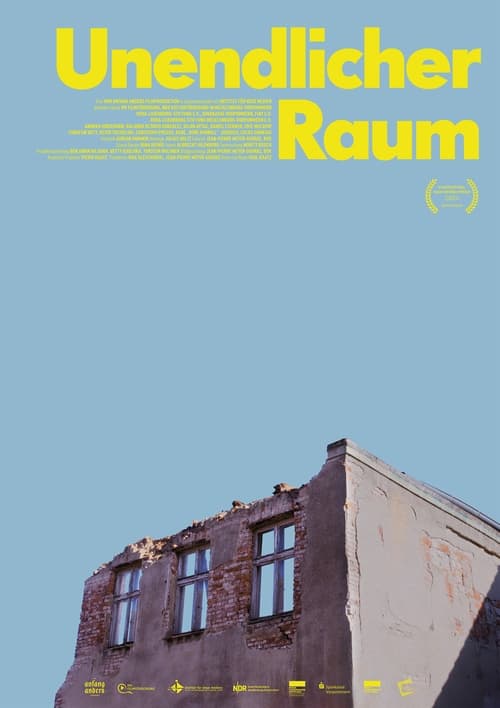
Loitz is one of those former GDR towns that still suffer from the effects of German reunification. For a year "Infinite Place" looks behind the gray facade of the seemingly dying town and questions concepts of home and identity through the perspective of its old and new inhabitants. The town’s vacancy and people’s urge for self-realization create a fruitful look into the future.
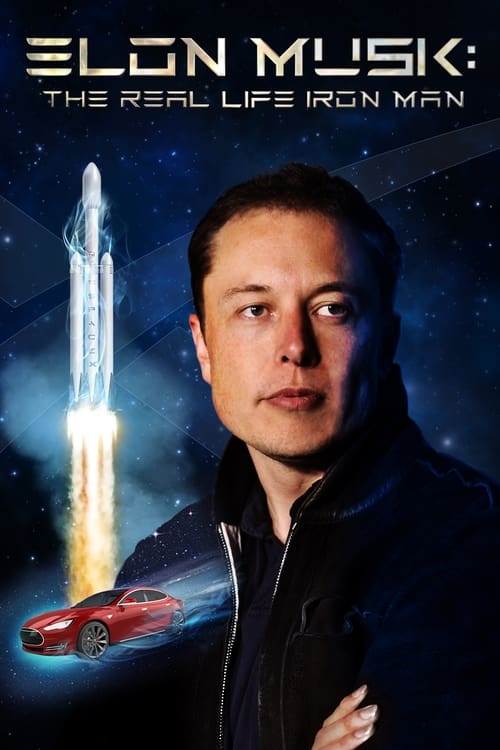
Discover the meteoric rise of Elon Musk, the man who is transforming the way we think about travel technology through electric cars, the Hyperloop, and revolutionary ideas on how we live through artificial intelligence and colonizing Mars.
This film undertakes a journey into the amazing parallel universe of East Berlin’s fashion designers and experts in the art of survival. For, in the midst of the constraints of life in the GDR, there existed a fantasy world where it was possible to dance to another tune, be individual and even provocative. The most important characteristic of this bohemian scene was one’s per- sonal style. But this certainly wasn’t something that could be bought off the peg in the GDR. In this parallel universe it was up to you to create your own individual image – with your own hands. This film tells the story of the desires, the passion and the dreams that were tried and tested, lived and performed in the shadow of the Berlin Wall.
Thirty years after the Cold War ends, a former political prisoner of the East German secret police searches for the truth after learning his brother spied on him for the regime, and discovers the lasting effects of living in a surveillance state.
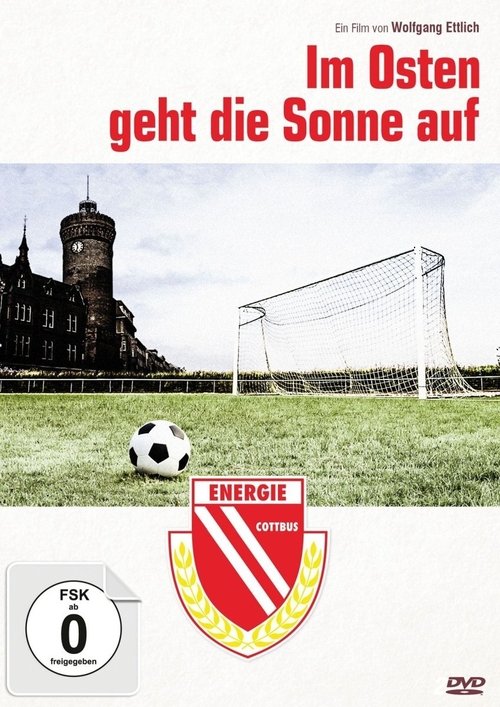
Energie Cottbus, a small soccer club from the periphery of the republic, got promoted to the first division of the Bundesliga. Everyone was sure: They will get relegated immediately again! But everything turned out differently! The underdog club gave Cottbus — which was to many only known from scare stories about lack of prospects and unemployment – joy, hope, and pride. The film looks behind the scenes and shares the thrill of the people for the finale of the season.
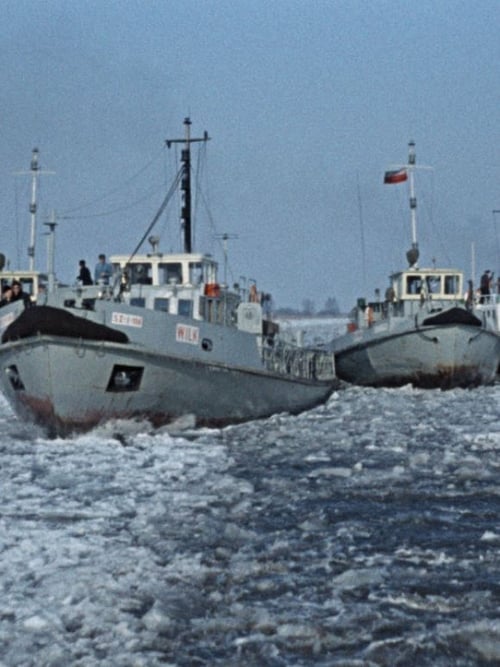
Documentary reports on the annual icing of the Oder in the 160-kilometer border area between the GDR and the People's Republic of Poland. Icebreakers from both countries with experienced skippers join forces to make the international waterway between Frankfurt and Szczecin navigable again. Everyone works hard as a team and even a broken-down ship cannot stop them from achieving their goal. A look back at the winter of 1947 with its flooding shows what the freezing of the river and the subsequent thaw can do if the ice floes are not drained into the Baltic Sea via Lake Dammsch in good time. The skippers from both countries have known each other for years and trust each other; the camaraderie that has developed on the Oder unites the people, they control the river in winter for the common benefit of all.
A review of 25 years of theatre work by the Berliner Ensemble, dedicated mostly to plays by Bertolt Brecht. Interviews with stage hands and lighting technicians provide an interesting view behind the scenes.
Petra Epperlein and Michael Tucker take a powerfully personal journey through the former East Germany, as Epperlein investigates her father’s 1999 suicide and the possibility that he may have worked as a spy for the dreaded Stasi security service.
Portraits six lesbian protagonists from rural and metropolitan parts of the formerly socialist Republic and has them tell their captivating and sometimes outrageous life stories.
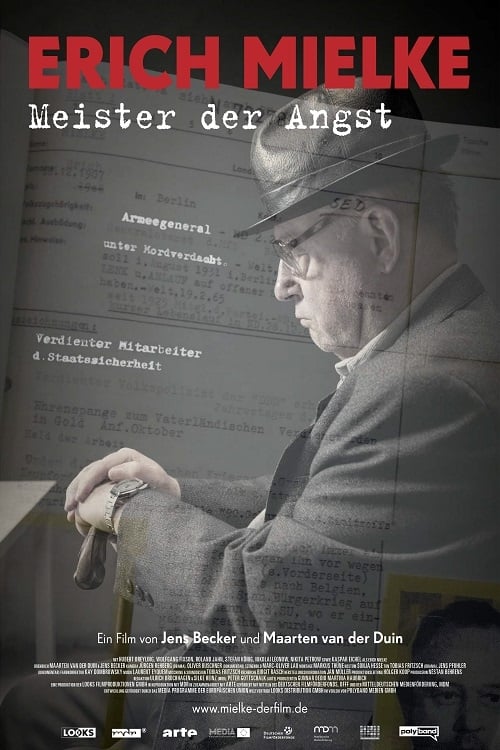
Docudrama about life, career and breakdown of Erich Mielke, the former Security chief of East Germany.
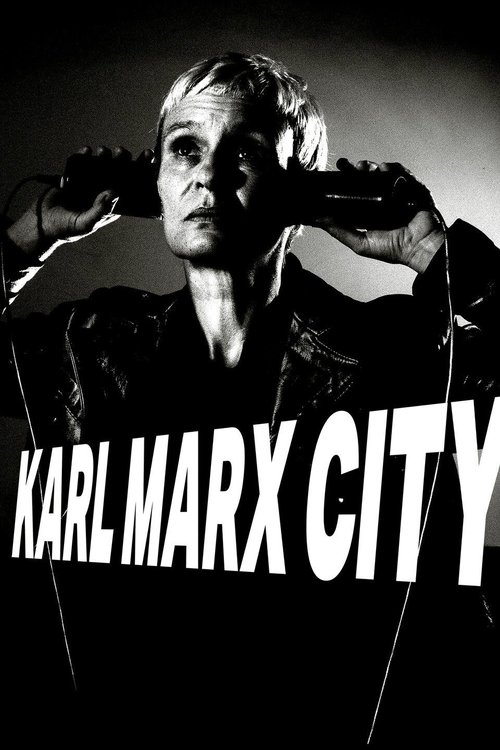
Documentary about the life in the then newly completed city Halle Neustadt in the former DDR in East Germany.
Marcel Ophüls interviews various important Eastern European figures for their thoughts on the reunification of Germany and the fall of Communism.
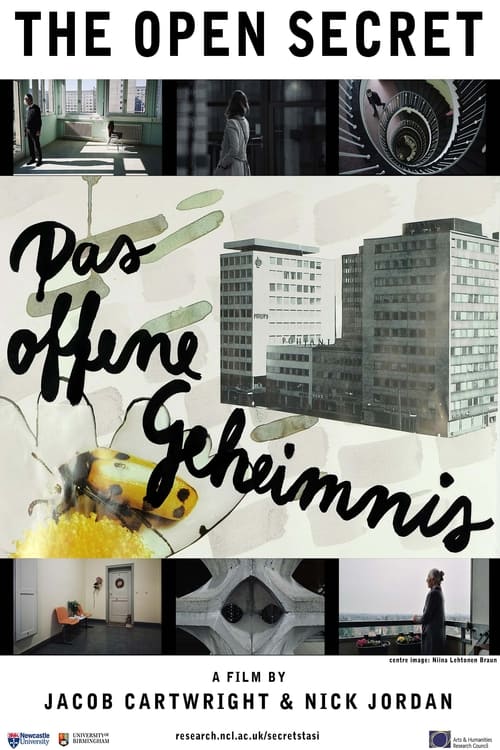
A documentary that explores questions of secrecy and power in relation to the East German Secret Police (the 'Stasi') within East German society. The film is based upon key findings from an extensive research project, 'Knowing the Secret Police', and reflects upon how different kinds of knowledge were circulated through social, religious, political and literary networks within the former GDR. The filmmakers present this research with footage filmed at key locations throughout East Berlin and the wider surrounding landscape, including the Stasi archives and former HQ, Karl-Marx-Allee, Volkspark Friedrichshain, rural 'dacha' cabins, the urban neighbourhood of Prenzlauerberg and the social housing estates of Marzahn.
In the cobalt mining areas of Katanga in the Democratic Republic of the Congo (DRC), babies are being born with horrific birth defects. Scientists and doctors are finding increasing evidence of environmental pollution from industrial mining which, they believe, may be the cause of a range of malformations from cleft palate to some so serious the baby is stillborn. More than 60% of the world’s reserves of cobalt are in the DRC and this mineral is essential for the production of electric car batteries, which may be the key to reducing carbon emissions and to slowing climate change. In The Cost of Cobalt we meet the doctors treating the children affected and the scientists who are measuring the pollution. Cobalt may be part of the global solution to climate change, but is it right that Congo’s next generation pay the price with their health? Many are hoping that the more the world understands their plight, the more pressure will be put on the industry here to clean up its act.
No Trailers found.