Self
No Trailers found.
No overview available.
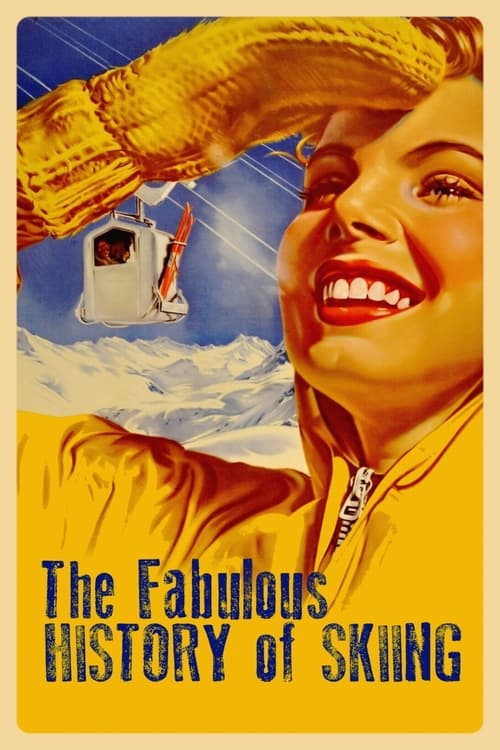
The history of skiing is an amazing journey through small and big events starring strong and avant-garde people who were not afraid to break with the prevailing social prejudices of their time and invented a new sporting discipline.
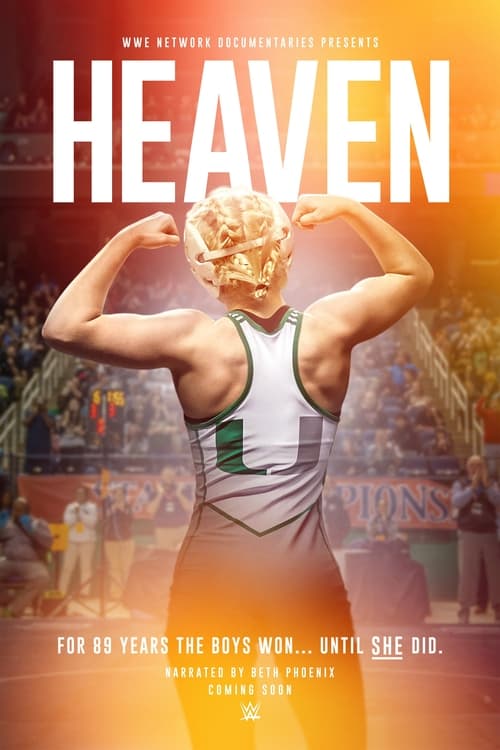
HEAVEN tells the story of a trailblazing high school wrestler named Heaven Fitch. In 2020, as a junior, Fitch became the first female athlete to win a boy’s state wrestling championship in North Carolina, claiming the top spot in the 106-pound weight class. The film documents her inspiring journey up the ranks and the challenges she faced along the way, from proving doubters wrong to defying the odds and making history.
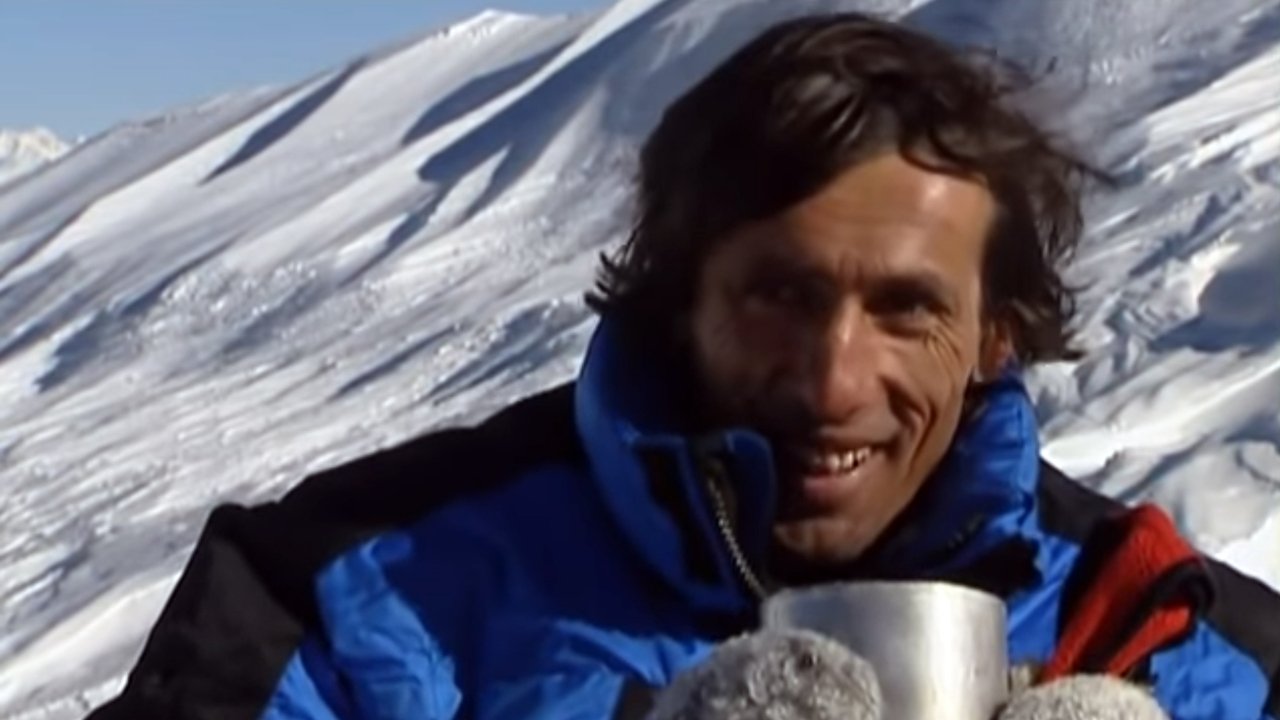
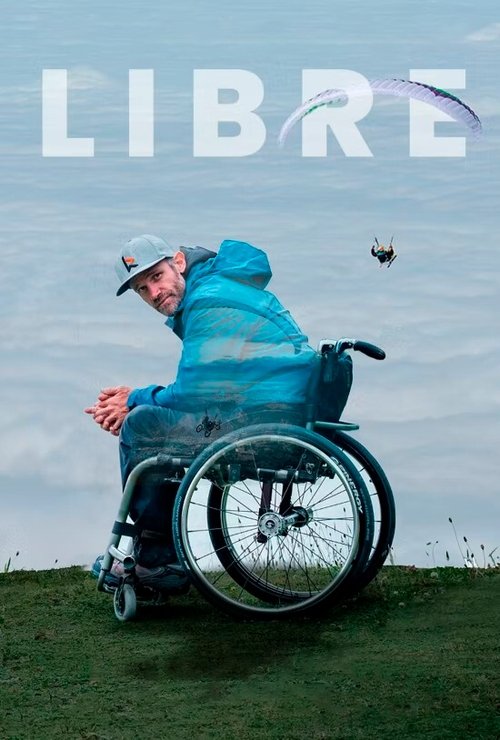
Documentary that follows Sebastián Zuko Carrasco most recent achievement: reaching the summit of the Cayambe volcano (5,790 meters) and descending using a paraglider and under his own power, without any assistance during the flight.
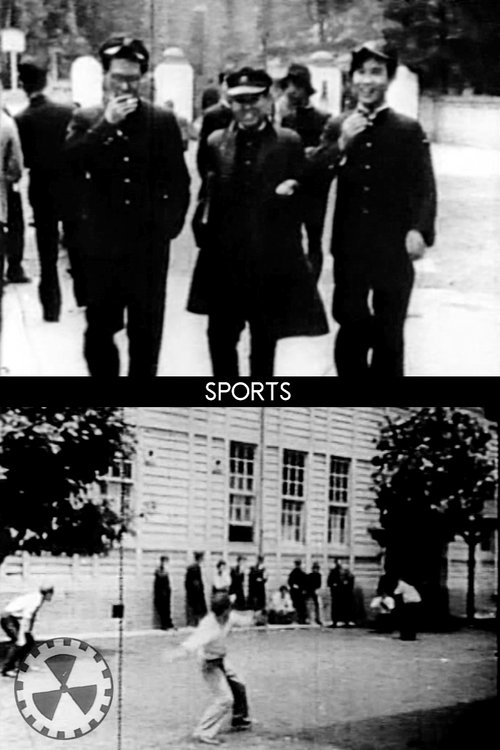
The film is about a protest provoked when the university decided to restrict access to sports facilities to athletes, cutting out all other students. This is, strictly speaking, not a Prokino film. It was produced by the Waseda University Film Circle, which was organized by Kawazoe Shiro. Feature film directors Yamamoto Satsuo and Taniguchi Senkichi were apparently students at Waseda at the time and participated in the production.
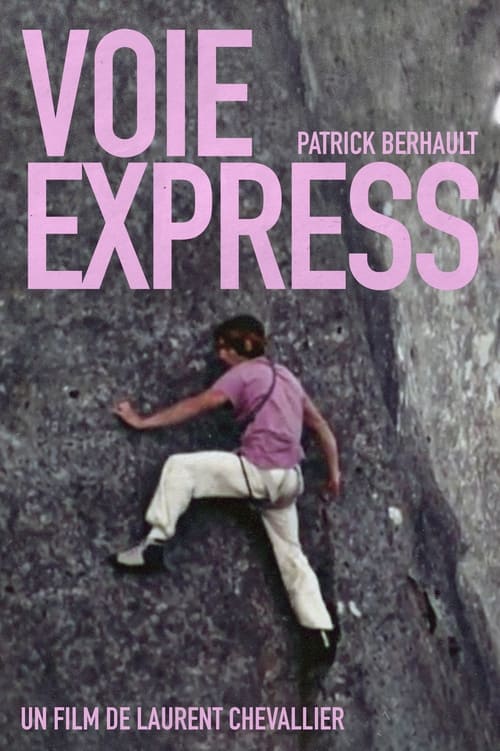
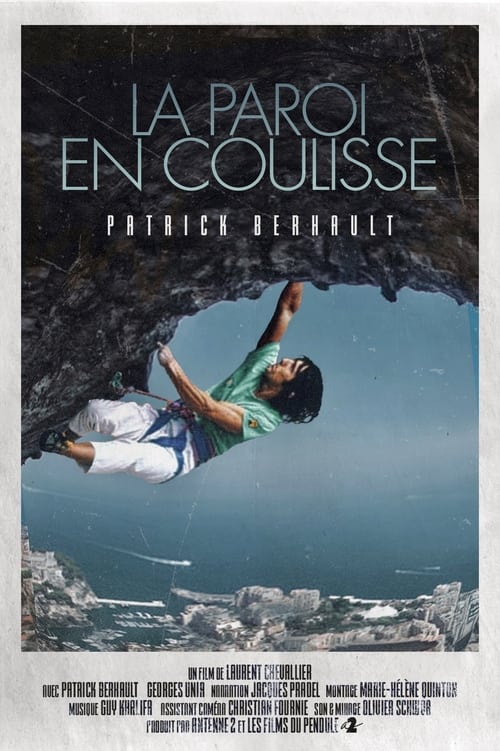
Behind the scenes of the filming of a film on climbing a cliff by Patrick Berhault and Georges Unia on the parishes of the route "La Tête de Chien" in Monaco. Director Laurent Chevallier explains the difficulties of filming at height, the kind of shots that are suitable and the specifications of equipment suitable for filming on a cliff.
From season ending injuries to a last place finish, it seemed like the Golden State Warriors were far from the dynasty that had taken the NBA by storm for the early part of a decade. As the rest of the basketball world moved on to the next contender, Stephen Curry and the rest of the Warriors continued working, just waiting for the opportunity to once again have their core healthy and sharing the court together again. This is the story of how Stephen Curry would once and for all cement himself as one of the NBA's all-time greats, with a memorable Finals MVP performance that earned him his fourth ring.
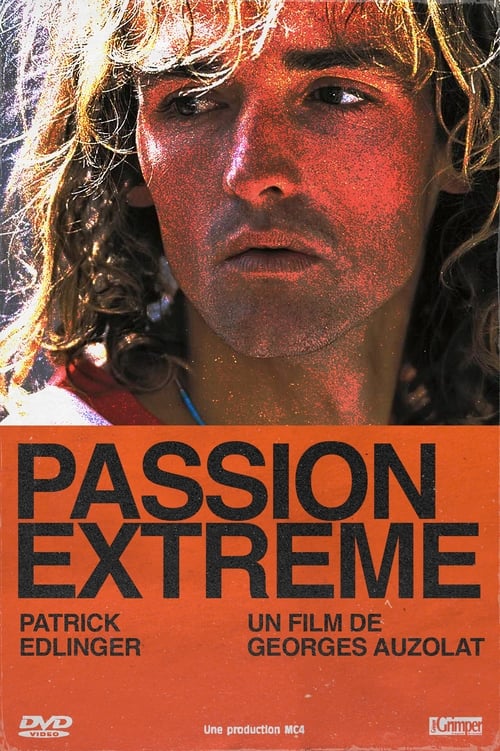
In a vertiginous sequence, Claude Lelouch's camera follows Patrick Edlinger climbing with his bare hands one of the routes of the spectacular Cimaï cliff. The action takes place in the Consensus voice (7c+/8a+) at the Cimaï quarry. In a place large enough where Claude Lelouch had been able to take out his crane to make a vertical trip. Later, in 2013, the foot of the Consensus route will experience landslides, the climbing sector has since been prohibited by municipal decree, huge blocks threatening to fall.
This incisive, urgent documentary examines the history of anti-Black racism in hockey, from the segregated leagues of the 19th century to today’s NHL, where Black athletes continue to struggle against bigotry.
4 young strangers, all war refugees, unite to take on the challenge of summiting Mt. Kilimanjaro, one of the seven summits and the highest peak in Africa. They have been brought together by the charity INARA to shed light on the impact of war on children. The mountain always has a lesson, and often not what we think or expect it to be. Not all will make it to the summit, some will be forced to face dormant personal demons. This is a story of physical and emotional adventure, the rollercoaster of life, and the possibilities that emerge when we stand together.
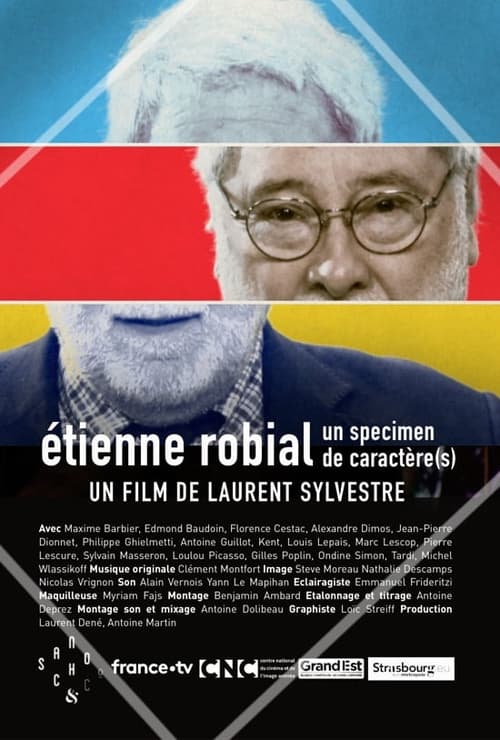
Documentary on the French graphic and visual artist and designer, editor, artistic director, and teacher who is known for his widely-used fonts.
The meteoric ascension of the Big East conference, and how in less than a decade, it became the most successful college basketball league in America.
It's about the legendary 2005 Ashes series, which is arguably the greatest test series ever played, and made 'Freddy' Flintoff an England superstar forever
A documentary profiling the backyard wrestling community in Southern California in the late-1990's.
For the first time in six years, Barbara Morgenstern, pioneer of German-style electronic intimate pop, works on a new album. Her laptop sits on a shoebox, in the privacy of her home she finds first lines and harmonies: “I like to be alone,” one song begins. One by one, musicians join her. Intuitive ideas take shape. A window has opened. Arrangements, rehearsals, recordings follow. Step by step, the music enters public space, images are produced, videos, narratives. Questions arise: New beginning or back to the roots? New Biedermeier or tough political comment? The bigger the band, the riskier the booking. The more crisis-ridden the environment, the more comforting the music-making.