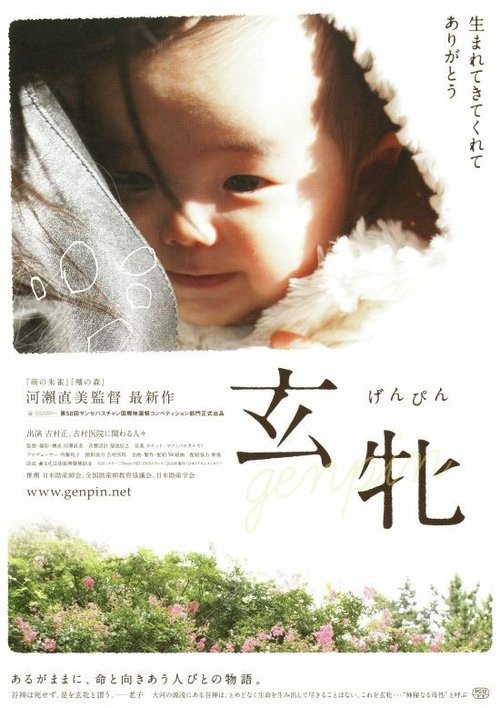
About Tadashi Yoshimura's maternity clinic where he practice "natural births" deep in the forest of Okazaki (Japan).
Trailer
Himself
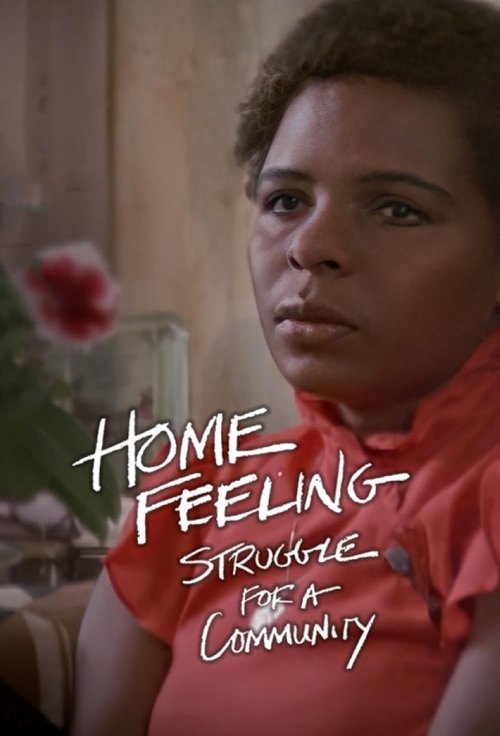
This feature documentary takes us to the heart of the Jane-Finch "Corridor" in the early 1980s. Covering six square blocks in Toronto's North York, the area readily evokes images of vandalism, high-density subsidized housing, racial tension, despair and crime. By focusing on the lives of several of the residents, many of them black or members of other visible minorities, the film provides a powerful view of a community that, contrary to its popular image, is working towards a more positive future.
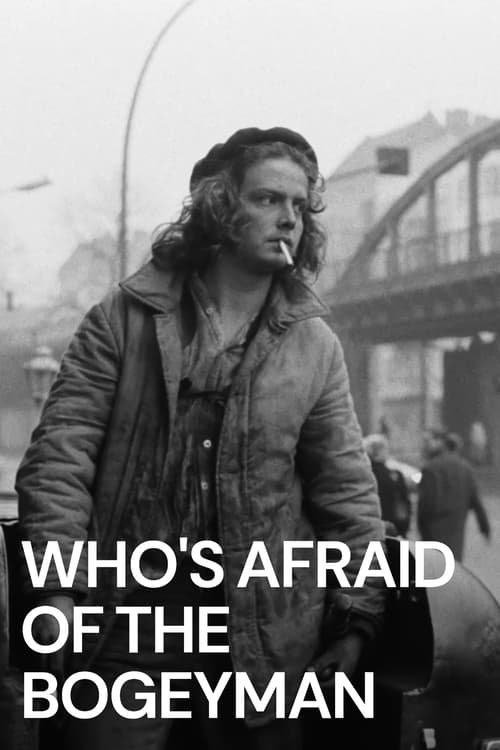
Portrait of a private coal company in East Berlin's Prenzlauer Berg district in 1988/89. The feisty woman boss runs the business with humour and understanding. Her seven male employees respect her. To the outside world, they are all tough guys, but as they describe their jobs and personal situations, above and beyond the hard manual labour, their vulnerability starts to come to light.
Sitting at her typewriter, listening to tango music, she dreams. Buenos Aires and Montevideo are far away, a different world where, long ago, the tango came into being. A dream about dance and music, as well as about unfulfilled desire and wanderlust behind the Berlin Wall.
Photographer Gundula Schulze wrote her graduate thesis on "nude photography of women in East Germany". It's a subject she continues to pursue in her photography. She considers the stereotype of superficial nude photography anachronistic, and talks vividly about being at pains to develop a relationship of trust with the women she photographs. Schulze wants to show what makes up the "whole woman", living up to her position in East Germany. Scenes of women in the professional world have been edited into the film.
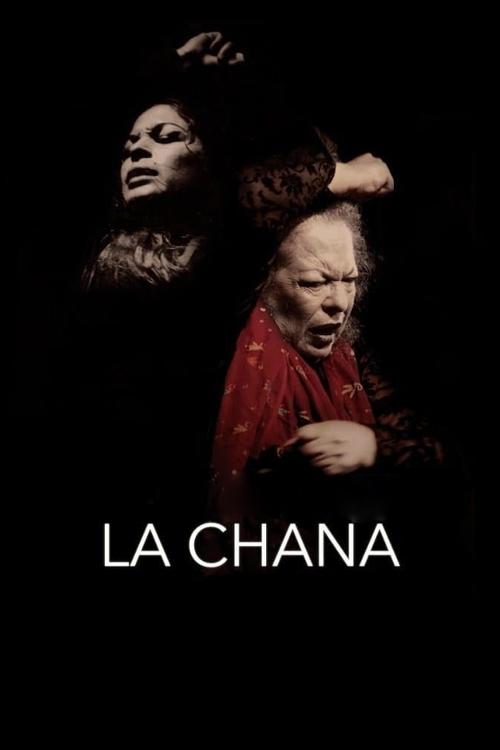
The film brings us under the skin and into the mind of La Chana, a talented Gypsy flamenco dancer as she returns to the stage to give a final seated performance after a 30-year break. Along the way, La Chana reveals the secret behind her disappearance when she was at the peak of her career.
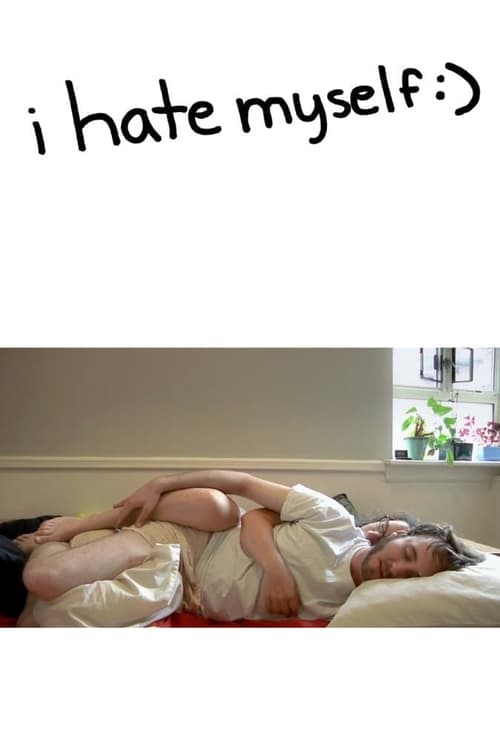
Nebbishy filmmaker Joanna Arnow documents her yearlong relationship with an open-mic poet provocateur. What starts out as an uncomfortably intimate portrait of a dysfunctional relationship and protracted mid-twenties adolescence, quickly turns into a complex commentary on societal repression, sexuality and self-confrontation through art.
An intimate exploration of the masculine territory of the high-rise projects at the edges of Paris. By following a group of young men, we wander through a world where female bodies are nothing more than ghostly and virtual silhouettes. The characters lead us inside everyday places where we hunt down the staging of their virility. Off-screen, narrated personal tales openly reveal the unexpected side to the characters' histories and personalities.
A very personal and dynamic meditation on the current global refugee crisis through the eyes and voices of campaigners, specially children, where past and present establish a dialogue. A reflection on the importance of human rights.
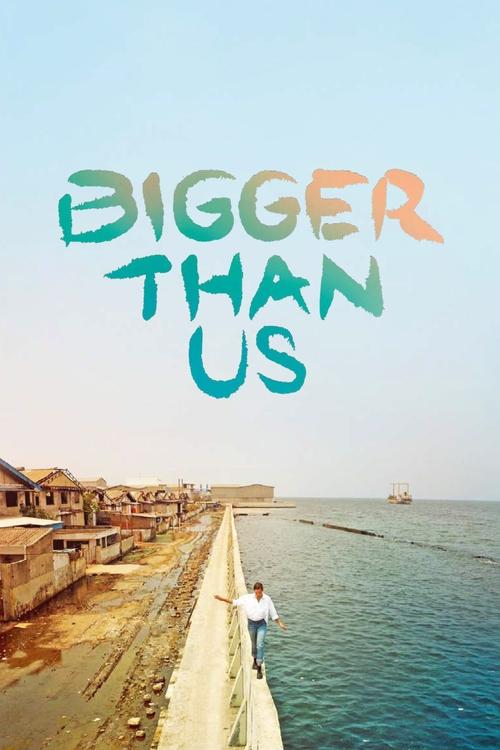
For six years, Melati, 18, has been fighting the plastic pollution that is ravaging her country, Indonesia. Like her, a generation is rising up to fix the world. Everywhere, teenagers and young adults are fighting for human rights, the climate, freedom of expression, social justice, access to education or food. Dignity. Alone against all odds, sometimes risking their lives and safety, they protect, denounce and care for others. The earth. And they change everything. Melati goes to meet them across the globe. At a time when everything seems to be or has been falling apart, these young people show us how to live. And what it means to be in the world today.
Documents a woman's actual pregnancy; the emotions, the affects on her husband and first-born child, the birth itself via Caesarean section, and her struggle to return to work and a social life, while still being a good mother.
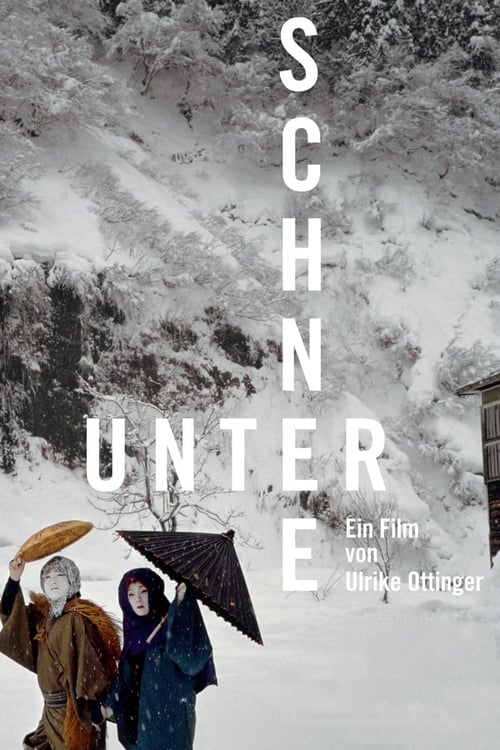
In Echigo, Japan, the snow often lies several feet deep well into May, covering landscapes and villages. Over the centuries, the inhabitants have organised their lives accordingly. In order to record their very distinctive forms of everyday life, their festivals, and religious rituals, Ulrike Ottinger journeyed to the mythical snow country – accompanied by two Kabuki performers. Taking the parts of the students Takeo and Mako, they follow in the footsteps of Bokushi Suzuki, who in the mid-19th century wrote his remarkable book “Snow Country Tales”.
'History is always made in the middle of the night. And when it happens, you are so damned tired, that you couldn't care less,' says Robert Cooper, an EU peace negotiator whose job it is to get Serbia and Kosovo to reach an agreement about peaceful coexistence. National pride and compromise are on everyone's lips, and much is at stake: Kosovo wants to come closer to independence, the Serbs have been promised EU membership if they can reach an agreement, and the EU tries to strengthen its credibility. But how far is each party willing to go? It is the unique characters that make this fascinating film about a delicate political game so vivid and loveable. The stoic, Serbian negotiator has a great passion for rock music, his colleague from Kosovo does not want to miss out on his daily visit to the hairdresser, and Cooper himself has a closet full of ties - one for every conceivable occasion.
Actress Rosie Perez makes a stunning directorial debut in this heartfelt tribute to Puerto Rican pride. She takes an in-depth look at the complex and often controversial history of Puerto Rican-U.S. relations. By turns shocking and celebratory, this wide-ranging documentary examines such rich themes of the Puerto Rican experience as family, language, and racism, all with careful consideration of historical context.
Père-Lachaise - one of the world's most famous and beautiful cemeteries - is the final resting-place of a gifted group of artists from all eras and corners of the world. Some - such as Piaf, Proust, Jim Morrison and Chopin - are worshiped to this day. Others have fallen into oblivion, or are visited occasionally by a single admirer. In Forever we see the mysterious, calming and consoling beauty of this unique cemetery through the eyes of people of flesh and blood. Many come for their 'own' beloved: husbands, wives, family and friends. Others Honor 'their' artist by leaving behind a personal message or a flower. While admirers share with us the importance of art and beauty in their lives, the graveyard gradually reveals itself as a source of inspiration for the living. Death offers little consolation except for the passing of time, the melancholia of a moss-covered tomb, and the beauty and power of a piece of music, a poem or a painting Written by Cobos
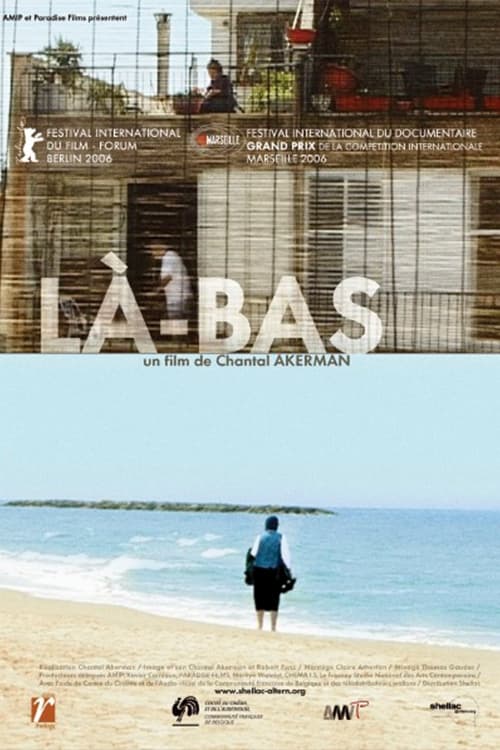
Akerman spends a brief period on her own in an apartment by the sea in Tel Aviv. She films from the apartment and in her narration she talks about her family, her Jewish identity and her childhood. She wonders whether normal everyday life is possible in this place and whether filming is a realistic option.
A documentary on the German Women Football National Team and the 2011 FIFA World Championship in Germany.
The Sea [Morze] is a 1933 Polish short documentary film directed by Wanda Jakubowska. It was nominated for an Academy Award in 1933 for Best Short Subject (Novelty).
My Really Cool Legs! follows a group of pediatric amputee athletes who challenge themselves beyond their disability. Led by their amputee mentor and coach, these kids dance and ski, ice skate and run, refusing to let their disability define who they are and what is possible.
After several farmyard analogies featuring chicks and calves, the well-spoken narrator and director of the film, Winifred Holmes, considers the subject of girls and how they reach adulthood and readiness for the 'important job of motherhood.
Reporter Clay Pigeon interviews New Yorkers in October, 2008.