Self
A look at the state of the global environment including visionary and practical solutions for restoring the planet's ecosystems. Featuring ongoing dialogues of experts from all over the world, including former Soviet Prime Minister Mikhail Gorbachev, renowned scientist Stephen Hawking, former head of the CIA R. James Woolse
Recent studies show that insects are in decline across the globe and there may be a direct connection between the current climate crisis and these declining populations. DESYNCHRONIZED focuses on Pope Canyon Queens, a beekeeping and queen breeding company in Northern California. Pope Canyon Queens is currently trying to rebuild after the 2020 LNU Lightning Complex fires destroyed their farm, shop, and half of their hives. Their crucial work to breed honey bee queens with stronger genes fortifies beekeepers' hives across the country while they face the effects of climate change and unregulated industries. Dr. Nicholas Teets, PhD Entomology, explains how shifts in phenology are predicted to cause bigger issues. Howard Goldstein, Senior Forest Ecologist at the Prospect Park Alliance explores how community gardens and green spaces in large metropolitan areas may help insect populations recover from loss of habitat and food scarcity.
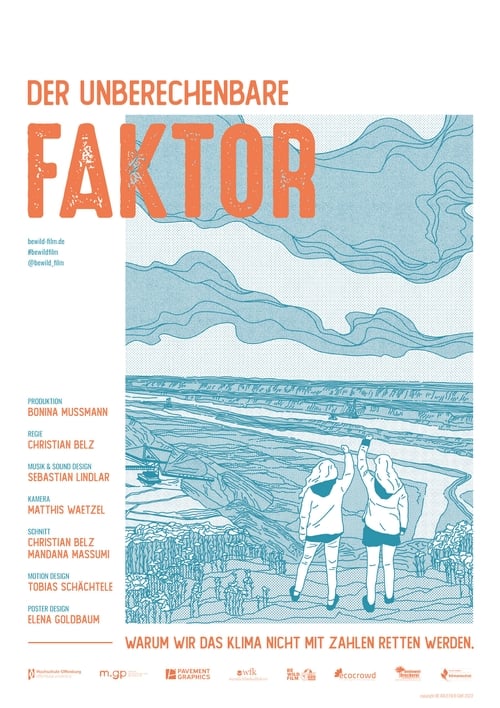
In today's climate debate, there is only one factor that cannot be calculated in climate models - humans. How can we nevertheless understand our role in the climate system and manage the crisis? Climate change is a complex global problem. Increasingly extreme weather events, rising sea levels, and more difficult living conditions - including for us humans - are already the order of the day. Global society has never faced such a complex challenge. For young people in particular, the frightening climate scenarios will be a reality in the future. For the global south, it is already today. To overcome this crisis, different perspectives are needed. "THE UNPREDICTABLE FACTOR" goes back to the origins of the German environmental movement, accompanies today's activists in the Rhineland in their fight against the coal industry and gives a voice to scientists from climate research, ethnology and psychology.
The lives of Ruth, Philipp, and Anja are directly linked to coal. And so they are also directly affected by the debate surrounding the coal phase-out. They are concerned about their future, but from different perspectives and in different ways. The days of coal are numbered. A coal commission is currently working on a concept for phasing out coal that includes an end date for lignite mining and power generation while ensuring that the climate protection target for 2030 is achieved. Germany already generates almost 40 percent of its electricity needs from renewable energies.
No overview available.
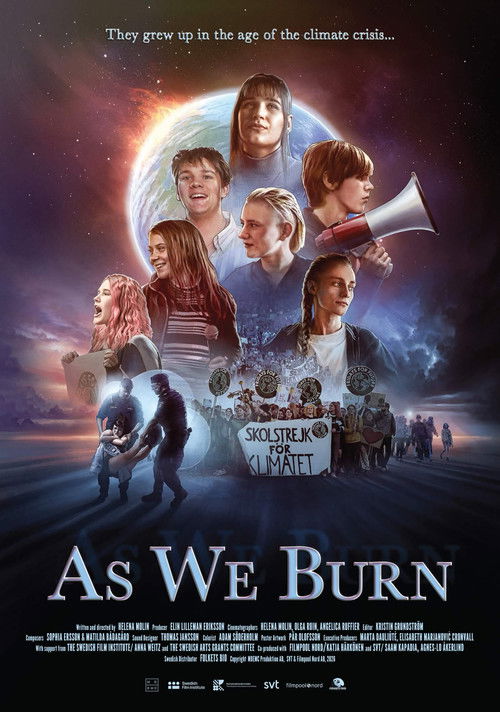
It begins at the margins of power: a few teenagers protest outside parliament, cardboard signs in hand and an unyielding determination in their eyes. From there, Helena Molin’s long-term portrait unfolds—of a generation forced early on to confront the ruthlessness of politics. Their fight for the climate and for justice runs parallel to a life that should be about friendship, play, and future dreams, but is repeatedly interrupted by the failures of the adult world. The result is an intimate and powerful depiction of what happens when moral responsibility is placed in the hands of those still searching for their place in the world.
For Los Angeles natives living in the early 1900s, bicycles and streetcars shared the road as our primary modes of transportation. But the arrival of the freeway effectively wiped them out. Today, a collective of cycling communities fight for protected bike lanes and road safety, determined to bring a new era of mobility justice to the city.
Following fateful scientific reports, protestors pose the argument for a better future against the vested interest of industry. Small to large, individual to collective, where do I fit into this?
At Brandenburg Gate in Berlin, a man jumps over a barrier. Within seconds, five police officers catch him and push him to the ground. He laughs loudly. Evidently, this is exactly what he was aiming for. Dario is disappointed with current climate policies and sees only one solution: strike out and resist. His resistance has already led to several outstanding criminal proceedings against him in Germany. A request from Switzerland comes at just the right moment to prove himself further: the activist group “Klimastreik” is looking for someone who is willing to commit a “crime”.
In Abby Martin's second feature documentary, Earth’s Greatest Enemy reveals a hidden truth behind the climate crisis: the role of the U.S. military as the world’s largest institutional polluter. Drawing on powerful testimonies from veterans, scientists, and frontline communities, it uncovers how military operations poison ecosystems, accelerate global warming, and sacrifice the future for endless expansion. From Alaska’s melting glaciers to contaminated bases across the U.S. and toxic battlefields abroad, Earth’s Greatest Enemy delivers a provocative and unflinching examination of the untouchable institution playing an outsized role in the climate crisis.
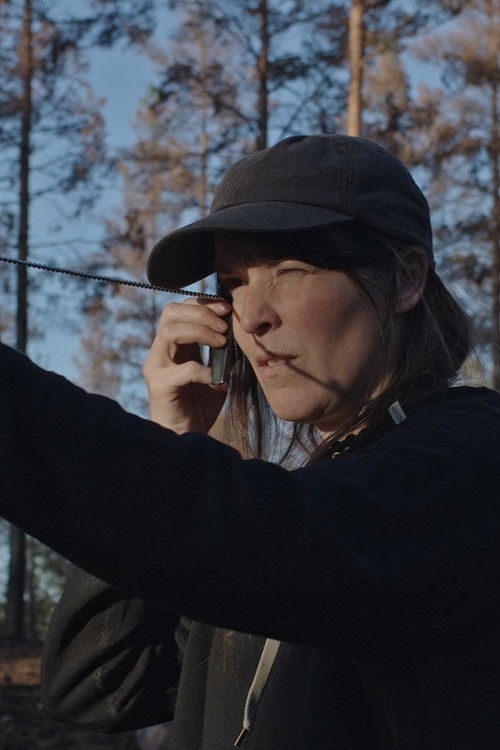
Four stories from the Nordic region paint a picture of a changing natural world, where the elements rage and where being prepared proves to be much more than sandbags and fire extinguishers.
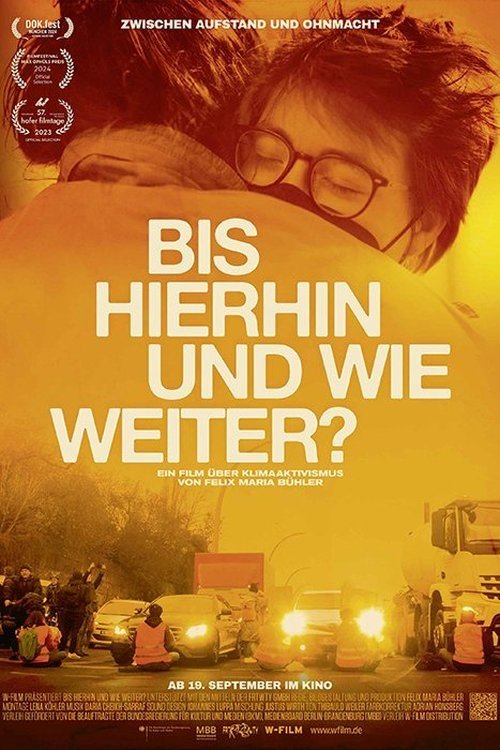
After their hunger strike in Berlin's government district, 5 climate activists reunite. While Lina has joined the "Last Generation," her comrades prepare for the eviction of Lützerath, a village facing demolition for mine expansion. How far will they go for their ideals?
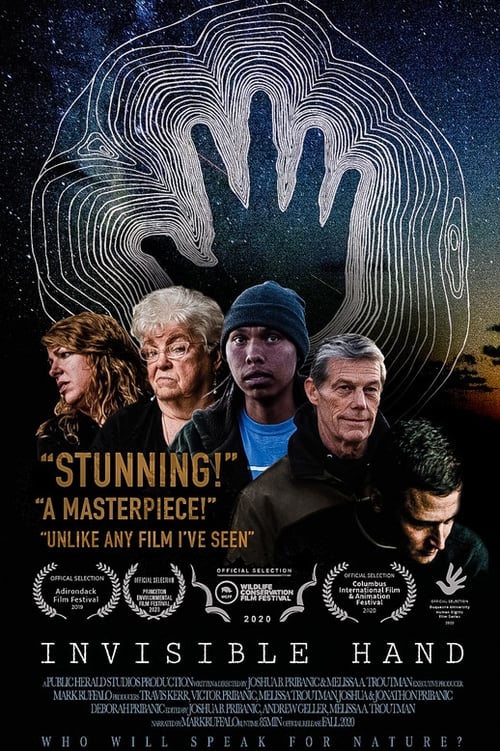
INVISIBLE HAND is a “paradigm shifting” documentary about the creation of ‘Rights of Nature.’ The defining battle of our times where nature, democracy and capitalism face off in rural America. From Executive Producer Mark Ruffalo comes INVISIBLE HAND, the world’s first documentary film on the Rights of Nature Movement. A “paradigm shifting” story about the fate of capitalism and democracy where we find out "Who speaks for Nature?"
The loss of biodiversity is highly alarming: our planet is currently experiencing the greatest extinction since the age of the dinosaurs. This film documents the extinction of species currently happening around the world. But it also highlights hopeful initiatives as committed men and women on every continent fight to save endangered species and work towards improving biodiversity.
Nick Beake travels to Norway to meet the young people taking on their government in an attempt to prevent further drilling for oil and gas. They believe their country's export of fossil fuels is putting the planet in peril, and it's one of many similar fights emerging across Europe.
No Trailers found.