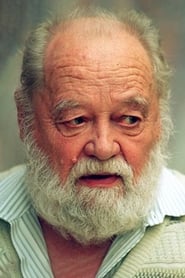
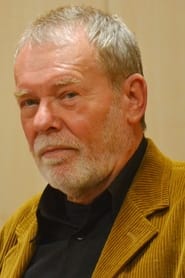
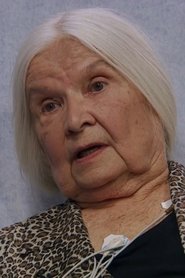
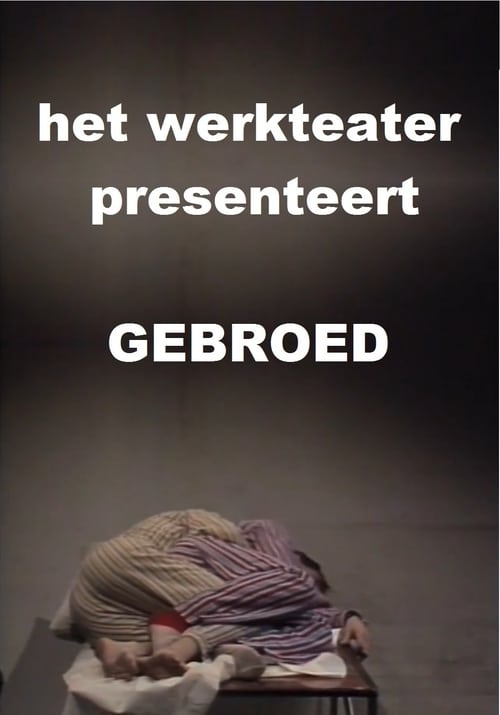
Television recording of the theatre play 'Gebroed' by the Werkteater from 1983. The play, written and performed by Frank and René Groothof, is about their childhood together, their relationship to each other and to their parents, their conflicts, but also their shared love for theater and music.
A film based on the 1890s play of the same name, The Village Postmaster surrounds a love triangle and the implications of love, deceit, and fraud.
Nadan is the story of a popular drama troupe owned by Devadas Sargavedi (Jayaram), which was previously possessed by his father and grandfather in the past, and speaks about the problems faced by the owner and his survival. The revival of this mighty art through the sustained effort of the talented theatre artists forms the crux of the narrative.
A fusion of film and theatre based on the play of the same title by Micomicon. The film shows the play and its creative process. After her mother's death, Antonia finds a box which takes her and her daughter on a trip through Europe to former Yugoslavia. Remembrance, exhumations and wars. Life will not be the same.
No overview available.
When an old adversary threatens Rome, the city calls once more on her hero and defender: Coriolanus. But he has enemies at home too. Famine threatens the city, the citizens’ hunger swells to an appetite for change, and on returning from the field Coriolanus must confront the march of realpolitik and the voice of an angry people.
After being dumped by her live-in boyfriend, an unemployed dancer and her 10-year-old daughter are reluctantly forced to live with a struggling off-Broadway actor.
A staging of Florian Zeller's play "The Father" by Ladislas Chollat.
A boy who was once a perpetual outcast finds friends in a new boarding school. United with his new peers, he gets involved in a heated rivalry with a group of students from a neighboring school.
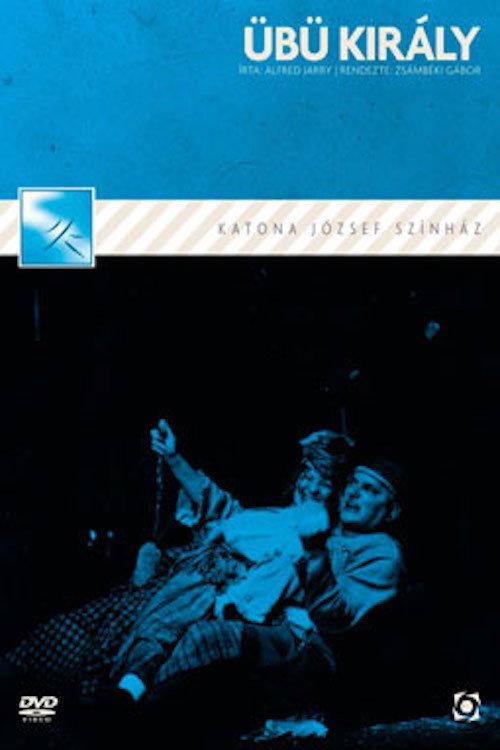
The Empty King created a mythical figure and a whole world from grotesque, archetypal images. The drama was originally conceived as a student tirade against a teacher at Jarry's school, the Lyceum of Rennes. This teacher, Hébert, was the target of public ridicule. In 1888, at the age of 15, Jarry wrote a puppet play about the exploits of the Woolly Tartar and staged it to the amusement of his friends. The figure of Übü is a crude, cruel caricature of the foolish, selfish bourgeoisie as seen through the unrelenting gaze of a schoolboy; but this Rabelaisian figure, in all his falstaffian greed and cowardice, is more than a mere social satire. It is a terrifying picture of man's animal nature, his evil and cruelty. The Katona József Theatre in Budapest premiered Jarry's play in 1984, and it ran continuously for more than 10 years.
Neil Oliver and Tony Pollard set out to solve one of the biggest puzzles in battlefield archaeology. 700 years ago, Robert the Bruce's overwhelming victory over the English at the Battle of Bannockburn helped seal Scotland's future as an independent kingdom, although the actual location remains a mystery. With the help of leading battlefield archaeologists, stuntmen, computer-generated graphics and some digging, Neil and Tony go in search of both the real and imagined Battle of Bannockburn.
While writing an adaptation of the play "4.48 Psychosis", by English playwright Sarah Kane. Luisa (Ingrid Trigueiro) travels to a desert beach with her family. Immersed in the text, Luisa finds the work's impulses increasingly immersed into her own reality, driving her to the threshold of adaptation and delirium. Between theater, sketch, archival images, and complex memories and family relationships, Arthur Lins uses different staging references to compose a small tropical tale about complex creation process.
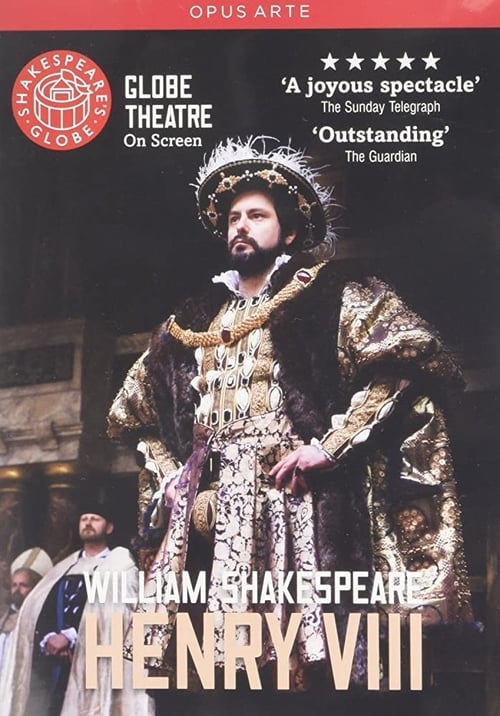
The Tudor Court is locked in a power struggle between its nobles and the Machiavellian Cardinal Wolsey, the King's first minister and the country's most conspicuous symbol of Catholic power. Wolsey's ambition knows no bounds and when his chief ally, Queen Katherine, interferes in the King's romance with Ann Bullen, he brings ruin upon himself, the Queen and centuries of English obedience to Rome.
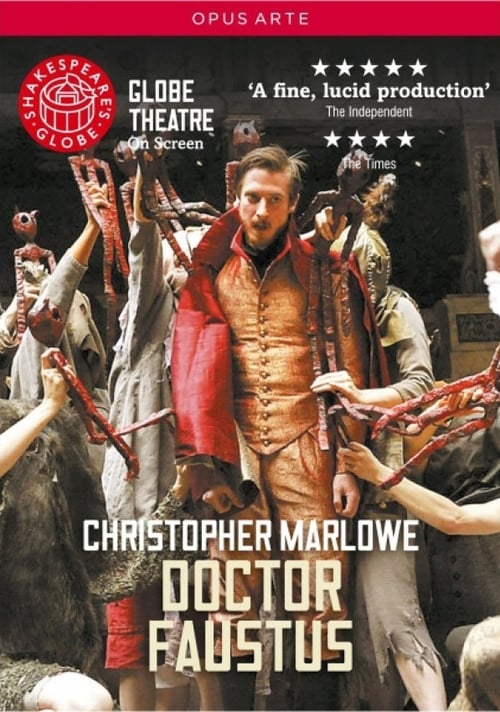
Doctor Faustus is Christopher Marlowe's most renowned and controversial work. Famous for being the first dramatised version of the Faustus tale, the play depicts the sinister aftermath of Faustus's decision to sell his soul to the Devil's henchman in exchange for power and knowledge. In the first-ever staging of this menacing drama at the Globe Theatre, Matthew Dunster's production features Paul Hilton as the arrogant, power-hungry Faustus and Arthur Darvill as the sardonic Mephistopheles, and includes several impressive magical stunts along the way.
As a new school year begins at Seisho Music Academy, nine third-year students in Class A of the Actor Training Department deepen their bonds as they approach graduation. They reminisce about their growth and face uncertain futures while preparing for classes. The story revolves around their determination to pursue their dreams and the challenges they encounter during the Giraffe's Revue, highlighting their growth and transition to the next chapter of their lives.
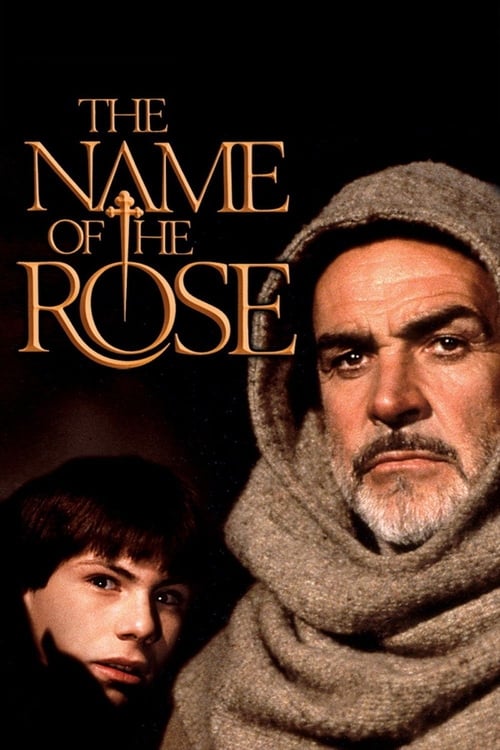
14th-century Franciscan monk William of Baskerville and his young novice arrive at a conference to find that several monks have been murdered under mysterious circumstances. To solve the crimes, William must rise up against the Church's authority and fight the shadowy conspiracy of monastery monks using only his intelligence; which is considerable.
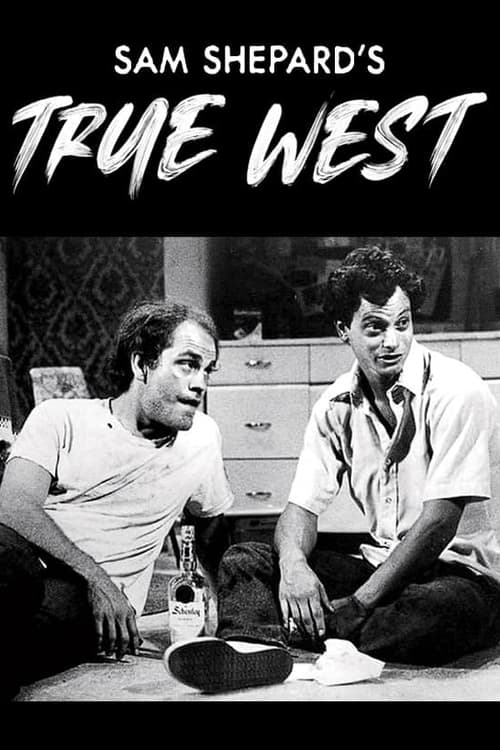
A screenwriter gets conned out of selling a script to a Hollywood producer by his brother, who pitches his own idea for a movie. This video recording of the 1982 Steppenwolf Theatre Company production was later broadcast by PBS.
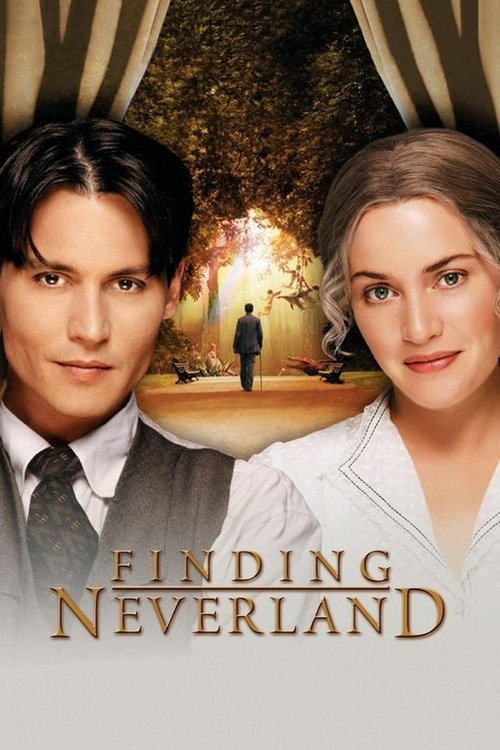
During a writing slump, playwright J.M. Barrie meets a widow and her four children, all young boys—who soon become an important part of Barrie’s life and the inspiration that lead him to create his masterpiece. Peter Pan.
The play tells a new original story that features characters from the Shōjo☆Kageki Revue Starlight Re LIVE mobile game, featuring and primarily focused on the Edels and Junior High students of Siegfeld Institute of Music. It also features all three Seiran General Art Institute students, as well as Claudine Saijo from Seisho Music Academy, Fumi Yumeoji from Rinmeikan Girls School, and Shizuha Kocho from Frontier School of Arts.
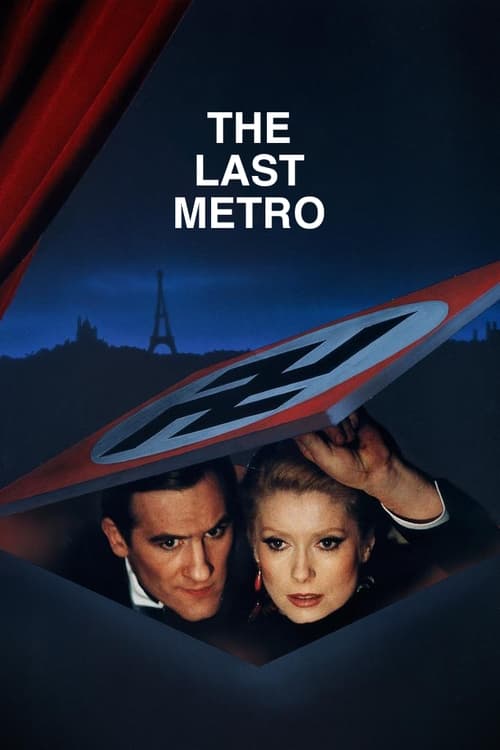
In occupied Paris, an actress wed to a Jewish theater owner must keep him hidden from the Nazis while doing both of their jobs.
No Trailers found.