Through the daily life of a Japanese family living in the Hiroshima of the nineties, this documentary uses valuable testimonies to reflect on how these people continue to overcome the atomic bombing of 1945.
No Cast found.
Trailer
No overview available.
Pulitzer Prize -- winning journalist John Hersey caused a sensation when he published "Hiroshima", the first account for American readers of the horror experienced by victims of the 1945 Hiroshima atomic bomb attack. "Hiroshima" stunned readers with its descriptions of the terrible aftermath of the bombing, yet Hersey never spoke about his experience in Hiroshima.
Explore how one man's relentless drive and invention of the atomic bomb changed the nature of war forever, led to the deaths of hundreds of thousands of people and unleashed mass hysteria.
This documentary re-examines the story of the Red Orchestra: the most important resistance network in Nazi Germany, whose operations extended from Berlin and Brussels to Paris.
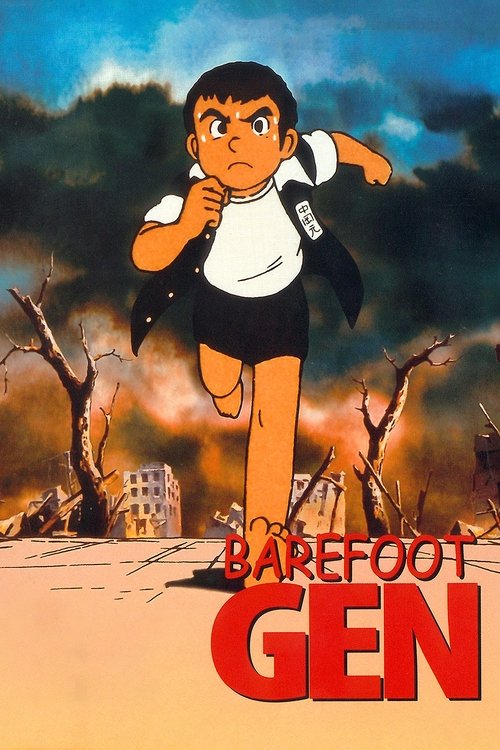
A story about the effect of the atomic bombing of Hiroshima on a boy's life and the lives of the Japanese people.
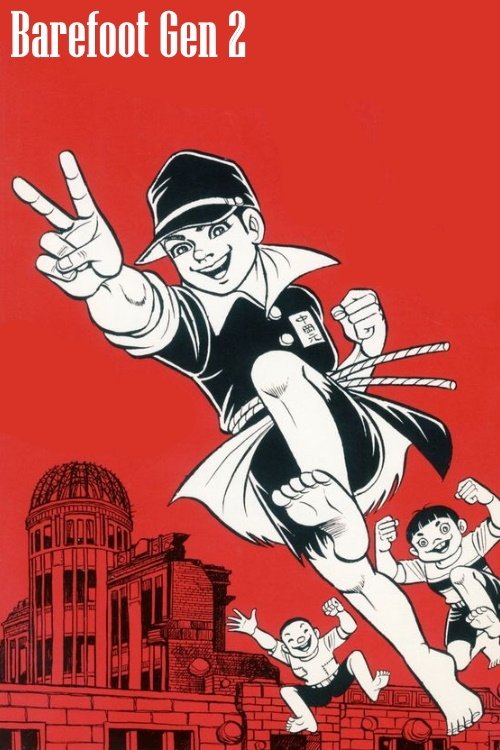
Three years after the Hiroshima bombing, a teenager helps a group of orphans to survive and find their new life.
National Geographic 2011 Documentary on the World's Biggest Bomb (UK).
Because of a technical defect an American bomber team mistakenly orders the destruction of Moscow. The President of the United States has but little time to prevent an atomic catastrophe from occurring.
Four hard-hitting stores, from the deadliest period in U.S. Army Aviation, since Vietnam. Actual footage from the events, and interviews from the Soldiers, who were there - bring these intense and touching stories of courage and sacrifice to life.
May 1945. Victory. Triumph over Nazi Germany. And already, history is being rewritten. The story of a France liberated by its people, resistant at heart, united against oppression. In our memories, we see the faces of heroes: Gaullists and Communists. We forget the origins of the struggle. That of the very first men and women, left-wing, right-wing, communists, far-right, apolitical... who, individually and from June 17, 1940, said "no." A visceral and spontaneous "no" in a France that said "yes," rallying behind Pétain. A "no" from the heart and courage, fueled by the will to act in the name of freedom. They started from nothing, had to invent everything, risk their lives and those of their loved ones. They are the heroes, those who, in isolation, stood up at once and chose to disobey, whatever the cost, even to the point of self-sacrifice. Alone against all...
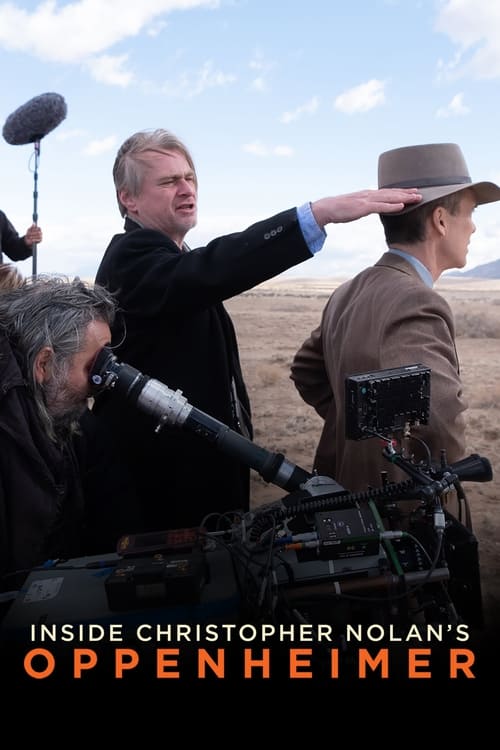
A look behind the scenes of Christopher Nolan's film "Oppenheimer" about an American scientist and his role in the development of the atomic bomb.
A terrorist drives a car to Hamburg's Rathausmarkt and unloads an unknown device that he claims can cause radioactive contamination. A special unit tries to subdue the man, but this reveals that the only way to prevent the explosion is to constantly readjust a transmitter, so they have to let him go.