When little Dot and little Tot hear about the Easter Eggs, the stork and the Easter Babies, they are very anxious to be the possessors of a little baby brother and sister.
No Trailers found.
The Father
The Mammy
The Mother
A maid is forced to take the place of the lady of the house when she is temporarily incapacitated.
Barry Baline, a guard at a subway station, has worked at his job for six years without a day off. One New Year's Eve he's told that he won't be needed until the next morning, so he decides to go out for a night on the town. As it turns out, however, his "celebrating" is short-lived--he is knocked down by a large, luxurious car driven by a man wearing expensive evening clothes. Complications ensue.
Small brothers are the bane of love affairs. The inimitable Cutey, reporter on a country paper, is courting Ethel Clark, the editor's daughter, and having a lively time with her small brother Tommy. The editor declares that unless Cutey brings in some live news he will be fired--and forbidden to call on Ethel anymore. So Cutey takes matters into his own hands and creates a sensation!
Housemaid Belinda finds a pin on the doorstep, taking it as a sign of good luck, just before a young man arrives looking for a room. The landlady, Ophelia, falls for the boarder at first sight. A policeman finds a fortune-teller's card, which Belinda takes to Ophelia. The two women visit Madam Miriam, who tells Ophelia a young blond man will fall in love with her. Both Ophelia and Belinda assume this refers to their new boarder, Sidney. Sidney, short on cash, tries to stay in Ophelia's good graces by taking her out for ice cream. While they are out, Belinda searches his room and finds a photograph of Sidney's wife, who is none other than the fortune-teller, Madam Miriam. Belinda is shocked by the discovery, revealing that the "omens and oracles" that fueled Ophelia's romantic hopes were part of a deception orchestrated by the boarder and his wife.
Alice takes her little siblings Billy and Kitty to a matinee. They immediately become imbued with the wonderful idea that they are actors. They set up a miniature stage of their own in the summer house on the grounds. They spy upon their sister and her sweetheart Bob, and reproduce their affairs. A quarrel furnishes material for an interesting production, which is a revelation and a lesson to Bob. He goes and makes amends, acting upon the suggestions of the performance.
Mrs. Letitia Summers, owner and principal of an exclusive boarding school, decides to give her two nieces an education while deciding which will be her heir unbeknownst to them. She writes each a letter, stating that a lady of means has provided for their education at Mrs. Summers' seminary. Edith and May are both delighted with the news, but while Edith leaves with her modest belongings May immediately demands a lot of new things to satisfy her vanity and desire to make a great impression. May attracts considerable attention upon her arrival but Edith, in her modest wardrobe, is received with disparaging remarks. Both do well in their studies but on graduation day Mrs. Summers calls the two girls into her private office and tells them that she is their aunt, and she has chosen Edith as her heir in recognition of her kindness and thoughtfulness towards others, particularly towards her poor mother.
We all remember the boy who cried wolf so often that when the wolf really did come the people did not believe it. Little Billy must never have heard this, or had forgotten it. His sisters Martha and Jane are very fearful of burglars entering their room, and their little brother decides to play a joke on them.
Bill Grimm, a taxicab driver, falls in love with Barbara Baxter, from Lyons, New York, the minute she steps off the train, and has him take her to Mrs. Whipple's boarding house, in spite of the interference by Jack Fairfax, Bill's rival. Boarders at Mrs. Whipple's include a prizefighter named "Butch,", his manager O'Brien, and Pansy the maid. This first entry in the series introduces the leading characters in the future films, and a few comical interludes.
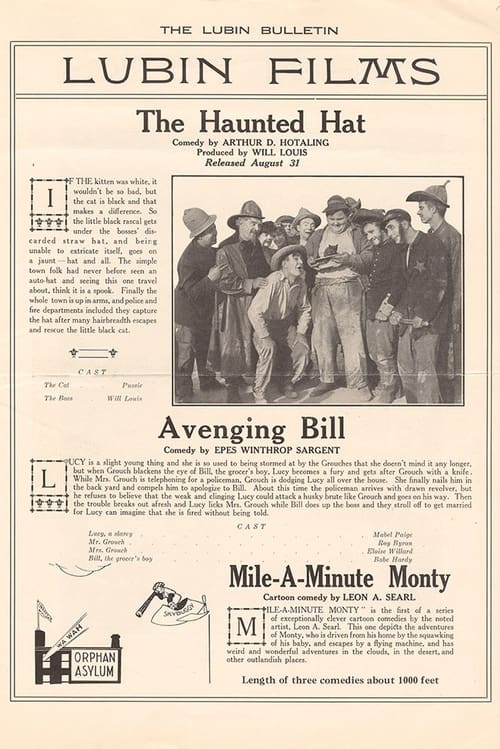
Lucy works for the Grouch family, and is used to being overworked and abused. But when Mr. Grouch punches her sweetheart, Bill, she has had enough. She grabs a knife and chases Mr. Grouch until he apologizes to Bill.
Hezekiah Dill is a meek clerk in a store in a small town. One day a pair of criminals robs the store safe, but Hezekiah manages to lock them in the safe, and begins to pick up their intended loot. He suddenly realizes that all this money would enable him to become the "Broadway Sport" he's always wanted to be, so he goes for it. Complications ensue.
At his father’s insistence Billy Drake heads to the family’s South American ammunition company as an emissary. Before leaving, however, the movie-struck Billy spots a beautiful woman standing in front of a theater and imagines that she is a film star. To his delight, he finds the woman on board his ship, as well as political agitator Count Von Nuttenburg who has stolen a movie camera, thinking that it is a new brand of machine gun. Von Nuttenburg shows the camera to Billy. Thinking the Count is a director, and the ship a set for a movie melodrama when the boat lands at a port torn by revolution, Billy insists that the guns and soldiers are part of the show. Not until he and the girl are seized by the rebels and threatened with death, does he admit his error. By a clever ruse, he escapes from his captors and with the help of Federal troops defeats the Count and wins the heart of his pretty shipmate.
"Peg" O'Connell, a cheerful, unrefined Irish girl from a fishing village, moves in with her wealthy, haughty aunt, Mrs. Chichester, in England to satisfy the terms of her grandfather's will. Peg faces cold treatment from her aunt and cousin, who are in financial trouble and covet the inheritance, creating a "clash of classes" dynamic. Peg falls for Jerry, a family friend who is actually Sir Gerald Adair, the executor of her estate and her guardian. After overcoming misunderstandings and an attempt to return to her father, Peg finds happiness, love, and acceptance, with the story highlighting the superiority of her honest nature over aristocratic snobbery.
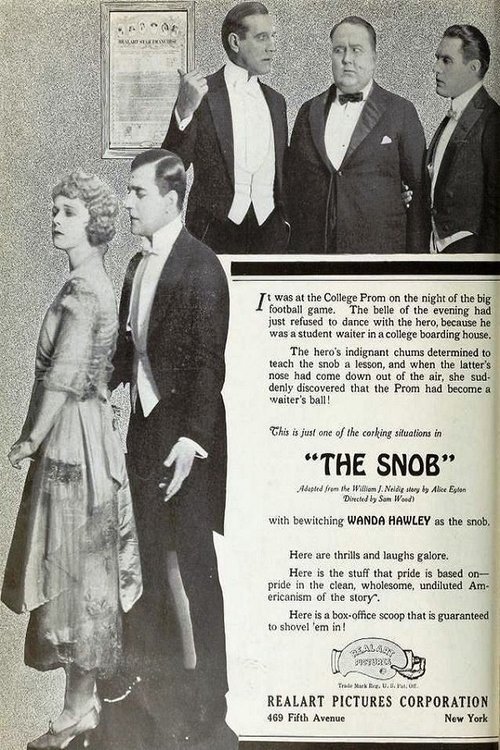
At a college dance, Kathryn meets popular football hero, Bill Putnam. However, after discovering he is working his way through school as a waiter, she strikes his name from her dance card in disgust. Bill's wealthy friends decide to teach her a lesson by pretending that they are also waiters. Humiliated, Kathryn flees the party in a rage. After reflecting on her behavior, Kathryn realizes that work and service are virtues. To atone for her previous elitism, she takes a job as a waitress at a restaurant. Bill's friends eventually spot her working and inform him of her change of heart. Bill rushes to her, proposes marriage, and is eventually put in charge of her father's oil interests.
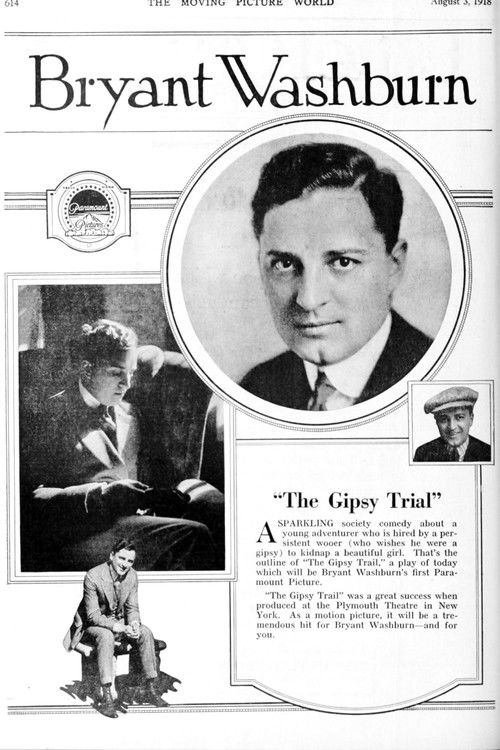
Edward Andrews, a generous but fainthearted young man, loves Frances Raymond, who believes herself to be an incurable romantic. Edward realizes that Frances would love to be whisked off and romanced, but because he is too timid to abduct her himself, he hires Michael Rudder, a breezy young Irish reporter, to do the deed. Michael's dashing manner entrances Frances, but the Irishman prefers the unencumbered life of a rover to that of a husband, and after he delivers her to the home of Edward's grandmother, he wanders away to a gypsy camp. Frances is so downhearted from losing Michael that the kindly Edward finds the reporter and convinces him to propose to the girl. Frances, moved by Edward's goodness, decides that he is the man she really loves and returns to him.
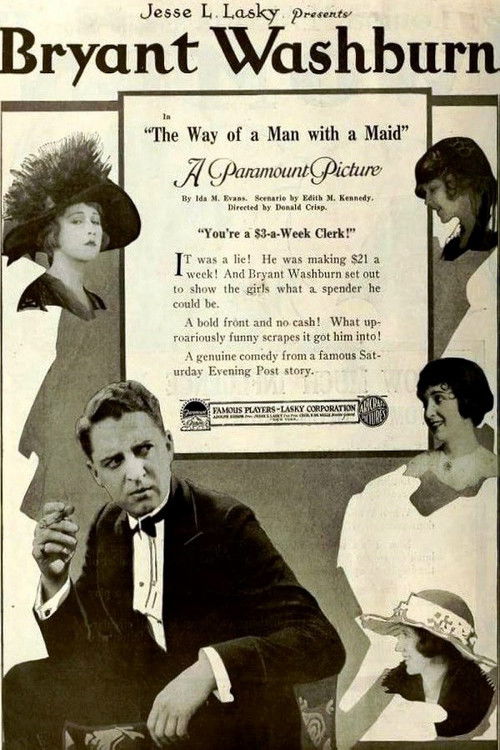
When shipping clerk Arthur McArney falls in love with pretty stenographer Elsa Owenson, he finds himself in stiff competition with a fat but wealthy broker named Sankey. Elsa's expensive tastes lead Arthur to spend a week's salary on an evening's entertainment, part with his watch to pay their taxicab fare, and borrow money from his friends to buy her extravagant gifts. Finally, Arthur is forced to take on odd jobs and night duty, which so impresses his employer, Hallet, that he gives the clerk a small raise. After Arthur spends $200 on the proper attire to wear to a lavish Halloween party, Hallet calls him to the office that evening, and Elsa attends the affair with Sankey. To reward his employee's dedication, Hallet promotes Arthur to the post of branch manager. Elsa accepts Arthur's marriage proposal with the promise that she will henceforth economize.
When he loses both his father’s canning factory and his girl “Tiny” to Stephen Douglas modest Simpson Hightower goes to work in a New York provisions office along with stenographer Hope and office boy Jimmy. To impress the Danish consul who is proposing a large contract Hope and Jimmy persuade Simpson to return to his hometown posing as a successful businessman accompanied by his secretary "Pep" and valet Jimmy. It works! Simpson manages to get the Danish contract, buy his factory back and realize Tiny’s worthlessness while recognizing his love for "Pep."
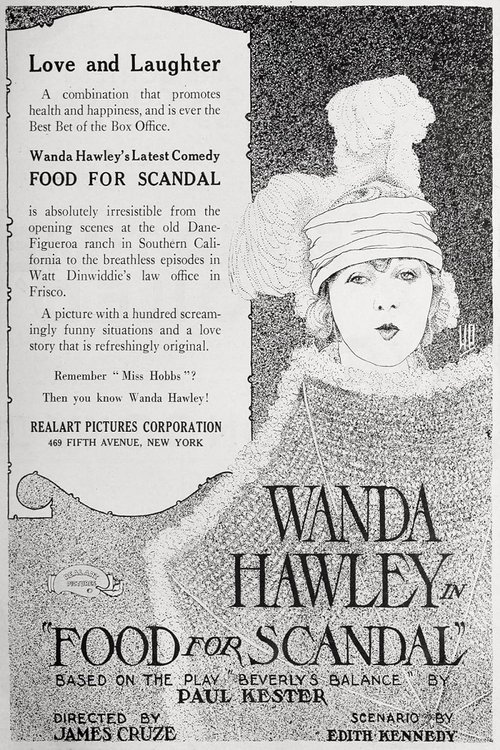
June Arbuthnot tries to make her bored husband jealous by feigning a scandal with another man, which ultimately backfires when the ruse becomes too believable.
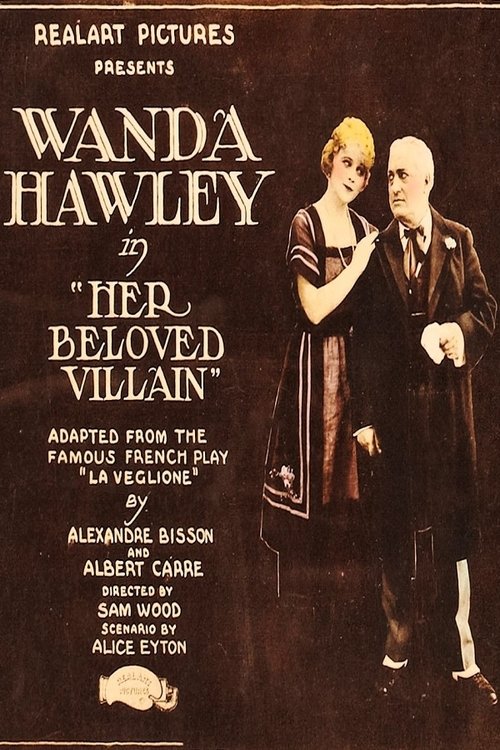
Wealthy French lawyer Louis Martinot must travel away on business. He entrusts his friend, Paul Blythe, with a delicate task: to investigate the background of a young woman named Susanne Bergomat. If Paul deems her family suitable, he is authorized to propose marriage to her on Louis’s behalf. However, upon meeting Susanne, Paul immediately falls in love with her himself. To secure her for his own, Paul concocts a lie, telling Louis that Susanne's family is unsuitable because her mother is insane. Paul then proposes to Susanne directly and is accepted. The "villainous" deception eventually unravels, leading to a series of comedic complications as the truth about Paul's lies comes to light.
Samuel Butters breaks his engagement with Belle Bright—a strict ranch owner—to marry Violet White after falling for her at a summer hotel. Despite Belle withholding his investment money and threatening foreclosure on his struggling, family-filled new home, the twins' charm changes her heart.
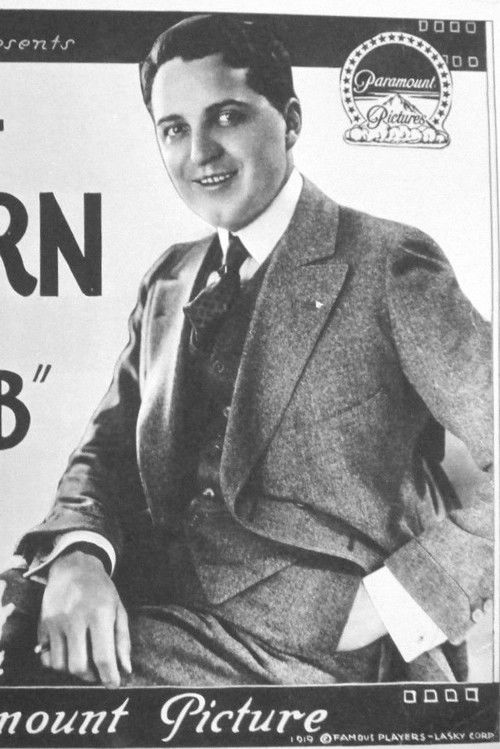
Although she finds the stiff Bostonian manners of her fiancé, Robert Ames, unsuited to her temperament, artist-illustrator Sheila Athlone refuses to illustrate an author's story because of its "absurd" premise that a girl would kiss a man she met only 4 hours earlier. Author Brian Moore, setting out to prove his point, poses as a butcher boy and induces her to ride out to a country orchard. His advances are refused until he saves a child from an explosion, and 2 minutes before the time limit, in admiration of his bravery, she allows him to kiss her.