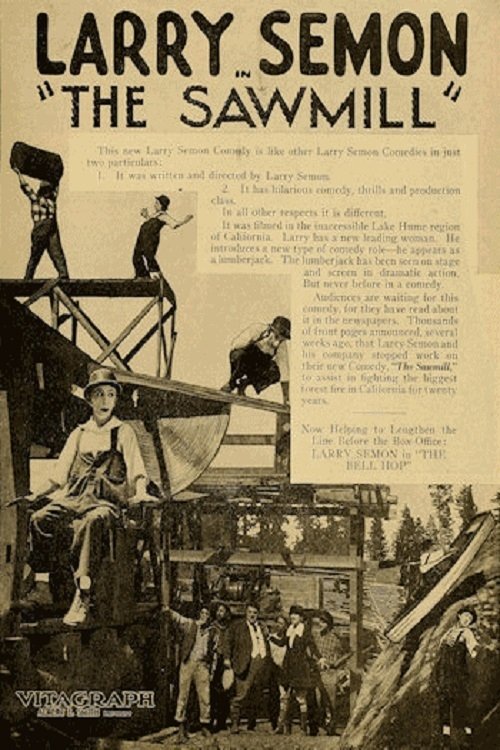
A bumbling sawmill employee tries to win the hand of the owner's daughter while staying out of the clutches of the mill's bullying foreman.
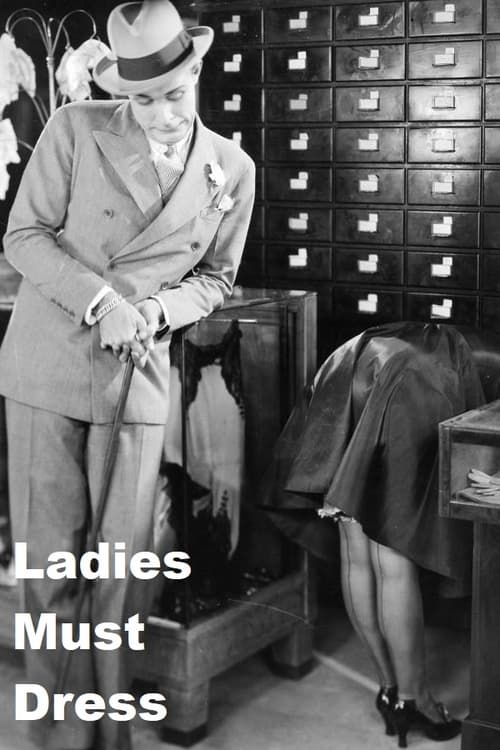
Joe and Eve are engaged, but Joe cannot help contrasting the drabness of her attire with the dressy clothes of their friends. Eve overhears him talking of this and breaks with him. Then, with the help of her friend, Mazie, she metamorphoses into a ravishing beauty. Joe is remorseful, but the situation is made more complex when he suspects Eve of questionable relations with her boss.
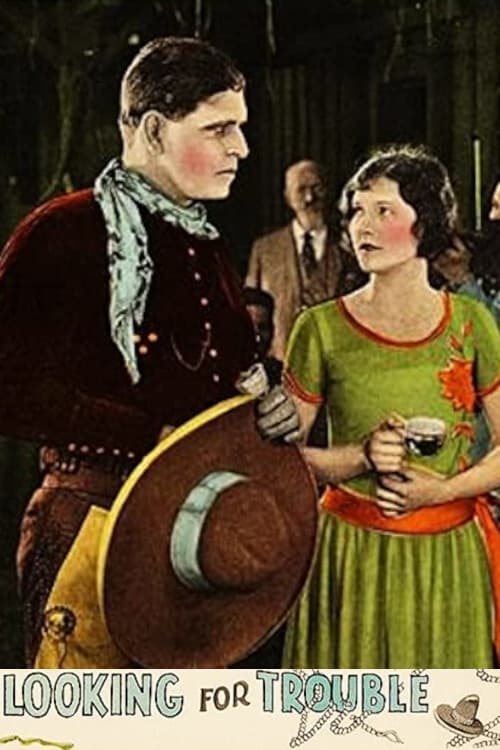
Jack Pepper accidentally fires his gun while forcing a newspaper editor to retract his statement regarding Miss Tulip Hellier, and the sheriff goes after Jack. While hiding out, Jack finds a liquor cache on the Hellier ranch and knows it was placed there as a ruse to distract the sheriff while an outlaw gang runs dope across the border.
A tramp cares for a boy after he's abandoned as a newborn by his mother. Later the mother has a change of heart and aches to be reunited with her son.
Aspiring filmmakers Mel Funn, Marty Eggs and Dom Bell go to a financially troubled studio with an idea for a silent movie. In an effort to make the movie more marketable, they attempt to recruit a number of big name stars to appear, while the studio's creditors attempt to thwart them.
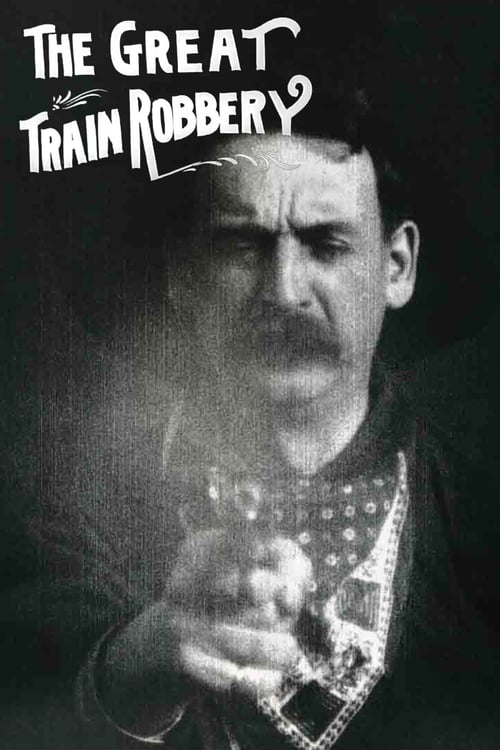
After the train station clerk is assaulted and left bound and gagged, then the departing train and its passengers robbed, a posse goes in hot pursuit of the fleeing bandits.
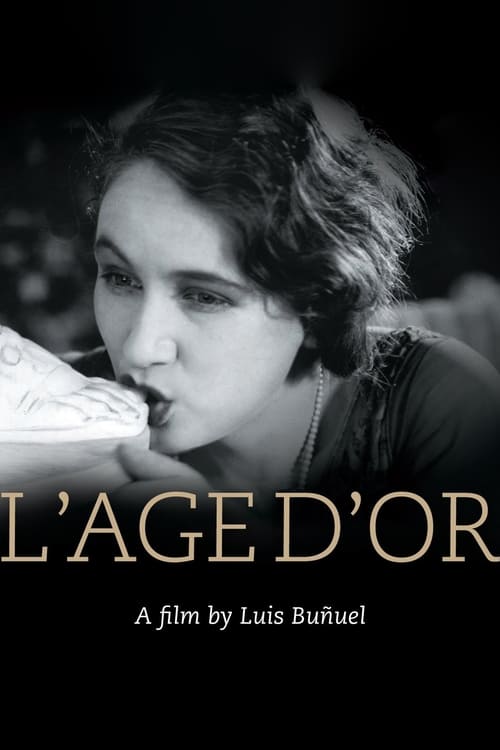
The film consists of a series of tightly interlinked vignettes, the most sustained of which details the story of a man and a woman who are passionately in love. Their attempts to consummate their passion are constantly thwarted, by their families, by the Church and bourgeois society in general.
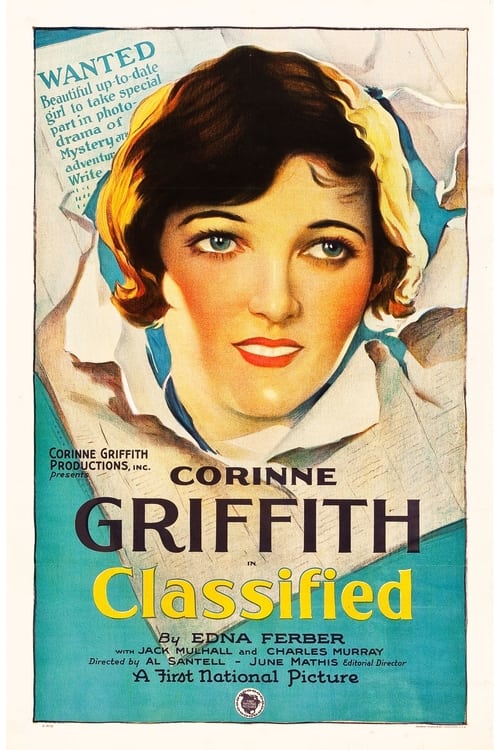
Babs Comet is employed by the classified ad department of the daily paper and uses her looks and position to get a husband.
Follow a day of the life of Big Buck Bunny when he meets three bullying rodents: Frank, Rinky, and Gamera. The rodents amuse themselves by harassing helpless creatures by throwing fruits, nuts and rocks at them. After the deaths of two of Bunny's favorite butterflies, and an offensive attack on Bunny himself, Bunny sets aside his gentle nature and orchestrates a complex plan for revenge.
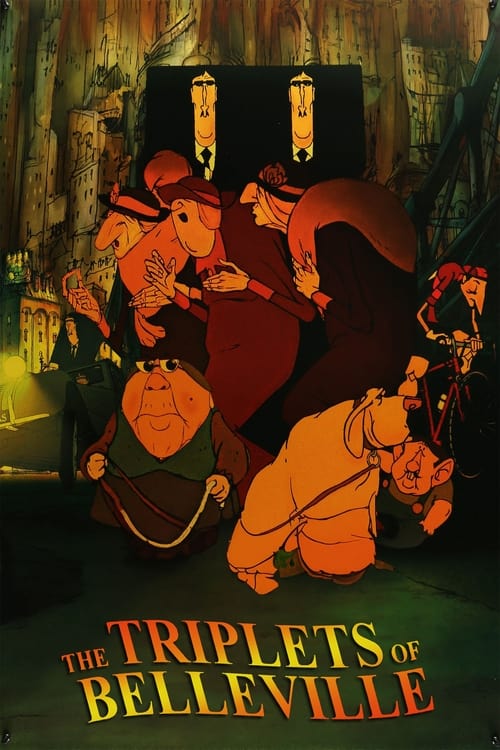
When her grandson is kidnapped during the Tour de France, Madame Souza and her beloved pooch Bruno team up with the Belleville Sisters—an aged song-and-dance team from the days of Fred Astaire—to rescue him.
Anna works at a bookstore. Lucas is suddenly very interested in books. A romantic comedy in which Chaplin meets the Nouvelle Vague.
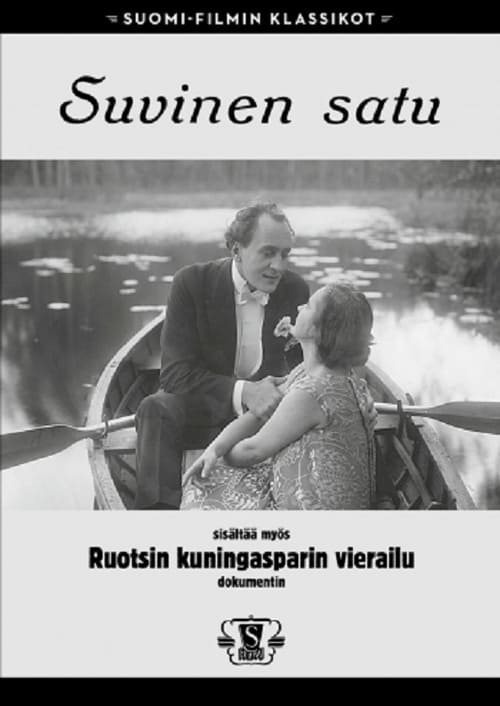
The main characters are the artist Bertel von Bjelke and Hilkka Kanno the adopted daughter of the town councilor. Bertel is in love with Hilka, who, however, behaves badly with the artist. This does not prevent the artist from asking for the girl's hand from the town councilor Kanno, who accepts his friend's request. Kanto stresses, however, that the final decision is up to his daughter.
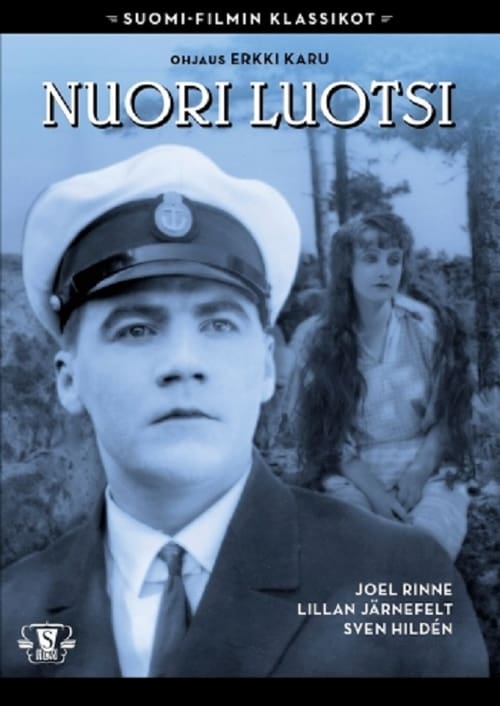
Eero Luotola is a pilot operating in Kalliosaari, whose crush is Annikki, who lives in the same village. They have known each other since childhood and have promised to get married at some point.
Forester Antti Kare and manager John Freyberg travel north in search of millions worth of timber sales. The manager's giddy daughter Margit also secretly joins the journey.
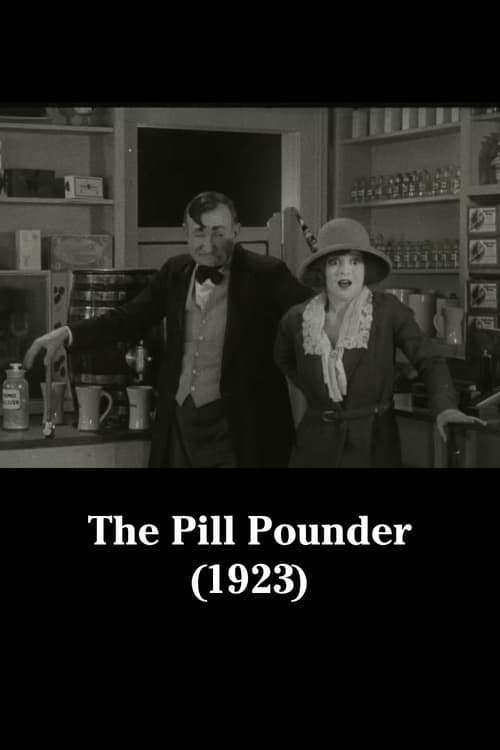
Charlie is a small town druggist trying to wait on trade and play a social game of poker in the back room.
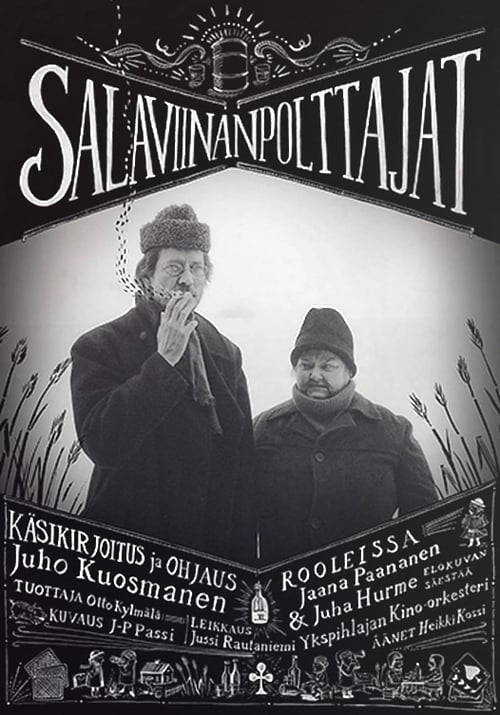
Re-imagined version of the now lost first Finnish film. Two siblings inherit all the essentials for a good life: moonshine equipment and a pig. As they embark on their journey, business is good until a card shark arrives.
Grandmother Koba has to take care of her grandchild Emma's digital horse farm.
A series of family entanglements develop around the changing will of Roger Bernhuses de Sars (Karl Mantzius), who wants his heritage to go to his illegitimate daughter Blenda (Greta Almroth). But love and fate also plays their cards. One of the most surprising films of Sjöström, close to Stroheim and some of the silent comedies of Lubitsch. Belonging to the golden age of Swedish film, this comedy offers one of the earliest explorations of the relationship between masters and servants on the screen, later developed by French masters like Renoir and Guitry. After acting in the diptych of Thomas Graal, Sjöström shows that he also dominates the “light genre” as director.
At Thanksgiving, a tramp arrives in a homeless-hostile town.
Polyteekkarifilmi (Polytekarfilmen) is a Finnish silent documentary film dating from 1924. The subtitle of the documentary is "The story of sport, polytheists and the gods of Olympia". The film aimed to raise travel funds for Finnish athletes traveling to the Paris Olympics.
One of the two earliest horror films ever made. This film is presumed lost. In this black comedy scene, the bottom falls out of a coffin, the corpse tumble out, and is jolted back to life. Short sequences like this, as well as street scenes and dancing geisha girls were the main subjects of early Nippon cinema, pioneered by Shiro Asano and Shibata Tsunekichi from 1897 onwards. In creating dramatic, scenes, film-makers naturally chose the most striking or bizarre. Another undocumented film, recalled by cameraman Shiro Asano.
The Dumb-Bell
The Foreman
Mill Owner
The Boss's Daughter
The Boss
No Trailers found.