A young woman watches TV with her cat in the room. A dying man explores what's left of his psyche.
Young woman
Consciousness
Dead man
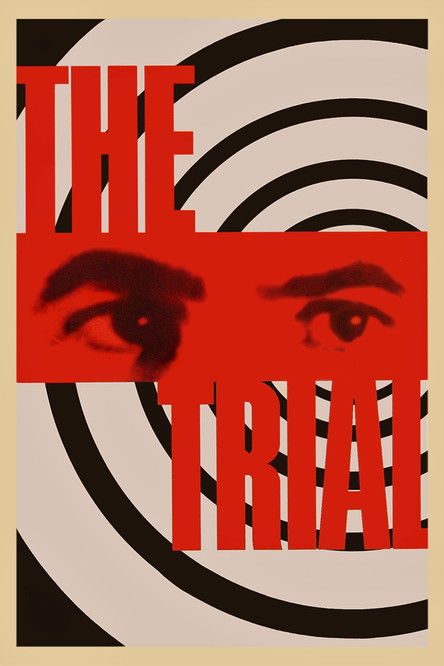
Arrested for an unnamed crime, Josef K. is trapped in a surreal bureaucratic maze where justice is unknowable and guilt is assumed.
Every morning is the same morning: the alarm, then breakfast, then shower… And every morning the same desire, the same wish to break with everything for once. Today, everything is still the same but something has changed inside. Today may be the day.
A room-scale VR creative documentary that uses multi-narrative and volumetric live capture to take the viewer on a journey into the mind of Lisa as she remembers her lost love, Erik. Within an empty void, fragments of past memories appear of their life together.
Eleven young film-makers got together to collaborate in this atypical project. Atypical not only because of its technical specs, but because of its narrative structure. There are several scenes with only the city in common, and more as a conceptual presence at that than as a precise geography. None of those scenes contains a single "story": Each one of them is part of a larger situation that we cannot see, as though the beginning and end of each "story" had to be filled in by the audience.
The Alchemist assembles together a group of people from all walks of life to represent the planets in the solar system. The occult adept's intention is to put his recruits through strange mystical rites and divest them of their worldly baggage before embarking on a trip to Lotus Island. There they ascend the Holy Mountain to displace the immortal gods who secretly rule the universe.
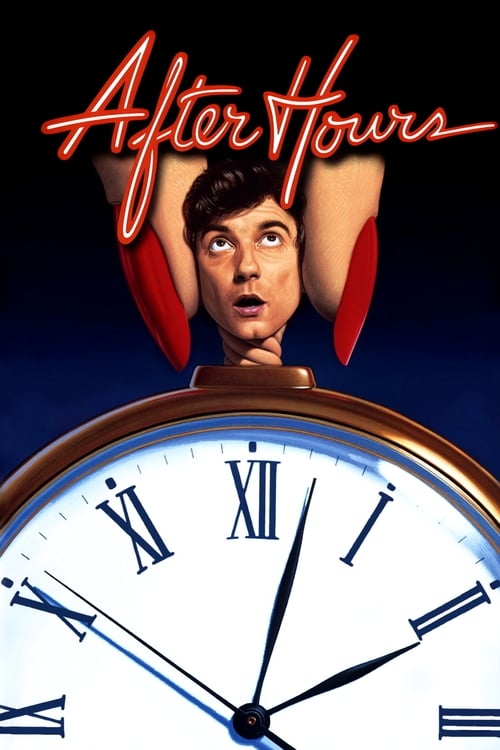
Desperate to escape his mind-numbing routine, uptown Manhattan office worker Paul Hackett ventures downtown for a hookup with a mystery woman.
A man loses his grip on reality as he tries to uncover the meaning behind his strange recurring dreams.
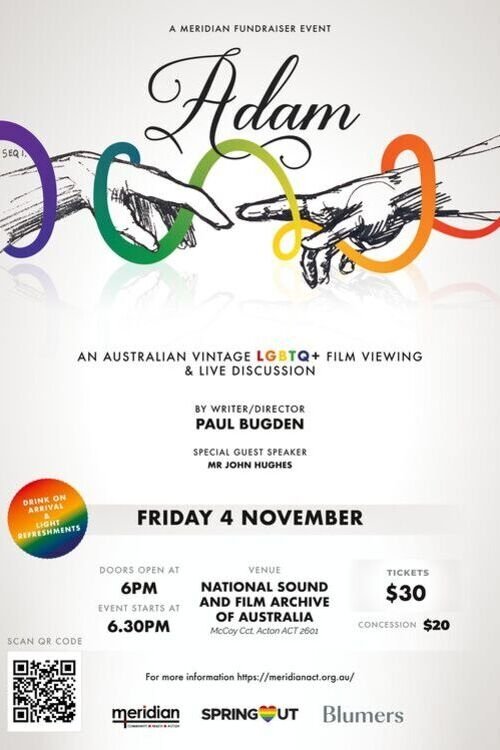
Adam is a factory worker. He falls in love with Chris, a slightly older man. Instead of strengthening his own identity, Adam is unable to cope with his sexuality and suffers a nervous breakdown. One of the first representations of gay men in Australian cinema and an iconic piece of LGBTIQA+ film history.
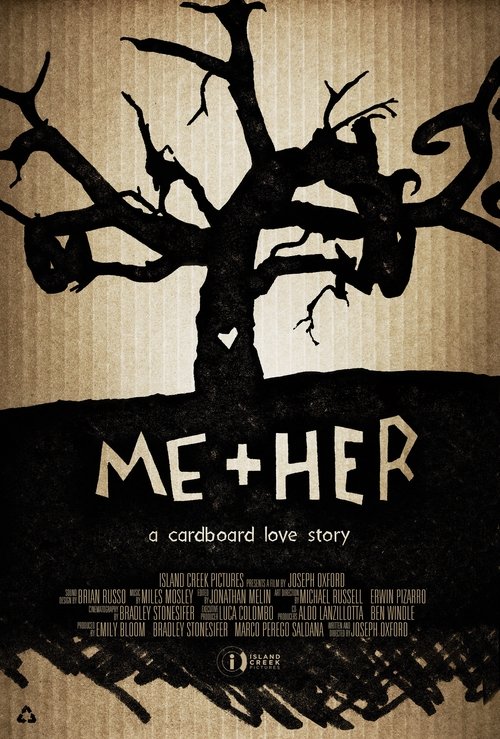
Creating a universe between two small pieces of Cardboard. When Jack and Jill of Cardboard City are separated by Jill's torrid illness, Jack must think outside the box to assure they will be together again.
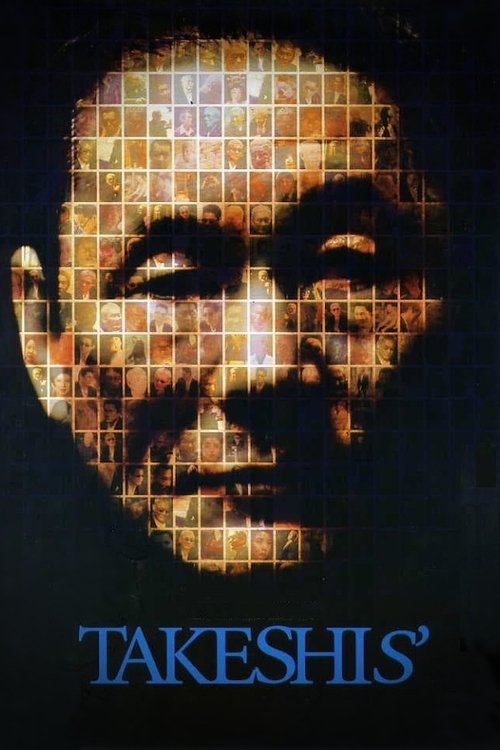
Beat Takeshi lives the busy and sometimes surreal life of a showbiz celebrity. One day he meets his blond lookalike named Kitano, a shy convenience store cashier, who, still an unknown actor, is waiting for his big break. After their paths cross, Kitano seems to begin hallucinating about becoming Beat.
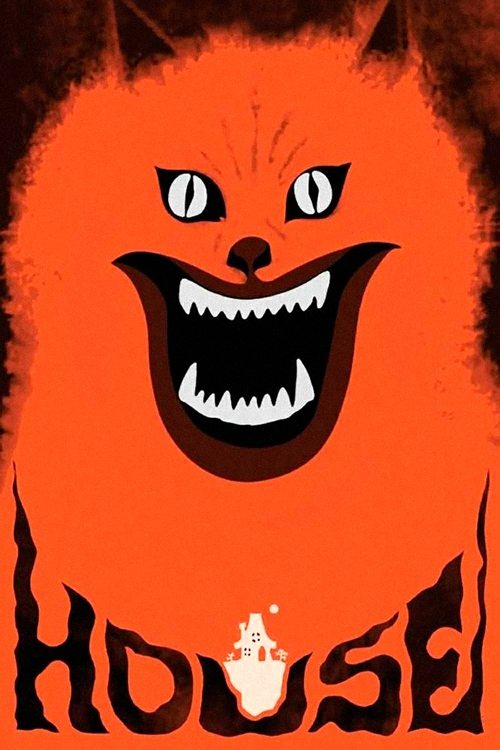
Hoping to find a sense of connection to her late mother, Gorgeous takes a trip with her friends to visit her aunt's ancestral house in the countryside. The girls soon discover that there is more to the old house than meets the eye.
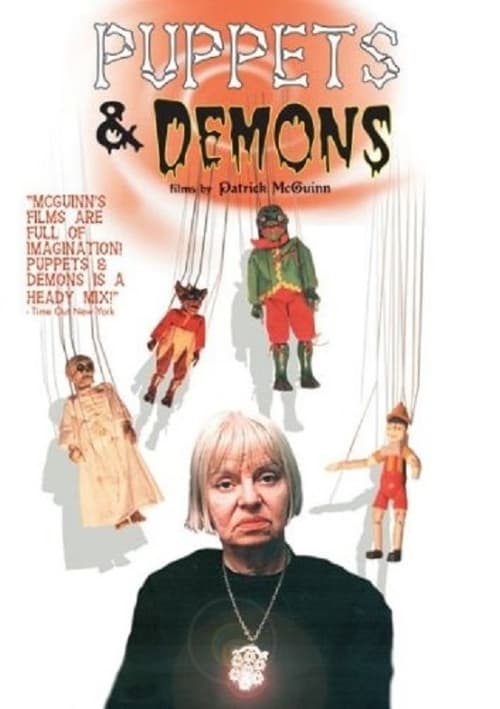
An anthology of surreal films by Patrick McGuinn featuring Vincent, a puppet who is obsessed with Twinkies and pasta.
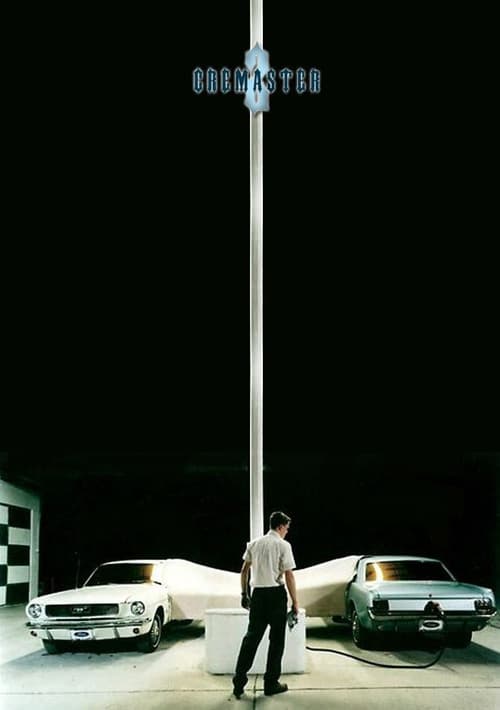
CREMASTER 2 is rendered as a gothic Western that introduces conflict into the system. On the biological level it corresponds to the phase of fetal development during which sexual division begins. In Matthew Barney's abstraction of this process, the system resists partition and tries to remain in the state of equilibrium imagined in Cremaster 1.
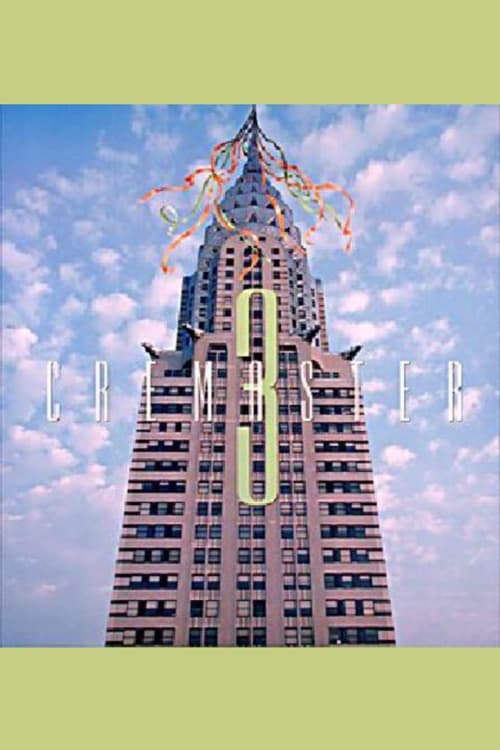
CREMASTER 3 (2002) is set in New York City and narrates the construction of the Chrysler Building, which is in itself a character - host to inner, antagonistic forces at play for access to the process of (spiritual) transcendence. These factions find form in the struggle between Hiram Abiff or the Architect ...
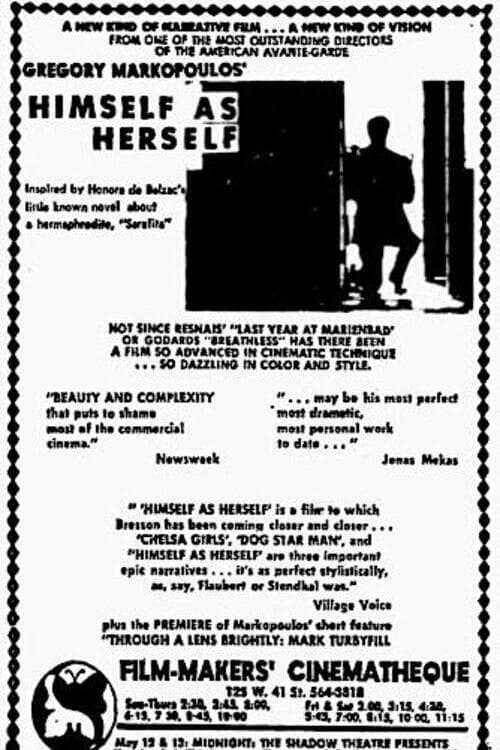
The young hero seems the essence of maleness, yet he's troubled by vaguely feminine objects. Soon his masculine and feminine selves are intercut, as each of his identities appears to look and gesture at the other. The film, at once melancholy and transcendent, consists of a shimmering, nearly plotless evocation of gender identity in flux through haunting, densely interlaced images.
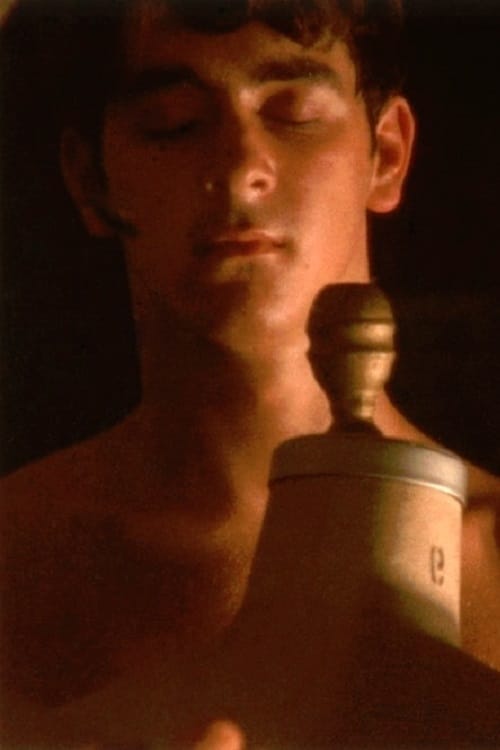
Structured in nine tableaux each a study of a simple action or situation involving a lone, naked figure, the blind Eros, searching for fulfilment, for self. The objects he touches - books, paintings - can be seen as icons of the creative spirit; there is also a motor cycle and film equipment. In succeeding scenes he appears to try on identities offered by institutional doctrines of religion and social traditions of (overt) masculinity. Much of the film was constructed in-camera with a small amount of editing afterwards. An innovation was the use of in-camera fade-outs as phrase markers, not as terminal points, within a single set-up or shot.
Psyche 1947, made while a student at USC, shows Markopoulos’ developing style and his sensuous use of colour and composition. Shot in the Hollywood hills, the film was inspired by an unfinished novella by Pierre Louÿs. - Tate Modern
Markopoulos called Lysis “a study in stream-of-consciousness poetry of a lost, wandering, homosexual soul” and felt that the film foreshadowed The Illiac Passion.
Based on Plato's dialogue Charmides.
Trailer