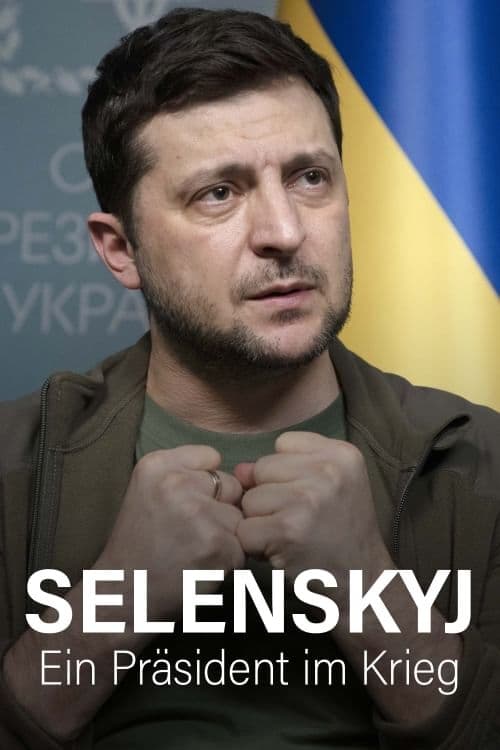
The war is raging in Ukraine that is changing the world order. One man is standing up to Russia and wants to restore peace and security in his own country: President Volodymyr Zelensky.
Narrator (voice)
Self
No Trailers found.
No overview available.
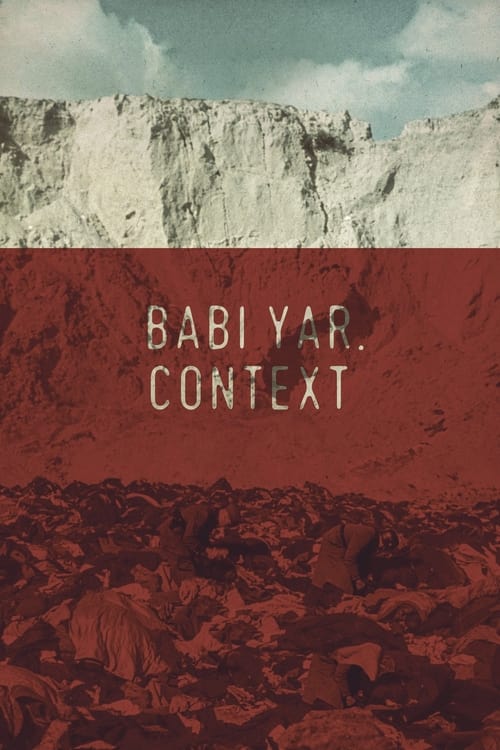
Nazi troops massacre 30,000 Jews over a three-day period in September 1941. Babyn Yar ravine in Kyiv, Ukraine.
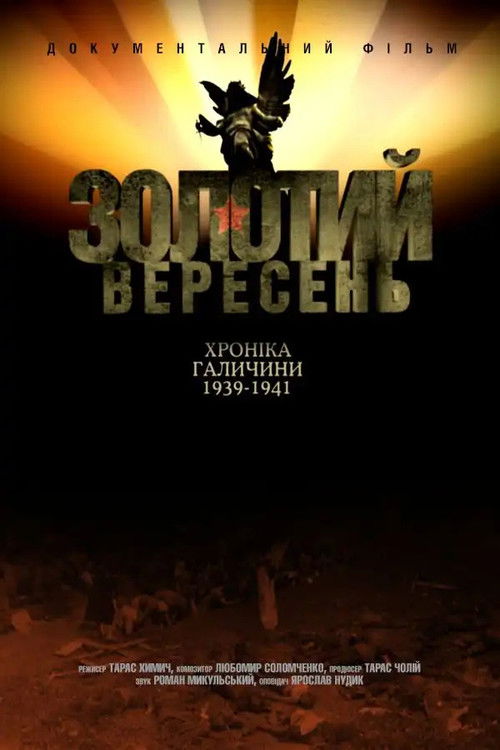
The film tells the story of the events in Western Ukraine before the outbreak of World War II, the rise of Soviet rule, changes in borders, and the disappearance of entire states from the world map. The film is based on archival documents, materials and memoirs of witnesses, representatives of the Ukrainian, Polish and Jewish peoples of pre-war Galicia.
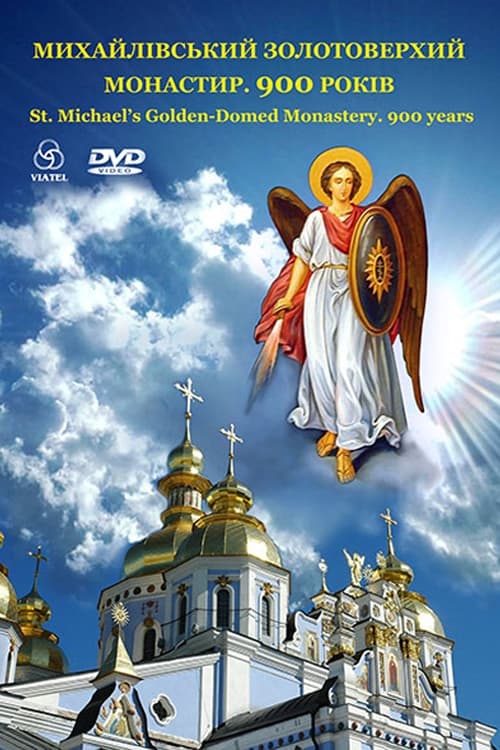
Against the backdrop of historical events, from the time of Kyivan Rus' until the arrival of the Ecumenical Patriarch Bartholomew in Ukraine, the film deals with the history of the construction, flourishing, destruction and revival of the Mykhailivskyi Golden-Domed Monastery over 900 years, as well as the difficult history of the struggle for independence of Ukraine. the church that continues to this day.
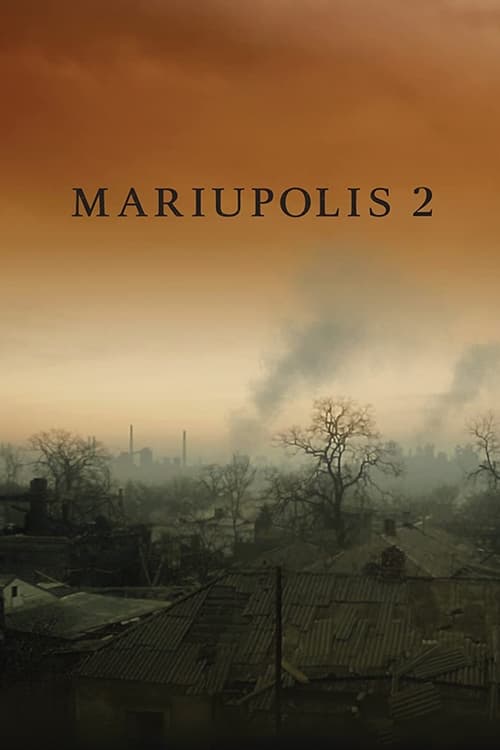
In 2022, Mantas Kvedaravičius went back to Ukraine, Mariupol, at the heart of the war, to be with the people he had met and filmed in 2015. Following his death, his producers and collaborators have put all their strength into continuing transmitting his work, his vision and his films. Also a PhD in anthropology, Mantas Kvedaravičius wished to testify as a filmmaker as far as possible from the agitation of the media and the politicians. With huge force and sensitivity, Mariupolis 2 depicts life as it continues amidst the bombing and reveals images that convey both tragedy and hope.
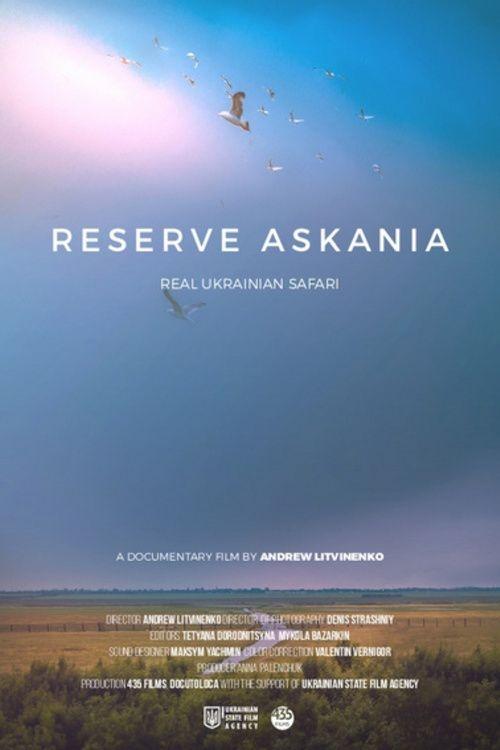
Askania-Nova is the largest steppe wildlife sanctuary in Europe. It is located in south part of Ukraine, not far from Crimea peninsula. In order to underline this unique beauty we created a documentary musical film about life of animals and people in wildlife sanctuary of Askania-Nova. The movie reveals stories of a three protagonists, whose destinies were entangled because of wildlife sanctuary.
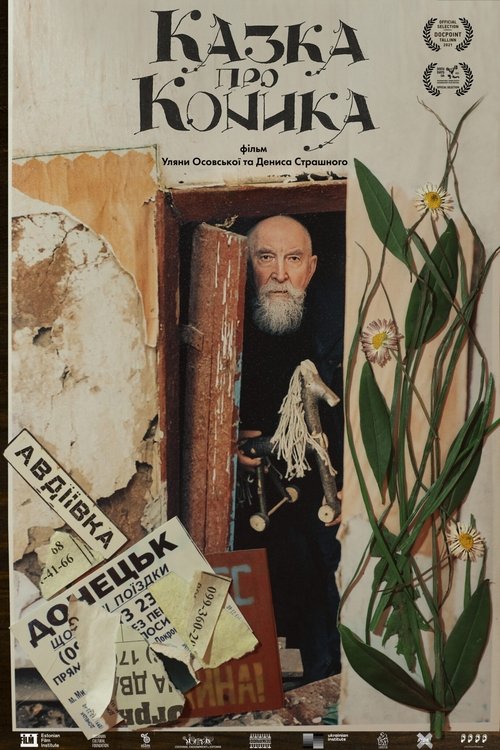
In his own way, Anatoli Ljutuk is a legend of Tallinn's Old Town - a man from Western Ukraine who has built a unique world on Laboratory Street, the main core of which is the Ukrainian Cultural Center and Church. There, he engages in calligraphy, makes paper in a medieval way, carves traditional wooden toys in his workshop and makes books in the spirit of old monasteries. According to the oath taken a quarter of a century ago, he has promised to create something good every day. His daily commitment is challenged by the war that broke out in Ukraine, which Anatoly cannot passively ignore.
The definitive Rudy Giuliani documentary, charting his fall from the cover of Time Magazine to the parking lot of Four Seasons Total Landscaping.
Courage, love and loss. Young people risk their lives with self-funded missions to rescue families in Ukraine’s frontline towns. Told through their own words and unique first-person footage.
While the armed conflicts on the Ukrainian front have become a traumatizing everyday reality, out of necessity new structures of care have developed among Ukrainian society. As a contemporary document, this film looks at unseen moments of care work - continuous attempts to restore respect and security to people who have been violently deprived of them.
Film made by activists who lived for a month in the Plaça de Catalunya in Barcelona after the start of a full-scale Russian invasion of Ukraine in 2022.
Between 1930 and 1945, Eastern Europe experienced mass violence on an unprecedented scale. Hitler and Stalin exploited the vast region for their respective expansionist plans. It is estimated that around 14 million civilians were murdered—primarily Jews, Poles, Balts, Belarusians, and Ukrainians.
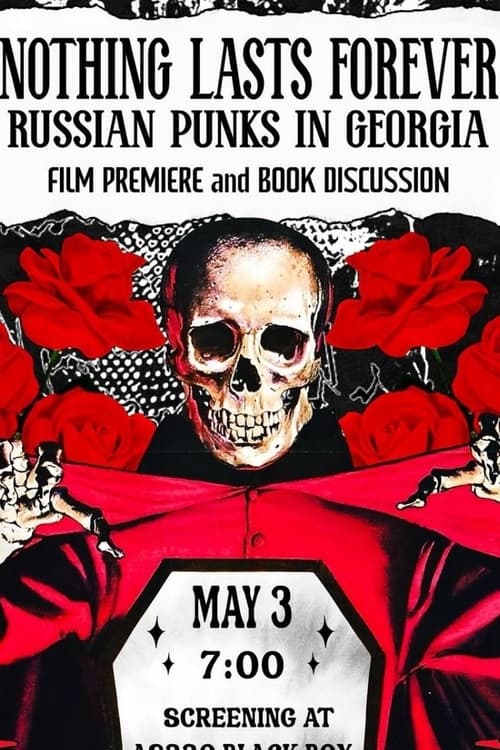
Since the full-scale invasion of Ukraine, many in Russia's DIY punk scene fled to Tbilisi, Georgia. Mobilization only exacerbated that trend. This documentary follows the stories of some of those punks but also explores the complicated socio-economic effects they have on the city. The film is about the potential for punk and other similar subcultures to make connections even across otherwise tense political borders.
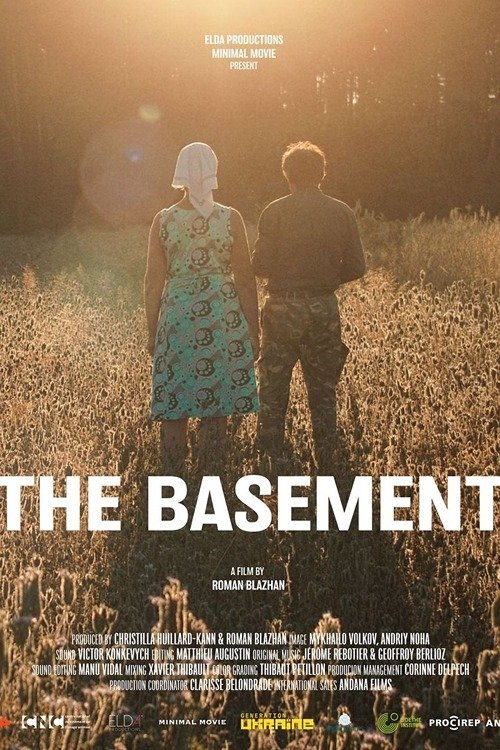
The village of Yahidne in northern Ukraine is coming back to life. Dogs are running around. Gardens and crops are green again. People support one another and families have reunited. In a movement of solidarity, local youth help rebuild what was devastated a year ago when Russian troops occupied the village imprisoning the villagers in the school's basement for a month. The villagers' attitudes alternate between their desire to move forward an remembering the horrors of the past. A heartwarming tribute to resilience and unity.
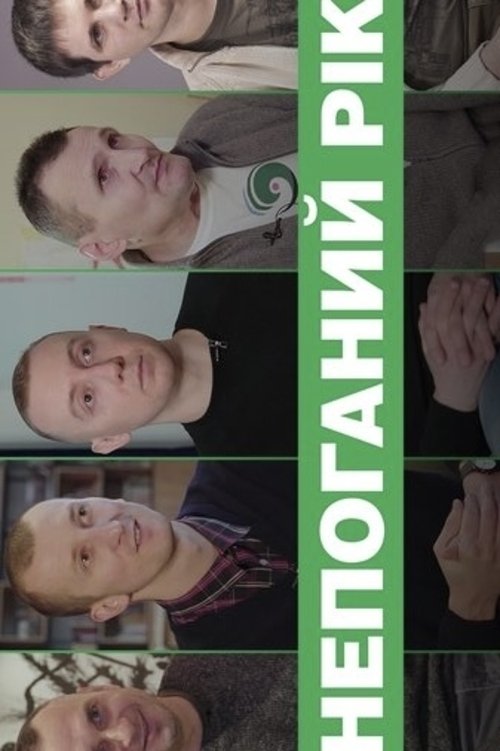
A year ago, on 29 December 2019, prisoners were exchanged with the self-proclaimed ‘LPR’ and ‘DPR’. Among the Ukrainians who returned home were journalist Stanislav Aseyev, tanker Bohdan Pantiushenko, and human rights activist Andriy Yarovoi. Four months earlier, on 7 September, Crimeans Oleg Sentsov and Oleksandr Kolchenko were released from Russian colonies. We spoke to the former prisoners about their first year of freedom.
A chronicle of the civil uprising against the regime of Ukrainian president Viktor Yanukovych that took place in Kyiv in the winter of 2013/14. The film follows the progress of the revolution: from peaceful rallies, half a million strong in the Maidan square, to the bloody street battles between protesters and riot police.
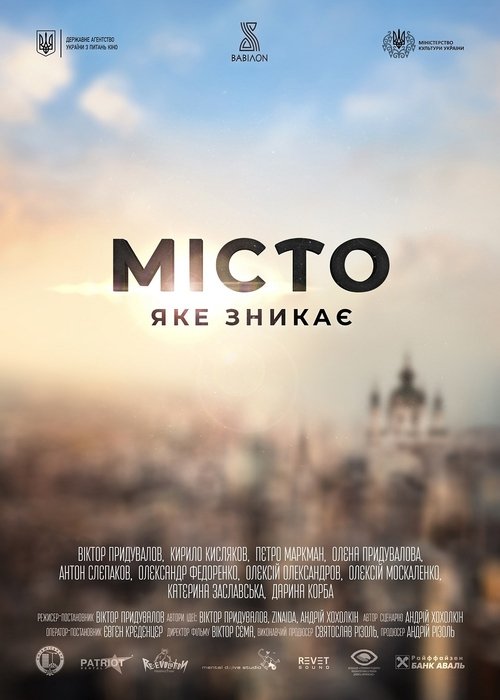
A docu-art film about Kyiv and the contemporary problems of the capital. The film raises the issue of the dilapidated state of Kyiv's old buildings and the search for effective mechanisms to preserve the city's architectural heritage.
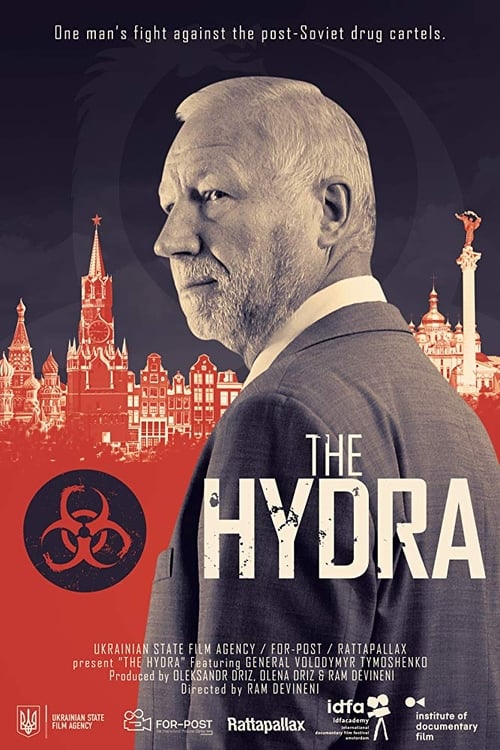
A fast-paced suspense thriller and feature documentary about the sudden rise of ecstasy in Europe to epidemic levels after the disintegration of the Soviet Union.
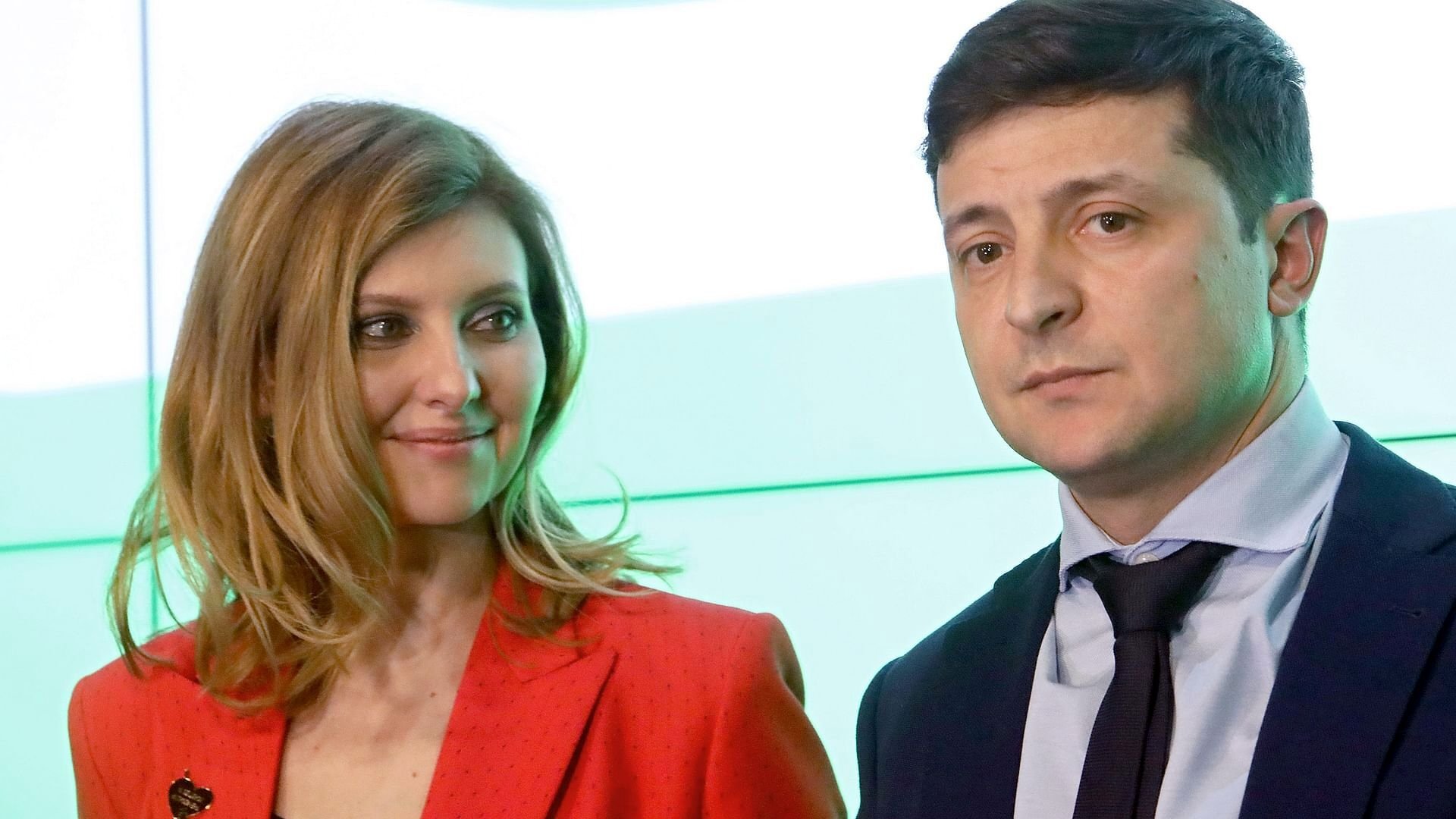
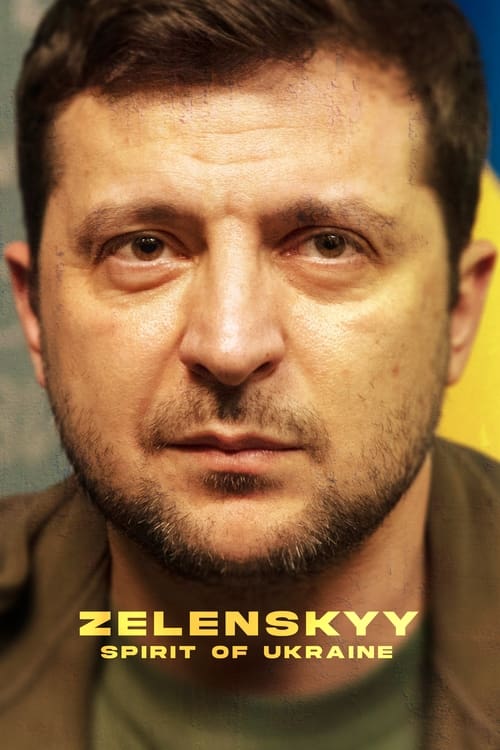
On February 24th, 2022, Russia launched a full-scale invasion of Ukraine. The war has since killed thousands, displaced millions and destroyed entire cities. Despite international appeals for Volodymyr Zelensky, and his family, to be evacuated to a safe location during the opening days of the invasion, the 44-year-old president stayed in Kyiv with his defence forces. It's hard to imagine how this bright, comedic, family man, has ended up in one of the most dangerous positions in the world, with a giant target on his back. 10 months on, and still fighting from the ground, Zelensky has been named TIME Person of the Year 2022. With comparisons to Winston Churchill, as a war time leader, his impact is undeniable. Utilising his acting skills he is embodying everything it means to have the spirit of Ukraine.
Personal stories from civilians, children, soldiers, doctors, the country’s elderly, journalists, religious leaders, and international volunteers - a handful of the millions of people whose lives have been turned upside-down by nine years (and counting) of Russian aggression against Ukraine.