A report on the detention of Uyghurs in Xinjiang, China.
No Trailers found.
No Cast found.
This film tells a story about an unschooled 11-year-old girl Yi-Jie, she's a truly global child who learns the world through the United Nations of Wastes while working with her YI minority parents in this recycle workshop thousand miles away from their mountain village home town
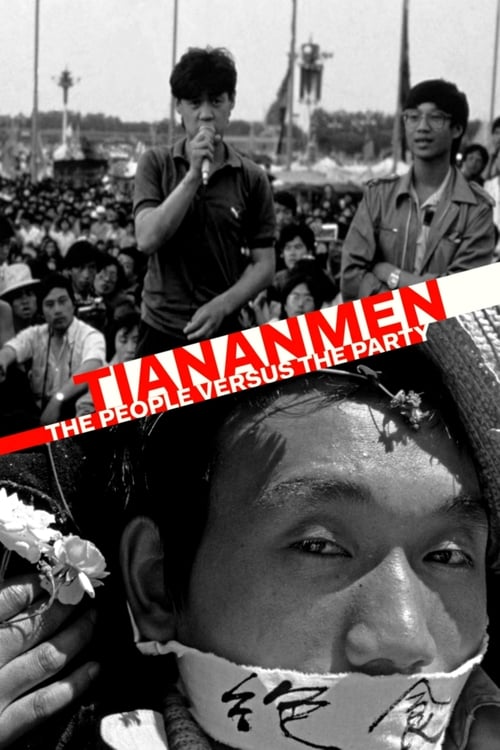
The true story of the seven weeks that changed China forever. On June 4, 1989, pro-democracy demonstrations were violently and bloodily repressed. Thousands of people died, but the basis for China's future was definitely planted.
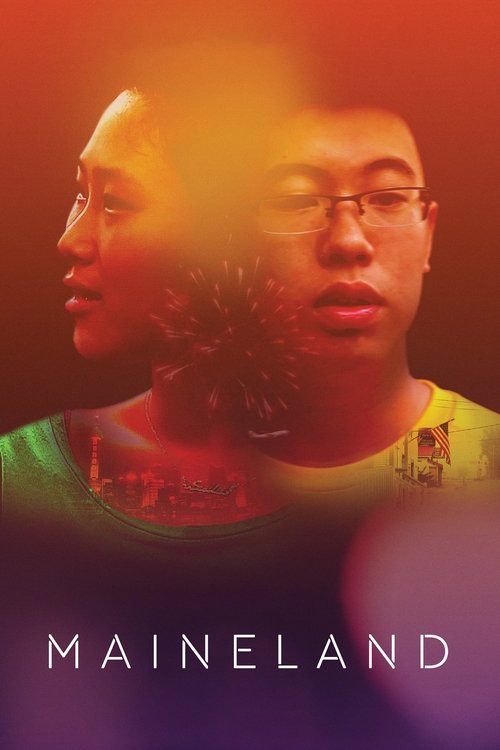
Chinese teenagers from the wealthy elite, with big American dreams, settle into a boarding school in small-town Maine. As their fuzzy visions of the American dream slowly gain more clarity, their relationship to home takes on a poignant new aspect.
No overview available.
China is pushing hard into German and European markets. Furthermore, Beijing is developing into an increasingly powerful military power. An investigative reporter team from BR, rbb, and SWR is investigating the impact this has on Germany's internal and external security.
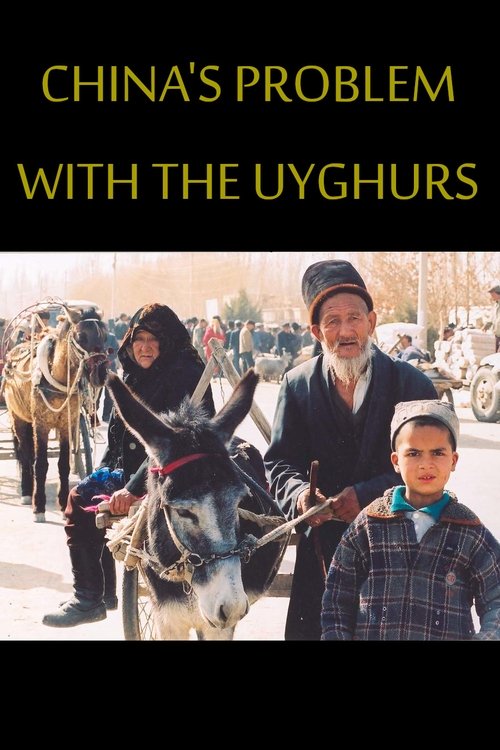
For the first time, a French director-journalist will join an official trip to the heart of one of the most secret regions in China: Xinjiang. Unstable and by far the most volatile province in the country, it’s a unique opportunity to visit an area that’s normally out of bounds to tourists. Located in the far northwest of the People’s Republic, on the borders of central Asia, Xinjiang is the scene of frequent clashes between the Chinese authorities and the Uyghurs, Turkish-speaking Muslims who, like their Tibetan neighbors, reject the colonization of their territory. Going beyond the Uyghur problem (which gets less media coverage than the unrest in neighboring Tibet) the aim of this documentary is to decipher the propaganda that is currently being put out by the Chinese, who are trying to convince the world, and Chinese tour operators in particular, that the region is a haven of peace, a heaven on earth suitable for mass tourism.
Could our mounting modern problems have ancient solutions? Travel to the depths of China to find out.
China keeps claiming sovereignty over Taiwan. The USA believes the Tech industry of the island nation needs to be protected. Prominent international experts from both sides, China vs. USA, Empires At War explores all the issues that could lead to war.
MANUFACTURED LANDSCAPES is the striking new documentary on the world and work of renowned artist Edward Burtynsky. Internationally acclaimed for his large-scale photographs of “manufactured landscapes”—quarries, recycling yards, factories, mines and dams—Burtynsky creates stunningly beautiful art from civilization’s materials and debris.
In China more people are on death row than the rest of the world combined. The children of the convicts are often left alone, stigmatized and living in the streets. Grandma Zhang, as the kids call her, is a former prison guard who has founded an orphanage in Nanzhao.
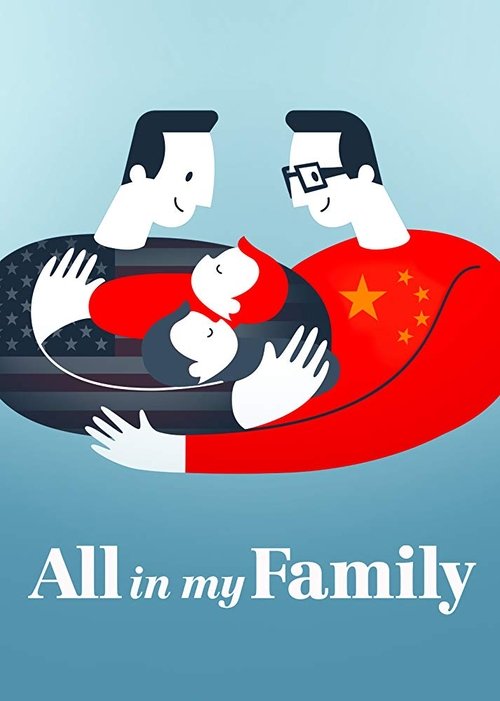
After starting a family of his very own in the United States, a gay filmmaker documents his loving, traditional Chinese family's process of acceptance.
The war units of the Hun Emperor Mete Han and the Chinese Emperor Gao-Zu, the father of the turan tactic used by the Turks for centuries, come face to face in the Battle of Baideng. The war genius Mete Han was going to surround the Chinese with an unexpected war tactic and inflict a heavy defeat on them.
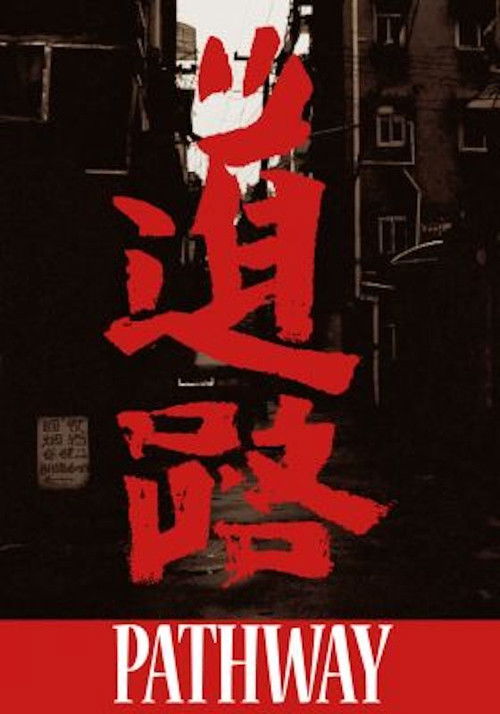
Xu Xin’s film “Dao Lu” (China 2012) offers an exclusive “in camera” encounter with Zheng Yan, an 83 year-old veteran of the Chinese Red Army, who calmly relates how he has navigated his country’s turbulent history over three-quarters of a century.Born to a wealthy family in a foreign concession, Yan joined the Chinese Communist Party (CCP) in 1941 because he sincerely believed in the socialist project, and in its immediate capacity to free China from the Japanese yoke and eradicate deep-rooted corruption.
Highlights the rebellious young generation of artists in China fighting for political emancipation, artistic freedom and creating a cultural golden age during the 1980s - a significant decade of transformational change. Interweaving six main characters' memories with the director's personal narration, the film embarks on an emotional journey and tells a story of being passionate and idealistic before dreams are dashed to pieces.
Cultural documentary featuring a Chinese folk dance performance held in the courtyard of Auguste François's house in Yunnanfu, present-day Kunming, China. Four dancers interact in an artistic performance. Produced in 1901 by Societé L. Gaumont et Cie. and directed by French photographer and diplomat Auguste François. Working as a French diplomatic consul in China, Auguste François shot a large number of films, most of which are still preserved, showing aspects of Chinese society in the last years of the last Chinese monarchical dynasty, the Qing. This film was only released commercially in 1905 as part of the collection "Au Pays des Mandarins".
Crocodile in the Yangtze follows China's first Internet entrepreneur and former English teacher, Jack Ma, as he battles US giant eBay on the way to building China's first global Internet company, Alibaba Group. An independent memoir written, directed and produced by an American who worked in Ma's company for eight years, Crocodile in the Yangtze captures the emotional ups and downs of life in a Chinese Internet startup at a time when the Internet brought China face-to-face with the West. Crocodile in the Yangtze draws on 200 hours of archival footage filmed by over 35 sources between 1995 and 2009. The film presents a strikingly candid portrait of Ma and his company, told from the point of view of an “American fly on a Chinese wall” who witnessed the successes and the mistakes Alibaba encountered as it grew from a small apartment into a global company employing 16,000 staff.
This documentary from 1980 depicts a factory community in China where over 6000 workers process, spin and weave raw cotton into 90 million yards of high-quality cloth per year. Also seen are the workers' residential, social, recreational and educational facilities, all located on factory property. The film presents an engrossing study of a lifestyle that is very different from that of the Western world.