No Trailers found.
Commentary (voice)
In Cape Town's informal settlements, created to segregate the racialized population during Apartheid, the South African government never built a sewage system, hence the absence of flush toilets. Each resident must therefore invent an individualized solution for disposing of his or her excrement. Excrétapolitiques is a documentary based on meetings with some twenty people who are fighting against this infrastructural injustice.
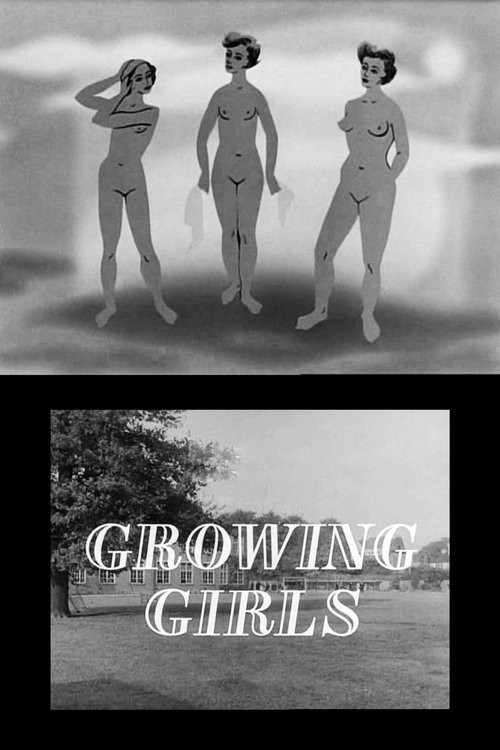
After several farmyard analogies featuring chicks and calves, the well-spoken narrator and director of the film, Winifred Holmes, considers the subject of girls and how they reach adulthood and readiness for the 'important job of motherhood.
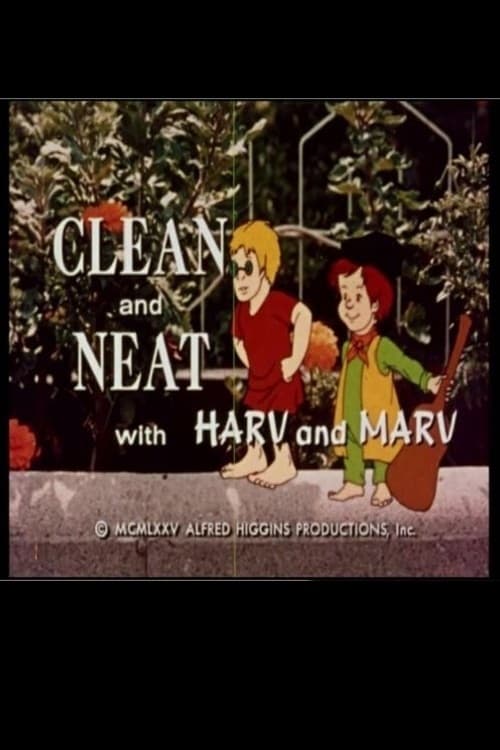
In this educational film about personal hygiene, Harv and Marv are animated characters in the real world. When Marv says he wants to become human, Harv shows him that real people have to bathe, wash their hands and teeth, and mind their appearance.
Hygienic habits are as old as the various human civilizations; but each era establishes its own customs: whether private or public, everywhere and at all times, methods of personal cleanliness have depended on cultural conventions, religious morals, political ideologies and economic interests; because the control of basic hygiene has also been and is one more tool in the infinite exercise of power over the masses.
A teaching film for social studies, which was developed as a new educational subject in 1947. At an elementary school in Hokkaido, children have started a fly extermination campaign to improve school hygiene. In order to eliminate the causes of flies, the entire town is working to improve the sanitary environment. The short was filmed with the cooperation of Mizukaido Elementary School in Joso City and is the first film in the "Social Studies Teaching Film System" by Iwanami Film Productions.
This educational film emphasizes the importance of good grooming and personal hygiene habits. Clothes should always appear clean and neat, and should be appropriate to the classroom setting. (Inappropriate dress makes you uncomfortable and conspicuous, not a good thing!) The functions of the skin are examined in scientific detail. Methods for cleaning the skin are demonstrated. Besides maintaining skin and body health, good grooming habits will help you "fit in" in various social situations, and may even help a gal attract a boyfriend!
The comparison of two rural families to demonstrate the need for proper hygiene and the consequences of its neglect.
The film "Sanitation: Why All The Fuss?" emphasizes the critical importance of sanitation in food handling for public health. It explains how bacteria, which can multiply rapidly and cause illness, are often transferred by people, pests, and contaminated tools. To prevent foodborne illnesses, food handlers must adhere to strict hygiene practices, including frequent handwashing, maintaining proper food temperatures, and ensuring cleanliness in food preparation areas. The film highlights that while heating food kills bacteria, it does not eliminate toxins that may have already formed, making prompt refrigeration essential.
Heinzi Boesel and Kurt Fellner are two Austrian health inspectors forced to work together, traveling through Austria. Over time a beautiful friendship evolves between the odd couple who couldn't stand each other initially; a friendship that even overcomes the boundaries of great tragedy.
No overview available.
Parody focused on the horrors of being uncircumcised.
A live-action educational short film which reuses clips from Disney's animated films.
A Cal Arts stop motion short in praise of good oral hygiene.
Last letter from a serial killer in distopic Istanbul...
Proto-claymation goes awry with talking teeth and a demonic decay character. Dancing vegetables highlight this great film.
Produced by a division of social services, the film follows a country girl's journey to learn more about hygiene and health after she's rejected from by her boyfriend who thinks her uncultivated.
"Aurore, my friend, Aurore, the main actress of Rendez-vous d'Anna and other films of mine, our meeting, the why and how of our joint work". – Chantal Akerman
The rise and fall of the biggest star of travesty show in Prague in the nineties. The film tells the story of a man with shocking sincerity and openness in confession of two different personalities, woman and man living in one body.