No Trailers found.
No overview available.
Between the silence and the pain of prejudice, Nilo finds a path of resistance in friendship and writing. My Blue-Lines reveals the intimate struggle of a young autistic man to exist in a world that insists.
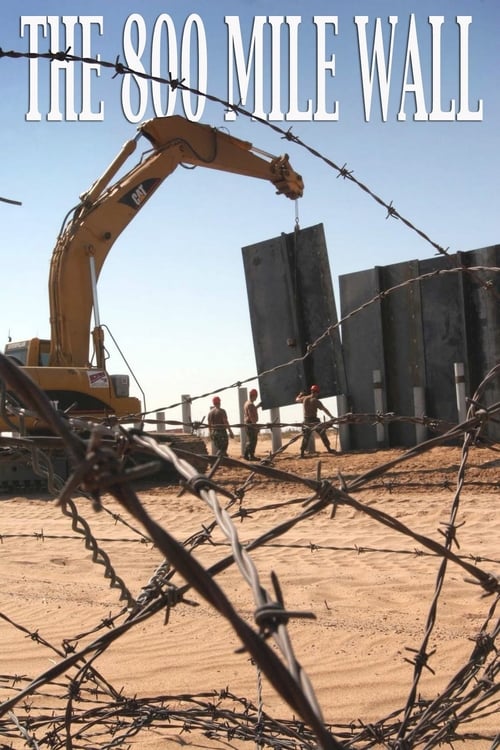
"The 800 Mile Wall" highlights the construction of new border walls along the U.S.-Mexico border as well as the effect on migrants trying to cross in the U.S. This powerful 90 minute film is an unflinching look at a failed U.S. border strategy that many believe violates fundamental human rights.
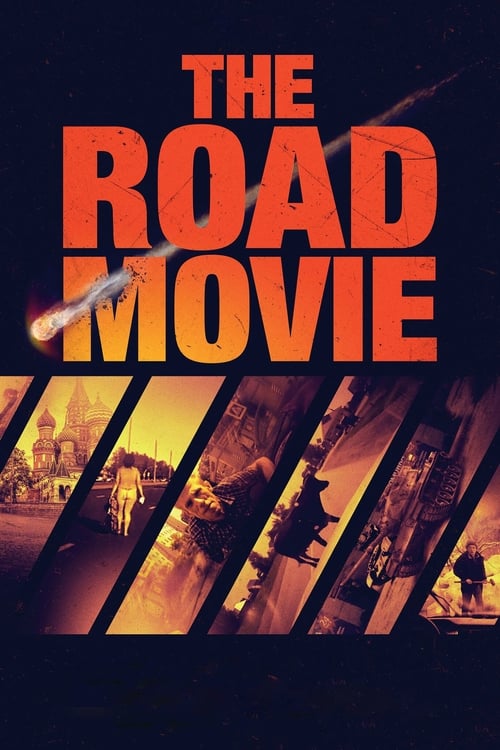
Anything can happen on Russian roads and is precisely shot by the dashboard camera. Super-objective video registration grows into the strong image of Russian national character – with its permanent awaiting for the miracle and habitual approach to real dramas. A forest on fire as a symbol of Russian hell, a military tank at a car wash and car chase in the vicinity of Kremlin shot with a dashboard cam at the same time when Boris Nemtsov, the leader of political opposition, was shot dead near Kremlin. Dashboard cam depicts life in it’s purity as an unbiased observer.
Leave the beach towel at home and take a trip to the end of the earth - literally. From the Starship UK to one very haunted hotel, you won't find the destinations of Doctor Who in any guidebook.
A documentary crew returns to the shooting locations of Sam Peckinpah's legendary western to reflect on the film and the way it impacted their lives.
How safe is the future of the world’s food? This documentary explores a growing crisis in world agriculture. Plant breeding has created today’s crops, which are high yielding but vulnerable to disease and insects. To keep crops healthy, breeders tap all the genetic diversity of the world’s food plants. But that rich resource is quickly being wiped out. (NFB)
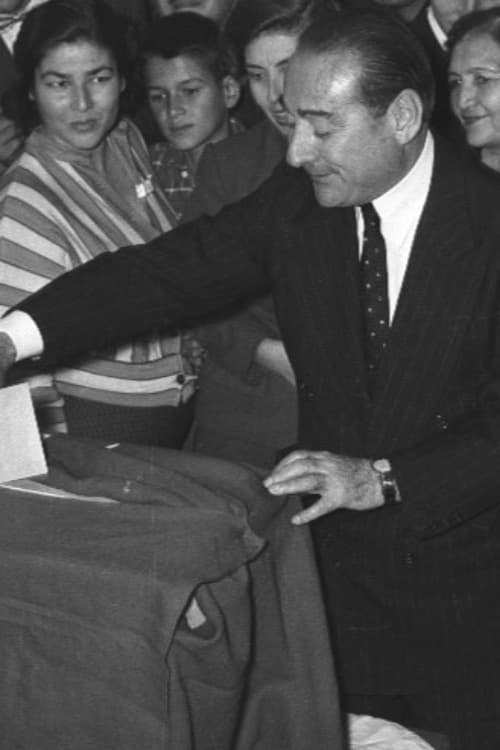
The spring of 1950 was also the spring of the multi-party regime in Turkey. A new 10 years, a new regime, a new government. The first test of democracy was beginning. The National Chief of the single-party period had returned to his Pink Mansion. The address of the opposition was clear now. When it comes to power... Power was shared by a tripartite trivet from the first day: DP Group in the Parliament. Celal Bayar in the Mansion and Adnan Menderes in the Prime Ministry..
Behind-the-scenes documentary about the making of Klaus Kinski's "Paganini".
Documentary satire about a project by Christoph Schlingensief: Ten years after his TV project "Talk 2000", Schlingensief started to work on a new talk show – at least that was what he claimed. But in reality, it was obvious that the pilot episodes he produced would never be broadcasted. Nevertheless, all celebrities from the political and cultural sphere, Schlingensief had requested, accepted his invitation, including the filmmaker Oskar Roehler, the televangelist Jürgen Fliege, the politician Claudia Roth, or the rapper Sido. It is beyond question, that the talk show panel took an unconventional course directly from the start – and was soon threatening to turn into an uproar.
Germany's first Open Source movie. A gonzo style documentary.
Documentary montage film by Alexander Vartanov, a subjective look at the beginning of the 21st century in Russia
Documentary film.
A history of Argentine football, from its origins in the nineteenth century to the victory of the Argentine national team in the 1986 World Cup. The film uses valuable archival footage.
Witness the 50-year story of Judas Priest. From forging Heavy Metal in the British Steel industry to their rise to Metal Gods.
As the United States begins one final effort to secure victory through a “surge” of troops, FRONTLINE investigates how strategic and tactical mistakes brought Iraq to civil war. The film recounts how the early mandate to create the conditions for a quick exit of the American military led to chaos, failure, and sectarian strife. In Endgame, producer Michael Kirk (Rumsfeld’s War, The Torture Question, The Dark Side, and The Lost Year in Iraq) traces why the president decided to risk what military planners once warned could be the worst way to fight in Iraq — door-to-door — and assesses the likelihood of its success. Top administration figures, military commanders, and journalists offer inside details about the new strategy.