No Cast found.
No Trailers found.
The rhythms of a typical day during the summer wheat harvest in Kansas.
Right on our doorstep there is something that feeds us all: living soil. But this precious resource is under threat – from us humans! Our planet needs more than 2000 years to form ten centimetres of fertile soil. What does this mean for the future?
Sheds light on an alternative approach to farming called “regenerative agriculture” that could balance our climate, replenish our vast water supplies, and feed the world.
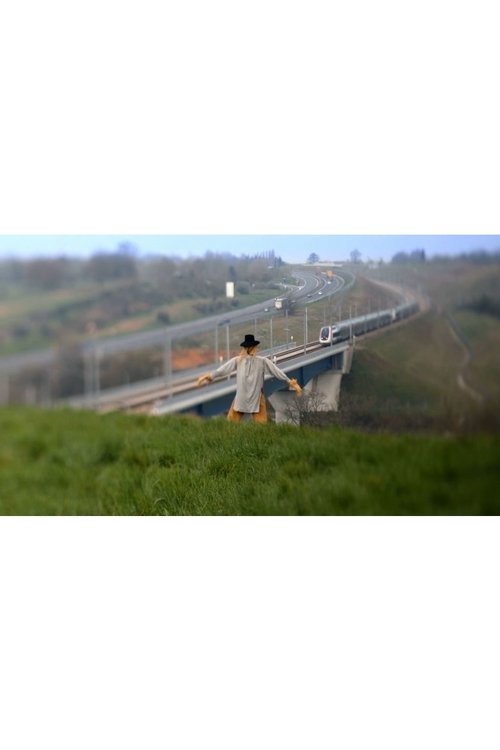
A scarecrow wanders in the countryscape of the french department of the Mayenne. It watches secretly over the transformation of the rural world since the end of the peasantry civilization. This film explores the memory of the local landscape that retains traces of ancient heritage. But this memory is endangered.
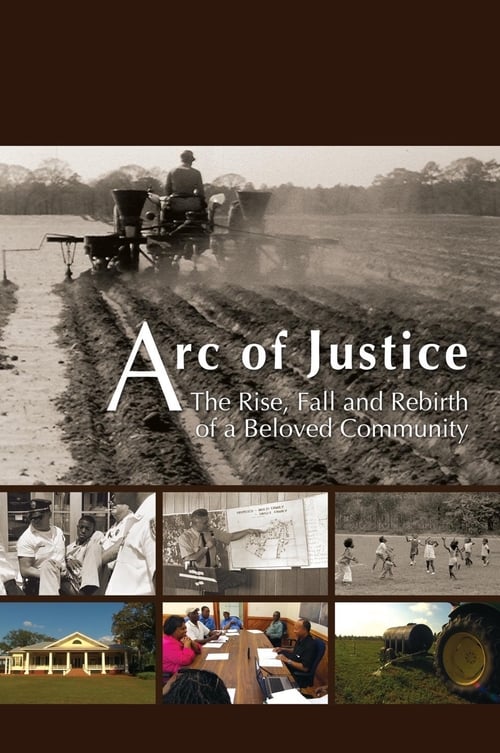
ARC OF JUSTICE traces the remarkable journey of New Communities, Inc. and the struggle for racial justice and economic empowerment among African Americans in southwest Georgia.
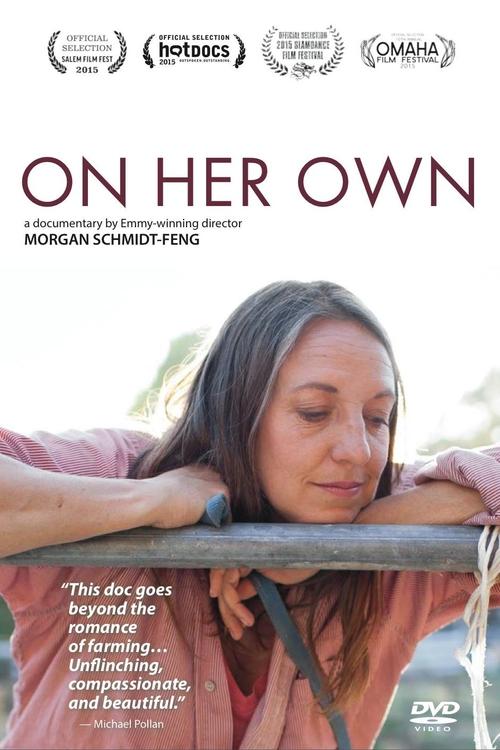
Nancy Prebilich and her sister live with their parents on a farm that has been in their family for five generations. With the unexpected death of both parents, the sisters are left to keep this dying farm out of foreclosure amidst the many perils faced by America’s farmers.
No overview available.
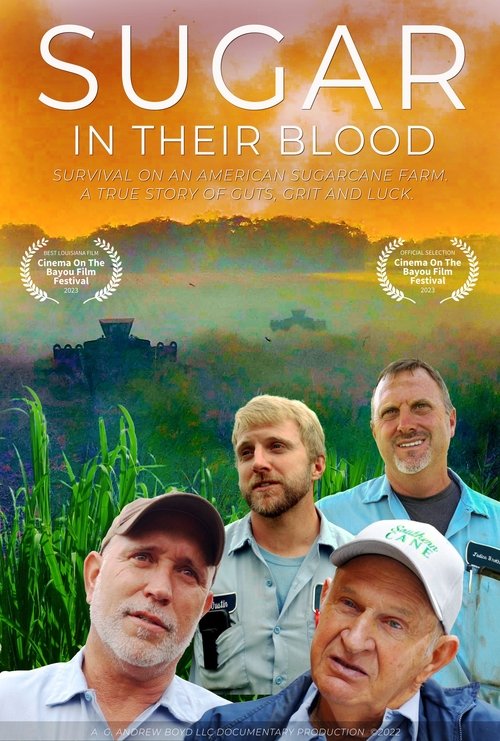
Mainly through the voice of family patriarch Joe Judice, Sugar in Their Blood follows a family of 7th generation Louisiana sugarcane farmers as they struggle with all of the challenges inherit in staying in business. It's a story of pride and resilience in the face of constantly changing conditions, both in terms of business and climate.
Documentary exploring economic and environmental connections between farmers in Latin America, coffee drinkers in the U.S., and the fate of migratory songbirds throughout the Americas. Illustrates how coffee drinkers in this and other developed countries hold in their hands the fate of farm families, farming communities, and entire ecosystems in coffee-growing regions worldwide.
How did it come about that we no longer see living beings in farm animals, but objects? Every year, 70 billion farm animals are slaughtered for consumption around the world. 80 percent are kept on large farms. They live crammed together in overcrowded stables, are fattened and finally slaughtered without ever having been in nature. In less than two generations, intensive husbandry has become established worldwide. Researches in Poland, the USA, Germany and Vietnam gets to the bottom of the system and those responsible. The meat industry is subsidized by the state. Corporations, governments and consumers tacitly support a deregulated and dehumanized economic system that makes unlimited consumption of animal products the norm - and with it, animal cruelty. The documentary film describes the triumph of industrial agriculture, in which the animal has to endure unimaginable suffering, becomes a commodity, a raw material that is always available and can be slaughtered and processed at will.
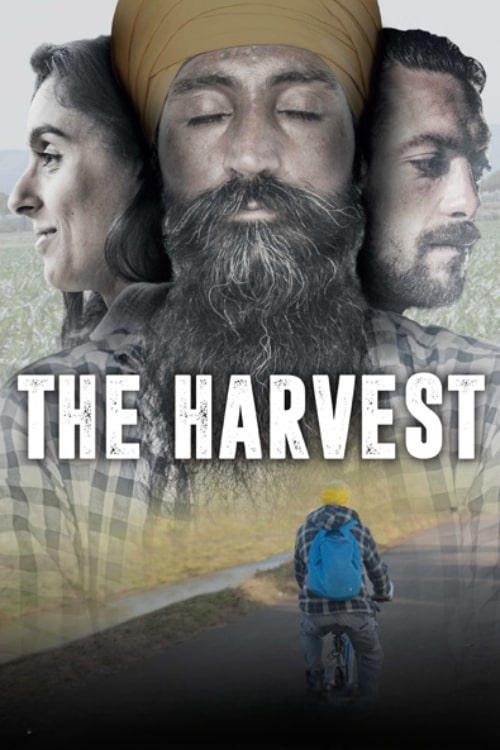
Gurwinder comes from Punjab, he’s been working for years as a farm hand in Agro Pontino, not far from Rome. Since he first came in Italy, he’s been living with the rest of the Sikh community in Latina province. Hardeep is also Indian, but her stress is Roman, and she works as a cultural mediator. She, born and raised in Italy, is trying to free herself from the memories of a family that emigrated in another age, while he is forced, against his faith, to take methamphetamine and doping to bear the heavy work pace, to be able to send money in India.
The plight of small-scale farmers in Africa and Asia forced off their land by an unprecedented corporate land grab. If they refuse they are subject to horrific violence, which has led to women miscarrying and deaths. Exploring the personal stories of those affected, this documentary gives a voice to threatened subsistence farmers throughout the developing world. If your livelihood was ripped away from you, how would you cope?
A fascinating compilation of scenes showing diversity and disparity in 1940s China. The ancient Forbidden City and Great Wall are followed by Shanghai’s metropolitan skyline; primitive farming methods are juxtaposed with mechanised factories; children in rags are contrasted with models wearing the latest fashions; Nationalist commanders and Communist leaders vie for support.
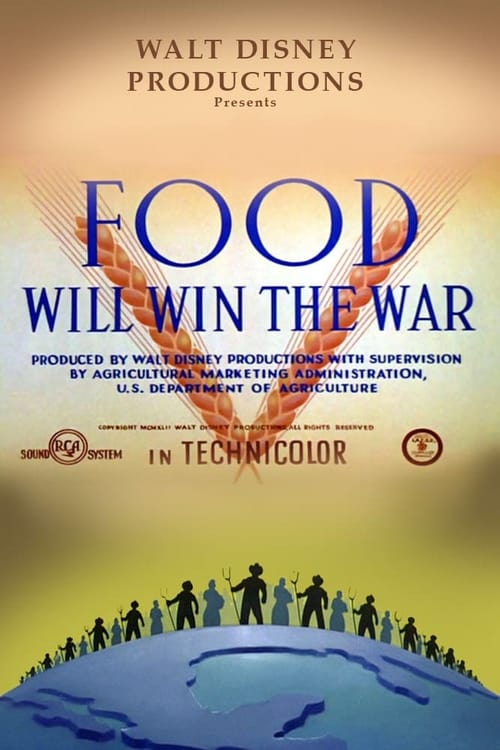
World War II propaganda film on the importance of American farming. A morale booster film stressing the abudance of American agricultural output.
Together, the three Bertrand brothers work their farm in a small Savoyard village. In 1972, they took the enormous risk to invest in the construction of an ultra modern stable for 82 milk cows. With modern organisation, they hoped to lead a better life. Almost 30 years later, the farm is successful. Their work is meticulous and the milk is graded top quality. The human cost is much more sombre. Indeed these thirty years can be summarised in one word : work. The brothers are bachelors and – each one now over sixty years old – a bitterness when they recall their past. The younger brother says it himself: "It's an economic success, but it's a human failure...".
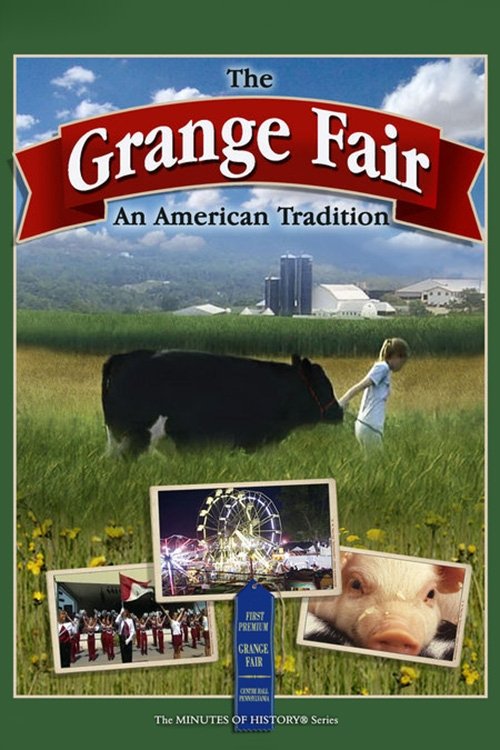
This Emmy award-winning documentary chronicles a vanishing piece of Americana: the last remaining agricultural encampment fair in the country, and the families who spend months preparing for this unique rural phenomenon.
Concerned about the declining health of people all around them, Native American women are sparking physical and spiritual rejuvenation through reclaiming traditional foodways.
Shot in Southern England over the course of six weeks by a crew of three American filmmakers, CircleSpeak offers a nuanced look at the passions and beliefs of the people immersed in the crop circle phenomenon during the season of 2001. This feature-length documentary presents interviews with serious “researchers”, self-proclaimed “hoaxers”, local farmers and villagers who are all, in one way or another, involved in this strange and compelling summer spectacle taking place year after year.
Is there a mental health crisis in agriculture in Colorado? Farming and ranching has become increasingly difficult over the years. An industry that is typically viewed as romantic, hardworking, and "salt-of-the earth" is actually a job full of tremendous stress outside of anyone's control. Combine that with the enormous generational pressure to continue the family farm, and you have a large group of people that are suffering silently. How do we take care of those that are taking care of us?