No Trailers found.
No Cast found.
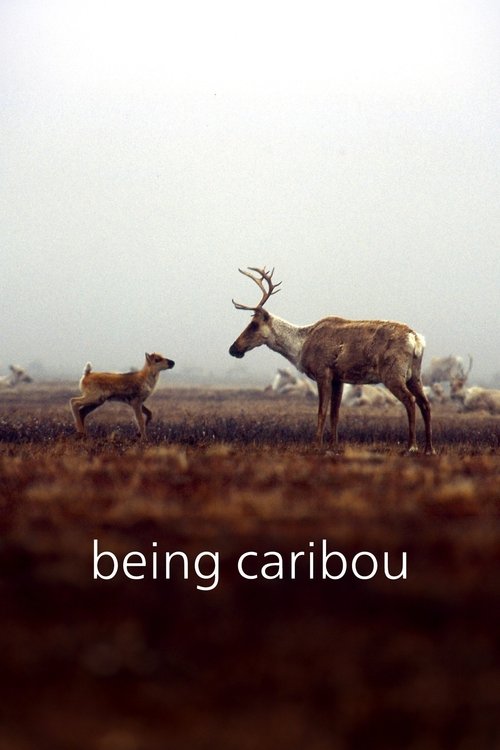
Wildlife biologist Karsten Heuer and his wife, environmentalist Leanne Allison follow a herd of 120,000 caribou on foot across 1500 km of Arctic tundra, hoping to raise awareness of the threats to the caribou's survival. Along this journey, they brave torrid conditions, dangerous wildlife and treacherous terrain all in the hopes of learning the truth about this epic migration.
"Africa Light" - as white local citizens call Namibia. The name suggests romance, the beauty of nature and promises a life without any problems in a country where the difference between rich and poor could hardly be greater. Namibia does not give that impression of it. If you look at its surface it seems like Africa in its most innocent and civilized form. It is a country that is so inviting to dream by its spectacular landscape, stunning scenery and fascinating wildlife. It has a very strong tourism structure and the government gets a lot of money with its magical attraction. But despite its grandiose splendor it is an endless gray zone as well. It oscillates between tradition and modernity, between the cattle in the country and the slums in the city. It shuttles from colonial times, land property reform to minimum wage for everyone. It fluctuates between socialism and cold calculated market economy.
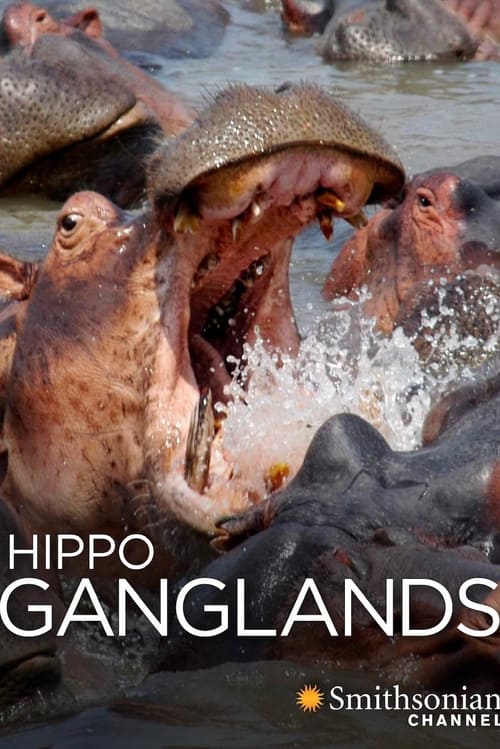
There's a gang war happening in the Luangwa Valley in Zambia, a battle among hippos for territory, dominance, mating rights, and survival. The reason? Dry season: a seven-month drought that forces over 30,000 hippos to the deepest part of the river to stay wet and cool. Follow these three-ton beasts as they fight lions, crocodiles, and other hippo gangs, struggling to stay alive until the next rainfall. Only then can they return to the lush paradise they once called home
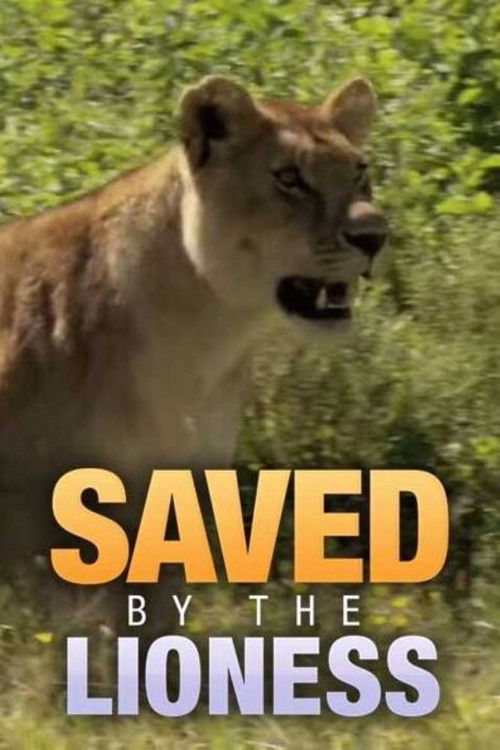
Nature documentary about a young wildebeest in the wilderness of Africa. The gnu calf strays from the herd and comes upon a lioness that kidnaps it. Instinctively, it treats the lion like its mother. And miraculously enough, the lioness does not see the calf as its prey. Like a true Survivor, the calf manages to escape from the lion's den and find its way back to its real mother.
No overview available.
It begins at the end: Tau is dying; a slow shutting-down creeps over his body. Its time to reflect His life is over but it was well spent.
Once upon a time, there was a pedunculate oak (Quercus robur), born in 1810, 210 years old and a pillar in its kingdom. This spectacular adventure features an extraordinary cast: squirrels, barnacles, jays, ants, field mice... This vibrant, whirring, marvelous little world seals its destiny around the majestic tree that welcomes them, feeds them and protects them from its roots to its crown. A poetic ode to life, in which nature alone expresses itself.
The Secrets of Life series (1934-50) may not conform to modern expectations of nature filmmaking, inclined as it is towards giving cute fluffy creatures human names and characteristics. But it couldn't be accused of shielding kiddies from the harsher realities of the food chain, as this exercise in ruthless Darwinism demonstrates to unintentionally hilarious effect. A more than usually eccentric narrator introduces us to the newborn bunny quartet of Donald, James, Charles and Clifford, but as the film's title gives away, "the boys" aren't all long for this world as they face an assault course of hungry owls, predatory badgers, shotgun-happy gardeners and aerial bombardment (no harm in a little anti-Nazi detour, this is 1942 after all). (from http://player.bfi.org.uk/film/watch-once-we-were-four-1942/)
The story of a little loggerhead turtle, as she follows in the path of her ancestors on one of the most extraordinary journeys in the natural world. Born on a beach in Florida, she rides the Gulf Stream up towards the Arctic and ultimately swims around the entire North Atlantic across to Africa and back to the beach where she was born. But the odds are stacked against her; just one in ten thousand turtles survive the journey.
90-year-old architect Shuichi Tsubata and his 87-year-old wife Hideko live in Aichi Prefecture. Their garden is bursting with 70 types of vegetables and 50 types of fruits, and they live in harmony with nature.
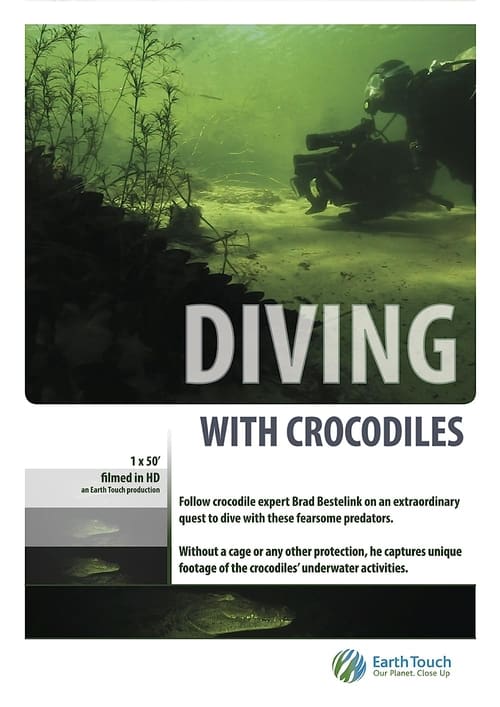
Documentary which follows crocodile expert Brad Bestelink on a quest to dive with crocodiles without a cage or any other protection.
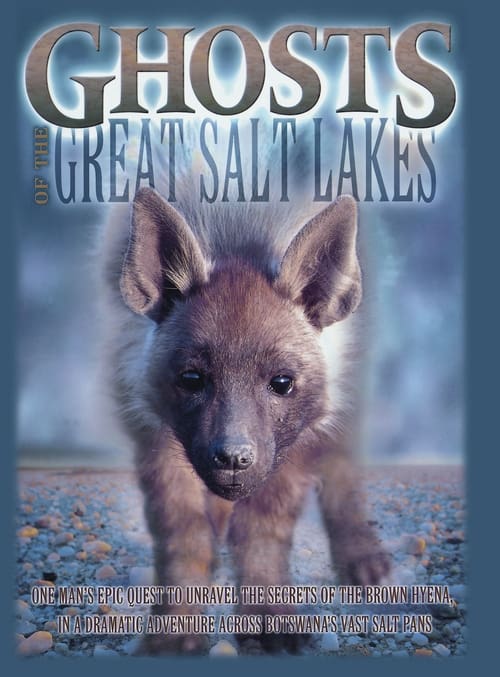
Hop on a high-speed endurance adventure through one of the harshest environments on Earth. Glyn Maude follows a family of brown hyenas in Botswana's desolate saltpans of the Makgadikgadi.
In a small rural town in Pennsylvania, the refuge of a rare salamander and the only source of clean drinking water for 700 people is threatened by the installation of a fracking waste injection well, prompting community members to band together to fight for the rights of their people and nature.
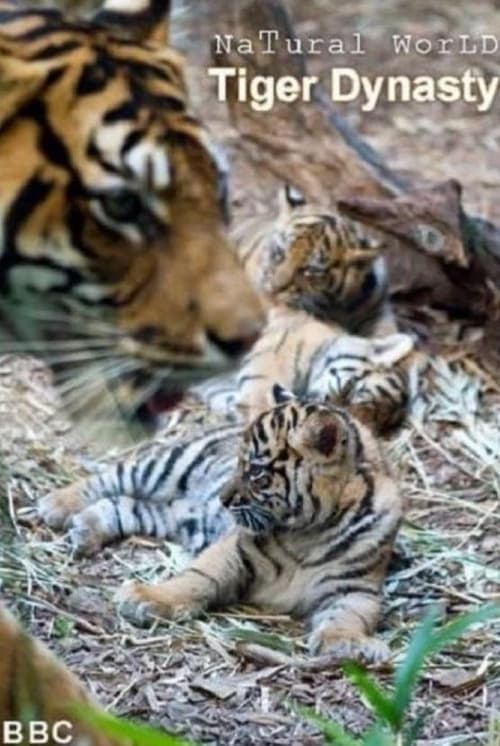
Wild tigress, Machli, is one of three sisters raised in India's Ranthambore National Park. Their mother, "The Lady of the Lakes," ruled the lakeside territory, until Machli rose up and took possession of her mother's throne.
No one in nature has mastered the art of deception like mantises. These seemingly innocent creatures are among the most feared predators in the insect world. Find out how they live, how they breed and who their biggest enemies are... They're killers. They kill their prey with incredible precision. They fight kung-fu style and are considered a symbol of vigilance in Japan. Who are they? Mantises, of course. They have an unmistakable, uniquely bendable head in the shape of a triangle. Two large eyes unerringly measure their prey. The thoracic part of their body is greatly elongated and studded with sharp protrusions that can stab an unfortunate victim with the speed of a switchblade. Mantises have a reputation for being stealthy creatures, especially as they are rarely seen. They are perfectly adapted to their environment, whether moving among leaves, flowers, tree bark, sandy soil or even flowering orchids.
How did your body become the complicated, quirky, amazing machine it is today? Anatomist Neil Shubin uncovers the answers in this 3-part science series that looks at human evolution. Using fossils, embryos and genes, he reveals how our bodies are the legacy of ancient fish, reptiles and primates — the ancestors you never knew were in your family tree.
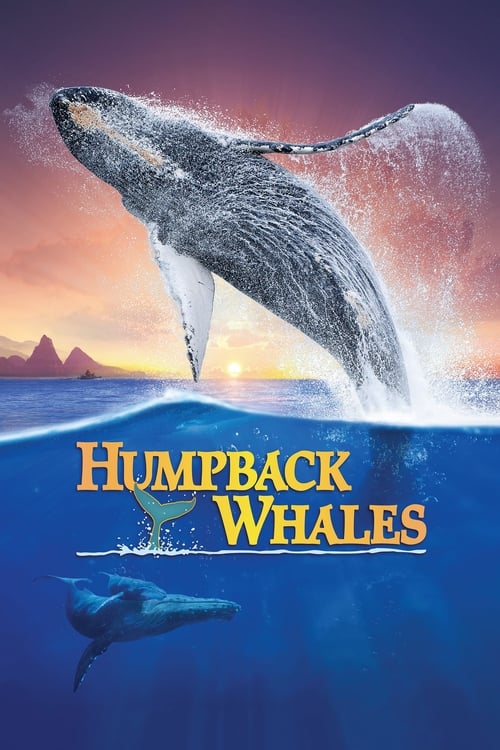
Humpback Whales takes audiences to Alaska, Hawaii and the Kingdom of Tonga for a close-up look at how these whales communicate, sing, feed, play and take care of their young. Humpbacks were nearly driven to extinction 50 years ago, but today are making a steady recovery. Join a team of researchers as they explore what makes humpbacks the most acrobatic of all whales, why only the males sing, and why these intelligent 50-foot, 48-ton animals migrate more than 6,000 miles round-trip every year.
Alabama is the Southernmost home of the Eastern Hemlock, a special grove of trees protected by Wild Alabama, who monitor against an incoming invasive species.
RHINO MAN follows the courageous field rangers who risk their lives every day to protect South Africa's rhinos from being poached to extinction.