No Trailers found.
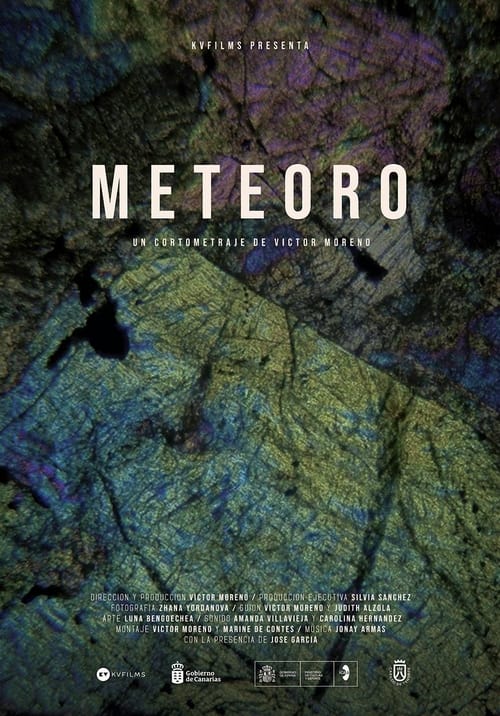
A mysterious rumble splits the sky and reverberates in the middle of the forest. A man delves into its depths to discover its origin and answer the questions presented by the universe.
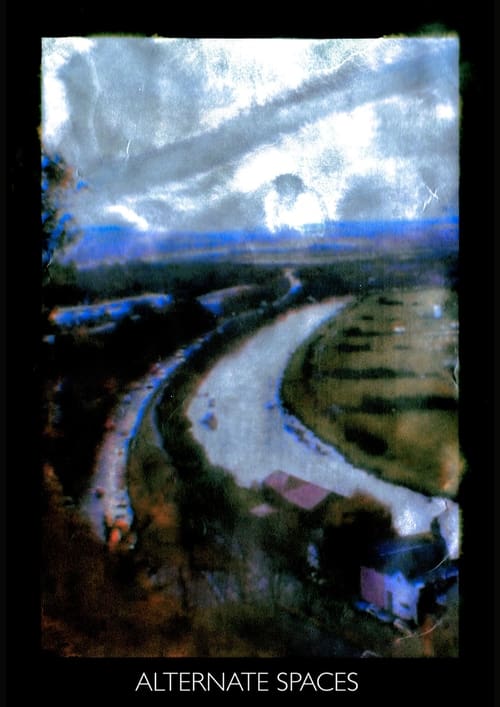
A short documentary on the River Ouse, following it downstream from Lewes to Newhaven, meditating on the surrounding area.
From the UFC Octagon in Las Vegas and the anthropology lab at Dartmouth, to a strongman gym in Berlin and the bushlands of Zimbabwe, the world is introduced to elite athletes, special ops soldiers, visionary scientists, cultural icons, and everyday heroes—each on a mission to create a seismic shift in the way we eat and live.
Made for screening at the U.S. Pavilion at the 1974 World's Fair in Spokane Washington, USA, which had a Native-American environmental theme, MAN BELONGS TO THE EARTH depicts the history of air, water, and earth pollution, and how environmentalists are trying to solve these problems using various technologies.
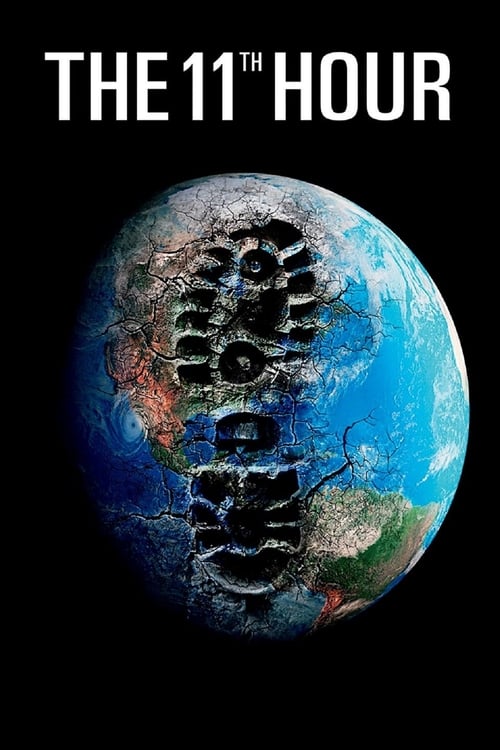
A look at the state of the global environment including visionary and practical solutions for restoring the planet's ecosystems. Featuring ongoing dialogues of experts from all over the world, including former Soviet Prime Minister Mikhail Gorbachev, renowned scientist Stephen Hawking, former head of the CIA R. James Woolse
Twenty-five films from twenty-five European countries by twenty-five European directors.
“Let’s Do It!” is a story about how a national cleanup campaign in a small European country grew into an ambitious global environmental movement. The idea spread far and wide, bringing about new wave of civic activism in many countries. However, even good initiatives can hit rough spots. The important thing is not to lose hope. This documentary captures the passion to change the world over the course of 10 years, culminating in World Clean-Up Day in 2018. The movie also showcases how grass-root initiatives can grow and subside and how some ambitions can be defeated only to give rise to even more ambitious ones.
Indigenous chief Juma Xipaia fights to protect tribal lands despite assassination attempts. Her struggle intensifies after learning she's pregnant, while her husband, Special Forces ranger Hugo Loss, stands by her side.
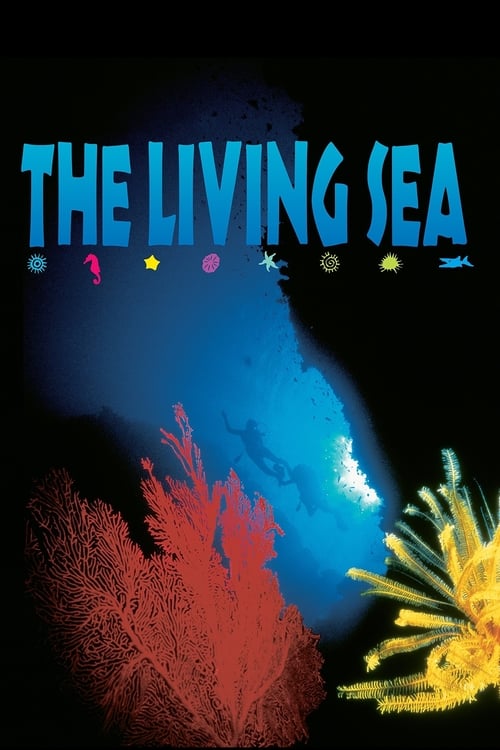
The Living Sea celebrates the beauty and power of the ocean as it explores our relationship with this complex and fragile environment. Using beautiful images of unspoiled healthy waters, The Living Sea offers hope for recovery engendered by productive scientific efforts. Oceanographers studying humpback whales, jellyfish, and deep-sea life show us that the more we understand the ocean and its inhabitants, the more we will know how to protect them. The film also highlights the Central Pacific islands of Palau, one of the most spectacular underwater habitats in the world, to show the beauty and potential of a healthy ocean.
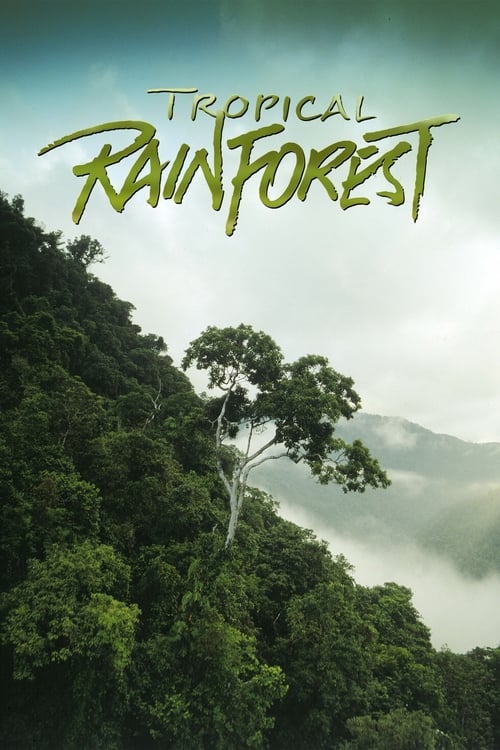
The story of the evolution of tropical rain forests, their recent and rapid destruction, and the intense efforts of scientists to understand them even as they disappear. This film gives viewers a better appreciation of the importance of tropical rain forests on a global scale.
One hour documentary about a special group of pacific islanders. The Lapita Navigators. The proud forefathers of many cultures in the tropical Pacific. They are losing their homes and crops because of sea level rise. Their livelihood and culture are dramatically threatened as the islands they live on are flooding day by day. By chance, a sailor, Steve Goodall, came across them on his travels and discovered they knew nothing about the current forecasts for sea level rise. Once informed they asked for his help. The outcome and conclusion of this story will be told in the context of an event celebrating their living culture, a culture at a cross roads of great importance for all of us.
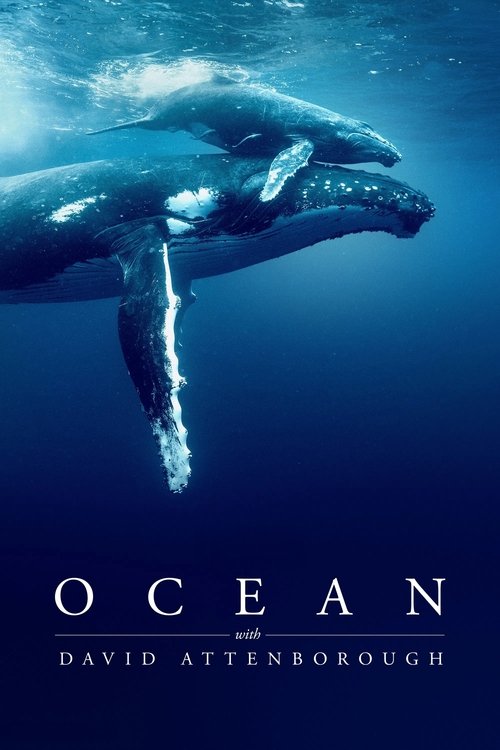
David Attenborough takes viewers on a breathtaking journey showing there is nowhere more vital for our survival, more full of life, wonder, or surprise, than the ocean. Through spectacular sequences featuring coral reefs, kelp forests and the open ocean, Attenborough shares why a healthy ocean keeps the entire planet stable and flourishing.
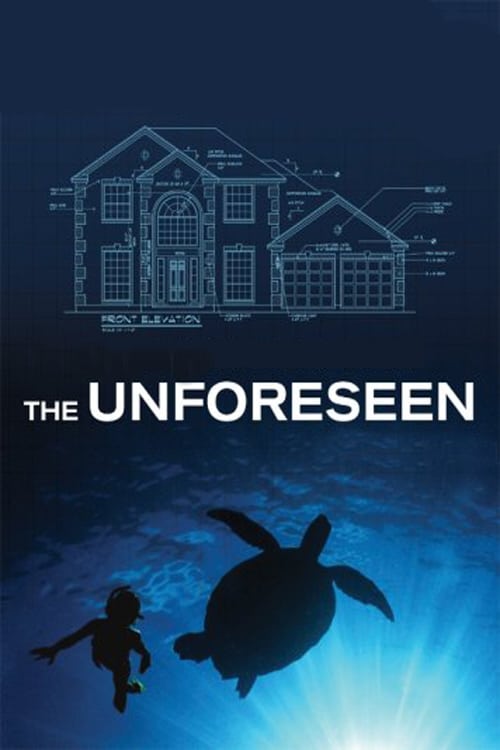
A documentary about the development around Barton Springs in Austin, Texas, and nature's unexpected response to being threatened by human interference.
This documentary explores a variety of projects undertaken by scientists at Environment Canada's Freshwater Institute in Winnipeg to study the processes that pollute or disrupt clean and balanced freshwater environments.
Before the creation of the secret cities of Los Alamos, Oak Ridge and Hanford, the Manhattan Project hired the Mallinckrodt Chemical Works of St. Louis to refine the first uranium used in the atomic bomb dropped on Hiroshima. For the next two decades, Mallinckrodt continued its classified work for the Atomic Energy Commission during the Cold War. The resulting radioactive waste contaminated numerous locations in the St. Louis area some of which have not been cleaned up 70 years after the end of World War II. Told through the eyes of an overexposed worker, the story expands through a series of interviews that careen down a toxic pathway leading to a fiery terminus at a smoldering, radioactively-contaminated landfill. The First Secret City reveals a forgotten history and its continuing impact on the community in the 21st Century, uncovering past wrongdoing and documenting the renewed struggles to confront the issue.
"Go Further" explores the idea that the single individual is the key to large-scale transformational change. The film follows actor Woody Harrelson as he takes a small group of friends on a bio-fueled bus-ride down the Pacific Coast Highway. Their goal? To show the people they encounter that there are viable alternatives.
No overview available.
Keur Simbara is an intimate, lyrical short documentary that follows a group of women community organizers in a rural Senegalese village as they build and sustain systems of health, finance, agriculture, and domestic infrastructure. Amid water scarcity and environmental challenges, they articulate their hopes for the future and the legacy they wish to leave behind. Keur Simbara is a tribute to communal wisdom and the power of local organizing.
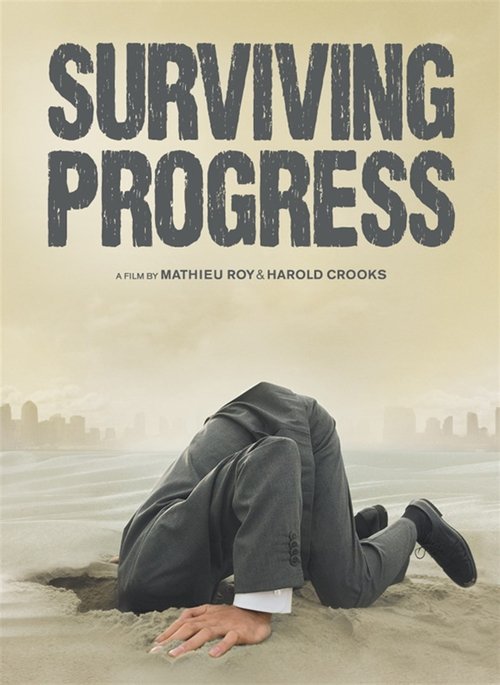
Humanity’s ascent is often measured by the speed of progress. But what if progress is actually spiraling us downwards, towards collapse? Ronald Wright, whose best-seller, “A Short History Of Progress” inspired “Surviving Progress”, shows how past civilizations were destroyed by “progress traps”—alluring technologies and belief systems that serve immediate needs, but ransom the future. As pressure on the world’s resources accelerates and financial elites bankrupt nations, can our globally-entwined civilization escape a final, catastrophic progress trap? With potent images and illuminating insights from thinkers who have probed our genes, our brains, and our social behaviour, this requiem to progress-as-usual also poses a challenge: to prove that making apes smarter isn’t an evolutionary dead-end.
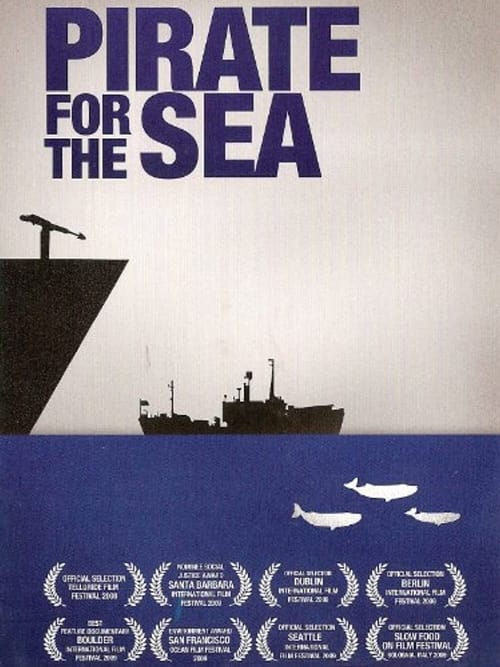
A documentary on Paul Watson, who takes the law into his own hands on the open seas, confronting, by any nonviolent means necessary, the hunters who indiscriminately slaughter whales, seals and sharks, along with complicit governments and environmental organizations. Written by Anonymous "Pirate for the Sea" is a biographical film of Captain Paul Watson, the youngest founding member of Greenpeace Canada. He organized early campaigns protesting the killing of seals, whales, and dolphins. Greenpeace ejected him for being too much of an activist. Starting his own organization, the Sea Shepherd Conservation Society, he went on to sink illegal whaling ships, stopped Canadian seal hunts for ten years, permanently halted sealing in British Isles, killing of dolphins on Iki Island, Japan, etc. This documentary witnesses his latest campaigns and explores the personal and environmental history of this controversial marine conservationist. Written by R.C.
Himself
Herself