A look at the history and traditions of flamenco music and dance.
Trailer
A thoughtful exploration of gypsy culture, an intimate portrait of flamenco guitar player Yerai Cortés and a healing family exorcism through music. Antón Álvarez (aka C. Tangana) makes his filmmaking debut with this documentary.
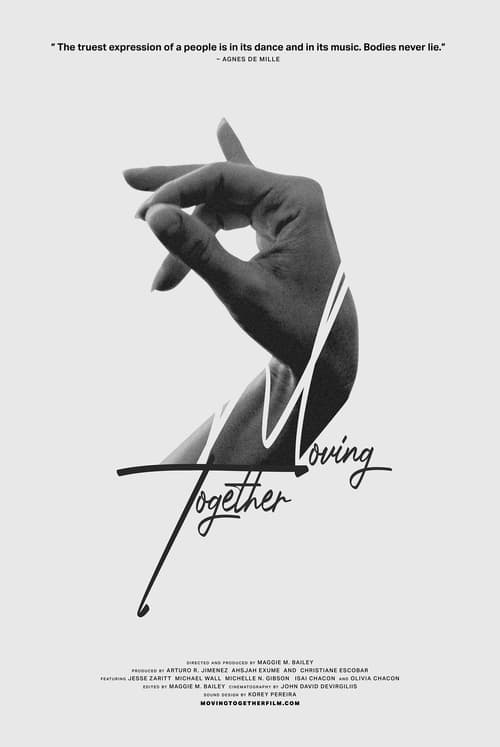
Moving Together is a celebratory love letter to music and dance that brims with kinetic life and energy. This documentary explores the intricate collaboration between dancers and musicians, moving seamlessly between Flamenco, Modern, and New Orleans Second Line.
Caco is a proud, handsome man, head of a family, and very powerful in the local community. Yet he has been torn to pieces by the death of his beloved daughter. He constantly visits her grave, weeps silently at her photo and has transferred all his wildly protective love and attention onto his mentally challenged nephew, Diego. It seems that Diego's father, Caco's brother, is in hiding after having killed a man from the Caravaca family, who are equally powerful in the community. They are looking for vengeance and have come to Caco for justice. When he refuses to betray his brother, the Caravacas grow impatient. When they realize they are getting nowhere, they threaten to kill Diego. Despite his fierce pride, Caco eventually realizes that the cycle of killing and revenge must be broken. But how can he achieve this and protect everyone he loves?
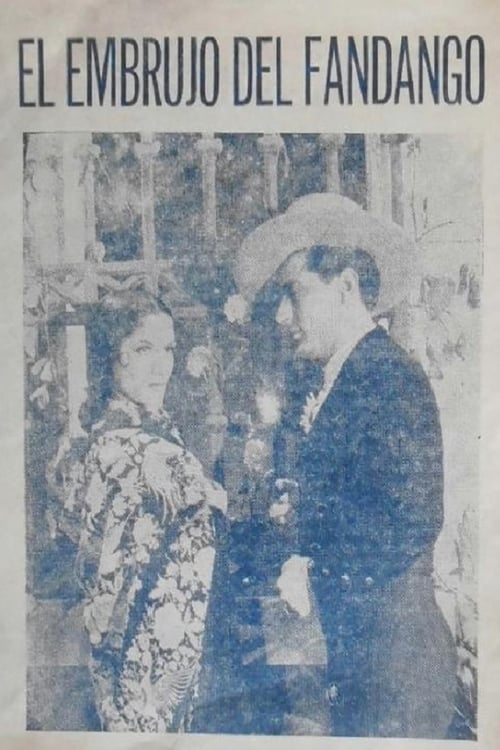
In a Gypsy village, the fathers of Candela and José promise their children to each other. Years later, the unfaithful José marries Candela but while defending his lover Lucía in a brawl, he is stabbed to death. Carmelo, who secretly loves Candela since he was a boy, is arrested while helping José and unfairly sent to prison. Four years later he is released and declares his love for Candela. However, the woman is cursed by a bewitched love and every night she goes to the place where José died to dance with his ghost.
No overview available.
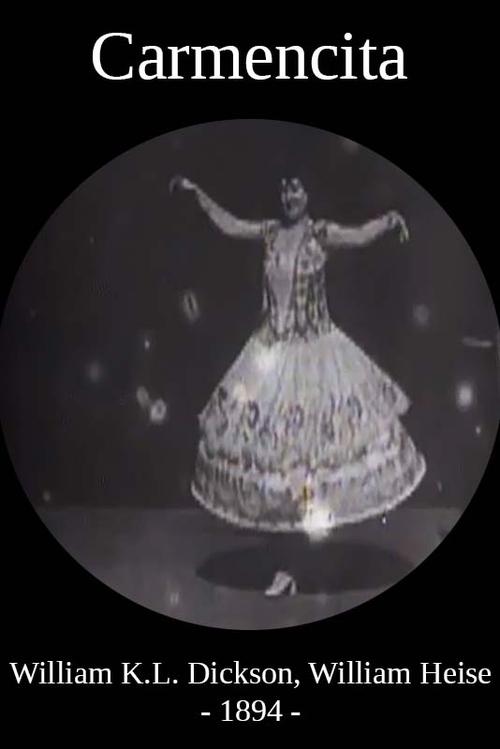
The first woman to appear in front of an Edison motion picture camera and possibly the first woman to appear in a motion picture within the United States. In the film, Carmencita is recorded going through a routine she had been performing at Koster & Bial's in New York since February 1890.
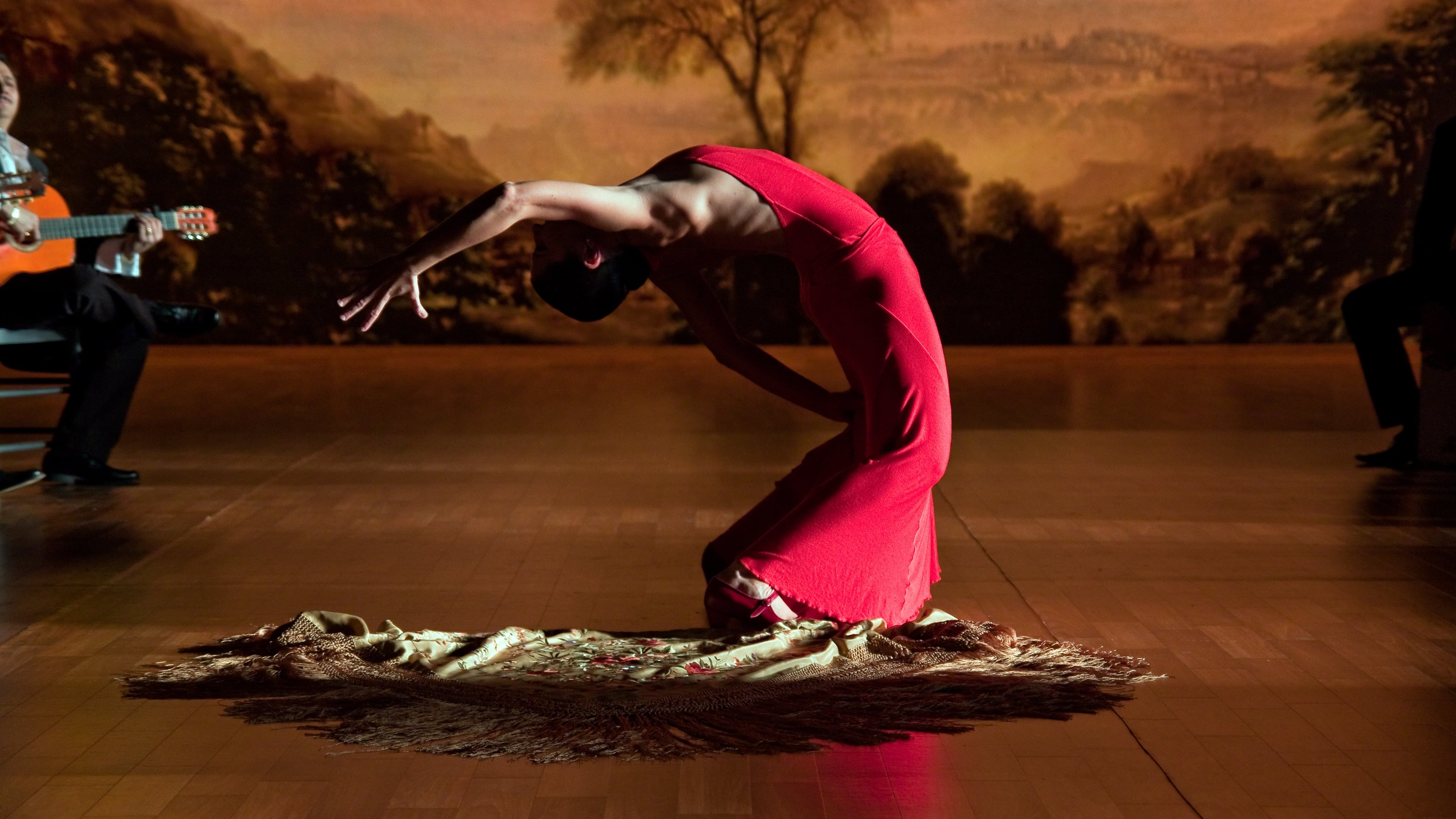
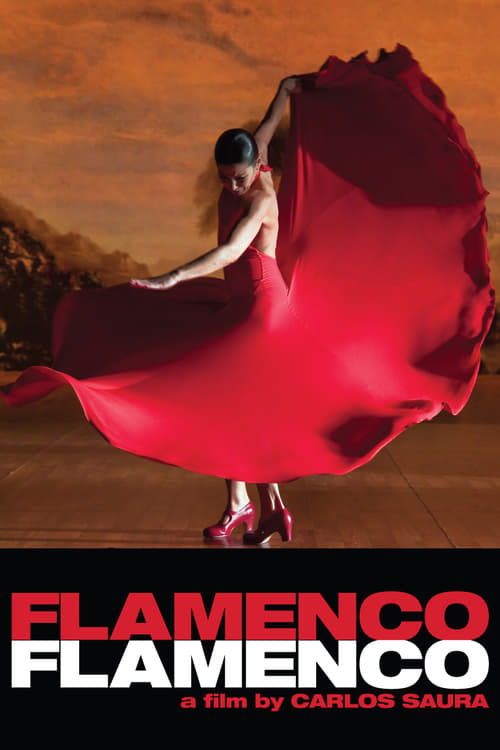
The film presents thirteen rhythms of flamenco, each with song, guitar, and dance: the up-tempo bularías, a brooding farruca, an anguished martinete, and a satiric fandango de huelva. There are tangos, a taranta, alegrías, siguiriyas, soleás, a guajira of patrician women, a petenera about a sentence to death, villancicos, and a final rumba.
Kuk-hee, a by-the-book district office civil servant, has lived a flawless, tightly scheduled life. With a promotion imminent and her daughter's future secured, everything is going according to plan. Until it all unravels—her promotion is taken, her daughter disappears, and an unexpected emptiness sets in. Searching for balance again, Kuk-hee ends up in the last place she ever expected: a flamenco dance studio.
A young drag queen from Andalusia exposes the difficulties of adding aspects of her homeland culture to her artistic expression.
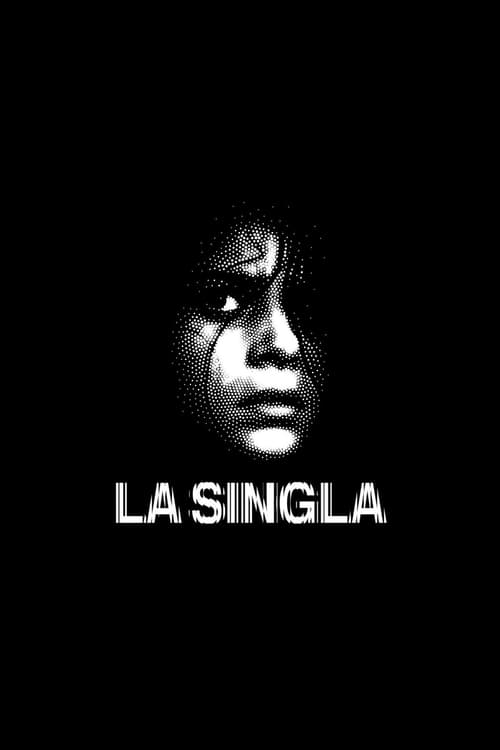
In the 1960s, a young Spanish flamenco dancer named Antonia Singla captivated audiences with her strikingly passionate performances. Having lost her hearing at a young age, La Singla rose to fame with her commanding presence through a combination of her powerful gaze and thunderous movement. However, just at the height of her fame, she seemingly disappeared and decades later has been all but forgotten. When a young woman in Seville comes across La Singla’s story, a bigger picture starts to be unveiled. Through research, interviews and captivating archival footage, she starts to piece together the legend of La Singla. Through the beauty of her performances and the heartbreak of her story, La Singla celebrates and preserves the legacy of one of the greatest Flamenco dancers of all time.
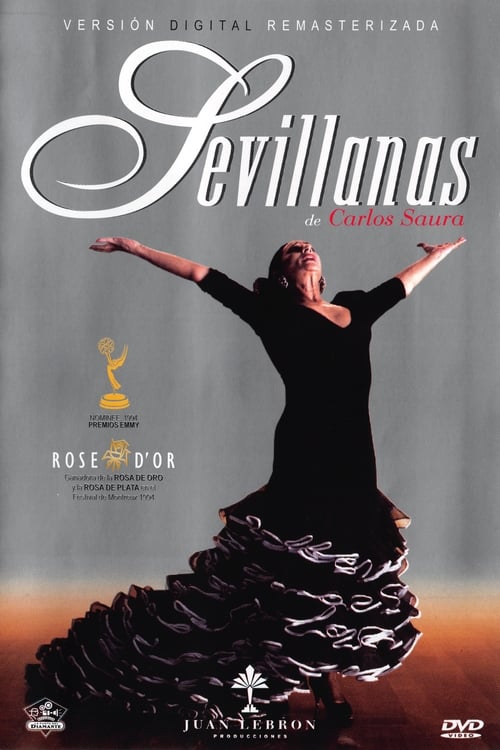
Filmed like a documentary, "Sevillanas" consists of eleven short performances by Spain's most famous flamenco dancers, singers and guitarists. Saura, well-known for his flamenco films ("Blood Wedding," "Carmen"), here provides an in-depth look at the Sevillanas form of flamenco and its dancers.
In his time of greatest splendor, the singer Miguel 'Bambino' Vargas Jiménez (1940-99) was the last frontier of flamenco, an immense musical genre that he developed and brought closer to large audiences: an artist of artists, the idol of the roadside bars, whose inimitable style, scenic magnetism and heartbreaking personality made of his figure a myth, a king without a kingdom, a giant of the popular music of the 20th century.
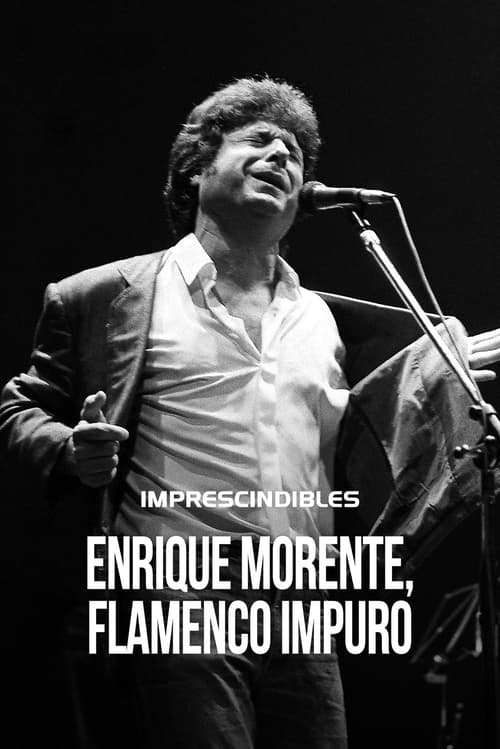
Enrique Morente's three sons tell the story of their father: the most revolutionary flamenco in history. Despite criticism from purists, he opened cante jondo to cultured poetry, brought it closer to young university students, explored its Arab roots and paired it with rock and other contemporary sounds. Much of the Spanish music of the last decades is heir to his findings.
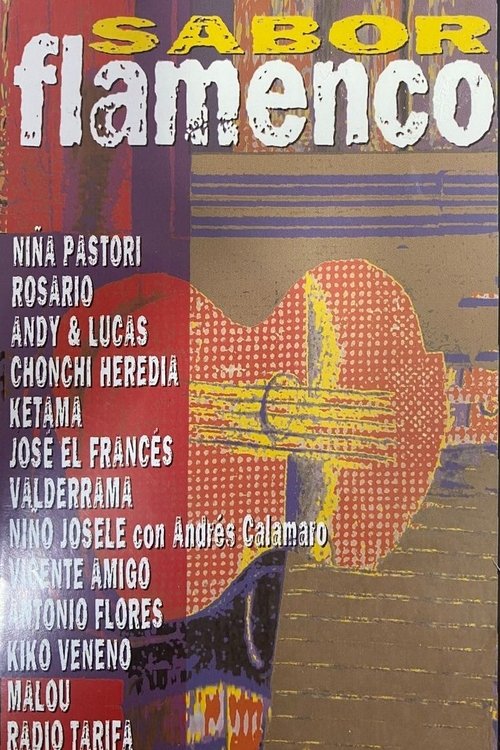
In this magnificently presented DVD CD, Niña Pastori performs the 12 songs on the album accompanied by her musicians, shot with five cameras by director Juan Estelrich with enormous sensitivity and quality. Setlist: 1.Principio 2.Espinas 3.Imposible 4.El Loco Del Barrio 5.En Tres Minutos 6.Puede Ser 7.La Cuna 8.Santo Romero 9.La Tata 10.En Los Rincones De Mi Casa 11.Como Me Duele 12.Final
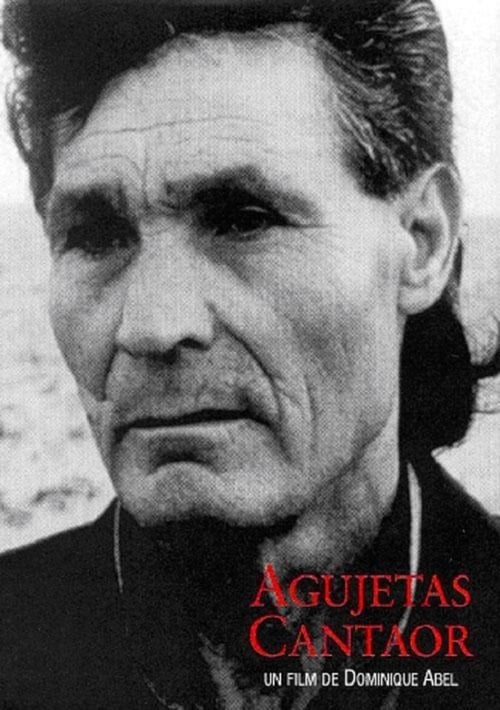
Documentary based on the figure of Manuel Agujetas (Manuel de los Santos Pastor 1939-2015), mythical cantaor and one of the last representatives of the Flamenco de Jerez school. Essential figure of flamenco.
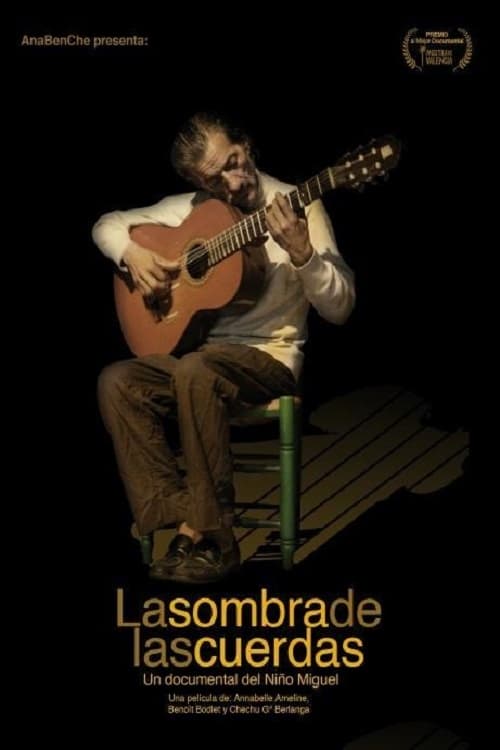
Throughout the streets of Huelva, a man with his guitar has been disambiguating for years, day and night he goes out into the streets to make a living asking for money in bars and terraces. His guitar almost never has the six strings, his hands are dirty, his mind long ago could not stand the life that he had to live, and he continues as he can stuck to that guitar with which he expresses himself continuously, indefatigable. That vagabond, an omnipresent street artist, is the "Niño Miguel", considered by many to be the best guitarist in the history of flamenco, a genius who revolutionized the guitar with only two records in the 70s, a source of inspiration for all other guitarists... a guitarist of guitarists, a living legend, a mystery, a misunderstood genius, excluded from society: The shadow of the strings.
Himself
Herself