Meditation on enigma of time and preservation of memory.
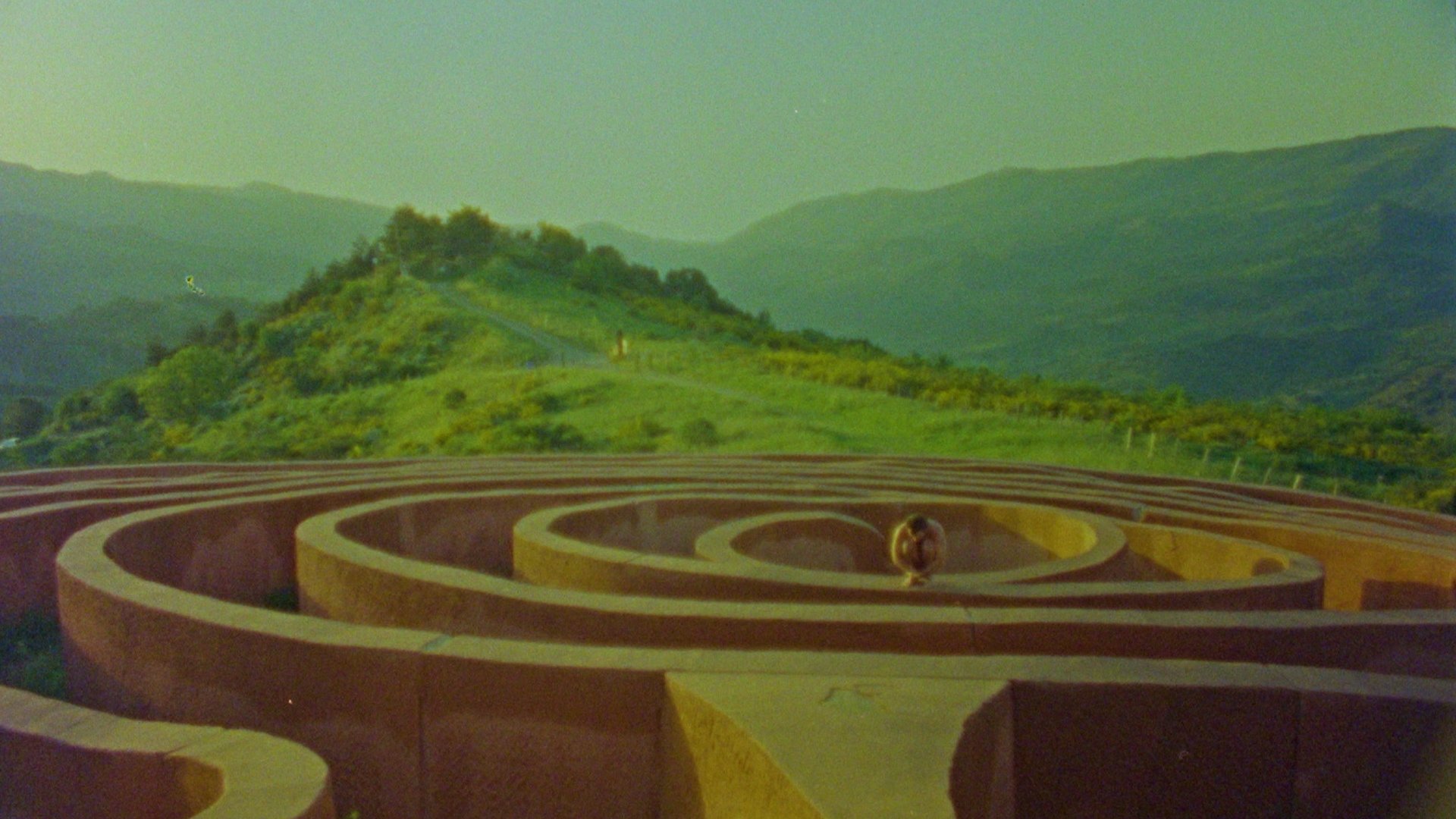
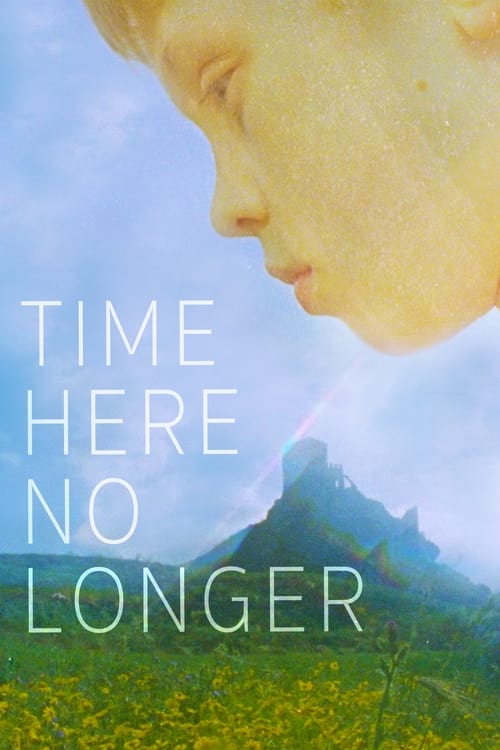
A young man recalls different moments of his life, reflecting the preservation of memory, the enigma of time and the inevitability of death
A day in the city of Berlin, which experienced an industrial boom in the 1920s, and still provides an insight into the living and working conditions at that time. Germany had just recovered a little from the worst consequences of the First World War, the great economic crisis was still a few years away and Hitler was not yet an issue at the time.
A doctor's efforts to live a green life near the Appalachian Mountains lead to the development of a radical idea to use green burials to conserve one million acres of land and to create wildlife reserves.
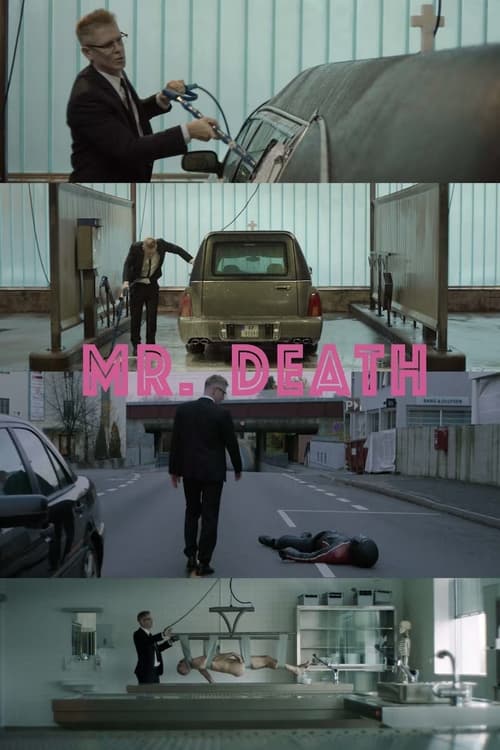
An exclusive interview with Death as he goes about his everyday business.
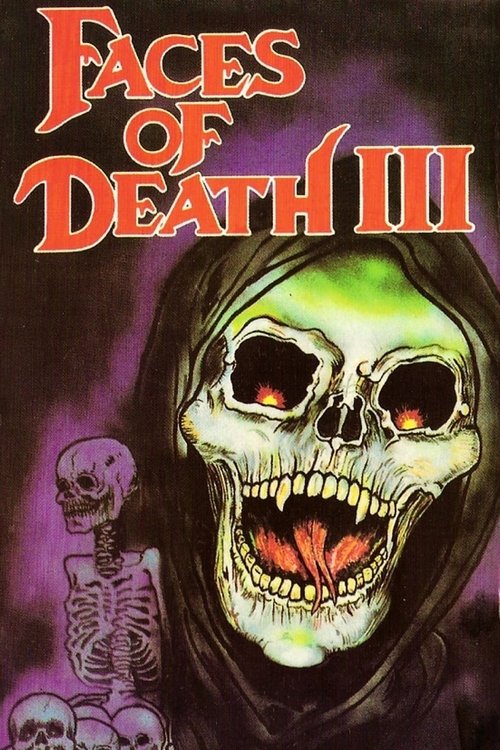
The third installment of the infamous "is it real or fake?" mondo series sets its sights primarily on serial killers, with lengthy reenactments of police investigations of bodies being found in dumpsters, and a staged courtroom sequence.
My Flesh and Blood is a 2003 documentary film by Jonathan Karsh chronicling a year in the life of the Tom family. The Tom family is notable as the mother, Susan, adopted eleven children, most of whom had serious disabilities or diseases. The film itself is notable for handling the sensitive subject matter in an unsentimental way that is more uplifting than one might expect.
Parallel stories connected through an intimacy with death. The living and the dead communicate through visions, memories and reality.
In 1952, Haanstra made Panta Rhei , another view of Holland through the eyes of a painter and filmmaker. Its poetic images of water, skies and clouds reflect Haanstra's own moods.
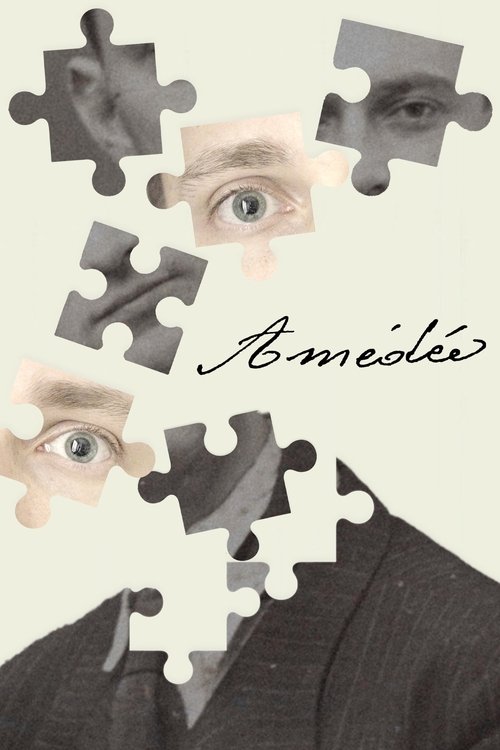
In 1952, Amédée took his own life by jumping into the Seine. No one knows the reason for this tragic act. His story comes to us in bits and pieces.
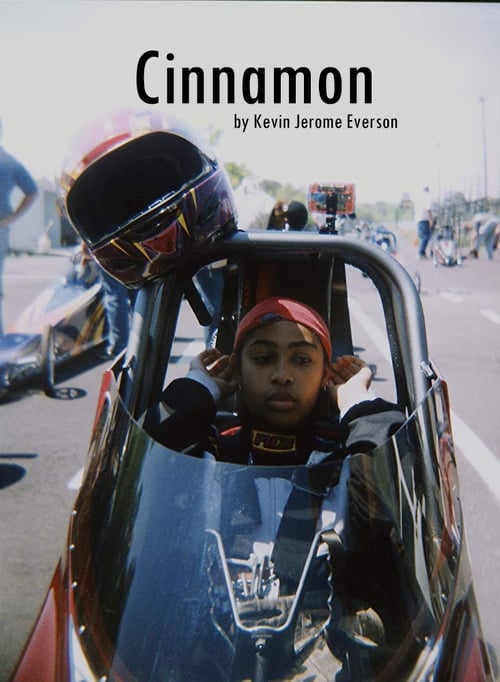
An experimental film that lifts the veil on the world of African American drag racing.
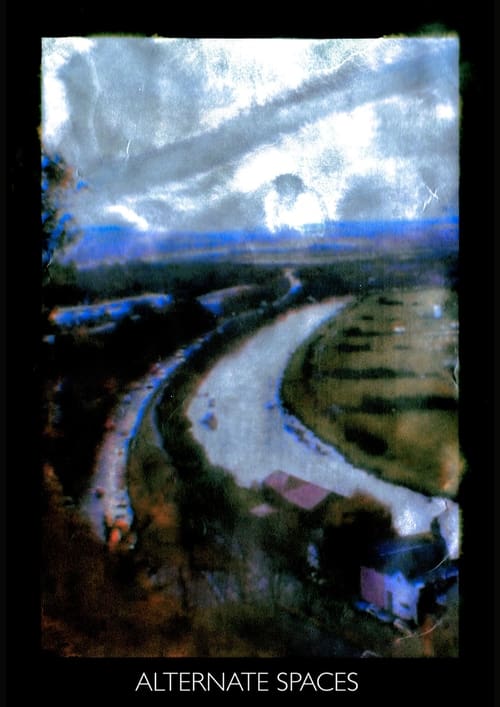
A short documentary on the River Ouse, following it downstream from Lewes to Newhaven, meditating on the surrounding area.
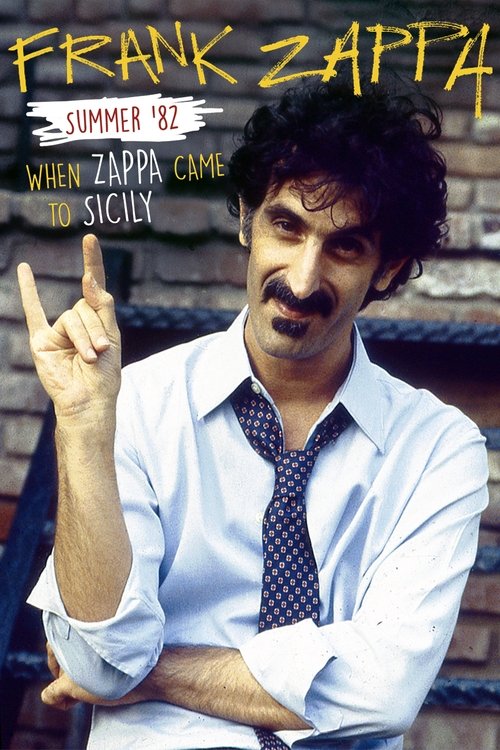
In the feature documentary, Summer 82 – When Zappa Came to Sicily, filmmaker and Zappa fan Salvo Cuccia tells the behind-the-scenes story of Frank Zappa's star-crossed concert in Palermo, Sicily, the wrap-up to a European tour that ended in public disturbances and police intervention. Cuccia had a ticket to the concert but never made it. Thirty years later, collaborating with Zappa's family, he re-creates the events through a combination of rare concert and backstage footage; photographs; anecdotes from family, band members, and concertgoers; and insights from Zappa biographer and friend Massimo Bassoli. The story is also a personal one, as Cuccia interweaves the story of Zappa's trip to Sicily with his own memories from that summer.
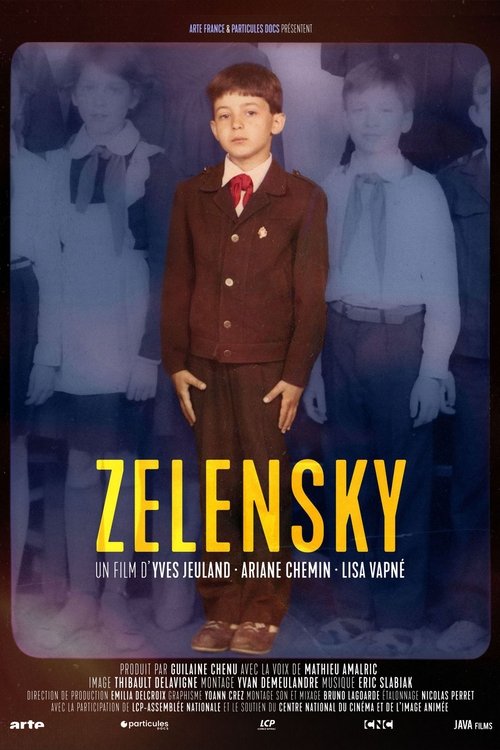
Ten years ago, Volodymyr Zelensky was just one of the many faces on Ukrainian television screens. He became a star thanks to the 2015 satirical series Servant of the People, in which he played a history teacher who becomes president. Four years later, what began as fiction became a reality. This French documentary follows the transformation of a popular TV comedian into a statesman on the front lines of the Russian invasion. Archival footage, family photos, television appearances, and interviews with Zelensky and those closest to him create a multi-layered portrait of a man who always longed for a large audience. At the same time, the film places his personal development in the broader context of post-Soviet Ukraine, which is also searching for its own identity.
In New Jersey, the Good Grief community focuses on a holistic way of dealing with grief, where children can give in to rage in ‘the volcano room,' and say goodbye to a dying teddy bear patient in ‘the hospital room.' Over the course of a year, we follow the weekly meetings and get close to Kimmy, Nicky, Peter, Nora, Nolan, and Mikayla and their close companion: grief. It is sometimes heartbreaking, but also humorous, to experience the questions about life and death through their open and curious minds. Grief is high and heavy as a mountain, but it helps you understand what has happened, and that death is irreversible.
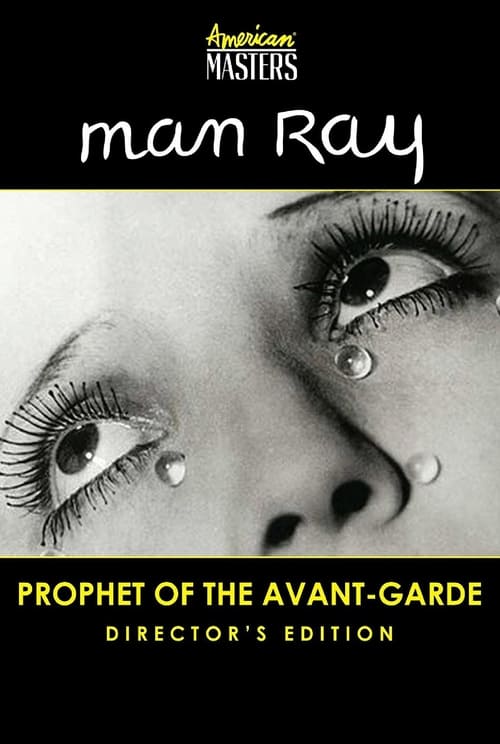
Man Ray, the master of experimental and fashion photography was also a painter, a filmmaker, a poet, an essayist, a philosopher, and a leader of American modernism. Known for documenting the cultural elite living in France, Man Ray spent much of his time fighting the formal constraints of the visual arts. Ray’s life and art were always provocative, engaging, and challenging.
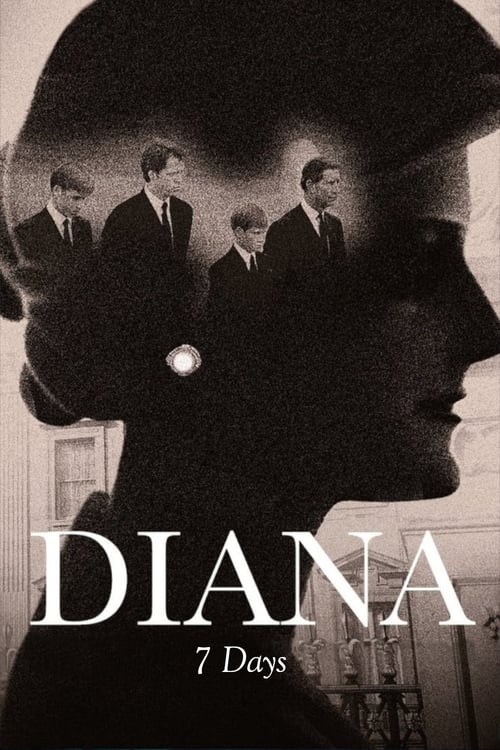
In August 1997, the tragic death of Diana, Princess of Wales, stunned her family and catapulted the British public into one of the most extraordinary weeks in modern history. What was it about Diana that resulted in such an outpouring of grief? And what does that week reveal about Britain's relationship with the monarchy, then and now?
No overview available.
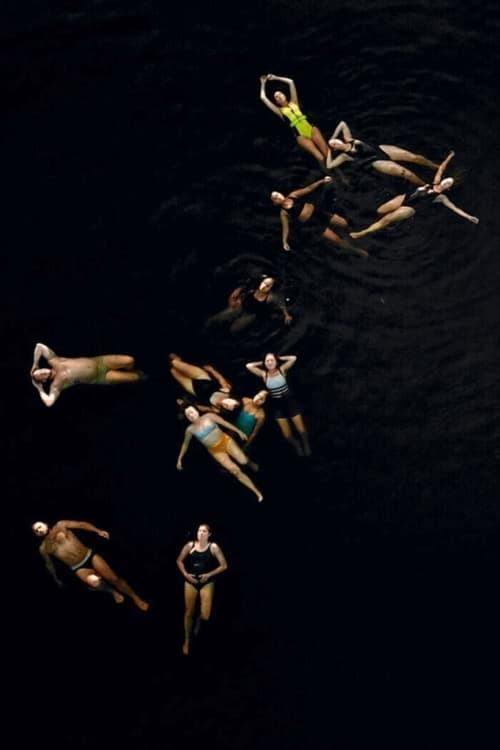
Lake gazes down at a still body of water from a birds-eye view, while a group of artists peacefully float in and out of the frame or work to stay at the surface. As they glide farther away and draw closer together, they reach out in collective queer and desirous exchanges — holding hands, drifting over and under their neighbors, making space, taking care of each other with a casual, gentle intimacy while they come together as individual parts of a whole. The video reflects on notions of togetherness and feminist theorist Silvia Federici’s call to “reconnect what capitalism has divided: our relation with nature, with others, and our bodies.”
Since 2007, dozens of young people have been found hanged in Bridgend, a town in southern Wales. Many of them knew one another-they were friends, neighbors, and family. The striking similarities between their deaths have confounded authorities and struck fear into the hearts of parents. Headlines splashed across the UK earned Bridgend its infamous nickname: ""Death Town."
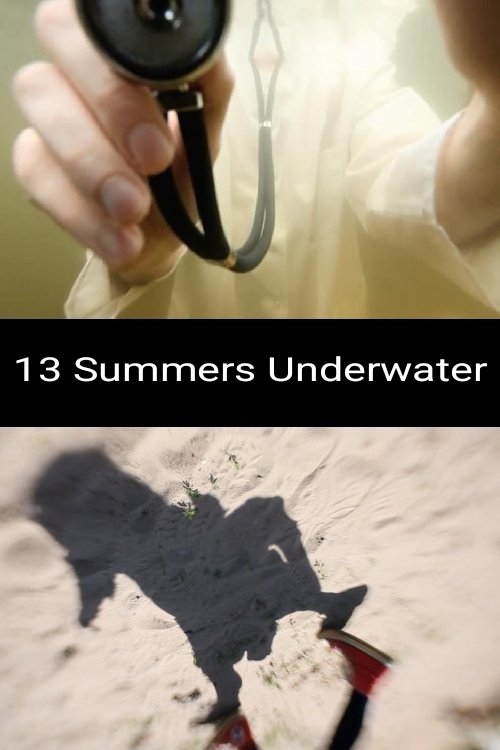
'if you only had one year left of your life, what would you do?' This question asks Swiss author Franz Hohler. His answer: 'Make death your adviser to live life to the fullest.' He is one of several carefully chosen Swiss citizens who give us an insight into their personal views on life and death. Besides these colorful, oftentimes funny quotes we meet Tom, a 50-year old male that has been diagnosed with incurable brain tumor. Contrary to what one would expect, Tom takes his sickness not as a burden but as a chance and lives his life happier than ever before. This to the surprise of his family and friends and above all - himself. The film encourages people to live life more consciously.
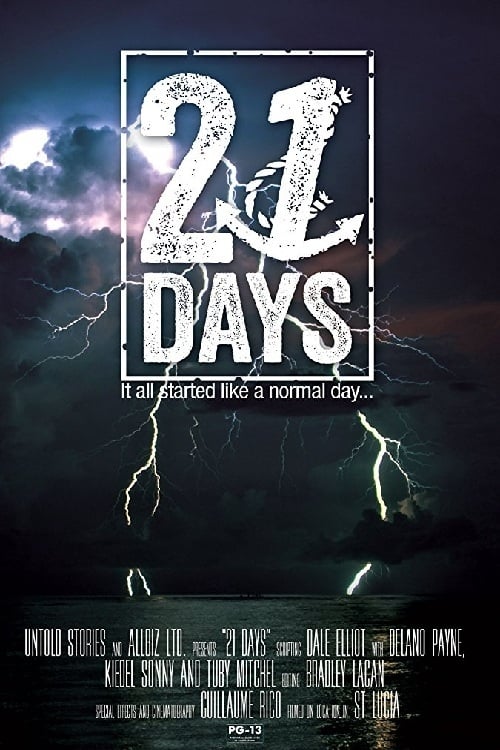
21 Days, based on the story of six young fishermen who left Gros-Islet fishing village on a routine fishing expedition and simply vanished. The young men disappeared on February 15, 1985, after they set out on a fishing expedition.
No Trailers found.
Narrator
Boy