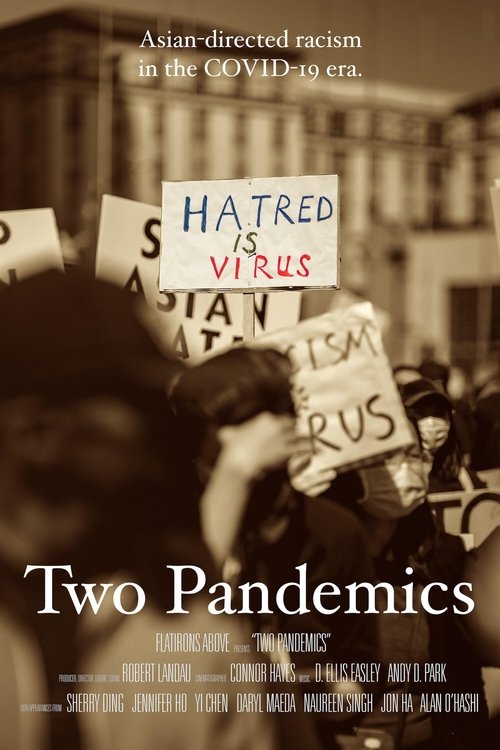
Asian-directed racism in the COVID-19 era.
Seven Asian-Americans discuss their experiences with racism and the spike in Asian-directed hate crimes as a result of COVID-19.
Trailer
Self
Filmed on the 60th anniversary of the republic, this dark-humor documentary delves on the highs and lows of living in North Korea.
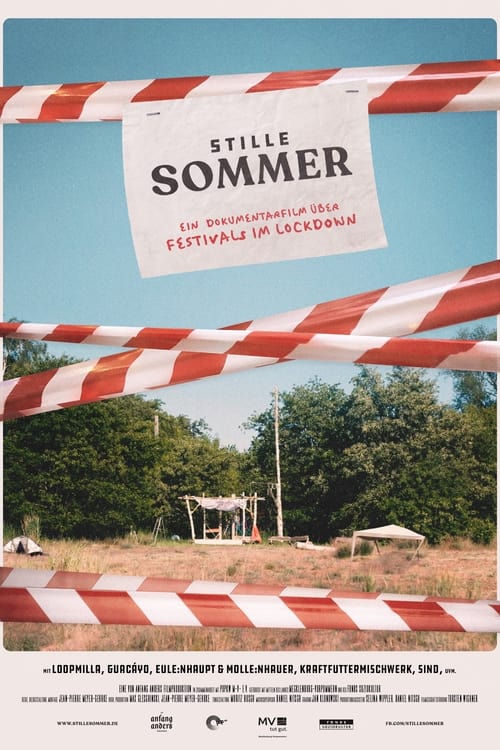
Escape from everyday life in freedom and community and live utopias - for many organizers and artists, the secret of the music festivals that make culturally weak Mecklenburg-Western Pomerania a place of pilgrimage for tens of thousands of people every summer. But instead of freedom, community and utopia, there was one thing above all in the festival summers of 2020 and 2021: silence.
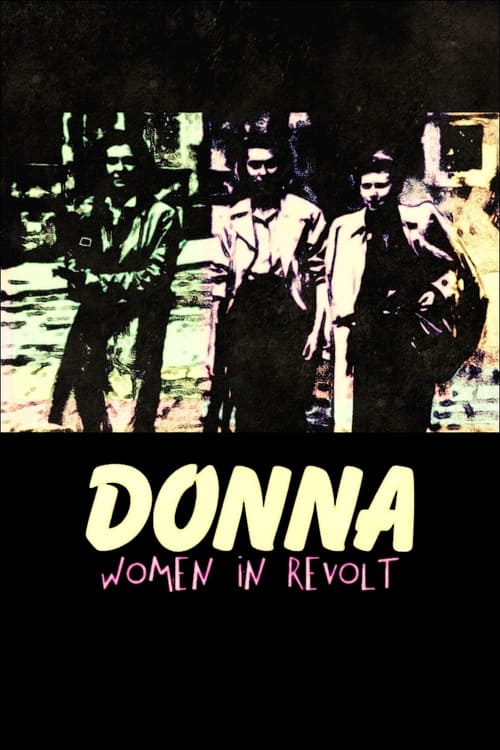
The story of those Italian women who, for eighty years, have fought against power in all its forms.
No overview available.
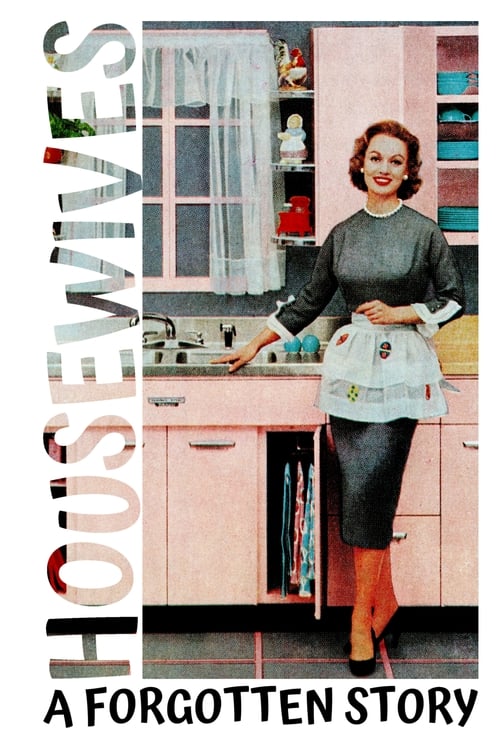
After World War II, many young French women became housewives, convinced that devoting themselves entirely to caring for their families was a noble mission and a means of personal fulfillment.
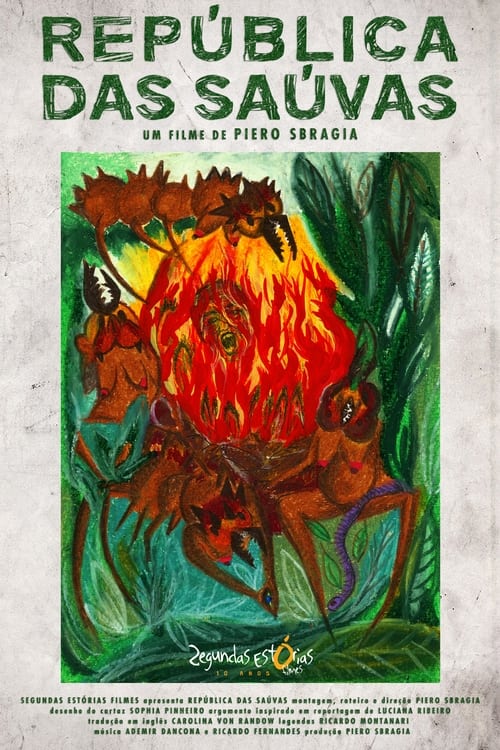
One of the greatest pests on the planet, the evil ants destroy the forest to protect their family. Memories of the covid-19 pandemic, eroded by ignorance and negationism. What's left in this great country of worms and viruses?
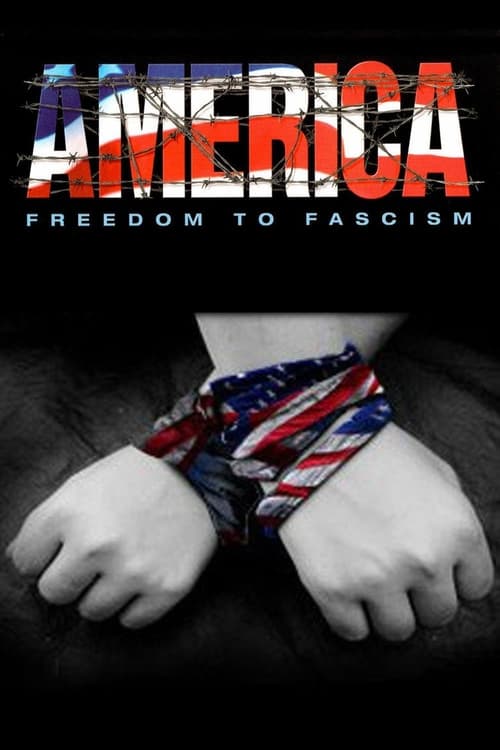
This is a documentary about an honest search for the truth about the Federal Reserve Bank and the legality of the Internal Revenue System. Through extensive interviews with recognised experts and authority, the director shows an astonishing revelation of how the Federal Government and the Bankers have fooled the American public by taking thier wages and putting it in the pockets of the super-rich.
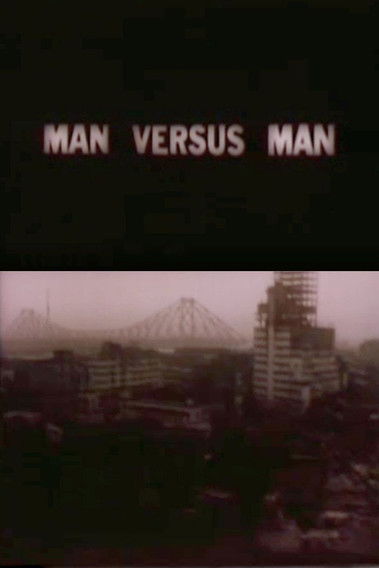
Man-pulled rickshaw, which have served Kolkata for over eight decades face virtual extinction as a result of legislation introduced by the State Government in 1981. This would rob over 100,000 people of a living. The film analyzes the critical situation, and on the basis of concrete facts and figures, questions whether such a step would be fruitful at all. The image of a man pulling a man is a depressing and a negative one - but not more negative than that of the image of a man going without food.
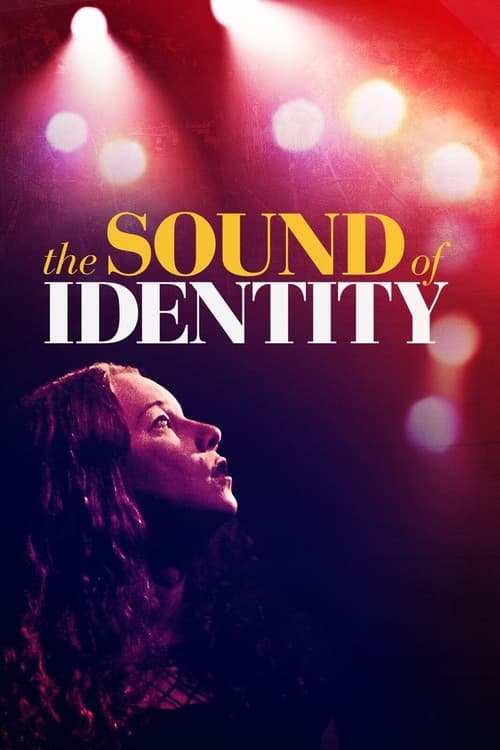
In the spotlight of global media coverage, the first transgender woman ever to perform as Don Giovanni in a professional opera, makes her historic debut in one of the reddest states in the U.S.
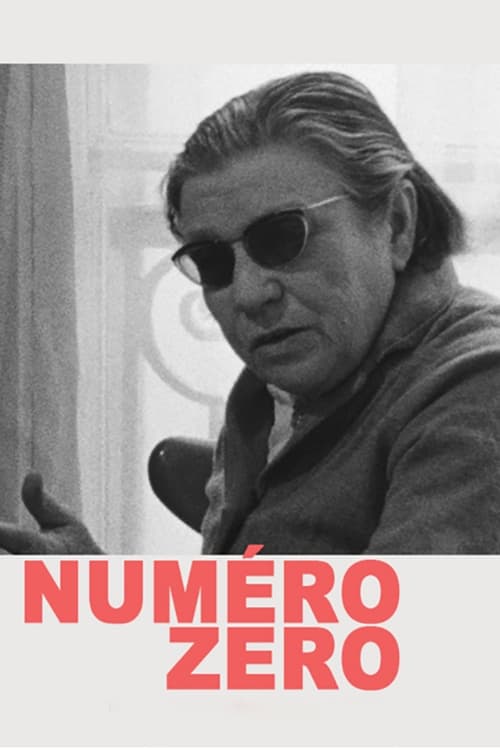
A family portrait in which the director profiles his grandmother, Odette Robert. Eustache includes in the film the conditions of its production — he is seated at the table with her, pours her some whiskey, speaks with the camera operator, manipulates the clapboard at the head and tail of the reels, and even takes a phone call. Robert, who was seventy-one, speaks rapidly and tells the story of her life, starting from her early childhood in villages in the Bordeaux region of France. A shorter version of the film ("Odette Robert") was edited in 1980 to be broadcast on television on TF1. The complete film only gained exposure in 2002, when it was salvaged by Boris Eustache, Thierry Lounas, João Bénard da Costa, Jean-Marie Straub, and Pedro Costa.
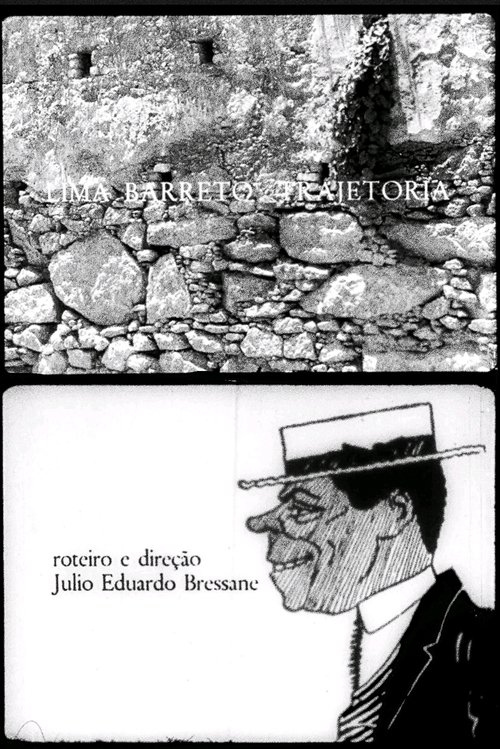
Short film about the life and career of the notorious Brazilian writer Lima Barreto.
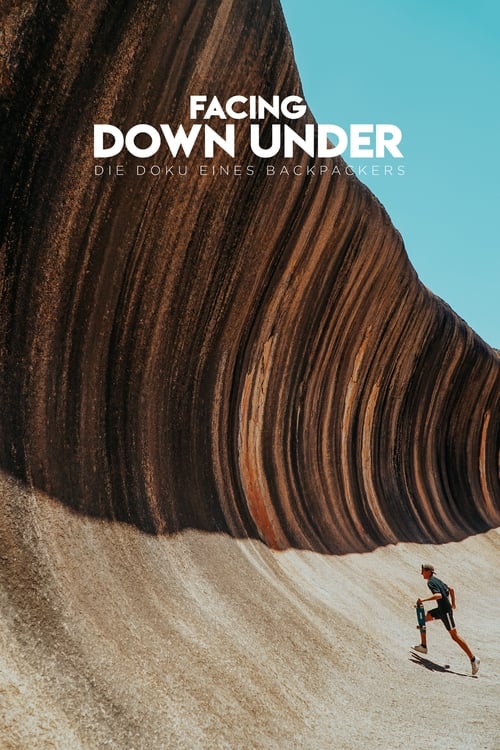
A 19-year-old high school graduate travels through Australia as a backpacker and accompanies his adventure with a camera.
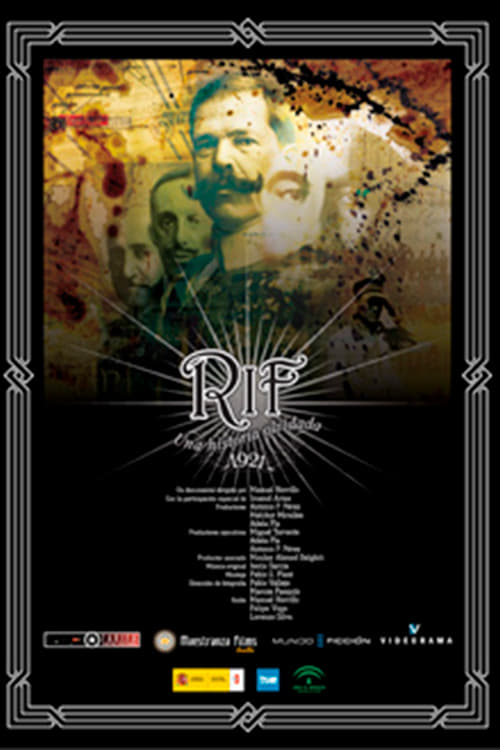
Manuel Horrillo has visited for 7 years the fields where the clashes between the Spanish troops and the rebels of the protectorate took place during the so-called Rif War, a forgotten war of the Spanish collective imaginary.
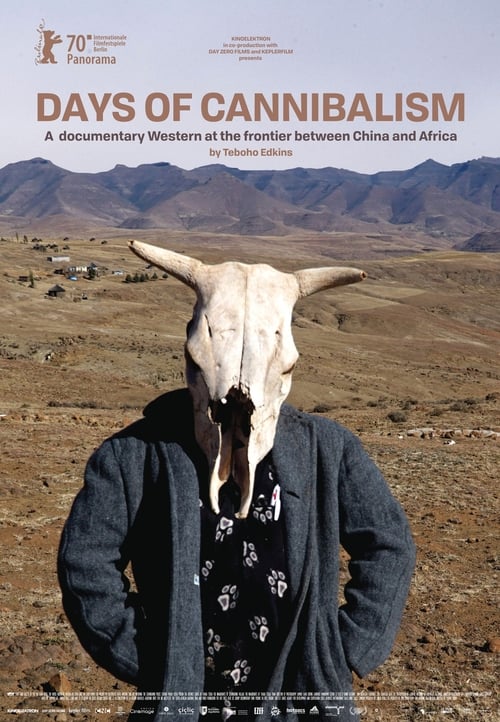
A Western-like documentary set in a remote rural region in Lesotho: a frontier space where the ways of modern society are of little, if any, value. The arrival of economic migrants from China has irrevocably upset the balance of power, as old laws and ancient gods are doddering away. Subtle moments and small gestures reveal the trauma of expatriation, the burden of personal sacrifice, solitude and alienation, as well as the painful experience of otherness. As old structures begin to disintegrate and violence is about to erupt, one rule asserts itself above all others: eat or be eaten.
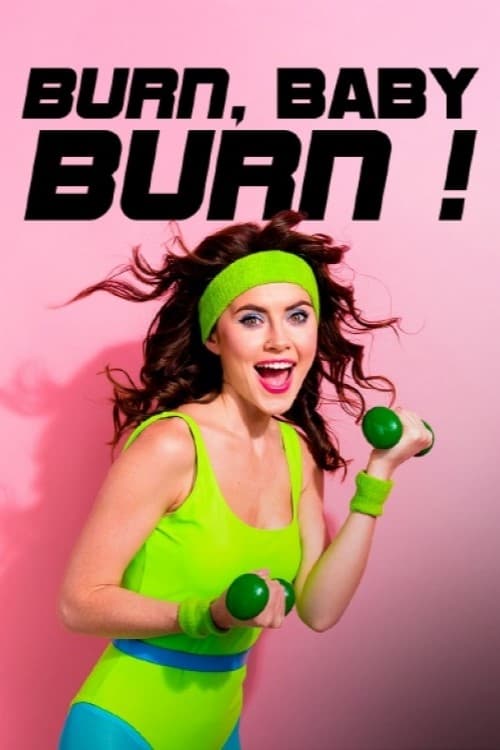
The saga of fitness, which exploded in the 1980s and contributed, in its own way, to liberating women's bodies.
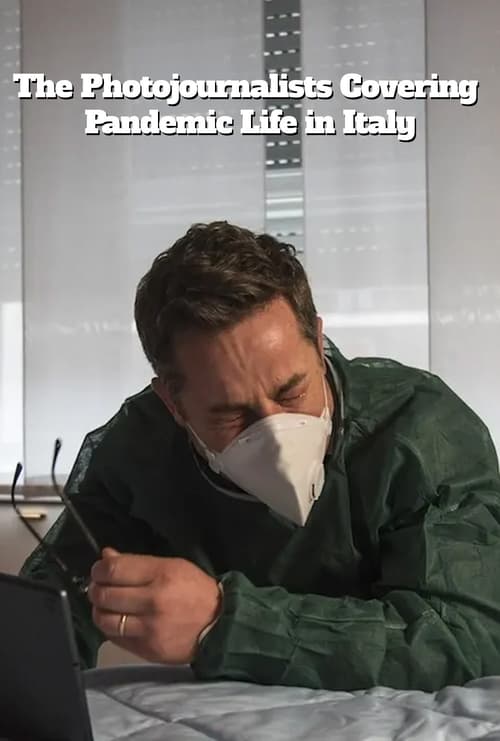
This short documentary looks at the efforts of four Italian photojournalists covering the crisis, illuminating more of the juxtapositions created by life in the pandemic.
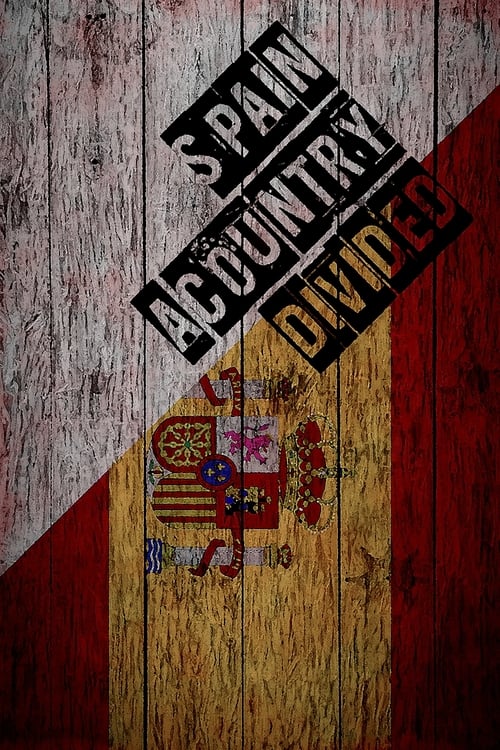
Obsessively referring to the traumas and wounds that the Spanish civil war (1936-39) and Franco's dictatorship (1939-75) caused in their day no longer serves to explain the impassable abyss of incomprehension and hatred that the abject policies and radical positions adopted by both the right and the left in recent decades have opened up before the citizens of a country that is barely known beyond hackneyed cultural clichés.
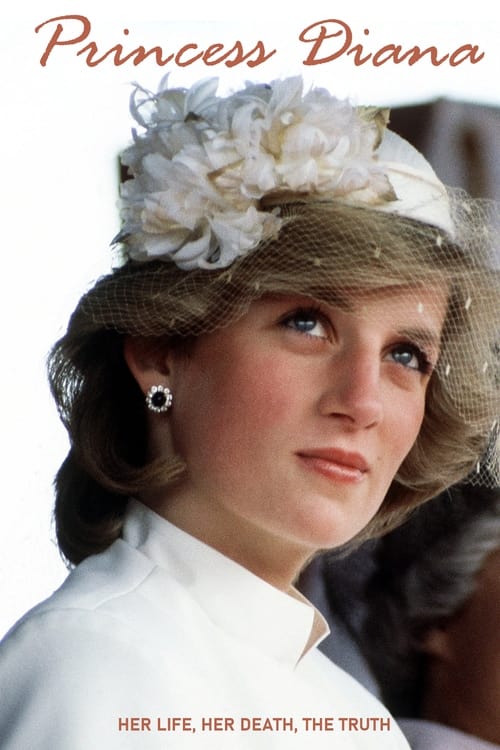
A journey through the night that Princess Diana died and the four independent investigations in two separate countries that followed. Included: a look at Princess Diana's life through her sons.