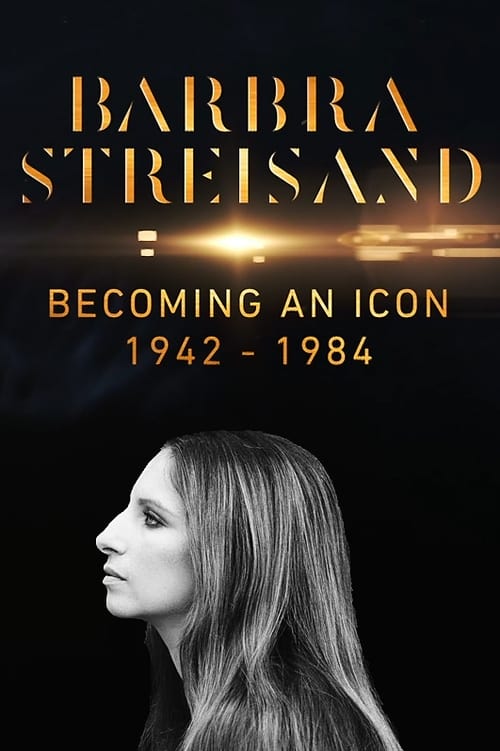
Barbra Streisand grew up in working class Brooklyn, dreaming of escape from her tough childhood. A stellar student, she resisted the pressure to go to college as her sights were firmly set on Broadway. She was determined to become an actress and landed her first role aged 16, but it was two years later, when she started to sing, that her career took off. Subverting stereotypes and breaking glass ceilings, this programme looks at her rise to stardom and the remarkable achievements of her early career.
Three intrepid women battle for Indigenous women's treaty rights.
One Saturday morning, filmmaker Madison Thomas has a revelation: she’s just like her mother. As she thinks about a friend going through tough times, she feels the sudden urge to clean. Through the scrubbing and wiping and rinsing, Madison's thoughts drift to her mother — and her obsessive need to tidy. Madison’s mother survived a traumatic childhood: her own mother never reconciled what she went through at residential school. Cleaning offers moments of control that she didn’t have as a child. She’s fought hard, against all odds, to become a strong woman. They say trauma is in the genes, that it’s passed from one generation to the next. But strength is inherited too. Through rituals as simple as spending time together and smudging, Madison and her mother are beginning to mend the cycle of pain in their family. Declutter is an intimate look into a private moment between mother and daughter and the strength that carries them both.
A group of historians and archaeologists prepare a Tudor feast as it would have been over 400 years ago, including the use of period clothes, recipes from the era, food sourced from the land and the absence of modern conveniences.
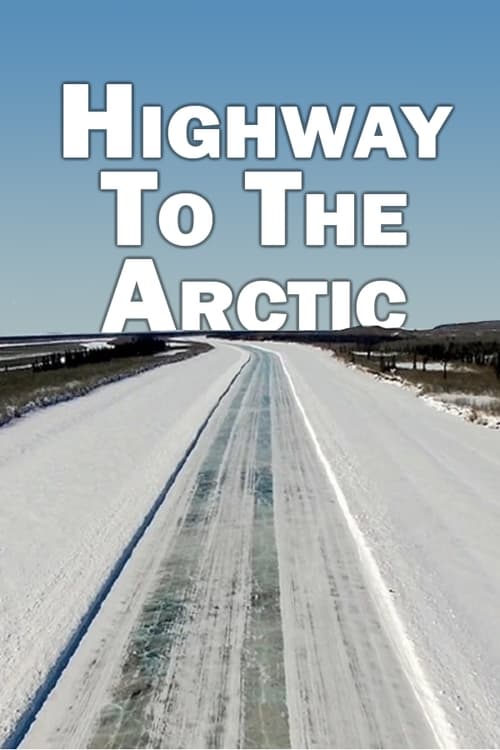
Every winter for decades, the Northwest Territories, in the Canadian Far North, changes its face. While the landscape is covered with snow and lakes of a thick layer of ice, blocking land transport, ice roads are converted to frozen expanses as far as the eye can see.
Since the late 18th century American legal decision that the business corporation organizational model is legally a person, it has become a dominant economic, political and social force around the globe. This film takes an in-depth psychological examination of the organization model through various case studies. What the study illustrates is that in the its behaviour, this type of "person" typically acts like a dangerously destructive psychopath without conscience. Furthermore, we see the profound threat this psychopath has for our world and our future, but also how the people with courage, intelligence and determination can do to stop it.
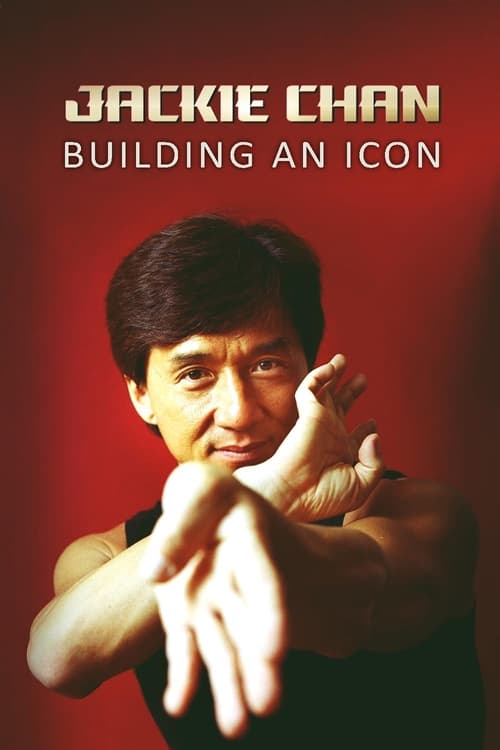
Jackie Chan is a true icon of Asian and Chinese culture. Over a 45-year-long career, he has carved a niche for himself as an actor, stuntman, director, and screenwriter, but also singer and formidable businessman. After starring in almost 200 films, Jackie Chan has reconciled fans of genre film and Hollywood blockbusters, whilst bridging the gap between Asian and Western cinema. Through film excerpts, archive footage and images, and an offbeat approach inspired by the visual codes of the golden age of kung fu films, this documentary will take a look back at the creation of a popular hero who has come to be an icon for China, and for the entire Asian continent.
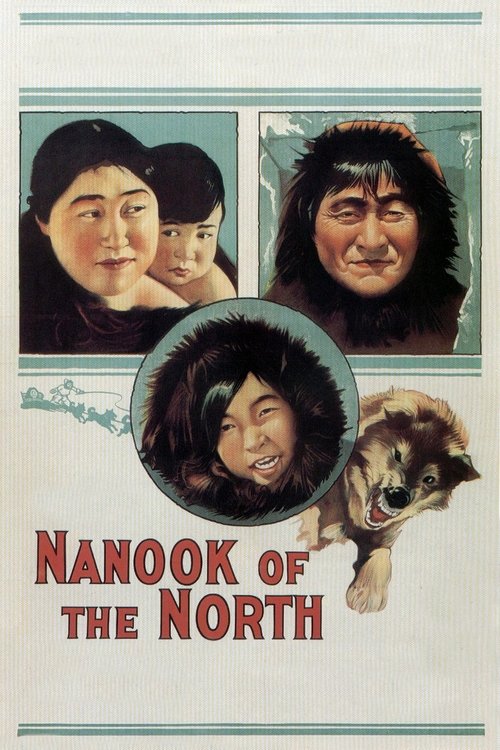
This pioneering documentary film depicts the lives of the indigenous Inuit people of Canada's northern Quebec region. Although the production contains some fictional elements, it vividly shows how its resourceful subjects survive in such a harsh climate, revealing how they construct their igloo homes and find food by hunting and fishing. The film also captures the beautiful, if unforgiving, frozen landscape of the Great White North, far removed from conventional civilization.
The iconic Korean hip-hop group Epik High debuted in 2003 and has since captivated fans worldwide with their exceptional lyricism and evocative music videos. Now, their 20th-anniversary concert comes to life in a stunning documentary, capturing the raw passion and emotions of these hip-hop poets on stage. Joined by their devoted fans, "High Skool," Epik High sets their sights on an even greater future together.
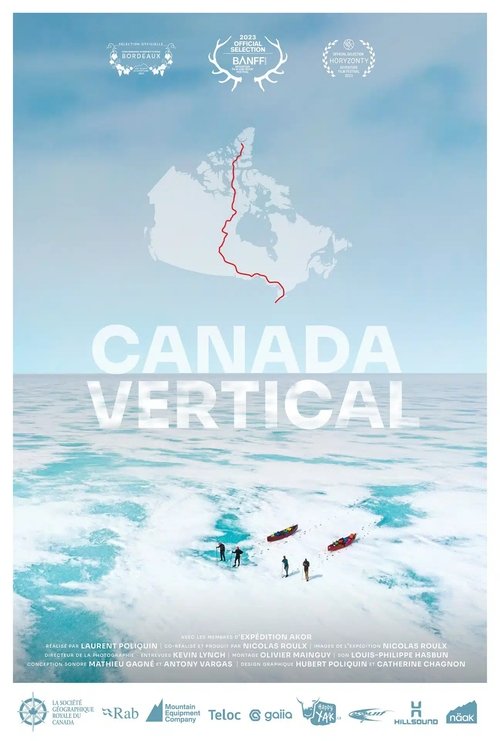
After years of preparation, a team of highly motivated Quebeckers set out on one of the longest wilderness expeditions ever documented. Stage one involves skiing in relentless polar conditions from Ellesmere Island to the Northwest Passage where the challenge was reaching the mainland. Cue canoes for a 2000km journey across Nunavut and NWT until they reach the first dirt road available where bikes are waiting to be pedalled 4000km to Point Pelee in Ontario.
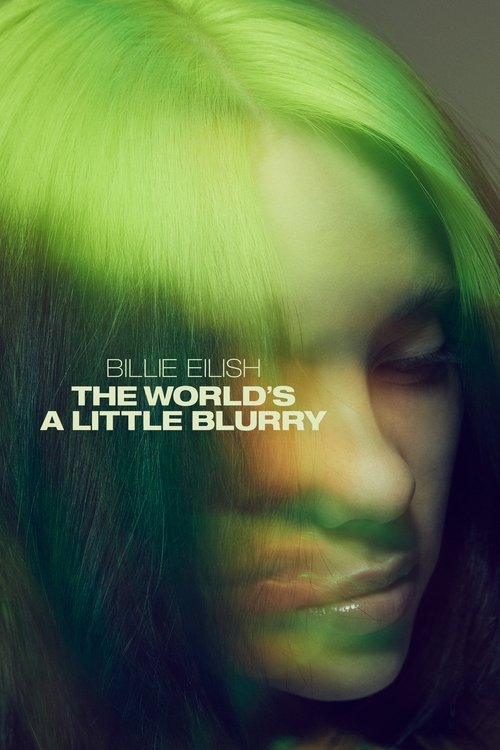
This documentary offers a deeply intimate look at extraordinary teenager Billie Eilish. Award-winning filmmaker R.J. Cutler follows her journey on the road, onstage, and at home with her family as the writing and recording of her debut album changes her life.
A short kid from a Canadian army base becomes the international pop culture darling of the 1980s—only to find the course of his life altered by a stunning diagnosis. What happens when an incurable optimist confronts an incurable disease?
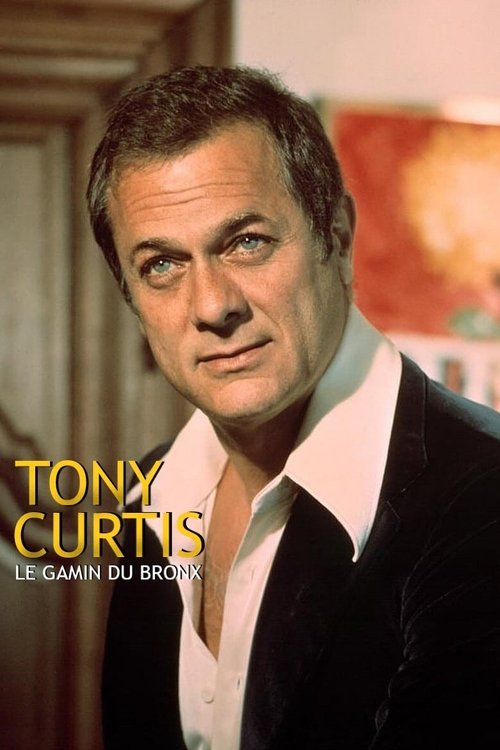
This is the story of a man who climbed the Hollywood ladder, one rung at a time, until he reached the top and became the most popular American actor of his era.
Tony Curtis, the man who influenced Elvis Presley and James Dean. A sex symbol, a matinee idol, a powerful and magnetic actor, Tony Curtis was the original movie star.
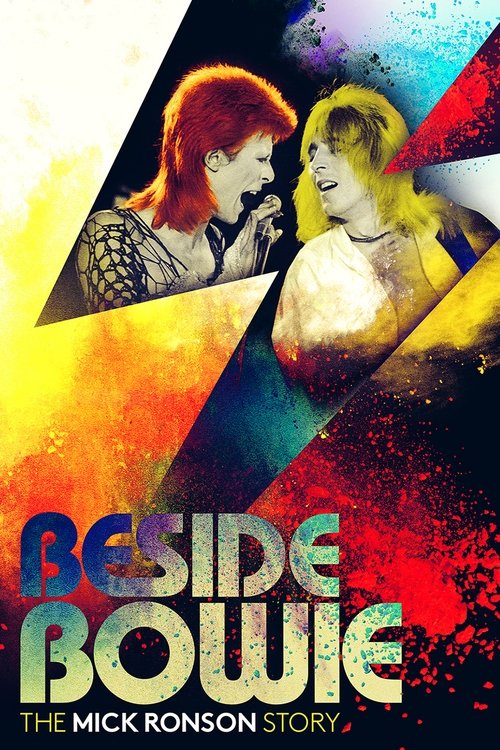
Beside Bowie: The Mick Ronson Story is a documentary about the life and work of Michael "Mick" Ronson, the guitarist, songwriter, producer and arranger who, in the early part of his career, performed with David Bowie as one of the 'Spiders from Mars'.
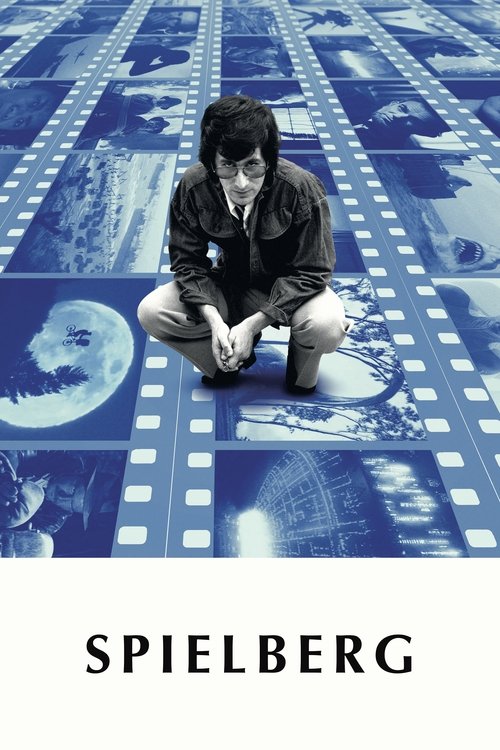
A documentary on the life and career of one of the most influential film directors of all time, Steven Spielberg.
I AM RAQUEL WELCH is a feature documentary that celebrates the life of a trailblazing actress and single mother who not only redefined the world's idea of a Hollywood "Sex Symbol," but also led the way for modern-day action heroines.
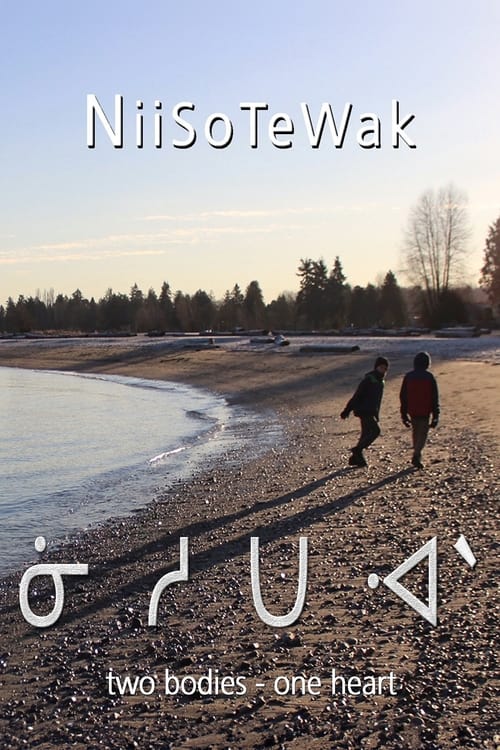
NiiSoTeWak means “walking the path together.” Tapwewin and Pawaken are 10-year-old brothers trying to make sense of the world, their family and each other. They’re already grappling with some heady questions about identity. What does it mean to be a twin? What does it mean to be Cree? How do you define yourself when you’re forever linked to someone else? The twins discuss these questions with their two elder brothers — 22-year-old actor Asivak and 20-year-old basketball player Mahiigan — and their parents, Jules and Jake.
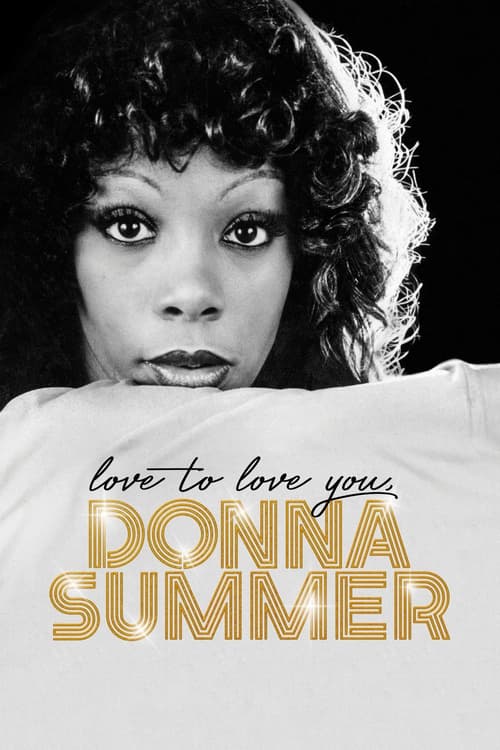
The extraordinary story of disco queen Donna Summer through a rich archive of unpublished film excerpts, home video, photographs, artwork, writings, personal audio and other recordings that span the life of one of the most iconic performers ever to shake a room to its timbers. From her early career with Giorgio Moroder in Germany, to later years more focused on spirituality and family life as a shelter from troubles associated with both notoriety and intimate wounds, her story is all the more special for being told in the first person – both singular and plural.
This is not a film about gun control. It is a film about the fearful heart and soul of the United States, and the 280 million Americans lucky enough to have the right to a constitutionally protected Uzi. From a look at the Columbine High School security camera tapes to the home of Oscar-winning NRA President Charlton Heston, from a young man who makes homemade napalm with The Anarchist's Cookbook to the murder of a six-year-old girl by another six-year-old. Bowling for Columbine is a journey through the US, through our past, hoping to discover why our pursuit of happiness is so riddled with violence.
No Trailers found.
Raymonde Litalien
François Bellec
Roland Mazurié des Garennes
Gilles Foucqueron
Bernard Allaire