No Trailers found.
No overview available.
No Measure of Health profiles Kyle Magee, an anti-advertising activist from Melbourne, Australia, who for the past 10 years has been going out into public spaces and covering over for-profit advertising in various ways. The film is a snapshot of his latest approach, which is to black-out advertising panels in protest of the way the media system, which is funded by advertising, is dominated by for-profit interests that have taken over public spaces and discourse. Kyle’s view is that real democracy requires a democratic media system, not one funded and controlled by the rich. As this film follows Kyle on a regular day of action, he reflects on fatherhood, democracy, what drives the protest, and his struggle with depression, as we learn that “it is no measure of health to be well adjusted to a profoundly sick society.”
A tourist's view of Ontario, with magnificent visuals of the province's lakes and rivers, and a delicious hint of easy summer days, vacations, and boating. Viewers fish for salmon, idle their boats through the locks, and watch sailboats and steamships travel the Great Lakes against a background of granite rock and craggy coastlines.
It Takes Three is a CG-and-traditionally-animated short film included on the home media releases of Trolls Band Together. Taking place after the events of the film, the short follows Poppy, Viva, and Tiny Diamond as they get sucked into the Hustle-verse, only to discover that it is devoid of hustle.
A study of the behavior of monkeys in the African jungle.
A boy from the desert tries to sell a sand rose in the big city.
Short documentary by Peter Fleischmann
In Canada, the village of Val Gagné is facing a rural exodus. Life seems to be dissolving, the future is uncertain. But these Franco-Ontarian villagers are surprised by a wind of renewal. A wind that will give them hope.
A walk through the landscapes of the province of Salamanca, Spain, as well as a testimony of the daily life and customs of its inhabitants.
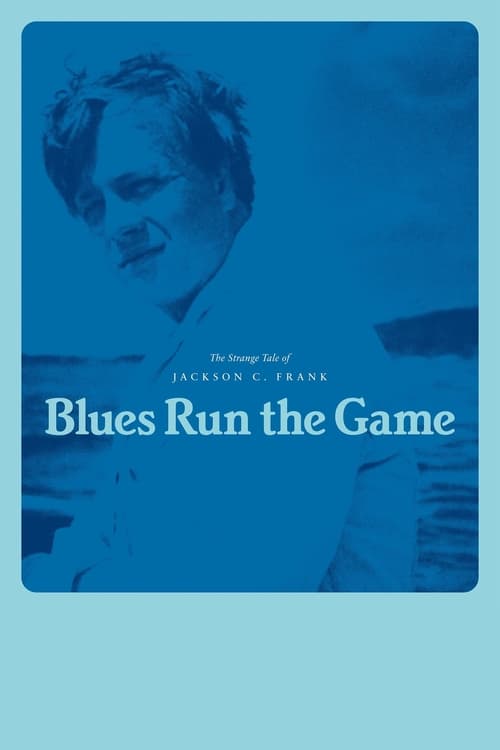
The untold story of Jackson C Frank, an American folk legend. His tragic life produced some of the most timeless folk music of our time.
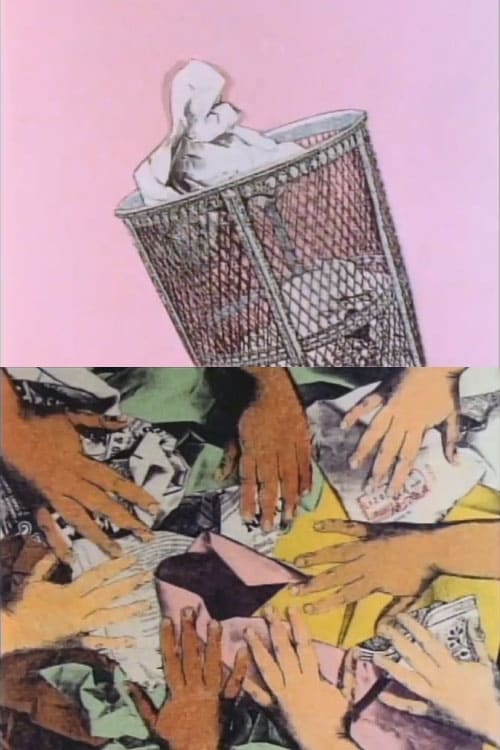
A rap teaching kids how to use a waste basket.
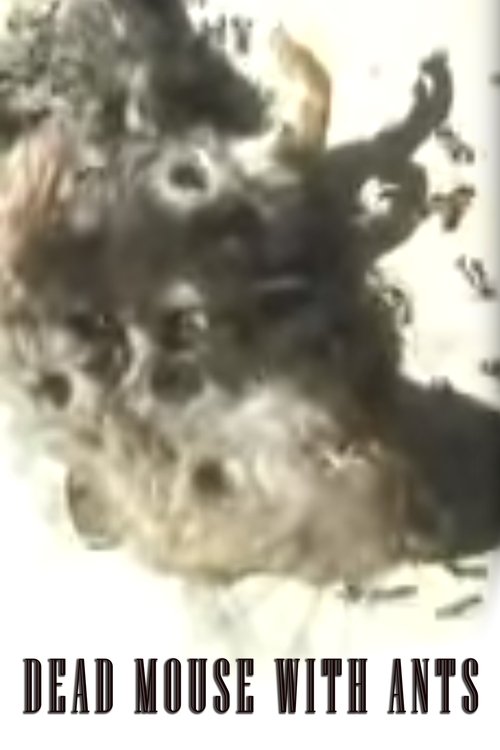
Features a dead mouse with ants on it.
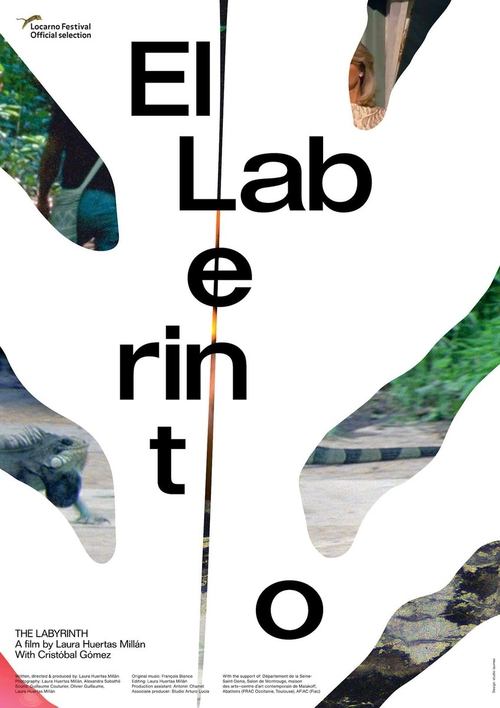
A voyage into the labyrinthic memories of a Uitoto man, who worked for the drug Lords in the Colombian Amazon back in the 80s. Following his path between the forest and the ruin of a Narco´s mansion imitating the Carrington mansion in the soap opera Dynasty, the film unfolds the hallucinatory account of a near-death experience.
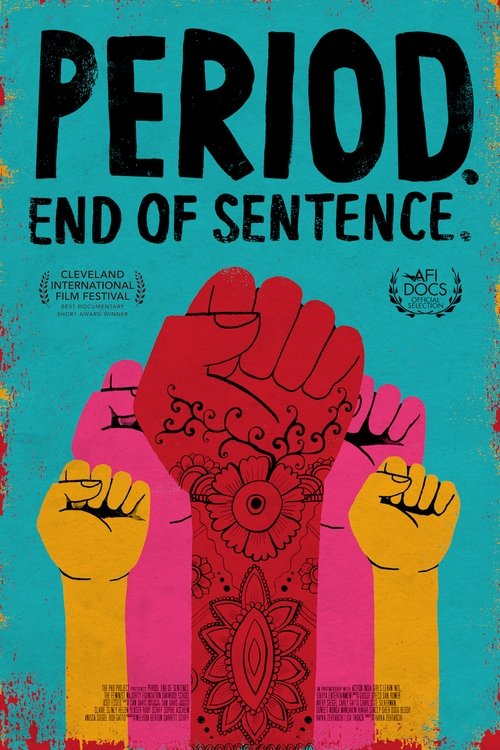
In an effort to improve feminine hygiene, a machine that creates low-cost biodegradable sanitary pads is installed in a rural village in Northern India. Using the machine, a group of local women is employed to produce and sell pads, offering them newfound independence and helping to destigmatize menstruation for all.
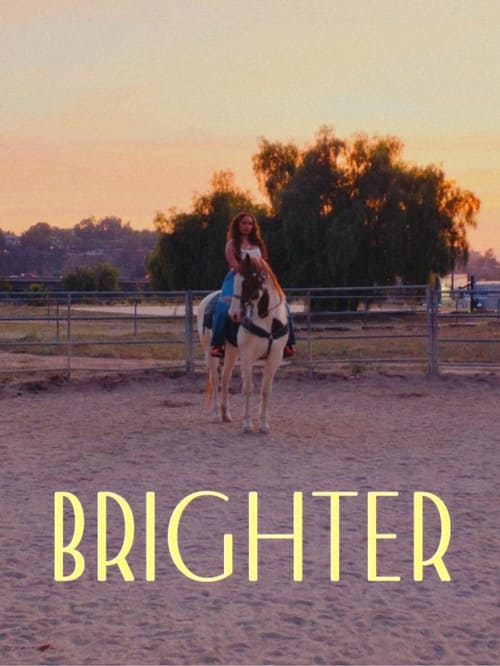
A short film featuring two new records from Jasmine Cephas Jones' forthcoming debut album PHOENIX, detailing the journey of growth, transformation, and finding one's true self.
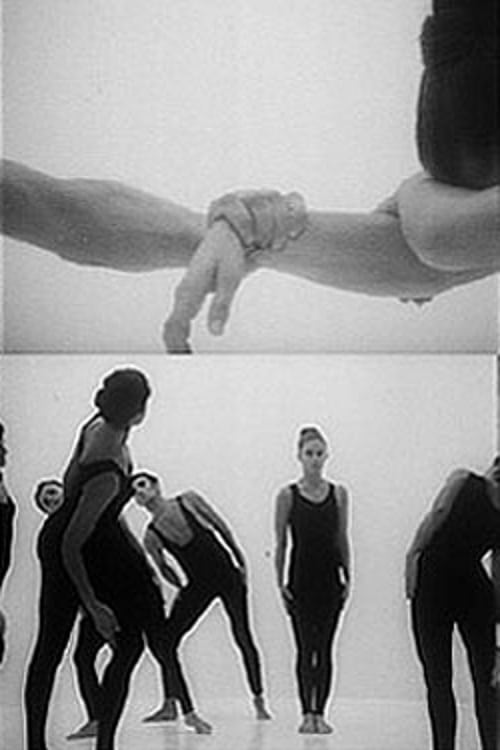
The first experimental dance film from Croatia, which pays homage to the pioneer of experimental and dance film Maya Deren and her "Study in Choreography for Camera" from 1945. The theme of the film is inspired by a composition by Ivo Malec "Miniatures for Lewis Carroll", and the dance is performed by the members of the Studio for Contemporary Dance who, in black suits and white surroundings, seem to float in the space captured by the eye of the camera.
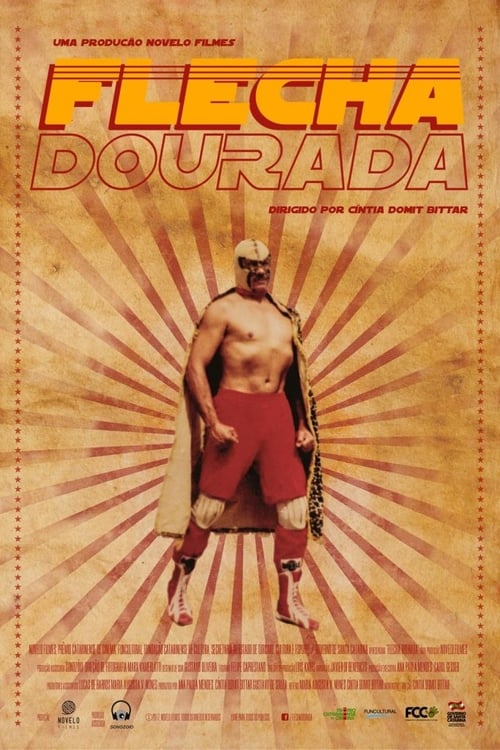
Between punches and jumps, the fighters of the team "Flecha Dourada" return to the ring after 50 years to relive the glorious era of wrestling in Santa Catarina, South of Brazil.
Night vs. light, music vs. motion, figuration vs. abstraction. Experimental video artist Max Hattler utilises distorted urban imagery and neon glare to create this entrancing short
Self
Themselves