No Trailers found.
Himself
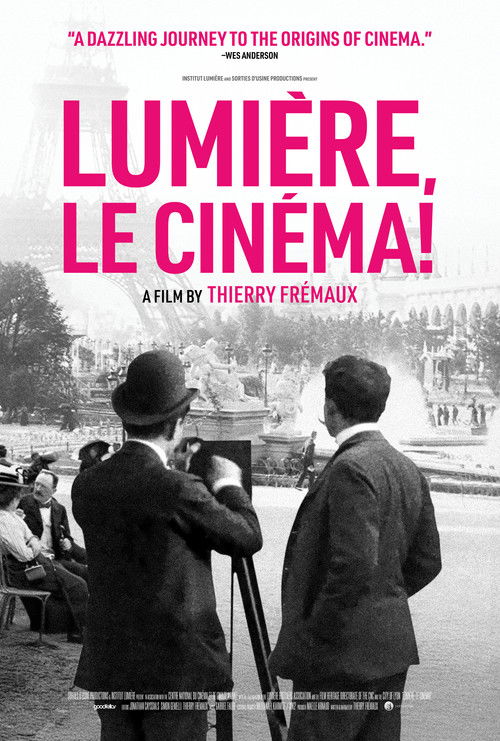
In one of those wonderful coincidences of history, lumière, the French word for “light,” was also the last name of brothers Auguste and Louis, whose brilliant invention, the cinematograph, helped to inaugurate the most beloved art form of the last 130 years. Institute Lumière director Thierry Frémaux uses Lumière, Le Cinema! to guide the viewer through over a hundred shorts—some famous, some forgotten, some never before seen—directed by Lumière and company. In the process, Frémaux illuminates how the brothers employed the camera as a creative instrument as they (and their operators) mastered framing, staging, and subject selection for quotidian and exotic microdocumentaries as well as the first ever fictional motion pictures. The result is not only a glorious re(telling) of the genesis of cinema but a profound meditation on the beautiful world captured—and the mysterious world imagined—by the Lumières.
Discover how Sony entered the video game market and created a console that took the world by storm, forever transforming the gaming landscape.
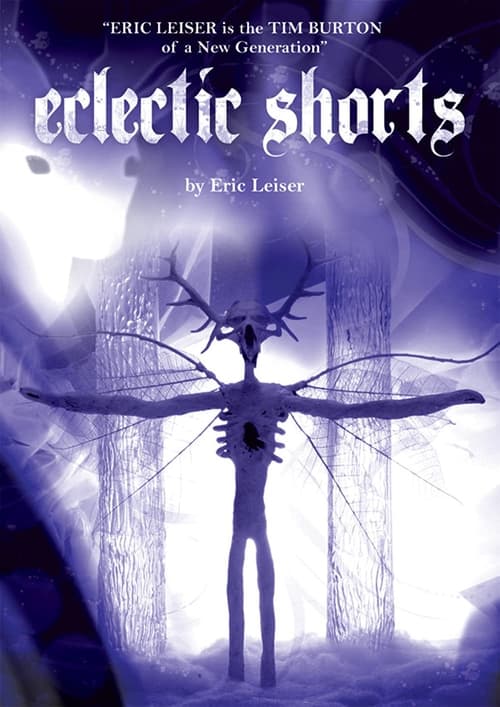
Eric Leiser displays his boundless creativity in this short collection; A stunning compilation of works presented with a mixture of live action, stop motion animation, puppetry and pixilation techniques, produced between 2001 and 2006.
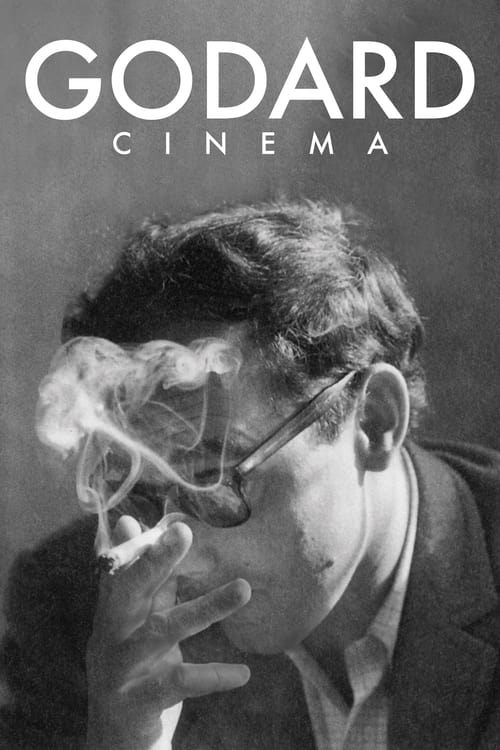
Jean-Luc Godard is synonymous with cinema. With the release of Breathless in 1960, he established himself overnight as a cinematic rebel and symbol for the era's progressive and anti-war youth. Sixty-two years and 140 films later, Godard is among the most renowned artists of all time, taught in every film school yet still shrouded in mystery. One of the founders of the French New Wave, political agitator, revolutionary misanthrope, film theorist and critic, the list of his descriptors goes on and on. Godard Cinema offers an opportunity for film lovers to look back at his career and the subjects and themes that obsessed him, while paying tribute to the ineffable essence of the most revered French director of all time.
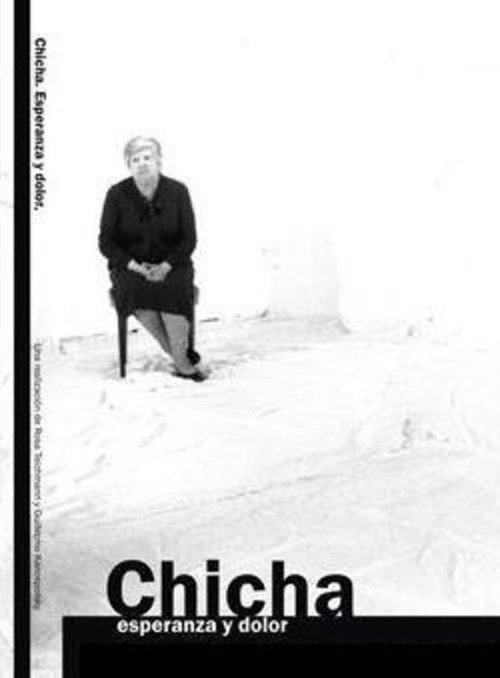
"Chicha, Hope and Pain" addresses the emblematic figure of Chicha Mariani, founder of the "Grandmothers of the Plaza de Mayo." It is structured in two phases: that of hope, that of the young journalist Juan Martín Ramos Padilla, who wrote Chicha's biography; and that of pain, that of a woman who fought for 42 years of her life, not only to recover her stolen granddaughter, but also to restore justice and dignity.
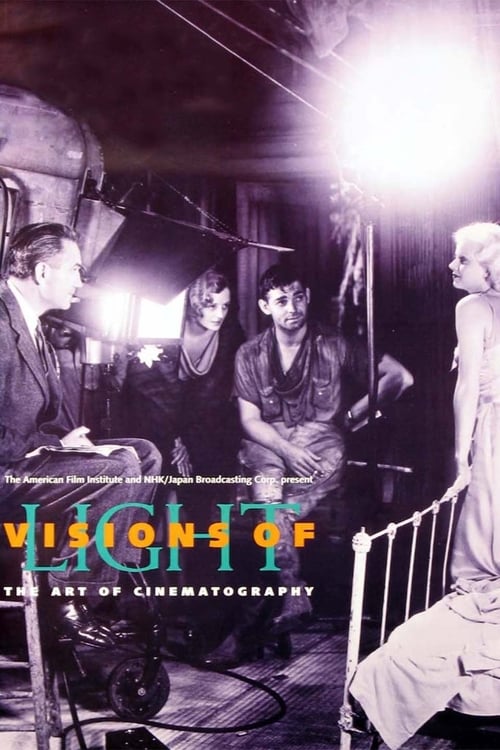
Cameramen and women discuss the craft and art of cinematography and of the "DP" (the director of photography), illustrating their points with clips from 100 films, from Birth of a Nation to Do the Right Thing. Themes: the DP tells people where to look; changes in movies (the arrival of sound, color, and wide screens) required creative responses from DPs; and, these artisans constantly invent new equipment and try new things, with wonderful results. The narration takes us through the identifiable studio styles of the 30s, the emergence of noir, the New York look, and the impact of Europeans. Citizen Kane, The Conformist, and Gordon Willis get special attention.
From the 1st projection to the newest technology IMAX and 4DX, we will travel trough the history of french theaters, asking questions about technological developments throughout history, and finally, the hoped-for future of movie theaters and how they envision themselves in 20 years.
No overview available.
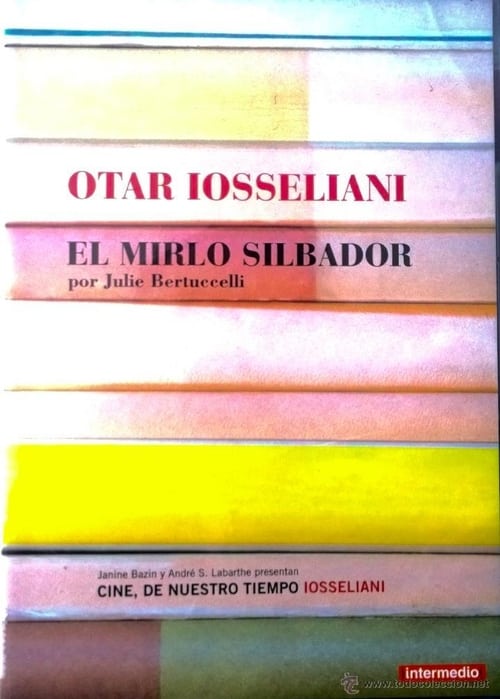
Georgian director Otar Iosseliani prepares his film Jardins en Automne. Nothing is conventional in the filmmaker's system: Julie Bertuccelli portrays the gestation and production of a film that seems to follow the freest and most unpredictable poetic intuitions of its creator. The constant and hilarious arguments with the producer, Martine Marignac, a Michel Piccoli transformed into an old woman, and the director's peculiar filming system, in which he signals his actors to start with a whistle, paint a picture of one of the most unclassifiable cinematic experiences in contemporary cinema.
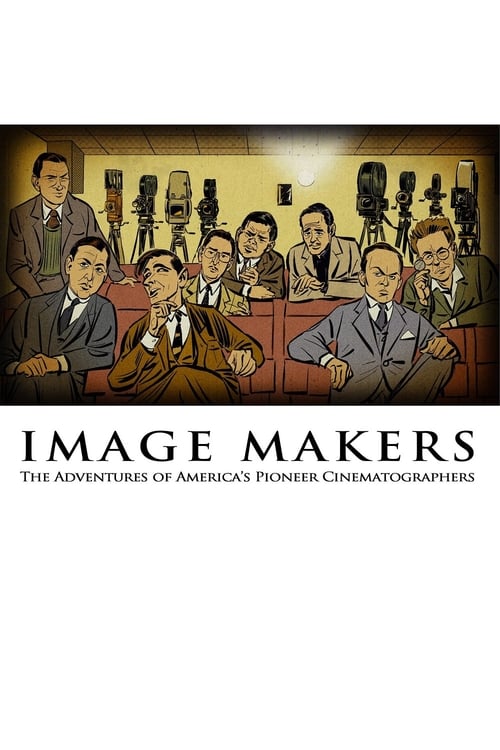
Documentary following the history of America's first cinematographers.
Oscar-winning cinematographer Philippe Rousselot offers a master class in image making, with insightful examples from his work on Diva, Hope and Glory, A River Runs Through It, Dangerous Liaisons, Interview with the Vampire and many more in this cineaste's delight.
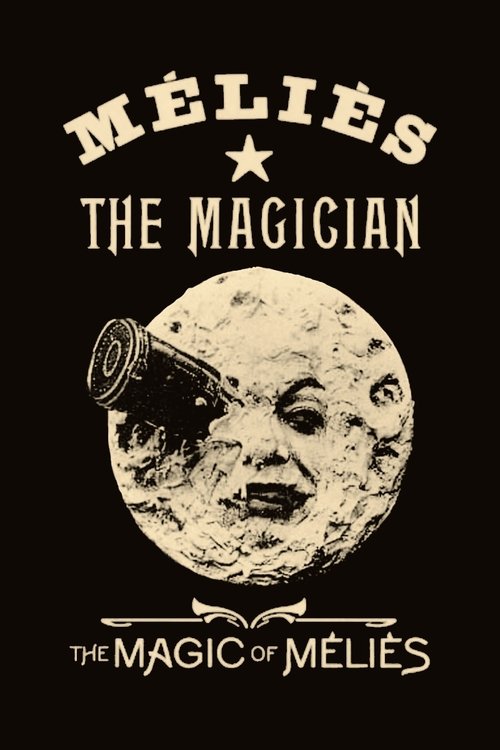
A walk through the life and work of the brilliant French filmmaker Georges Méliès (1861-1938), pioneer of special and visual effects.
Since the invention of cinema, the standard format for recording moving images has been film. Over the past two decades, a new form of digital filmmaking has emerged, creating a groundbreaking evolution in the medium. Keanu Reeves explores the development of cinema and the impact of digital filmmaking via in-depth interviews with Hollywood masters, such as James Cameron, David Fincher, David Lynch, Christopher Nolan, Martin Scorsese, George Lucas, Steven Soderbergh, and many more.
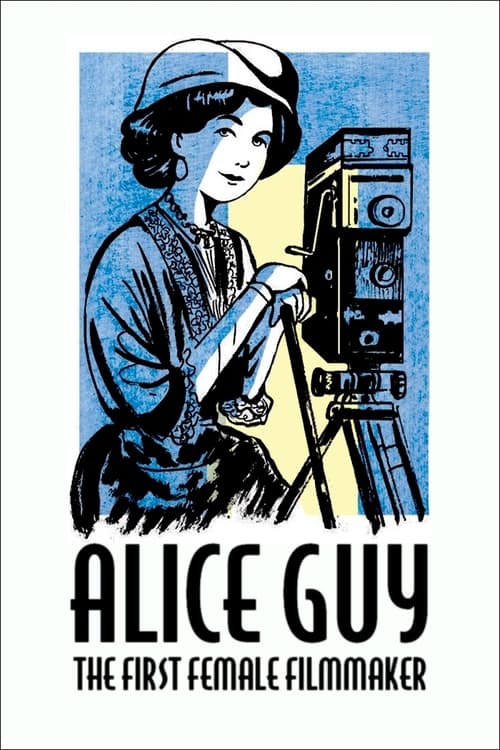
Who, apart from moviegoers, knows Alice Guy (1873-1968) today? However, she was the first woman behind the camera and the first female director and producer of fiction films in history.
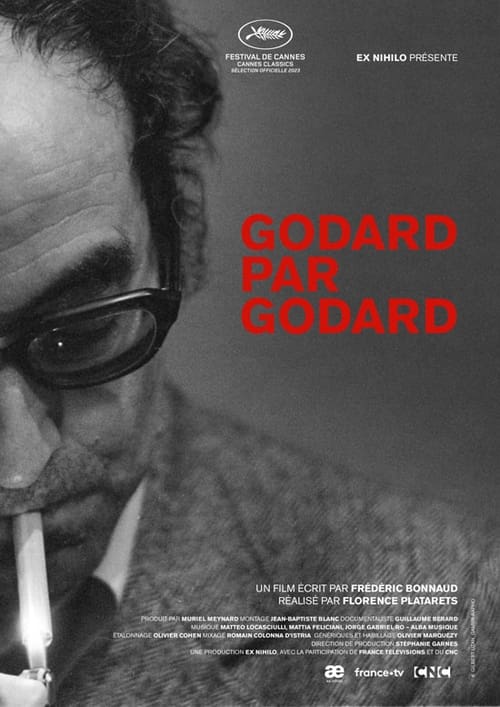
Godard by Godard is an archival self-portrait of Jean-Luc Godard. It retraces the unique and unheard-of path, made up of sudden detours and dramatic returns, of a filmmaker who never looks back on his past, never makes the same film twice, and tirelessly pursues his research, in a truly inexhaustible diversity of inspiration. Through Godard’s words, his gaze and his work, the film tells the story of a life of cinema; that of a man who will always demand a lot of himself and his art, to the point of merging with it.
As a visually radical memoir, CAMERAPERSON draws on the remarkable footage that filmmaker Kirsten Johnson has shot and reframes it in ways that illuminate moments and situations that have personally affected her. What emerges is an elegant meditation on the relationship between truth and the camera frame, as Johnson transforms scenes that have been presented on Festival screens as one kind of truth into another kind of story—one about personal journey, craft, and direct human connection.
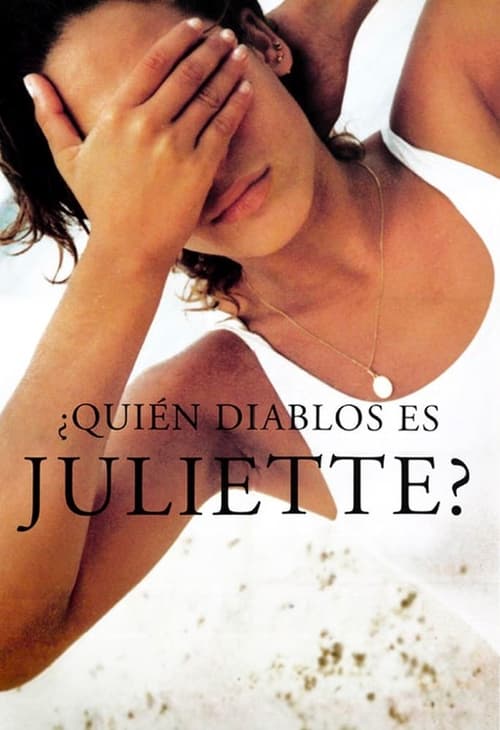
Filmed from 1995 to 1997 in Havana, New York, Los Angeles, Morelia and Mexico City, it tells the story of Yuliet, a Cuban teenager, and Fabiola Quiroz, a Mexican model, who, with humor and frankness, surrounded by quirky supporting characters, show us that the absence of their parents, deprivation and adversity made them stronger.
Peter Hutton's New York trilogy. An act of urban archaeology, a chronicle of indelible impressions of the city.