self
An intimate portrait of Georges Brassens, giant of French song.
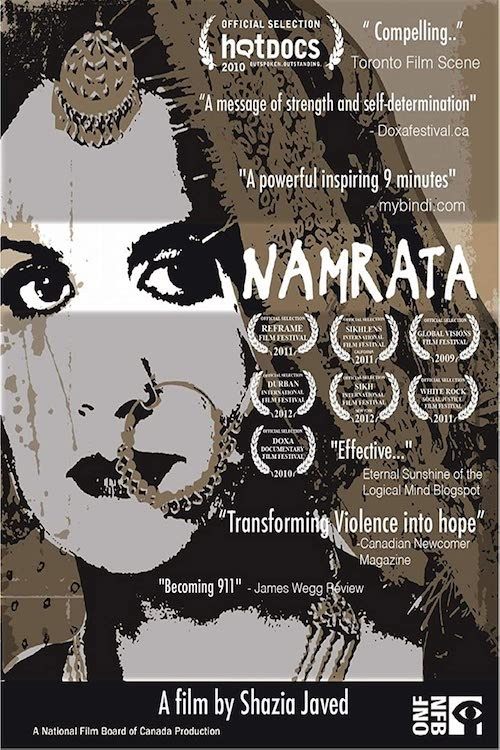
This short documentary tells the intensely personal story of Namrata Gill – one of the many real-life inspirations for Deepa Mehta’s Heaven on Earth – in her own words. After six years, Gill courageously leaves an abusive relationship and launches a surprising new career.
Shere Hite’s 1976 bestselling book, The Hite Report, liberated the female orgasm by revealing the most private experiences of thousands of anonymous survey respondents. Her findings rocked the American establishment and presaged current conversations about gender, sexuality, and bodily autonomy. So how did Shere Hite disappear?
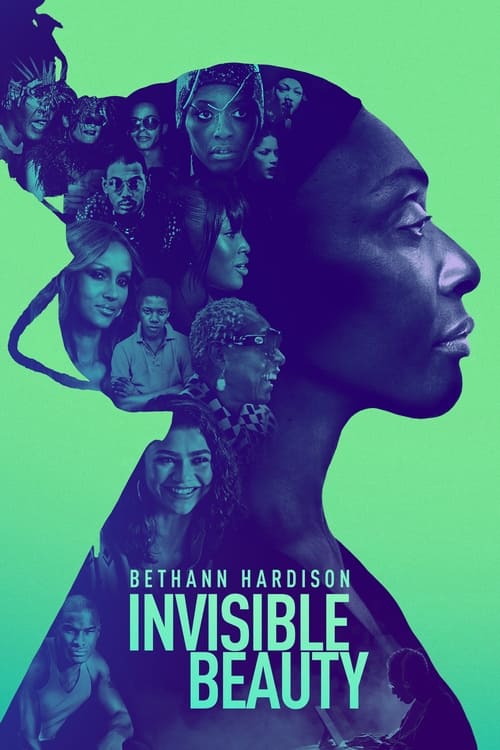
Fashion revolutionary Bethann Hardison looks back on her journey as a pioneering Black model, modeling agent, and activist, shining a light on an untold chapter in the fight for racial diversity.
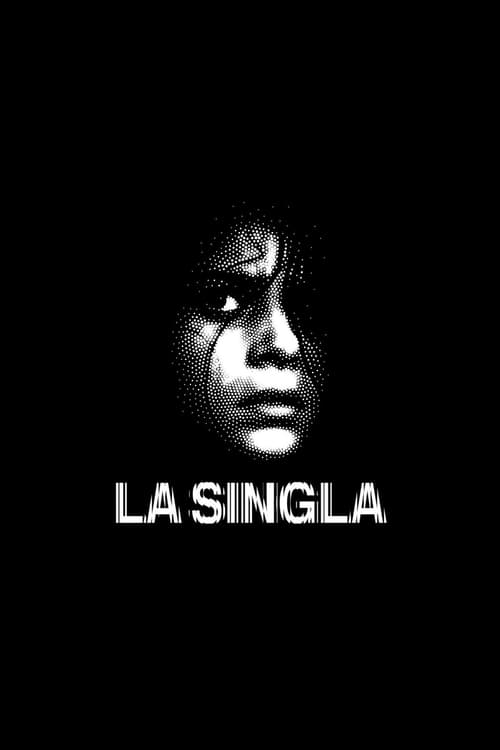
In the 1960s, a young Spanish flamenco dancer named Antonia Singla captivated audiences with her strikingly passionate performances. Having lost her hearing at a young age, La Singla rose to fame with her commanding presence through a combination of her powerful gaze and thunderous movement. However, just at the height of her fame, she seemingly disappeared and decades later has been all but forgotten. When a young woman in Seville comes across La Singla’s story, a bigger picture starts to be unveiled. Through research, interviews and captivating archival footage, she starts to piece together the legend of La Singla. Through the beauty of her performances and the heartbreak of her story, La Singla celebrates and preserves the legacy of one of the greatest Flamenco dancers of all time.
After consolidating itself as a tourist destination in the mid-1960s, this small coastal village has become the dormitory town for the workers of a Nuclear Power Plant. With the liberal promise of prosperity and socioeconomic wellfare, many workers left their homes to move to the small city and started working at the new Nuclear Power Plant. The collective unrest and the silence, cut off by the great gusts of wind, articulate the landscape of the village that is now under the aid of the Nuclear Power Plant.
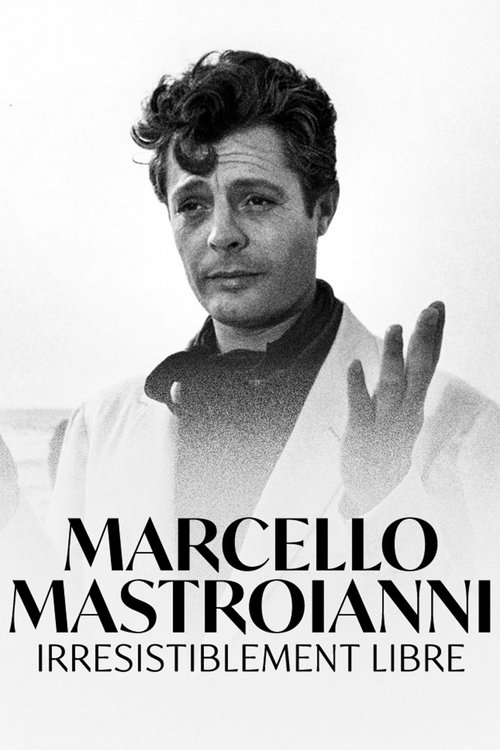
The 1960s opened with La Dolce Vita by Federico Fellini and its unforgettable lead: Marcello Mastroianni. The actor seemed to glide effortlessly through his roles — and through life — as if to say that life is not all that serious, or perhaps that it is far too serious not to be laughed at. But what kind of man was hiding behind the actor with the handsome, boyish looks, who appeared so gentle and nonchalant?
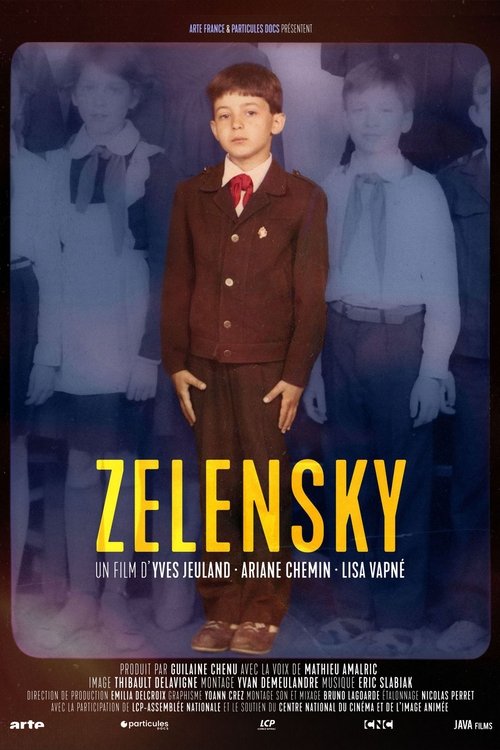
Ten years ago, Volodymyr Zelensky was just one of the many faces on Ukrainian television screens. He became a star thanks to the 2015 satirical series Servant of the People, in which he played a history teacher who becomes president. Four years later, what began as fiction became a reality. This French documentary follows the transformation of a popular TV comedian into a statesman on the front lines of the Russian invasion. Archival footage, family photos, television appearances, and interviews with Zelensky and those closest to him create a multi-layered portrait of a man who always longed for a large audience. At the same time, the film places his personal development in the broader context of post-Soviet Ukraine, which is also searching for its own identity.
Fragments from a portrait of Jean-Louis Costes - sincere artist, versatile designer, poet of excess -, a man forever atoning his anguish through singing, performance, drawing and writing...
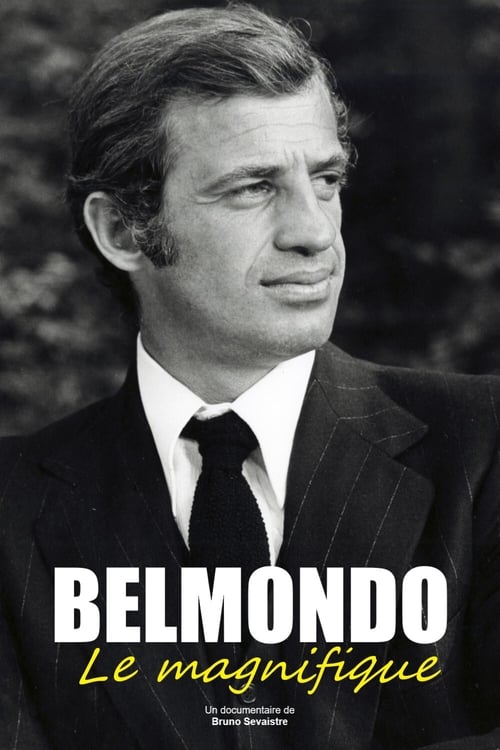
With more than 70 films and 160 million cumulative tickets in France, Jean-Paul Belmondo is one of the essential stars of French cinema.
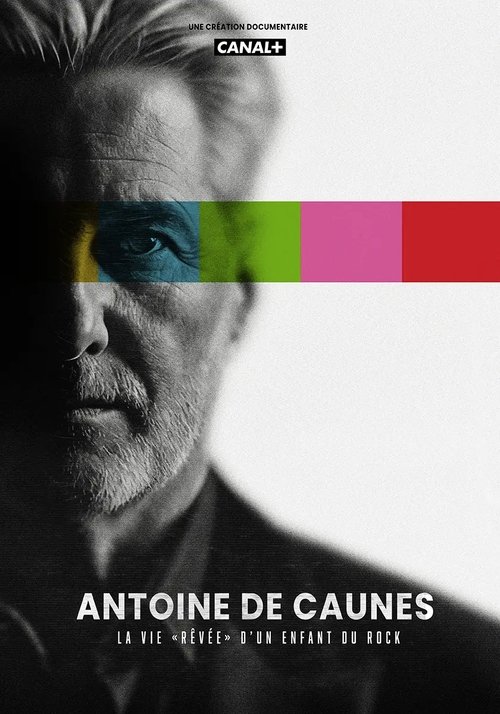
Documentary on Antoine de Caunes, a French television presenter, comedian, actor, journalist, writer and film director.
'if you only had one year left of your life, what would you do?' This question asks Swiss author Franz Hohler. His answer: 'Make death your adviser to live life to the fullest.' He is one of several carefully chosen Swiss citizens who give us an insight into their personal views on life and death. Besides these colorful, oftentimes funny quotes we meet Tom, a 50-year old male that has been diagnosed with incurable brain tumor. Contrary to what one would expect, Tom takes his sickness not as a burden but as a chance and lives his life happier than ever before. This to the surprise of his family and friends and above all - himself. The film encourages people to live life more consciously.
NYC based photographer, Khalik Allah, travels to Jamaica to connect with family and document the streets. This is his synopsis.
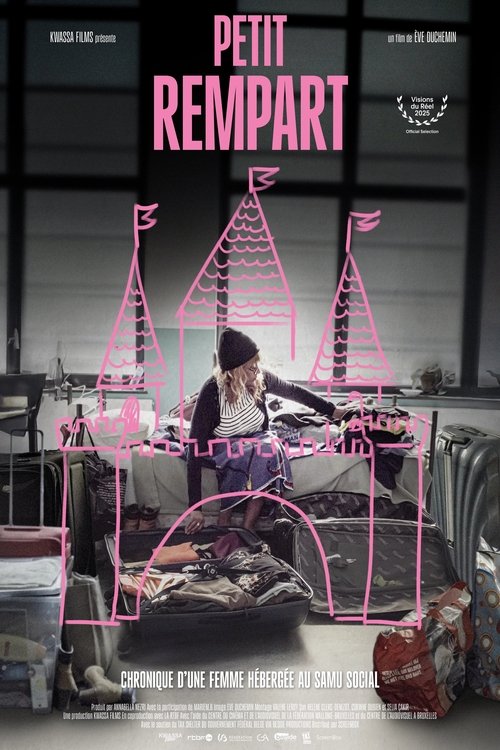
Mariem, 53, a former estate agent, has been living at a shelter for several months. Surrounded by women in far more precarious circumstances than herself, she tries to regard her unprecedented social downfall as an immersion in real life. By the time she leaves, Mariem’s view of the world will have changed forever, enriched by all the women she has met along the way.
Alanis Obomsawin, a North American Indian who earns her living by singing and making films, is the mother of an adopted child. She talks about her life, her people, and her responsibilities as a single parent. Her observations shake some of our cultural assumptions.
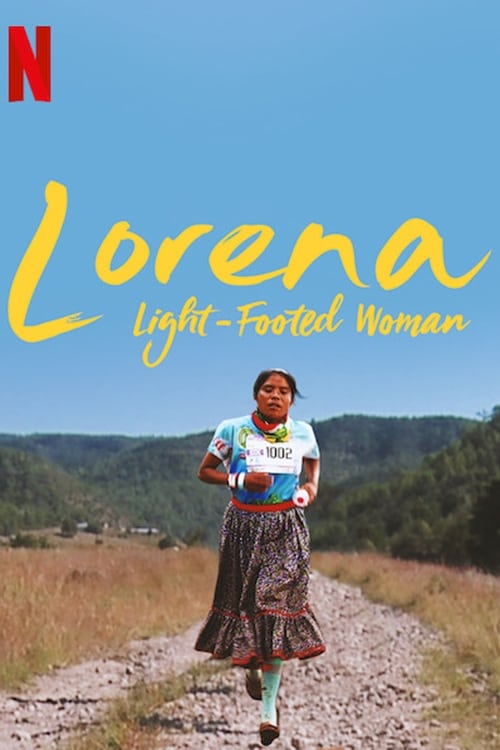
A young woman of the Tarahumara, well-known for their extraordinary long distance running abilities, wins ultramarathons seemingly out of nowhere despite running in sandals.
About the creative career of People's Artist of the USSR N.K. Cherkasov. The film uses footage from movies of the 1920s and 1930s.
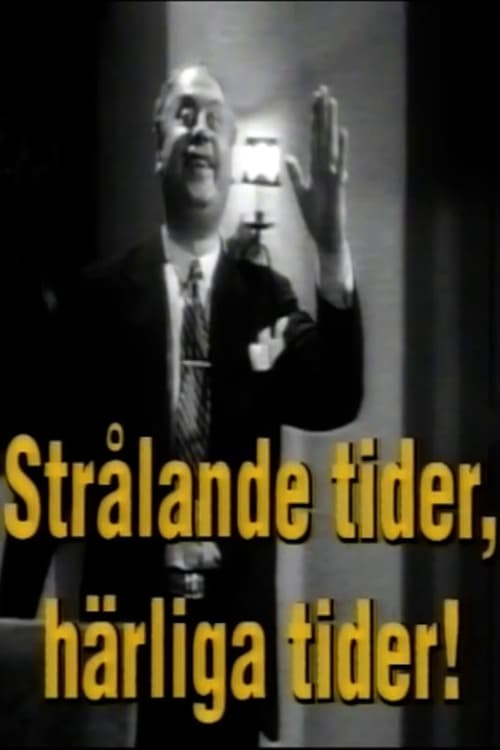
Portrait documentary of the Swedish comedic actor Thor Modéen full of clips from his greatest roles.
In France, victims and perpetrators of offenses, misdemeanors, or crimes can meet and talk in secure, supervised settings. Included in the Penal Code since 2014, this "restorative justice" is intended to complement criminal justice and provide a safe space for dialogue. The aim is to enable victims to rebuild their lives and perpetrators to take full responsibility for their actions, thereby reducing the risk of reoffending. This film follows one such program over the course of a year. Amélie, a prison rehabilitation and probation counselor, and Séverine, a lawyer for a victims' association, prepare Marthe, Aurélien, Sylvain, and JF, who are incarcerated for murder or attempted murder of their spouses. They also follow Emeline, Evelyne, and Marie, victims of similar crimes.
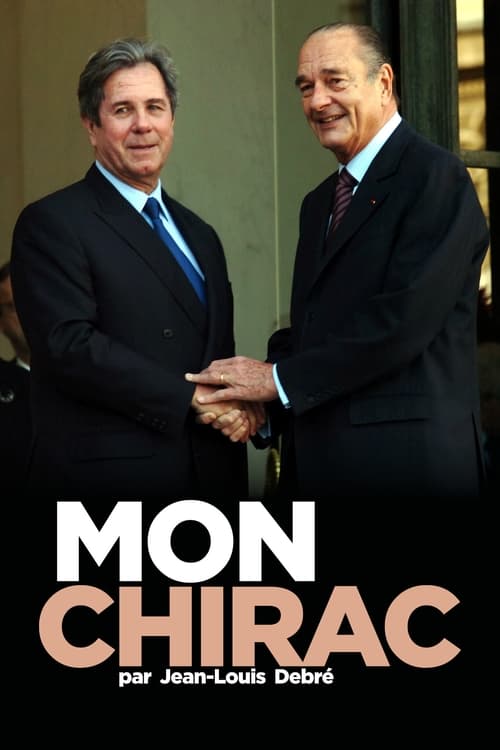
At the close of Jacques Chirac's life, politician Jean-Louis Debré has wished to make a film to celebrate his friend, to tell the story of their friendship and professional understanding, and to make an intimate portrait of the former President of France through the accounts of a few very close friends. Thanks to Jean-Louis Debré's presence, Claude Chirac and some of Jacques Chirac's closest friends, famous or unknown, agreed to talk to the camera, sometimes for the first time, to evoke their untold-before memories and tell about the moments that bonded the two men for a lifetime.
No Trailers found.