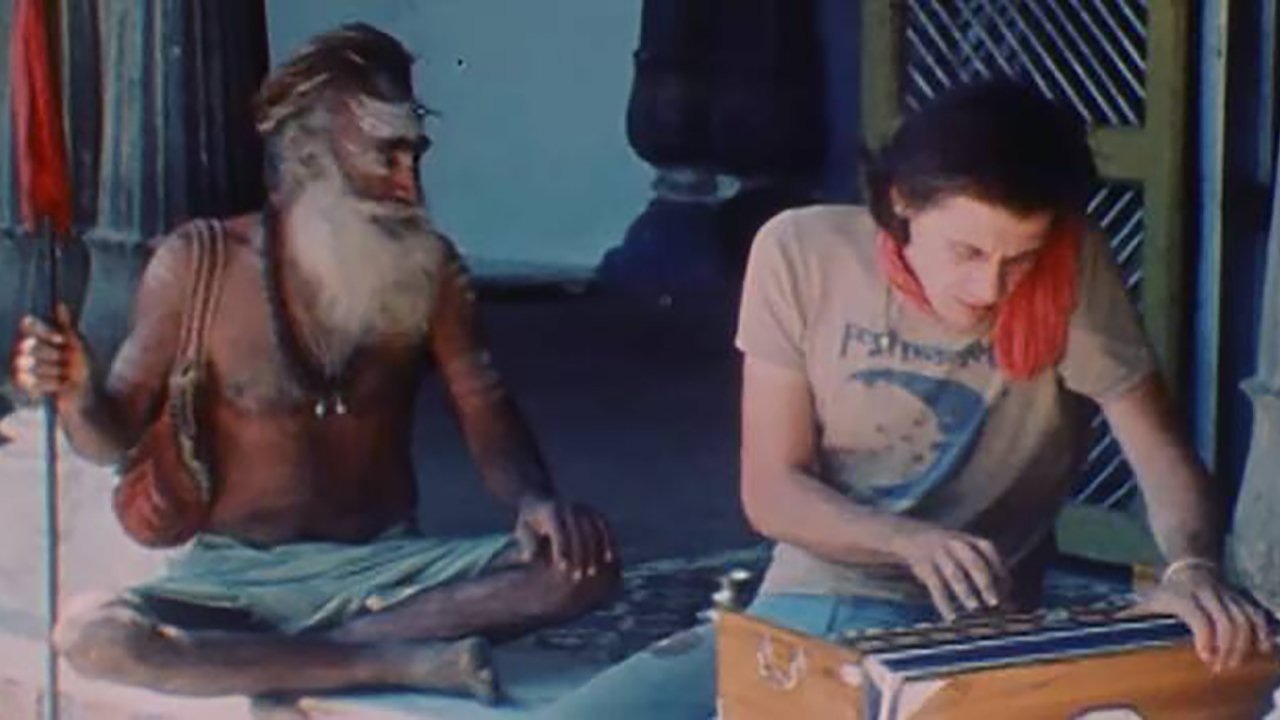
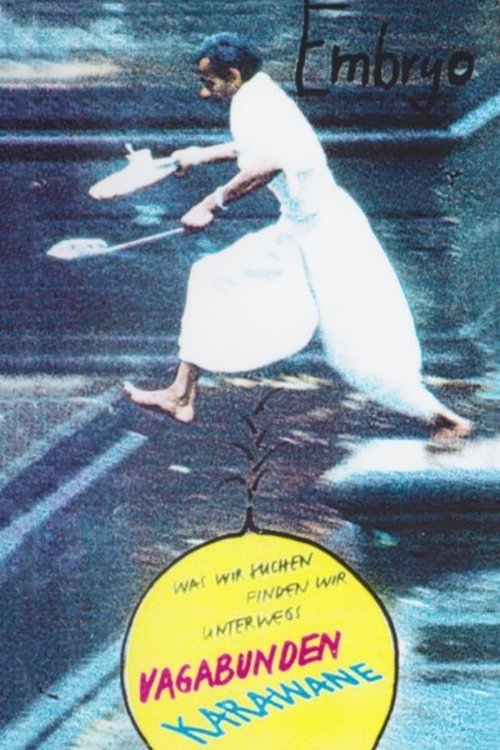
In 1979, krautrock group Embryo toured Iran, Afghanistan and India by bus, while performing with local musicians and documenting their trip.
Themselves
Self
No Trailers found.
The experimental German krautrockers CAN's legendary "Free Concert," recorded in Cologne's Sporthalle, Germany, on February 3, 1972. The circumstances of this Cologne show were unusual. Rather improbably for such an experimental band, Can actually scored a chart success in Germany with "Spoon," which would later be tacked onto the end of Ege Bamyasi.
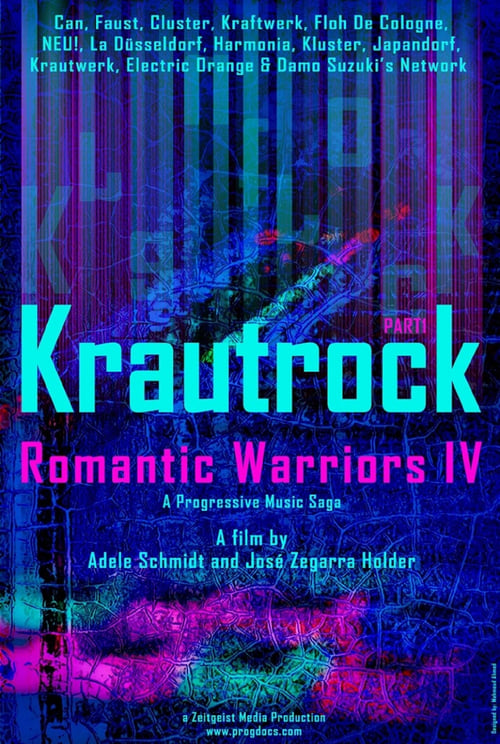
The fourth in a series of feature-length documentaries about Progressive rock written and directed by Adele Schmidt and José Zegarra Holder. Krautrock, Part 1 focuses on German progressive rock, popularly known as Krautrock, from in and around the Cologne, Düsseldorf, and Hamburg regions of Germany. Artist featured include Kraftwerk, Neu, Can, Faust and others.
1993 recording of band Les Rallizes Dénudés performing at the Baus Theater.
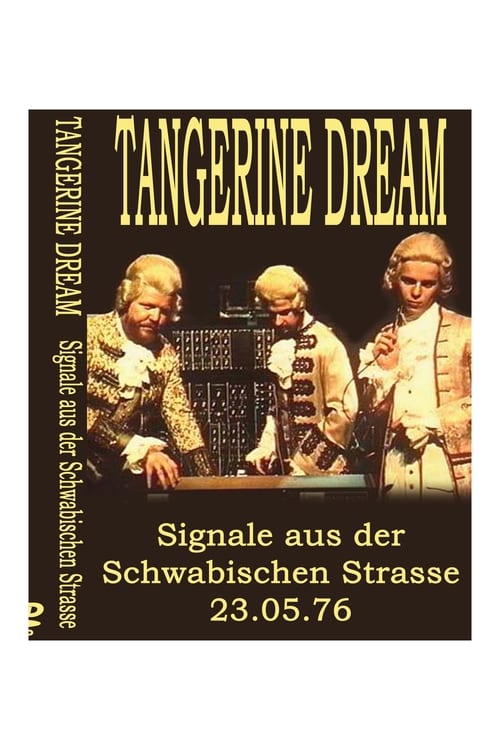
German TV film, also shown on Spanish TV in 1976, this is a film all about TD which includes informal interviews and concert/studio footage, most of which seems to have been done exclusively for the film. The interviews are in the German language. The street name in the title refers to where Edgar Froese used to live in Berlin (apparently Klaus Schulze lived on the same street at the time) and is now the site of the TDI offices.
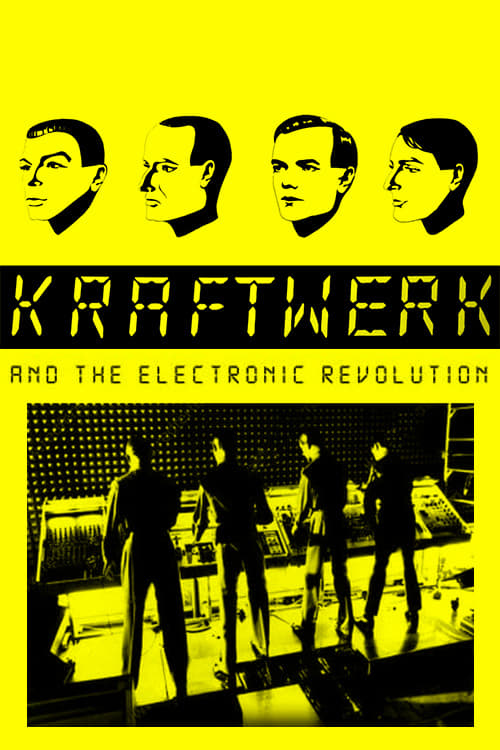
Kraftwerk's vision of a keyboard-driven world of clicking metronomic rhythms and digitised sound bites may have been the stuff of avant fantasy in the 1970s (the decade that saw the band's first groundbreaking albums), but it is a reality in the new millennium. Their visionary style is explored in KRAFTWERK AND THE ELECTRONIC REVOLUTION, a study of the group, their career and their emergence as the most influential electronic band in the world.
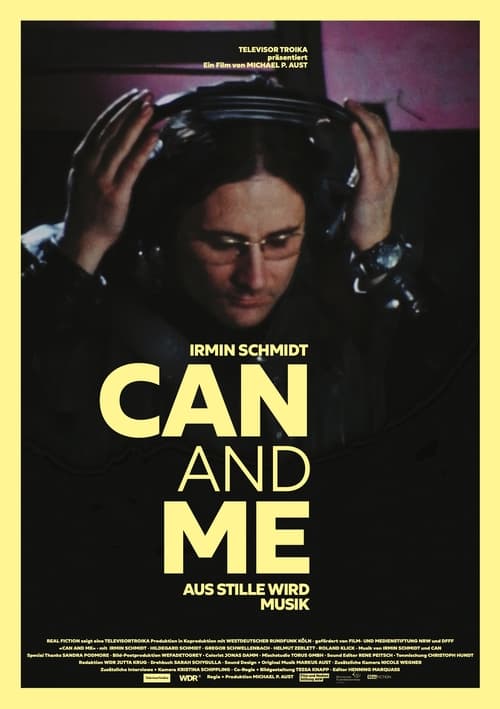
In 1968, musician Irmin Schmidt and friends founded the avant-garde band "Can", which achieved worldwide fame. Schmidt also made a name for himself as a composer for films by Wim Wenders. In this documentary, the charismatic sound tinkerer looks back on his life and career.
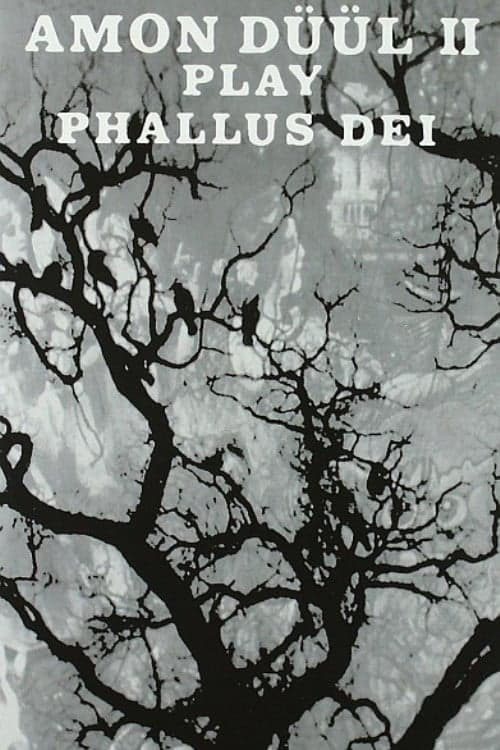
Directed by German filmmaker Rüdiger Nüchtern, this behind-the-scenes rock documentary captures Amon Düül II, as the progressive rockers record their debut album, "Phallus Dei," in a Munich recording studio in 1968. Blending performance footage with a collection of psychedelic nature clips, Nüchtern's meditative film captures the true essence of the legendary krautrock collective. The movie premiered at the Edinburgh Film Festival.
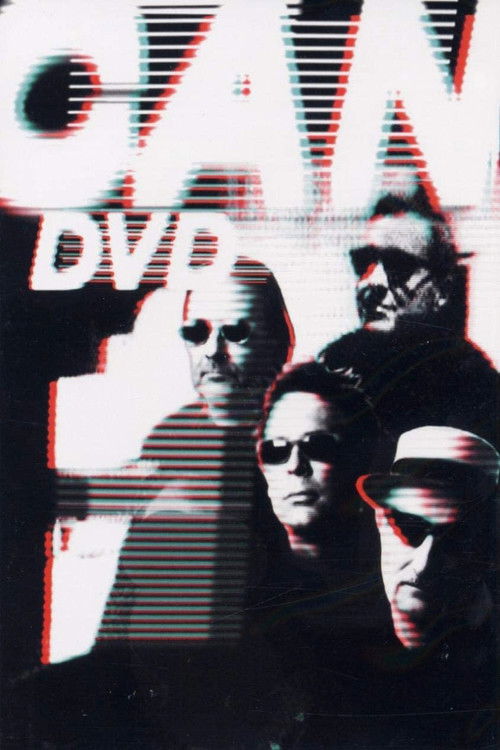
The late-'60s avant garde rock band CAN gets a feature-length tribute with this affectionate documentary chronicling its odd inception and subsequent career. In CAN -- The Documentary, the remaining band members are interviewed amidst culled together archival footage from talk shows, concerts, and television appearances to paint a portrait of a band who always remained happily on the sidelines of mass appeal, mixing street music, jazz, folk, and rock into a sometimes poppy, sometimes abstract stew. The band's influence on such seminal acts as Sonic Youth and Talking Heads is also analyzed.
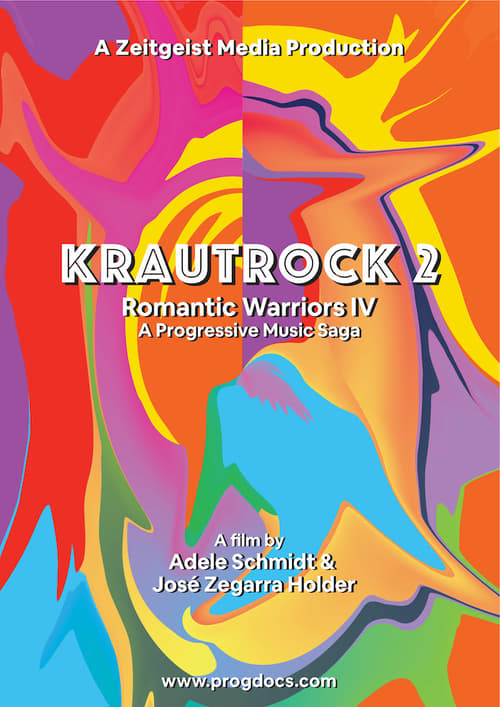
Romantic Warriors IV: Krautrock (Part 2) is the 2nd film of the Krautrock Trilogy, and explores eminent Krautrock bands from the South of Germany. Part 2 focuses on bands from Munich, Wiesbaden, Ulm, and Heidelberg, and highlights a more recent band from Aachen.
Documents the band "Korter í Flog". Their way to the top and their ultimate downfall. Post-dreifing, THAT Húrra concert and so much more.
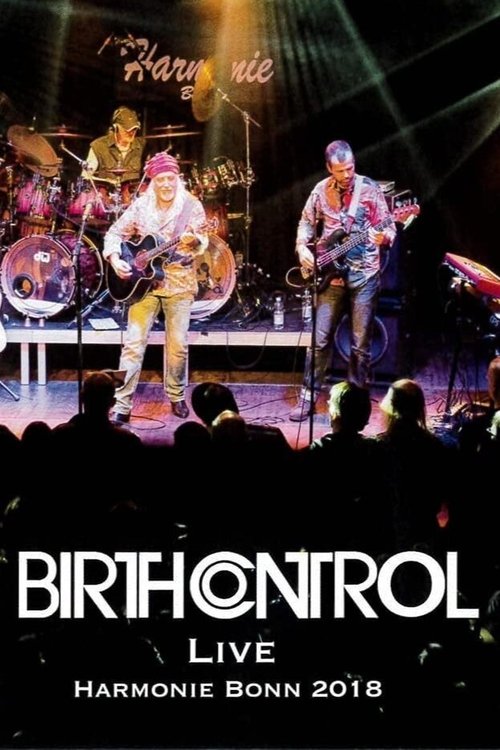
Live performance of the prog legends Birth Control. The concert recording contains new material, but also well-known classics, handmade grooves, interesting harmonies, burning solos and soulful rock vocals in front of an enthusiastic audience.
During the reconstruction of the Valmiera Theatre building (2021-2024), artistic activities were never interrupted - the preparation of new productions and performances in the Round Hall continued. The promised one winter of patience turned into three. Rehearsals and performances took place in various locations in Valmiera, but the theatre building, despite the lack of water and heat, was never abandoned - with construction crews, through the dust and cold, actors and other theatre staff went to the rehearsal hall, the Round Hall, the carpentry workshop, and the administration to work as if nothing were unusual or difficult.
Follows Captain Irving Johnson and the crew of the Yankee on an 18-month journey around the world. Shows the people and places that they visited and some of the difficult sailing conditions that they encountered.
A stop motion/collaged based independent short film plays with the recontextualisation of memories and how time distorts them.
Both performances took place at Tachikawa Stage Garden in Tachikawa, Tokyo, Japan. The concerts consist of two performances (titled above), Spotlight Star and Harmony Star. While the cast list for both performances is identical, the featured contents are different: Spotlight Star focuses on solo performances, while Harmony Star focuses on group performances.
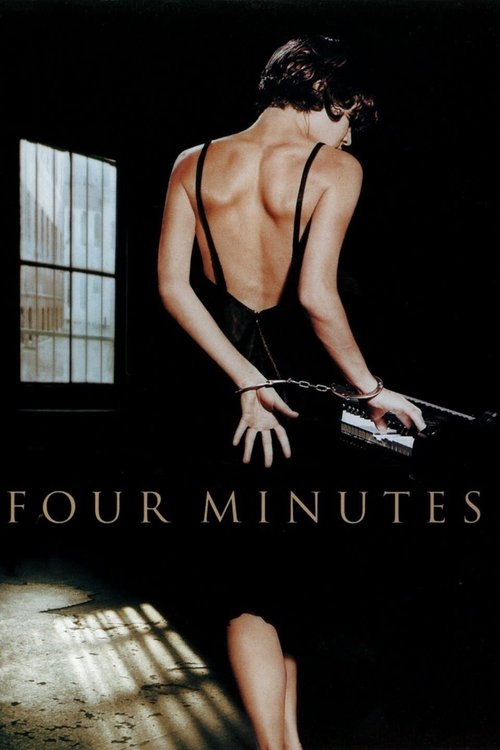
Jenny is young. Her life is over. She killed someone. And she would do it again. When an 80-year-old piano teacher discovers the girl’s secret, her brutality and her dreams, she decides to transform her pupil into the musical wunderkind she once was.
This shows physicist Stephen Hawking's life as he deals with the ALS that renders him immobile and unable to speak without the use of a computer. Hawking's friends, family, classmates, and peers are interviewed not only about his theories but the man himself.
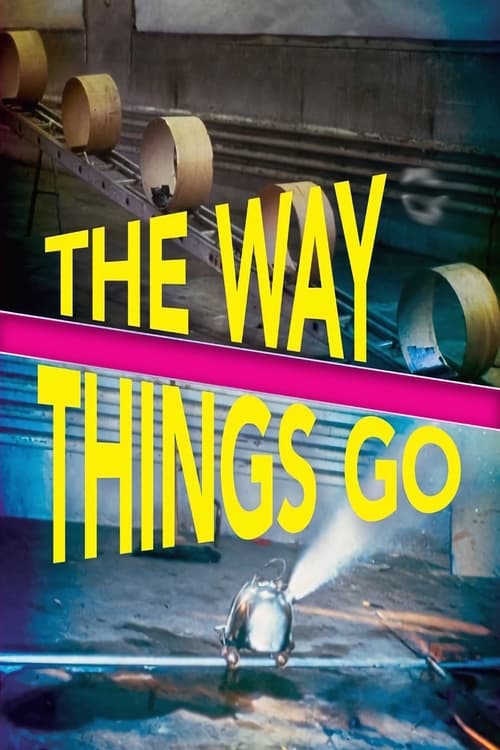
Artists Peter Fischli and David Weiss create the ultimate Rube Goldberg machine. The pair used found objects to construct a complex, interdependent contraption in an empty warehouse. When set in motion, a domino-like chain reaction ripples through the complex of imaginative devices. Fire, water, the laws of gravity, and chemistry determine the life-cycle of the objects. The process reveals a story concerning cause and effect, mechanism and art, and improbability and precision, in an extended science project that will mesmerize the mind.
Ayumi Hamasaki Arena Tour 2012 A: Hotel Love Songs is Japanese pop singer Ayumi Hamasaki's 14th Tour started on April 7, 2012 at Saitama Super Arena ending with additional performances on October 11, 2012 at First gymnasium National Yoyogi Stadium
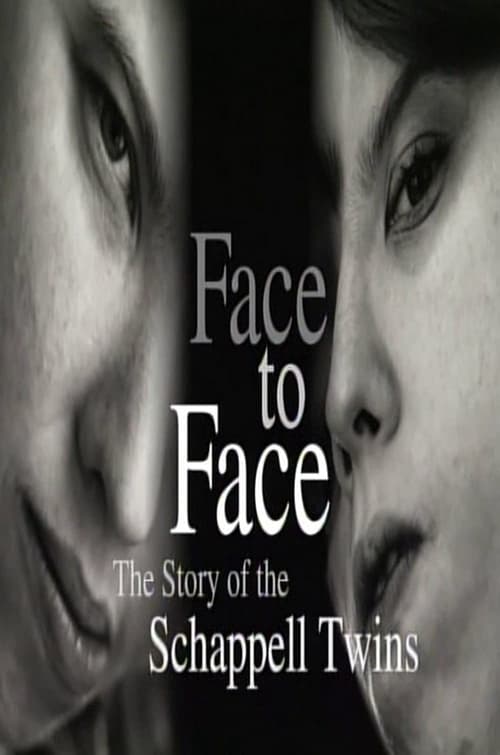
Two bodies and one mind, this is the extraordinary story of one pair of conjoined twins in today's world.