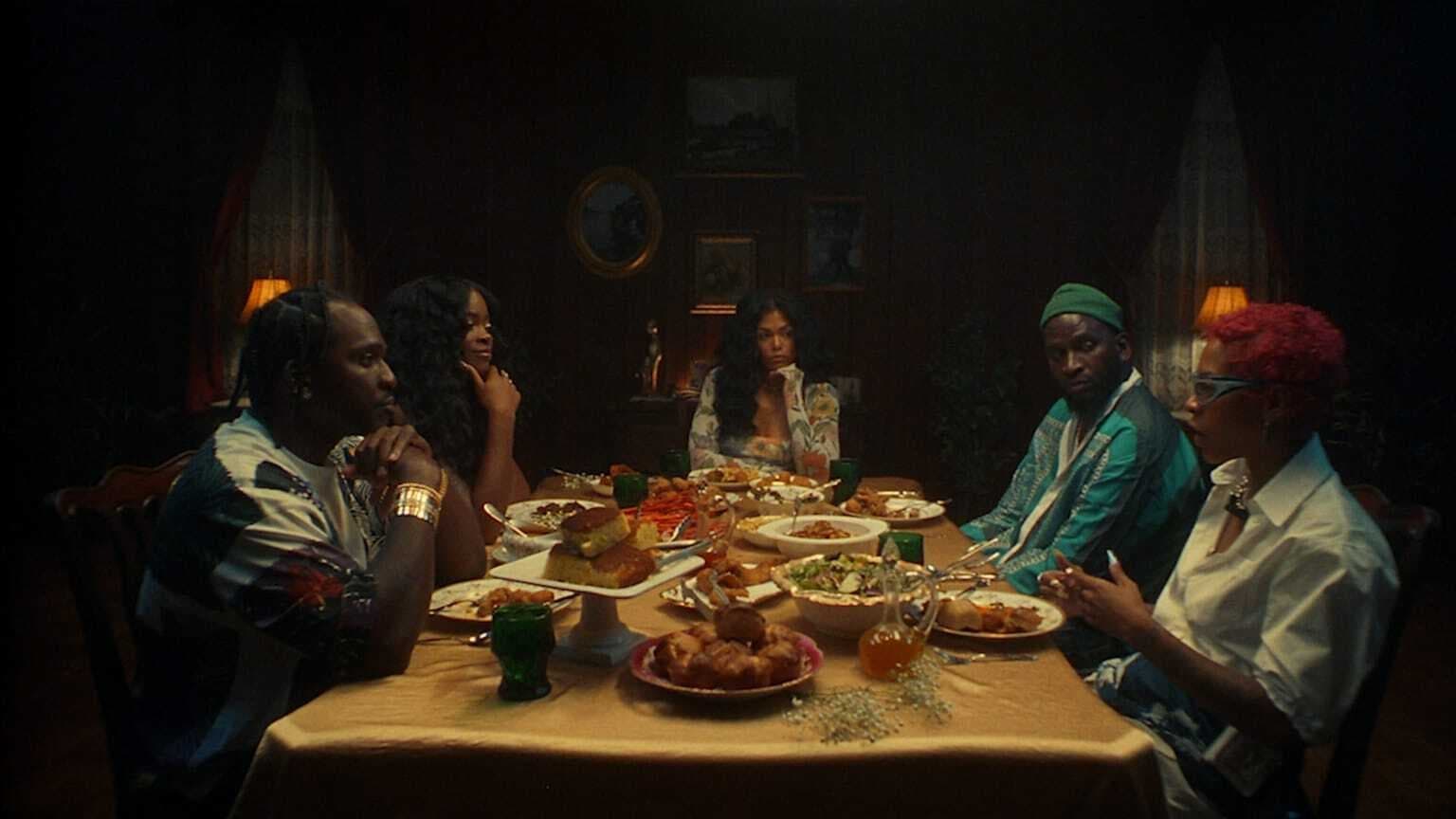
This documentary film is a celebration of Washington DC, Maryland, and Virginia (DMV) and the Black artists driving music culture forward.
No Trailers found.
Self
Self - Host
An exploration —manipulated and staged— of life in Las Hurdes, in the province of Cáceres, in Extremadura, Spain, as it was in 1932. Insalubrity, misery and lack of opportunities provoke the emigration of young people and the solitude of those who remain in the desolation of one of the poorest and least developed Spanish regions at that time.
The T.N.P., the Théâtre National Populaire, an important experimental theater directed by Jean Vilar. Franju combines sequences from theatrical performances with documentary images, creating links and confrontations between theater and the real world.
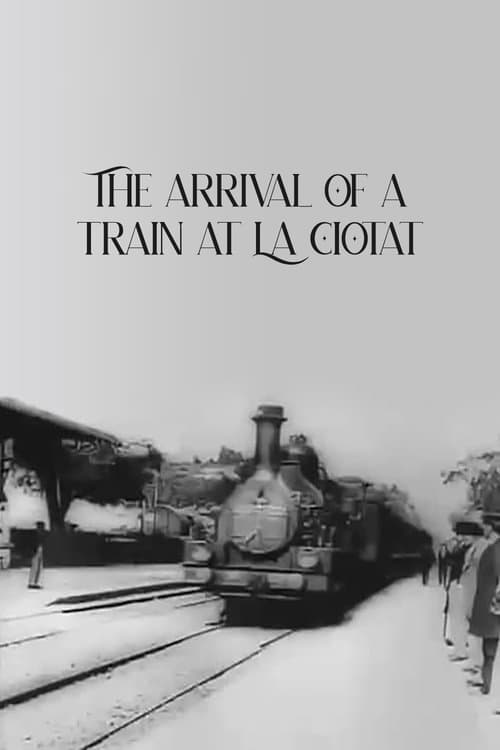
A group of people are standing along the platform of a railway station in La Ciotat, waiting for a train. One is seen coming, at some distance, and eventually stops at the platform. Doors of the railway-cars open and attendants help passengers off and on. Popular legend has it that, when this film was shown, the first-night audience fled the café in terror, fearing being run over by the "approaching" train. This legend has since been identified as promotional embellishment, though there is evidence to suggest that people were astounded at the capabilities of the Lumières' cinématographe.
Shannon Amen unearths the passionate and pained expressions of a young woman overwhelmed by guilt and anxiety as she struggles to reconcile her sexual identity with her religious faith. A loving elegy to a friend lost to suicide.
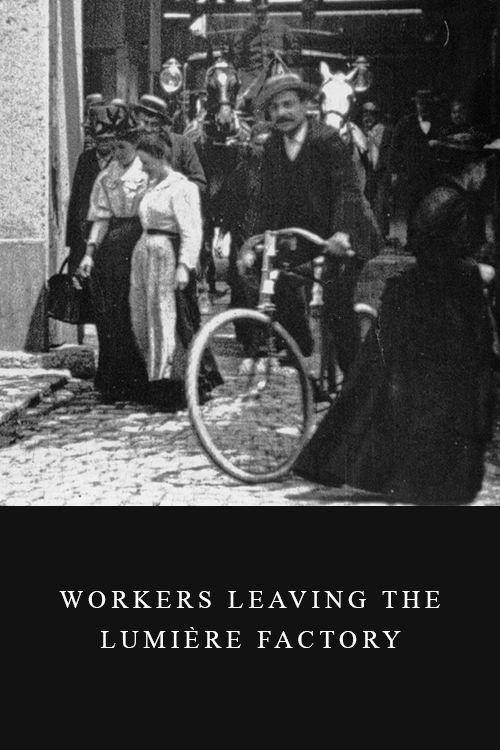
Working men and women leave through the main gate of the Lumière factory in Lyon, France. Filmed on 22 March 1895, it is often referred to as the first real motion picture ever made, although Louis Le Prince's 1888 Roundhay Garden Scene pre-dated it by seven years. Three separate versions of this film exist, which differ from one another in numerous ways. The first version features a carriage drawn by one horse, while in the second version the carriage is drawn by two horses, and there is no carriage at all in the third version. The clothing style is also different between the three versions, demonstrating the different seasons in which each was filmed. This film was made in the 35 mm format with an aspect ratio of 1.33:1, and at a speed of 16 frames per second. At that rate, the 17 meters of film length provided a duration of 46 seconds, holding a total of 800 frames.
This documentary, the final film directed by Frank Capra, explores America's plans for the future of space exploration. It was produced by the Martin-Marietta Corporation for exhibition in the Hall of Science at the 1964 New York World's Fair.
This film describes a psychological state "kin to moonstruck, its images emblems (not quite symbols) of suspension-of-self within consciousness and then that feeling of falling away from conscious thought. The film can only be said to describe or be emblematic of this state because I cannot imagine symbolizing or otherwise representing an equivalent of thoughtlessness itself. Thus the actors in the film, Jane Brakhage, Tom and Gloria Bartek, Williams Burroughs, Allen Ginsberg, Peter Olovsky and Phillip Whalen are figments of this 'Thought-Fallen Process', as are their images in the film to find themselves being photographed."
An intimate look at the Woodstock Music & Art Festival held in Bethel, NY in 1969, from preparation through cleanup, with historic access to insiders, blistering concert footage, and portraits of the concertgoers; negative and positive aspects are shown, from drug use by performers to naked fans sliding in the mud, from the collapse of the fences by the unexpected hordes to the surreal arrival of National Guard helicopters with food and medical assistance for the impromptu city of 500,000.
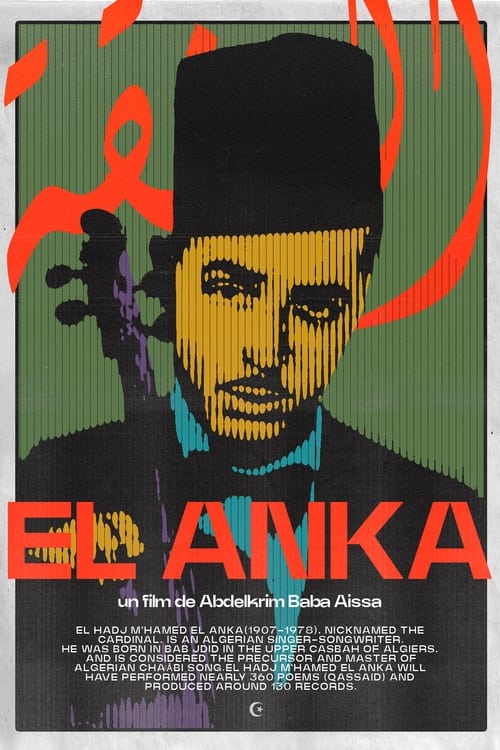
1/4 - In 1925, the young M’hamed El Anka replaced his master Nador at short notice. He realizes that he is far from mastering all the instruments of his art and begins a self-taught training program in Oud, the Arabic language, and religious singing in the hadra of Sidi Abderrahmane. 2/4 - In 1932, the young El Anka released 10 45 rpm records in Paris, including the first song from his composition "L'Exil". He is gradually “lightening” the Andalusian heritage. He made the pilgrimage to Mecca and wrote the famous song "El Mendouza". 3/4 - The 40s and 50s will confirm the maturity of the master, who consolidates the constituent elements of what is today called Chaâbi music. In the midst of the national liberation struggle, El Hadj M'hamed El Anka triumphs with the song "Youm El Djemâa". 4/4 - In 1962, El Anka sang of independence: "El hamdou lilah, mabqach listaâmar fi bledna". Activist, poet and musicologist Bachir Hadj Ali explains the artist’s exceptional style.
No overview available.
The ongoing relationship between the worlds of punk rock and animal rights and how the music became a breeding ground for vegan activism.
A documentary about a person who cleans his room with a vacuum cleaner, filled with disasters and mishaps.
Autobiographical documentary in which Ian Dury, fighting a battle with cancer to which he would later succumb, recalls his life and career. With contributions from painter Peter Blake and members of Dury's band, the Blockheads.
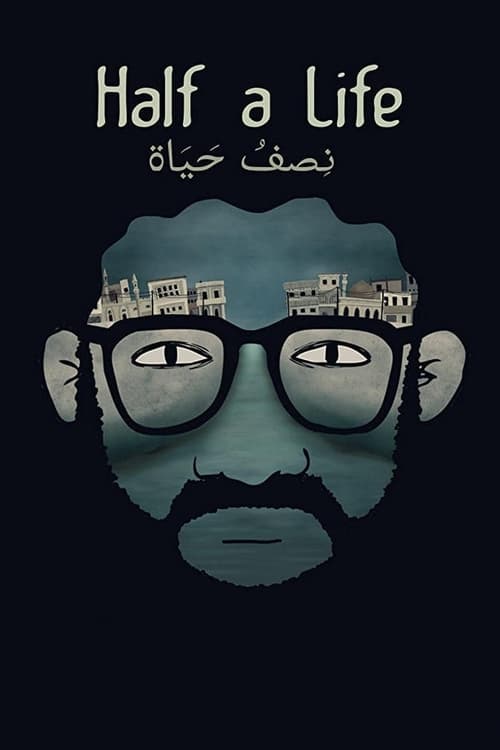
After a traumatic encounter, a young gay Egyptian joins the LGBT rights movement. When his safety is jeopardized, he must choose whether to stay in the country he loves or seek asylum elsewhere as a refugee. "Half a Life" is a timely story of activism and hope, set in the increasingly dangerous, oppressive, and unstable social climate of Egypt today.
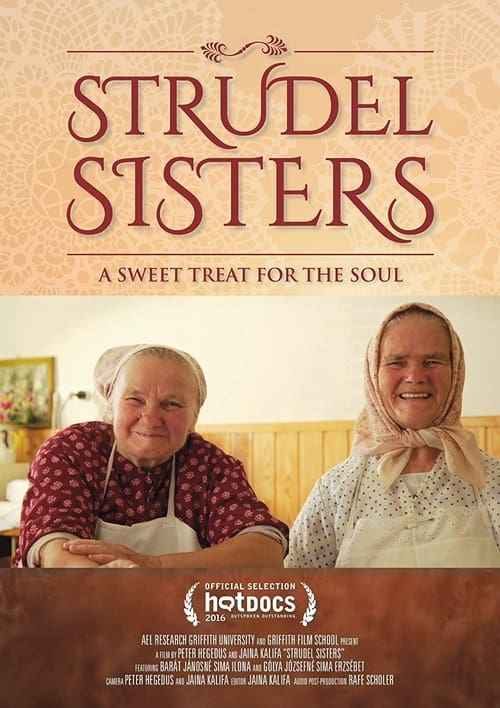
Two elderly sisters share the delicate art of making traditional Hungarian strudel and reveal a deeply personal family story about their mother, who taught them everything they know.
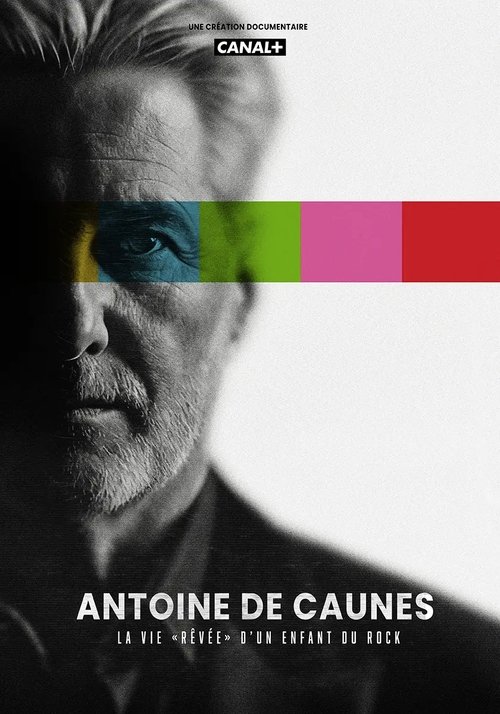
Documentary on Antoine de Caunes, a French television presenter, comedian, actor, journalist, writer and film director.
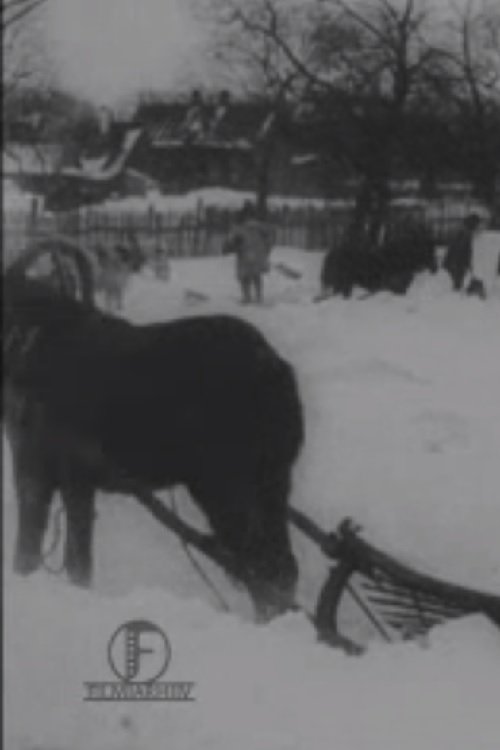
A series of short winter scenes.
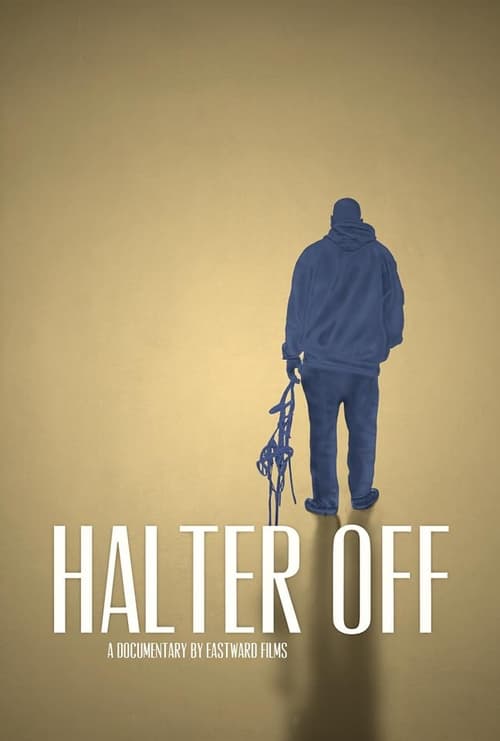
Set in Charles Town, West Virginia, Halter Off offers an unapologetic look at one man's shot at a second chance. Angelo Jackson, a 50-year old horse trainer with a checkered past, is looking to redeem himself after being one charge away from a life sentence in prison. Banned from the track and with the odds against him, Angelo is facing the biggest race of his career against mentor and legendary horse trainer, James W. Casey. As Angelo finds himself downs on his luck and with the system he is working for working against him, he puts it all on the line to win the race of his life.
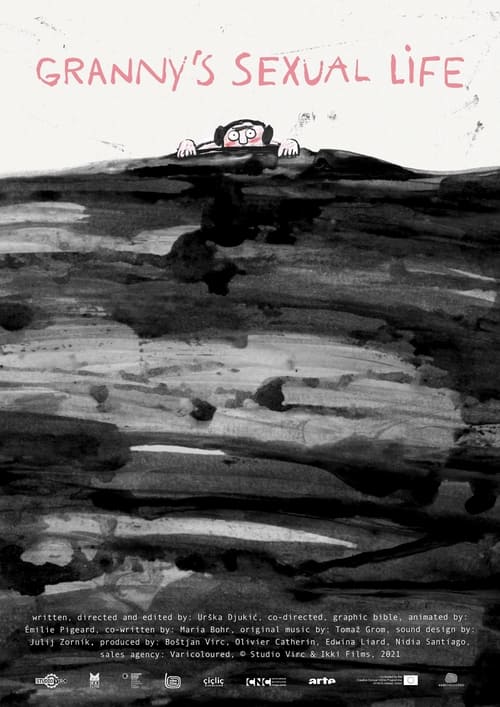
A trip into grandma's intimate life shows the status of Slovenian women in the first half of the 20th century.
The tale of the formation, journey and end of the seminal Punk/Reggae band The Slits.