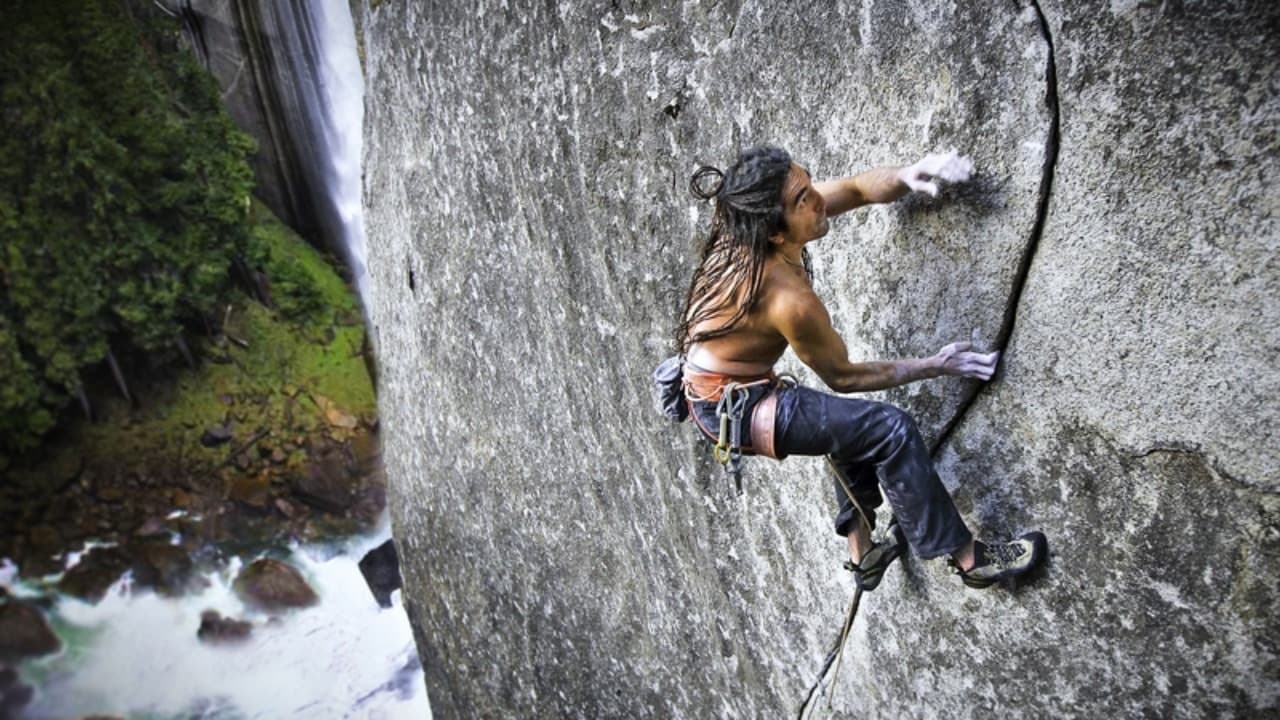
Lonnie Kauk’s personal journey to honor his indigenous Yosemite roots, and to connect with his legendary father by repeating his iconic climbs.
Trailer
Himself
Herself
What happens when a crazy filmmaker meets a crazy boulder and they decide to make a film together? It could be called pre-programmed chaos or the beginning of a common vision. After nearly two years of work, the film is finished, pure soul has come out! Camera and direction show boulders in a unique style. The philsophy and climbing art of Bernd Zangerl set the crown on the film. The locations were Ticino, Magic Wood and the mountains of the Silvretta. Each area has its own character, its own style and ambience. 'Every centimeter has its meaning. As with Humbold's natural vision, thought and feeling merge, and here the symbiosis of man and rock, man's stone, humanized petrified. " The film shows Bernd Zangerl, Barbara Zangerl and Thomas "Steini" Steinbrugger during bouldering at Magic Wood, Silvretta and Ticino. The best and most beautiful first visits by Bernd Zangerl are documented as well as spectacular highballs and low water soloing.
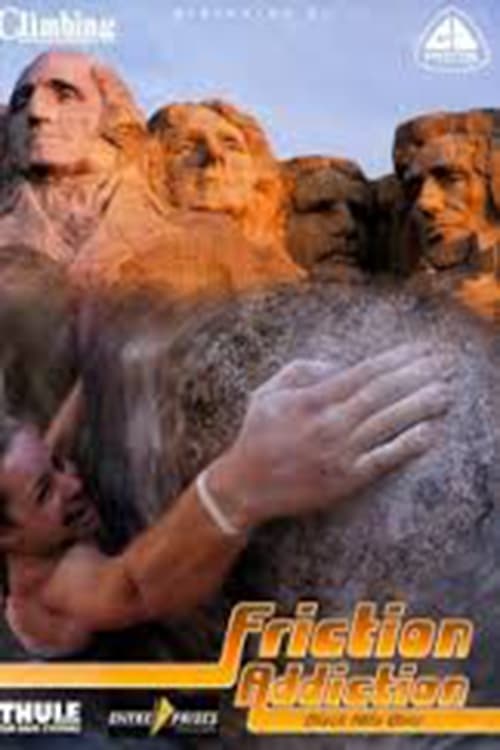
Friction Addiction rock climbing video brings you an amazing summer of daring run outs and highball first ascents from the sharp end of South Dakots's Black Hills. Filmed entirely in crystal clear digital, and set to an original soundtrack by Underground Chuck, this film raises the bar of the rock climbing video genre to dangerous new heights.
A cocktail of diverse climbing, from hard trad onsights and first ascents, to intense limestone sport, slate, bouldering and deep water soloing. Historic routes like Jerry Moffatt's Liquid Ambar and Johnny's The Quarryman as well as the new generation of test pieces. Line up of climbers includes Pete Robins, Tim Emmett, James McHaffie, Johnny Dawes, Pete Whtitaker, Nick bullock and Paul Pritchard.
IMPROVE YOUR CLIMBING WITH NEIL GRESHAM Are you tired of burning out on steep routes and unsure whether it’s due to lack of strength or poor technique? Do you still feel nervous about pushing above bolts or trusting your feet on slabs? If you’re fed-up with making the same old mistakes then why not settle the score using this two-part instructional video series, hosted by Britain’s leading climbing coach Neil Gresham. Whether you climb F5 or F7c, these films are packed with tips to help you improve every aspect of your climbing performance. Part 1 shows you how to develop your technique and how to train more productively and Part 2 shows you how to put it all together and get the most from yourself on the cliffs. There are right and wrong examples to help you identify your weaknesses and case studies from some of Britain’s best climbers. Those dream routes may be closer than you think and watching these films might be all you need to turn them into a reality.
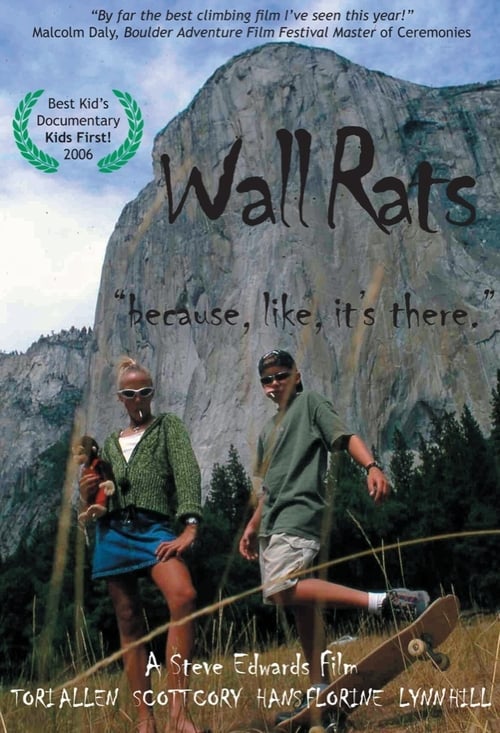
Two teenagers try and become the youngest people to conquer El Capitan's 3,000' face. Teenage sport climbers Tori Allen and Scott Cory attempt to become the youngest people to climb Yosemite's El Capitan. However, they've never been more than 100' off the ground. How they'll respond to a multi-day adventure up a 3,000 foot wall is anybody's guess. With very little planning, they embark on a 5-day adventure into history.
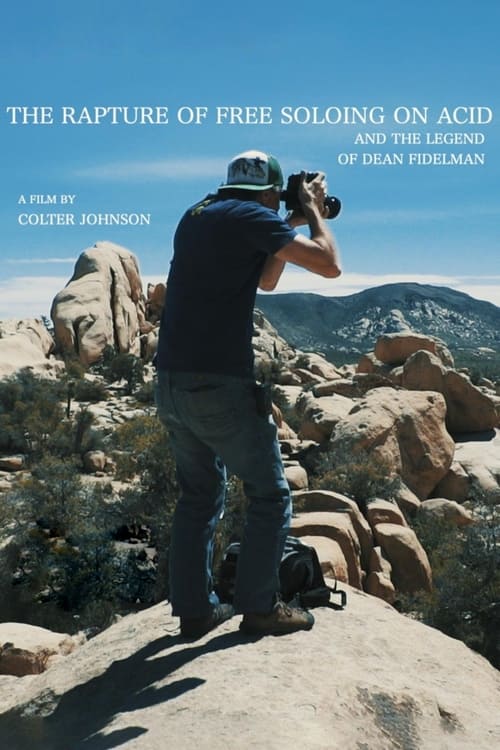
This film follows the legendary climbing photographer and Stone Master, Dean Fidelman. Fidelman was at the forefront of the free climbing revolution in Yosemite Valley and Joshua Tree during the 1970s, making photographs with John Bachar, Lynn Hill, Ron Kauk, John Long, and many other talented climbers. This documentary takes a look at Fidelman's impact and influence as a photographer and climber.
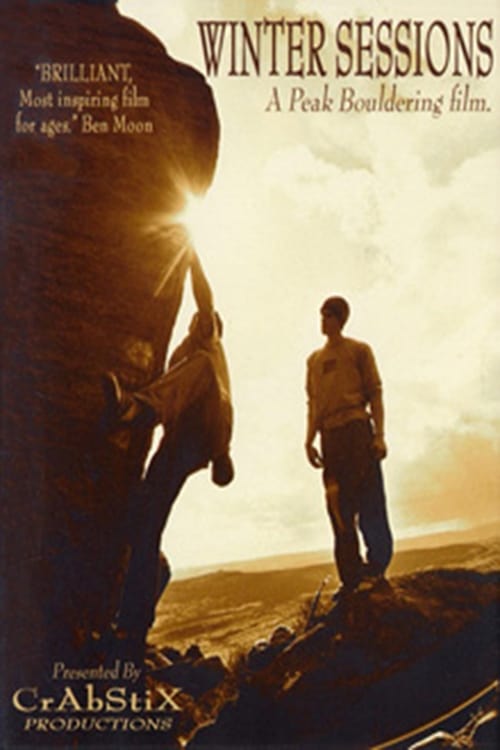
Winter Sessions provides a playful yet compelling bouldering film about the unique and intense world of peak gritstone bouldering. From the many colourful and interesting players in this game to the magical landscapes of the Peak District National Park, this film portrays the essence of a scene which is often bewildering, frustrating and satisfying all rolled into one. Using footage gathered over two winters it includes a diverse range of stories set to an awesome soundtrack. Highlights include Ben Moon's first ascent of Voyager (8b) followed by fifteen year old protege Tyler Landman's second ascent. Also featuring Sam Whittaker, Jerry Moffatt, Jon Fullwood, Ben Bransby, Adam Long and many more.. Winter Sessions is a feast for the eyes and ears as these climbers set about repeating old classics (The Ace, The Joker, Deliverance to name but a few) and establishing new instant classics.
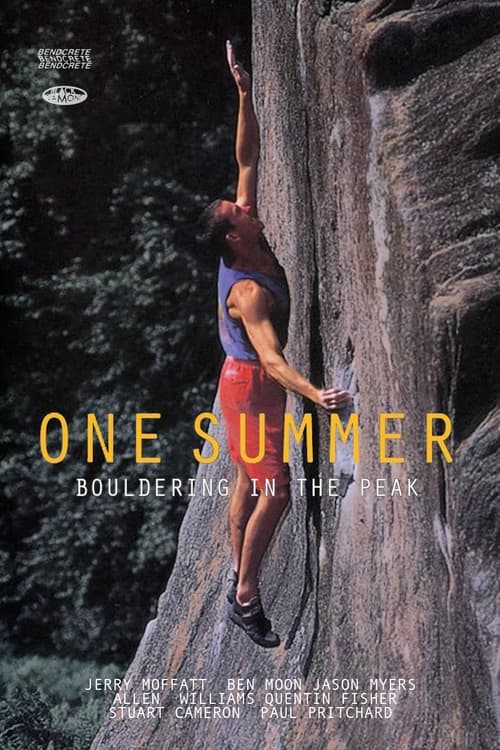
Follow Ben Moon as he ticks some of the Peak's most classic boulder problems, including Ben's Extension (f8A), Pinch 2 (f8A+), and Pump Up The Stamina (f8B+). Filmed and directed by Ben Pritchard with appearances from Jerry Moffat, One Summer has become a fly on the wall account of hard bouldering in the early 1990s.
Follows Haida artist Bill Reid, from British Columbia. A jeweller and wood carver, he works on a traditional Haida totem pole. We watch the gradual transformation of a bare cedar trunk into a richly carved pole to stand on the shores of the town of Skidegate, in the Queen Charlotte Islands of B.C.
Bouldering champion, Angie Payne, leaves everything she knows beyond as she ventures deep into the French Polynesian jungle with veteran climber and explorer, Mike Libecki. Their objective: to put up a first ascent on the south face of the Poumaka Tower. Directors Andy Mann and Keith Ladzinski capture blood, sweat, and tears as the team climbs through mud and fear, into the unknown.
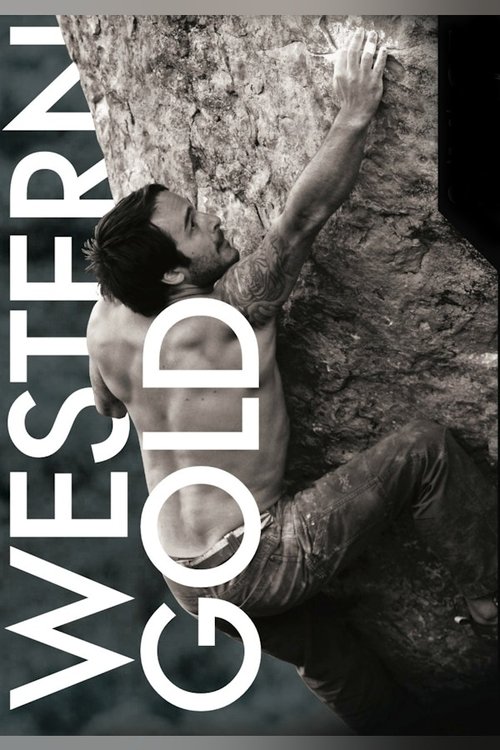
Join Savage Films on an adventure in search of the best highball boulders on the West Coast of North America. Phenomenal cinematography takes you to five new world-class locales: Red Rocks NV, Leavenworth WA, Squamish BC, Cody WY, and Castle Rocks ID. Western Gold provides a thrilling view of the bouldering experience when climbers commit to harder moves higher and higher off the ground. From the hardest to the tallest the West Coast has to offer, get ready to see something new.
After a plane crash, four indigenous children fight to survive in the Colombian Amazon using ancestral wisdom as an unprecedented rescue mission unfolds.
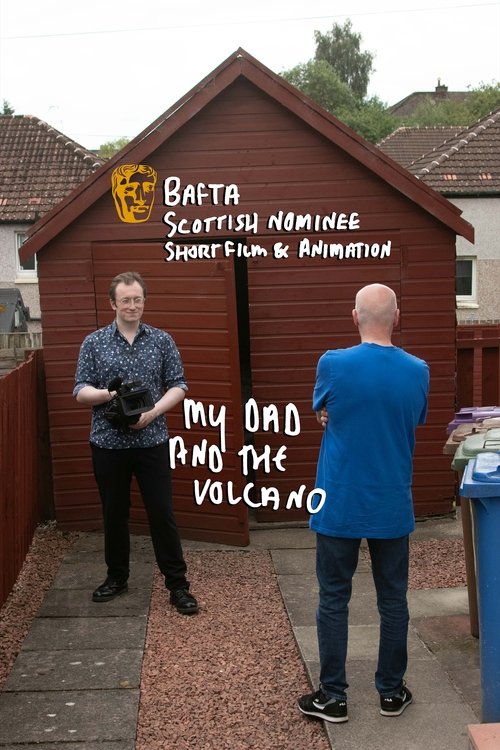
Gavin built a giant volcano sculpture that's now in his dad's shed. Gavin seeks his dad's understanding but he's uninterested in modern art and refuses to participate in the documentary.
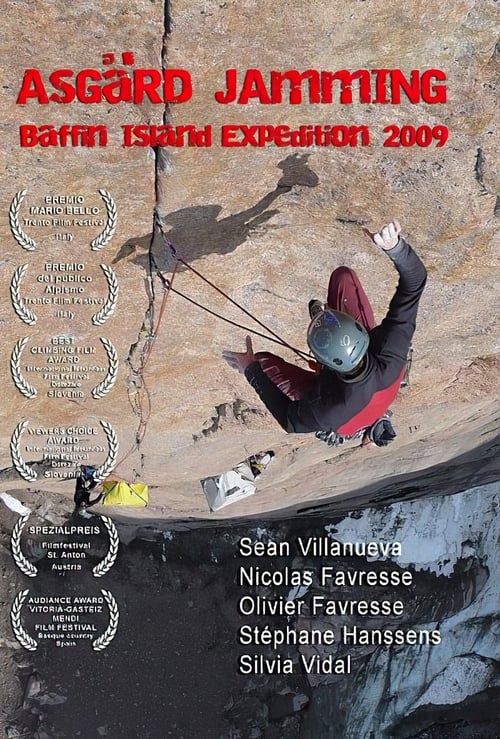
Attempt to make the first free climbing of the Mount Asgard.
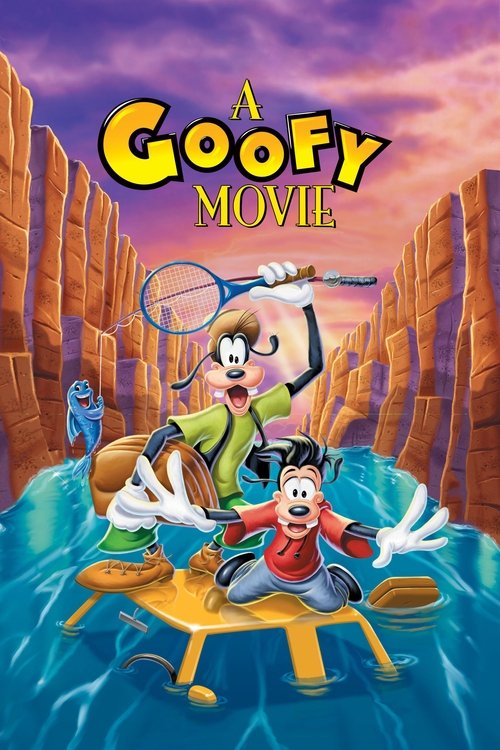
Goofy’s teenage son Max is desperate to impress his crush and fit in at school. After well-meaning but ignorant Goofy suddenly whisks him away on a cross-country road trip—messing up Max’s first date plans in the process—Goofy’s old-school parenting and Max’s desire for independence lead to a vacation of hilarious mishaps, as they both learn to see eye to eye and listen to each other.
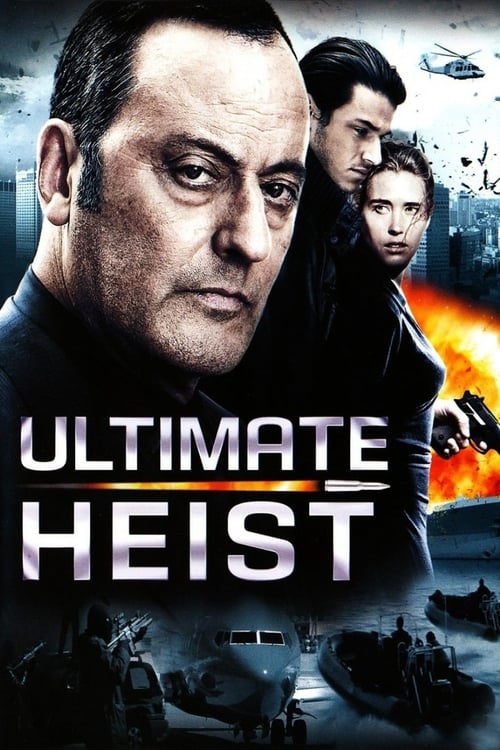
The Malakian clan, a family of ruthless gangsters, controls the underworld of Southern France. At its head, the violent godfather Milo Malakian rules his world with an iron fist. His son and heir, Anton, dreams of breaking free and making his own choices. But the gang's inner circle is engraved in blood. To escape, not only does Anton have to counter his own destiny, but also the man who has sworn to bring his father down.
In their infinite quest for virgin big walls, adventurers Sean Villanueva O’Driscoll, Nicolas Favresse, Stephane Hanssens and Evrard Wendenbaum, head in September 2013 to a remote valley in the westernmost region of China. There, they found a fantastic 1200m vertical pillar, culminating at 5842m. They spent 14 days on the wall facing snow storms and harsh conditions to finally achieve this amazing ascent with some frost bites but never forgetting to have a lot of fun and to play unreal musical sessions.
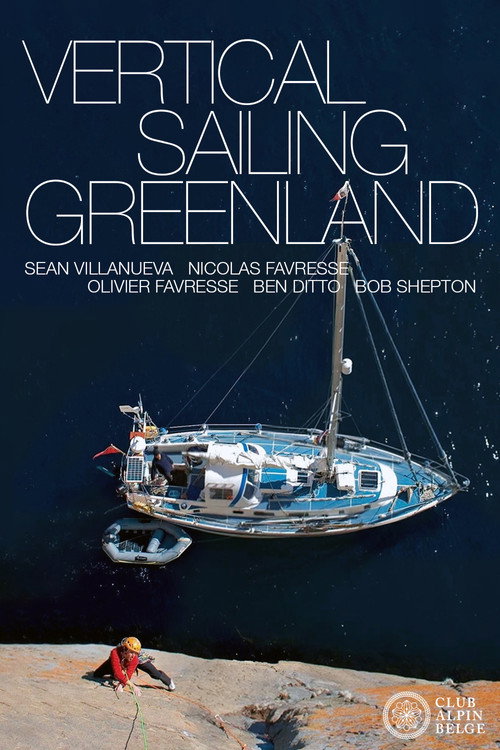
A "team of savages," as their boat captain Bob Shepton calls them, comprised of Sean Villanueva O'Driscoll, Olivier Favresse, Nicolas Favresse, and Ben Ditto, set off for Greenland to attempt a first big wall climb. Arriving in Asia by plane, they prepare the sailboat for two months of self-sufficiency. Accompanied by whales, seagulls, and icebergs, they train on various rock faces before beginning their ascent of the seemingly impossible wall. It takes them 11 days to complete the climb, braving bad weather, the rock itself, the wilderness, and three different bivouac sites—all accompanied by music, of course! The return journey is not without its challenges, as they must avoid a cyclone and cross the Atlantic to reach Oben in Scotland.
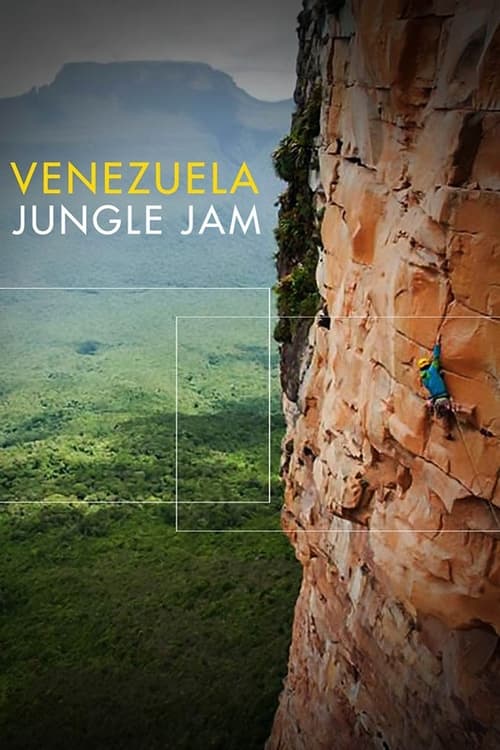
The latest film from the Belgian climbing team, following Asgard Jamming and Vertical Sailing Greenland, Venezuela Jungle Jam features Sean Villanueva O'Driscoll, Nico Favresse, Stephane Hanssens and Jean-Louis Wertz as they attempt a new free climb on the overhanging 500m wall of Amuri Tepul in the Venezuelan Jungle.
No overview available.