No Cast found.
No Trailers found.
A cinematic and introspective look at the residents of a Quebec town—once the site of the world's largest asbestos mine—as they grapple with their community's industrial past. Striving to honour their heritage while reconciling with their history and forging a new path forward, the miners delve into the intricacies of progress and healing.
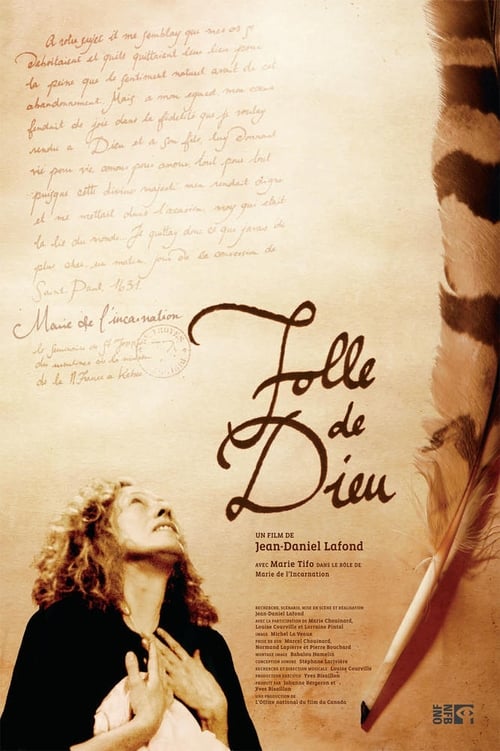
This feature-length film tells the story of the passion between Marie de l’Incarnation, a mid-seventeenth-century nun and God, her "divine spouse." Fusing documentary and acting by Marie Tifo, whom we follow as she rehearses for this demanding role, the film paints an astonishing portrait of this mystic who abandoned her son and left France to build a convent in Canada, where she became the first female writer in New France.
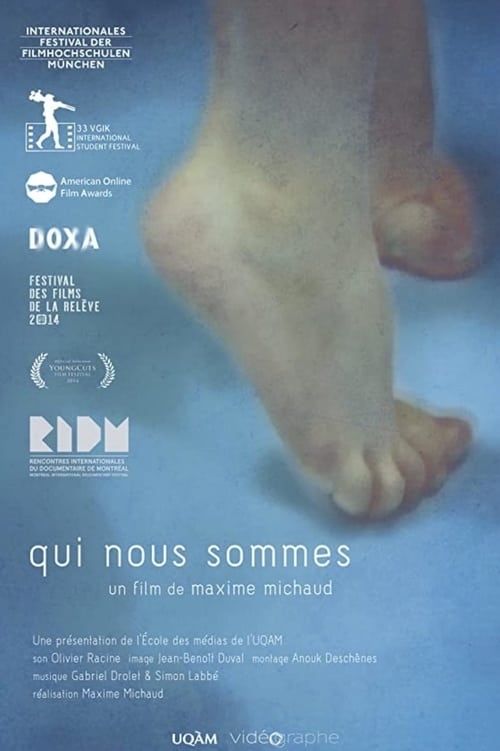
Autism spectrum disorder (DSA) - It is not what they have, but what they are, who they are. They are Felix, Anthony, Marc and Brigitte. They are different.
No overview available.
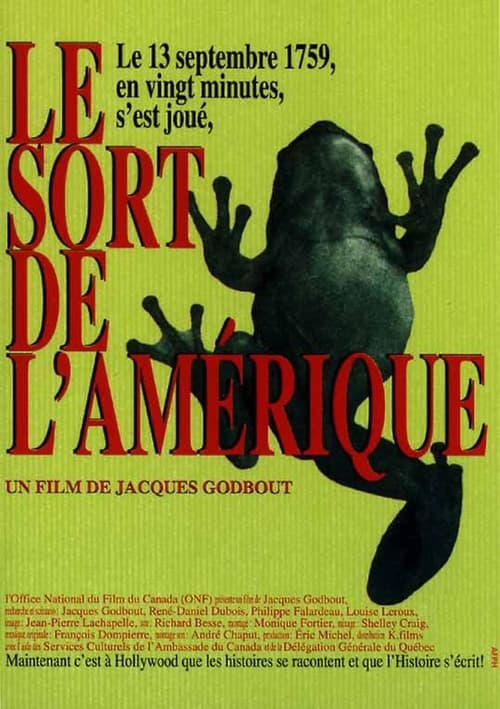
Two well-known Quebec artists (filmmaker Jacques Godbout and playwright René-Daniel Dubois) look at the Battle of the Plains of Abraham. Whose version of this historic event should prevail? Is history best served by documentary or fiction? We also meet Baron Georges Savarin de Marestan and Andrew Wolfe-Burroughs, direct descendants of Montcalm and Wolfe, both of whom died in the battle that would give birth to Canada and to the province of Quebec.
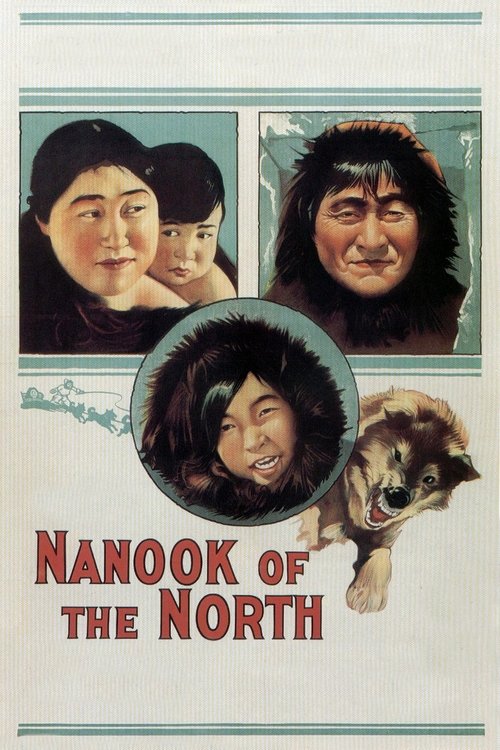
This pioneering documentary film depicts the lives of the indigenous Inuit people of Canada's northern Quebec region. Although the production contains some fictional elements, it vividly shows how its resourceful subjects survive in such a harsh climate, revealing how they construct their igloo homes and find food by hunting and fishing. The film also captures the beautiful, if unforgiving, frozen landscape of the Great White North, far removed from conventional civilization.
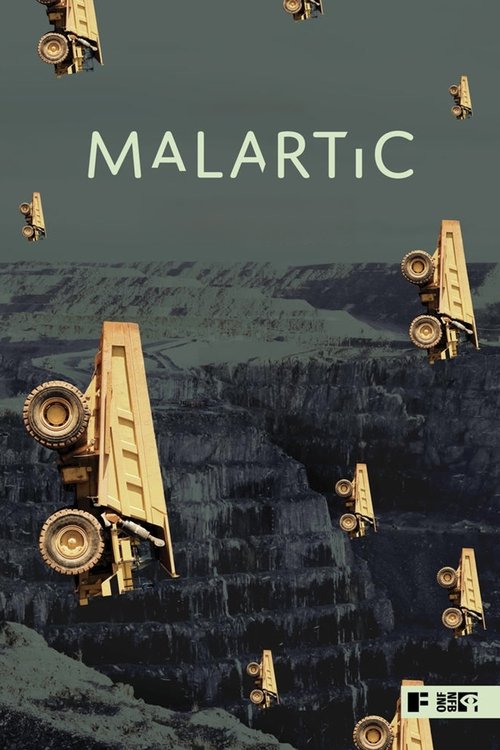
Ten years after an enormous open-pit gold mine began operations in Malartic, the hoped-for economic miracle is nothing more than a mirage. Filmmaker Nicolas Paquet explores the glaring contrast between the town’s decline and the wealth of the mining company, along with the mechanisms of an opaque decision-making system in which ordinary people have little say. Part anthropological study, part investigation into the corridors of power, Malartic addresses the fundamental issue of sustainable and fair land management.
Part documentary, part drama, this film presents the life and work of Jack Kerouac, an American writer with Québec roots who became one of the most important spokesmen for his generation. Intercut with archival footage, photographs and interviews, this film takes apart the heroic myth and even returns to the childhood of the author whose life and work contributed greatly to the cultural, sexual and social revolution of the 1960s.
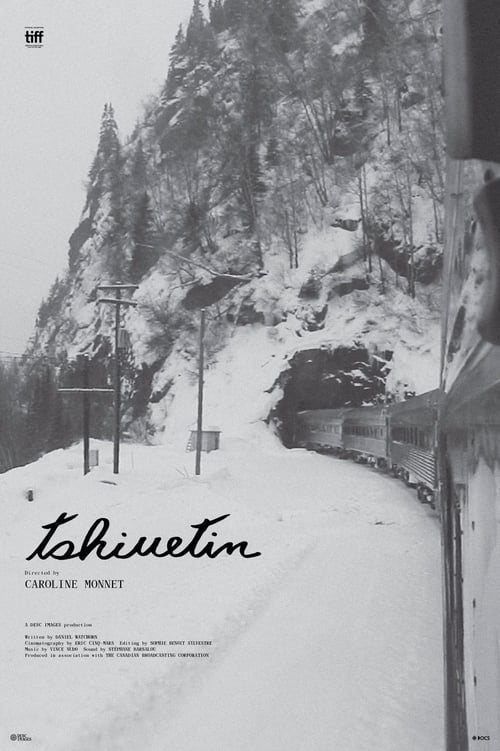
Take a breathtaking train a ride through Nothern Quebec and Labrador on Canada’s first First Nations-owned railway. Come for the celebration of the power of independence, the crucial importance of aboriginal owned businesses and stay for the beauty of the northern landscape.
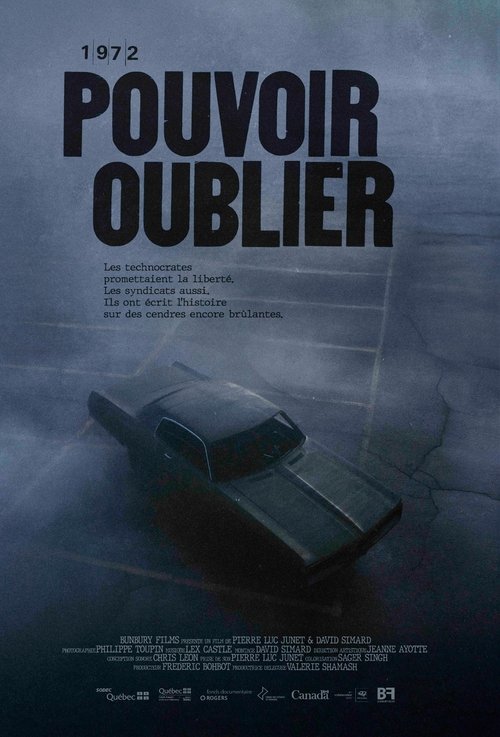
Pouvoir Oublier is a political documentary first constructed from the words of the speakers whose lives changed on the tragic day of May 10, 1972 in Sept-Îles. Their word will be juxtaposed with archival material from the events, some of which are unpublished, which will reflect the collective euphoria in which Sept-Îles and all of Quebec were then bathed.
This short documentary film is a fascinating portrait of urban and rural Quebec in the late 1960s, as the province entered modernity. The collective work produced for the Quebec Ministry of Industry and Commerce calls on several major Quebec figures.
Gilles Groulx's first film shot in 1955 with a camera borrowed from his brother and edited during his spare time when he worked as an editor at the Radio-Canada news service a few years before he joined the NFB. Silent film, presented as its author left it, where the soil and the dialectic of Groulx's work are already there: documentary realism, the social space to be explored, daily life, the relationship between individual and society, social disparities, the consumer society, seduction and happiness.
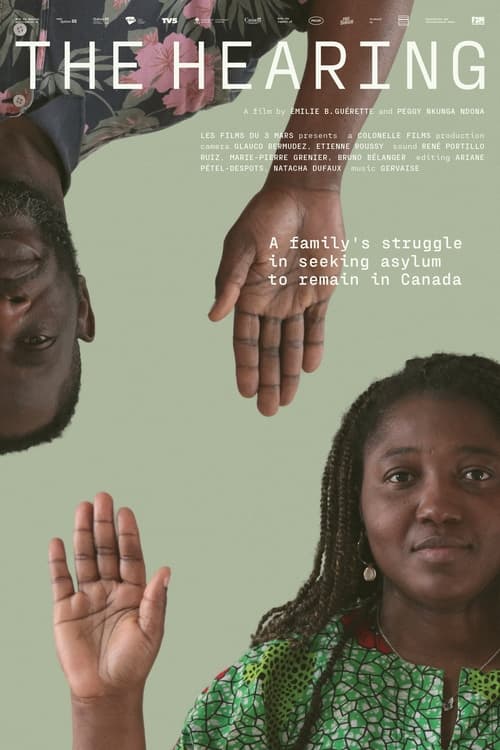
After crossing 11 countries irregularly to seek asylum in Canada, Peggy, Simon and their three children are waiting for the hearing that will determine whether they get refugee status or not. Having fled political repression in the Democratic Republic of the Congo, the family tries to rebuild a peaceful life in Montreal, in spite of the constant threat of deportation. Between ghosts from the past, hopes for the future, a complex legal maze and seemingly endless trial, the film delves into the struggle of the Nkunga Mbala family to remain in Canada. Offering unprecedented access to their hearing before the Immigration and Refugee Board, the film unveils the opaque process of claiming asylum in Canada.
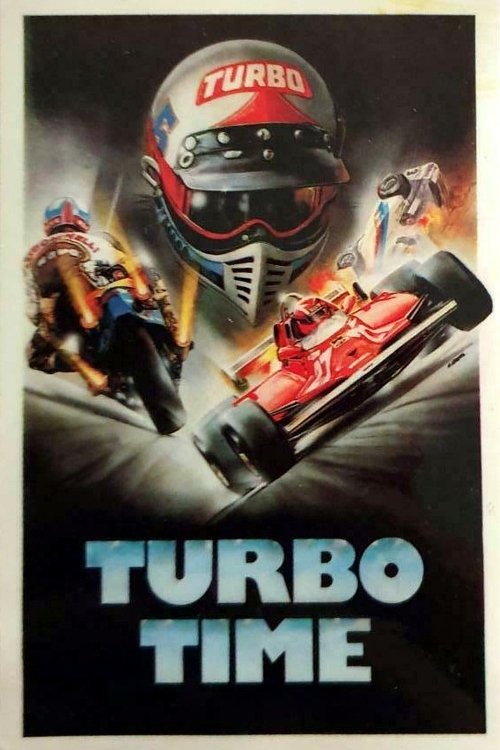
Documentary movie about F1 cars and GP motorbikes and there are also some other motorsport stuff here. There are interviews from the legends of the sport.
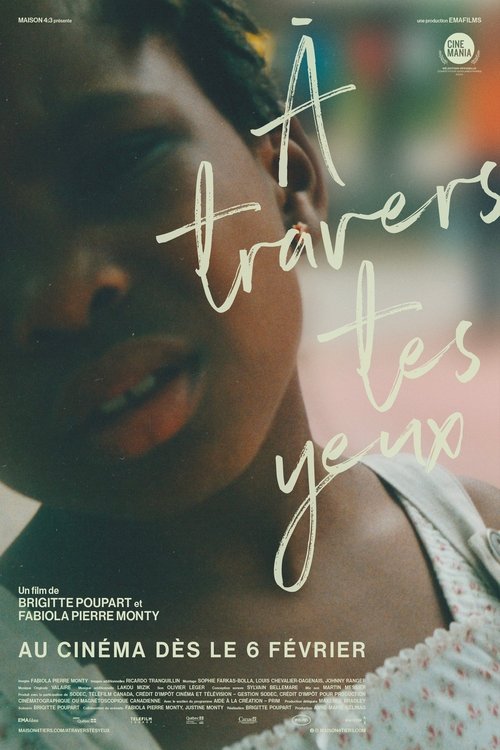
In an effort to understand where she came from, Fabiola asked a question that became the central phrase of the film: what would my life have been like if I'd stayed in Haiti? Taking as her starting point her biological mother's precarious economic situation, she had no choice but to entrust her daughter to her care. Fabiola could have ended up restavek, or in a loving foster family, or on the streets abandoned to her fate, or adopted abroad.
Roach and Starbuck, two hardcore punks from Montreal, try to form their own political party, but run out of time due to Canada's electoral process. Instead, they decide to campaign for political office as independent candidates in a rich Montreal district called Outremont.