logologo
MovieVerse© 2024
Privacy PolicyTerms of ServiceContact Us
Made with ❤️ by Thathsara
movie poster
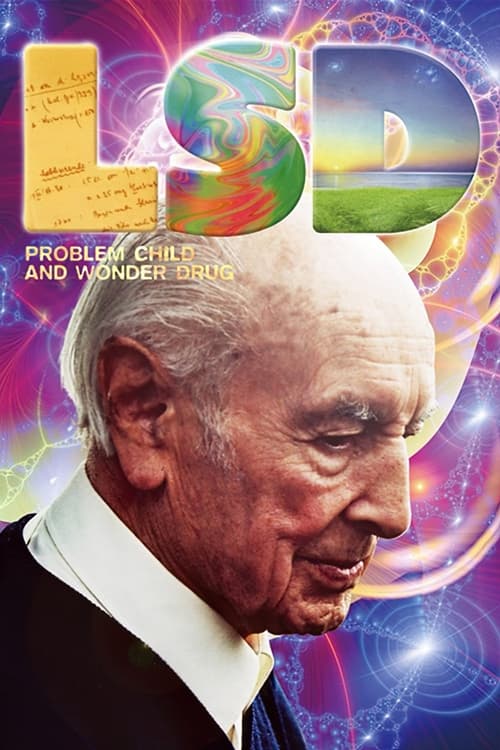
LSD: Problem Child and Wonder Drug
Sign in to create your own watchlist

LSD: Problem Child and Wonder Drug

Apr 19, 2009
1h 0m
★ 7.0

Overview

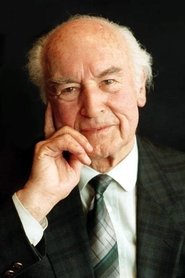
LSD: Problem Child and Wonder Drug captures the fascinating story of LSD as it is eloquently told by Dr. Albert Hofmann, the 100-year-old sage-scientist who brought LSD into the world. With interviews and presentations by Rick Doblin, Alex Grey, Ralph Metzner, Carl Ruck, Goa Gil, and others, this historic message from the father of LSD is a timeless relic and an immediate source of inspiration. The story is told through an account of the 2006 International LSD Symposium in Basel, Switzerland. At the now-legendary conference, eighty speakers and two thousand participants gathered for three days in honor of Dr. Hofmann's 100th birthday and to hear Dr. Hofmann speak about his life, his discovery, and his thoughts on the psychedelic experience. It was also an occasion for leading doctors, researchers, artists and thinkers in the psychedelic field to present their work.
Genres

Documentary

Cast

Albert Hofmann

Self (archive footage)

Albert Hofmann

Alex Grey

Self

Alex Grey

Ralph Metzner

Self

Ralph Metzner

Rick Doblin

Self

Rick Doblin

Carl Ruck

Self

Carl Ruck

Goa Gil

Self

Goa Gil

LSD: Problem Child and Wonder Drug Trailers

You may also like

Dear Zachary: A Letter to a Son About His Father
8.0

Dear Zachary: A Letter to a Son About His Father

Oct 31, 2008

In 2001, Andrew Bagby, a medical resident, is murdered not long after breaking up with his girlfriend. Soon after, when she announces she's pregnant, one of Andrew's many close friends, Kurt Kuenne, begins this film, a gift to the child.

Satan in the Suburbs
5.0

Satan in the Suburbs

Jan 1, 2000

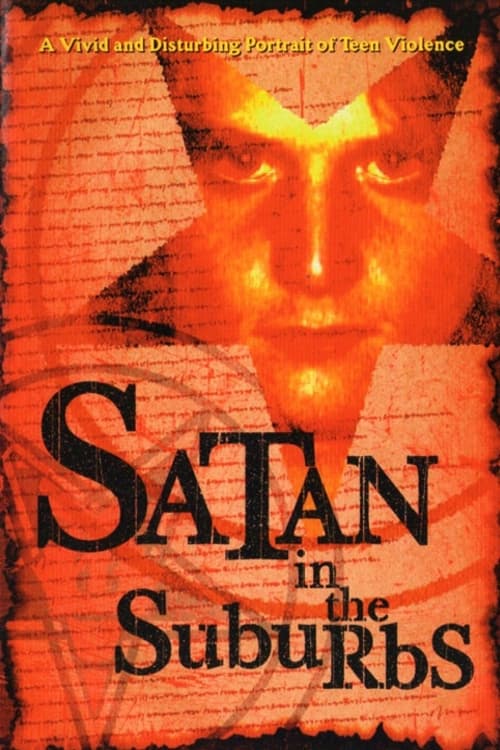
Satan in the Suburbs tells the shocking story of a grisly ritualistic murder in the quiet bedroom community of Northport, Long Island in the summer of 1984. The killing, it soon emerged, was linked to a teen satanic cult. Perhaps more disturbing than the details of the murder itself was the revelation of a conspiracy of silence among the town's teenagers, many of whom had been aware of the, e killing in the two weeks before an anonymous call finally tipped off local police. 17- year-old Ricky Kasso was arrested and confessed to the crime; five days later, he hung himself in his holding cell. Kasso's friend Jimmy Troiano also. confessed, but was acquitted after jurors learned that he was beaten by local police. The murder shocked the local community and reverberated nationally, with some uninformed observers rushing to scapegoat rock music as the cause.

The Iceman and the Psychiatrist
7.3

The Iceman and the Psychiatrist

Jun 1, 2004

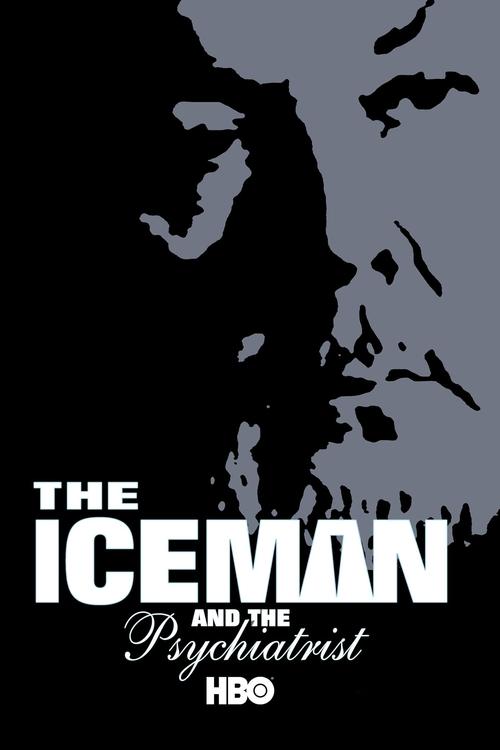
For the third time, HBO cameras go inside Trenton State Maximum Security Prison--and inside the mind of one of the most prolific killers in U.S. history--in this gripping documentary. Mafia hit man Richard Kuklinski freely admits to killing more than 100 people, but in this special, he speaks with top psychiatrist Dr. Park Dietz in an effort to face the truth about his condition. Filled with more never-before-revealed confessions, it's the most chillingly candid Iceman special yet as it combines often-confrontational interview footage between Kuklinski and Dietz with photos, crime reenactments and home movies that add new layers to this evolving and fascinating story.

Chaos: The Manson Murders
6.2

Chaos: The Manson Murders

Mar 6, 2025

In August 1969, Charles Manson's followers killed seven people on his orders. Why? Explore a conspiracy of mind control, CIA experiments, and murder.

No Image Available
0.0

Psychiatric Interview Series—Patient No. 1: Evaluation for Diagnosis

Jan 1, 1959

A woman in her twenties has just admitted herself to a psychiatric hospital in California. A staff doctor characterizes her behavior as antisocial and impulsive.

Metallica: Some Kind of Monster
7.1

Metallica: Some Kind of Monster

Jun 10, 2004

After bassist Jason Newsted quits the band in 2001, heavy metal superstars Metallica realize that they need an intervention. In this revealing documentary, filmmakers follow the three rock stars as they hire a group therapist and grapple with 20 years of repressed anger and aggression. Between searching for a replacement bass player, creating a new album and confronting their personal demons, the band learns to open up in ways they never thought possible.

The Psychedelic Experience
0.0

The Psychedelic Experience

Jan 23, 1965

Experimental movie, where a man comes home and experiences LSD. His kaleidoscopic visions follow, with readings inspired by the Tibethan Book of the Dead.

No Image Available
7.0

Chemistry in the Kitchen

Jan 1, 1957

The kitchen is an alchemist’s workshop, and the chef is a master of secret teachings. He commands molecules to bubble, boil, rise, change their state, shape, and colour. This educational film shows that cooking an egg or letting dough rise can be a fascinating chemical and physical process, and that our body is a small laboratory, with its own test tubes, gauges, and instruments.

LSD: The Beyond Within
5.5

LSD: The Beyond Within

Jan 1, 1986

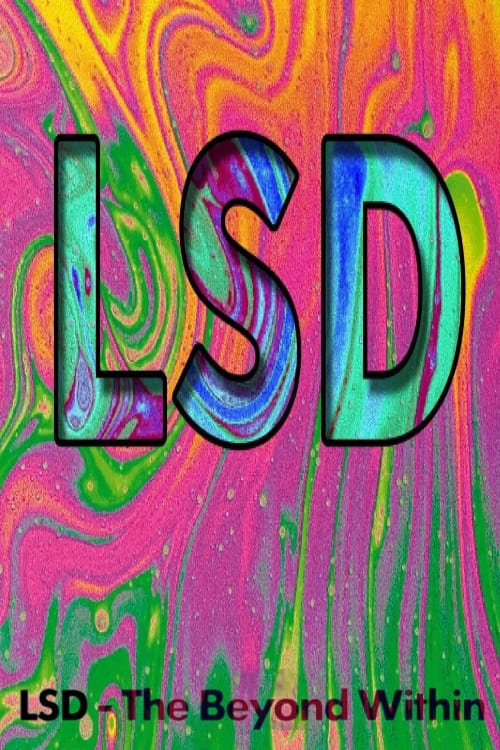
This refreshingly frank and impartial study of the discovery and development of the notorious hallucinogenic drug is notably free of moral judgmental, and features contributions from such legendary heroes of psychedelia as Albert Hoffman - the Swiss scientist who discovered the drug - Aldous Huxley - author of 'The Doors of Perception' - Ken Kesey - author of 'One Flew Over the Cuckoo's Nest.

No Image Available
0.0

Kdo tady blbne

Mar 26, 2019

No overview available.

Mission Mind Control
0.0

Mission Mind Control

Jan 30, 1979

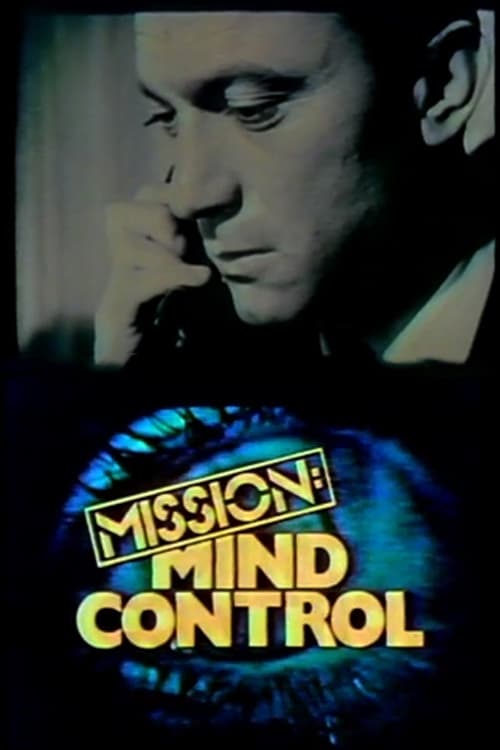
Uncovering government agencies (especially the CIA) that secretly tested the effects of LSD on humans.

The Mind-Benders: LSD and the Hallucinogens
6.0

The Mind-Benders: LSD and the Hallucinogens

Jan 1, 1967

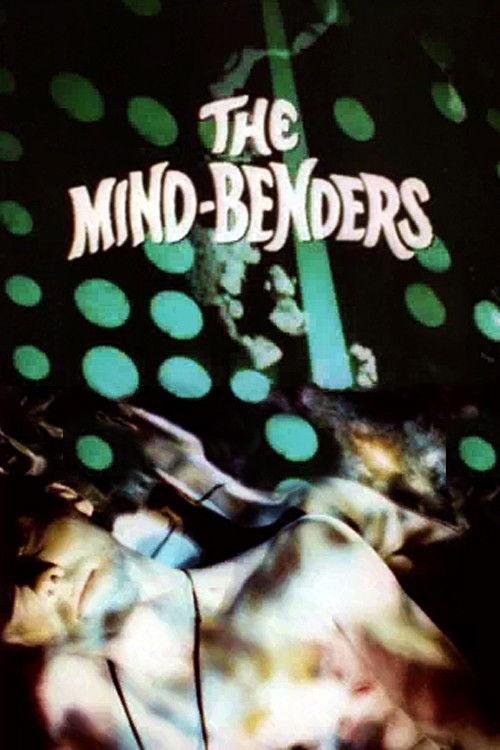
This FDA film explores the history of hallucinogenic drugs, and specifically the effects and therapeutic uses of lysergic acid diethylamide (LSD). Combining graphics that suggest a hallucinogenic experience, snippets of interviews with users (who explain their reasons for taking the drug) and doctors, and taped sessions of research with volunteers, the film delves into the destructive as well as possible positive uses of the drug.

No Image Available
5.0

Jung On Film

Jun 10, 1957

This compelling film represents a rare record of an original genius. In Jung on Film, the pioneering psychologist tells us about his collaboration with Sigmund Freud, about the insights he gained from listening to his patients' dreams, and about the fascinating turns his own life has taken. Dr. Richard I. Evans, a Presidential Medal of Freedom nominee, interviews Jung, giving us a unique understanding of Jung's many complex theories, while depicting Jung as a sensitive and highly personable human being.

Stanford Prison Experiment: Psychology of Imprisonment
5.9

Stanford Prison Experiment: Psychology of Imprisonment

Jun 6, 1991

The Stanford prison experiment was a landmark psychological study of the human response to captivity, in particular, to the real world circumstances of prison life, and the effects of imposed social roles on behaviour. It was conducted in 1971 by a team of researchers led by Philip Zimbardo of Stanford University.

Art of Storytelling: The Human Experience of Being a Psychiatrist
0.0

Art of Storytelling: The Human Experience of Being a Psychiatrist

May 18, 2016

The story of who psychiatrists are today, what they do, and what they value has been told by almost everyone but them. Psychiatrists are notoriously private; cautious about revealing personal information, and noticeably absent in the media. What has been the consequence of this? If you don’t tell your story, someone else will tell it for you. Mental illness is the number one cause of disability worldwide, however many patients still fear coming to see a psychiatrist – that they will be overmedicated, not listened to, not understood, not cared for, or worse - maybe the psychiatrist will see how “crazy” they are and lock them up. The stereotype of being “crazy” is equated with being dangerous, weird, scary, and ostracized - and in some ways - so is being a psychiatrist.

What Did You Take?
0.0

What Did You Take?

Jan 23, 1971

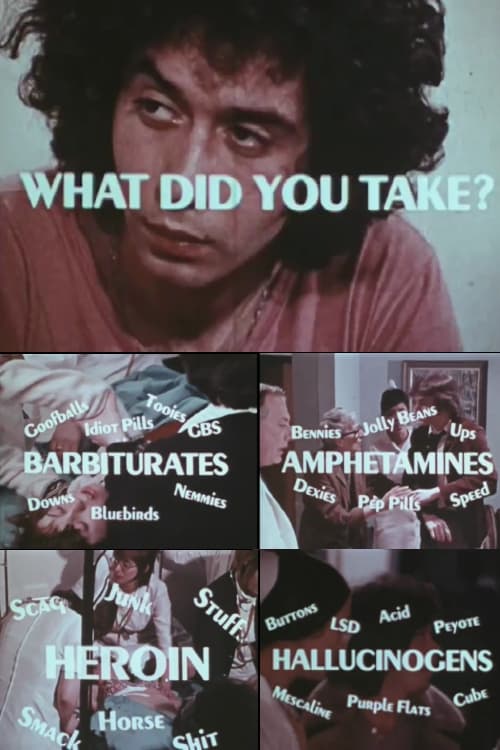
Stresses recognition and treatment of drug abuse emergencies, accurate identification of symptoms, and immediate clinical procedures. Presents scenes of actual cases in the emergency room and adjoining physician's offices of Beth Israel Medical Center in New York City. Viewers observe emergency treatment of patients in the major classes of drugs commonly abused, opiates, depressants, stimulants, and hallucinogens. The film demonstrates to health professionals that successful management of drug overdoses can save most lives and avert additional organic and psychiatric complications.

Narcotics, Why Not?
6.0

Narcotics, Why Not?

Jan 23, 1966

This film presents a series of extemporaneous interviews with teenagers and young adults who have taken narcotics for "kicks," "association," or "curiosity." Residents of the California Rehabilitation Center relate how they were introduced to narcotics, why they wished they had not used drugs or narcotics, and what the future holds for them. Film is shot in Hollywood, Calif.

The Pink Floyd and Syd Barrett Story
7.8

The Pink Floyd and Syd Barrett Story

Mar 24, 2003

The full bizarre, tragic but celebratory story of Syd Barrett, the co-founder of Pink Floyd.

The Youth Drug Scene
0.0

The Youth Drug Scene

Jan 23, 1970

A Cristian educational film that tells the story of a former drug addict, Mark Lindley, and his recovery through finding God.

Voices from the Shadows
0.0

Voices from the Shadows

Invalid Date

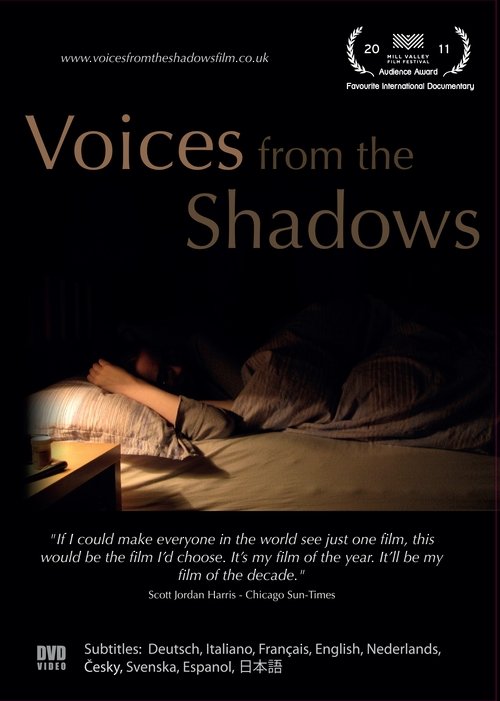
‘Voices from the Shadows’ shows the brave and sometimes heartrending stories of five ME patients and their carers, along with input from Dr Nigel Speight, Prof Leonard Jason and Prof Malcolm Hooper. These were filmed and edited between 2009 and 2011, by the brother and mother of an ME patient in the UK. It shows the devastating consequences that occur when patients are disbelieved and the illness is misunderstood. Severe and lasting relapse occurs when patients are given inappropriate psychological or behavioural management: management that ignores the severe amplification of symptoms that can be caused by increased physical or mental activity or exposure to stimuli, and by further infections. A belief in behavioural and psychological causes, particularly when ME becomes very severe and chronic, following mismanagement, is still taught to medical students and healthcare professionals in the UK. As a consequence, situations similar to those shown in the film continue to occur.