No Cast found.
No Trailers found.
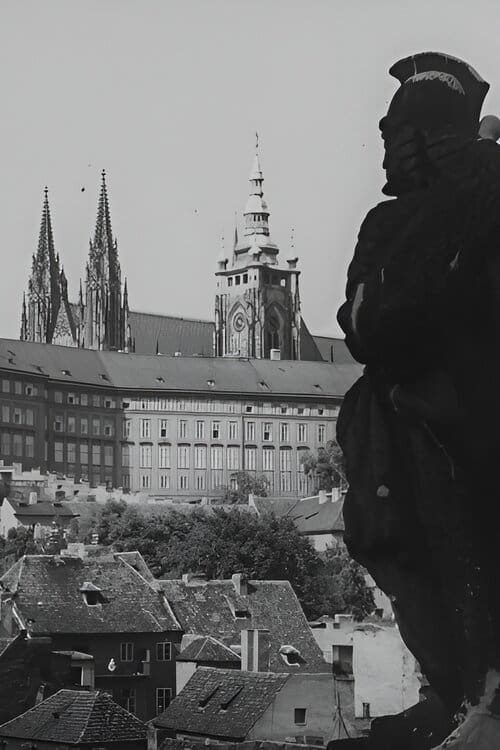
A documentary film comparing current / everyday and historical / noble aspects of Prague.
No overview available.
If you think shopping malls are crowded, you probably haven’t experienced a Prague canteen in the late 1940s. Two thousand hot dogs sold every day, two thousand human faces and destinies. This film essay presents Prague’s vending machines, snack bars, and cheap cafeterias as a mini-zoo crowded with human specimens. They fight for space, food, or a loving embrace under the microscope of a comically touching director, searching for a theme.
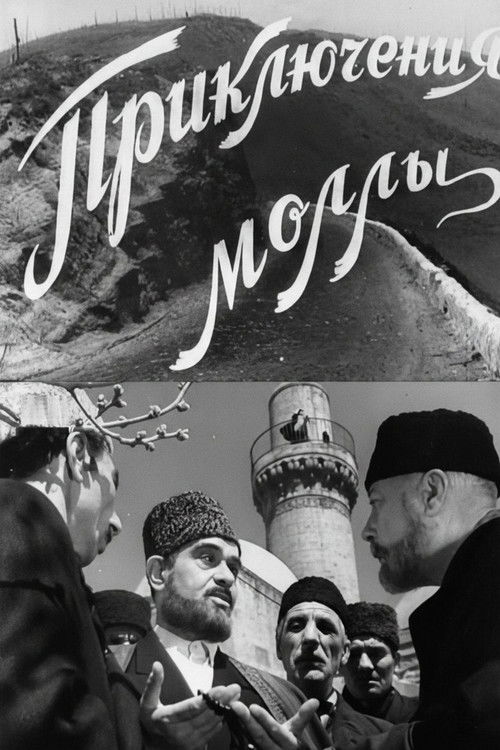
The film tells the story of a mullah who investigates all kinds of criminal fraud that takes place under the guise of religion, which imposes an unusual lifestyle on believers. But one fine day, he meets an old friend and everything falls apart.
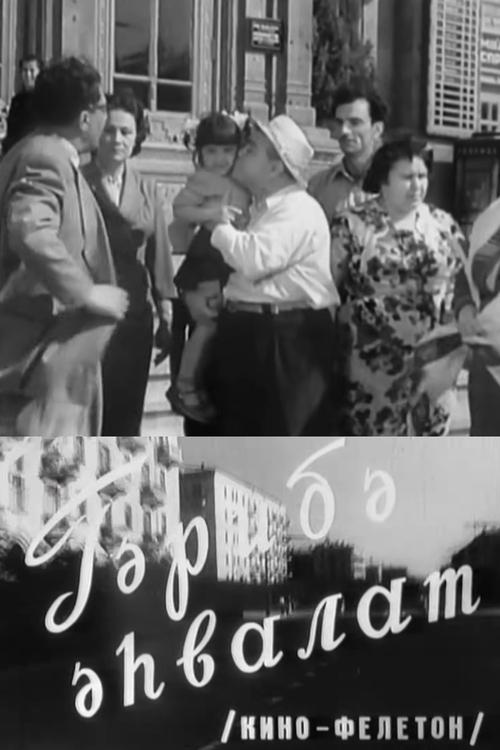
The comedy is about drunkard who wanted to go to the bath-house but instead of going there he boarded a plane going to Ganja city...
In this daring follow-up to The History of White People in America, comedian Martin Mull takes us on an in-depth look at such topics as White Religion, White Stress, White Politics, and White Crime.
This documentary captures the sounds and images of a nearly forgotten era in film history when African American filmmakers and studios created “race movies” exclusively for black audiences. The best of these films attempted to counter the demeaning stereotypes of black Americans prevalent in the popular culture of the day. About 500 films were produced, yet only about 100 still exist. Filmmaking pioneers like Oscar Micheaux, the Noble brothers, and Spencer Williams, Jr. left a lasting influence on black filmmakers, and inspired generations of audiences who finally saw their own lives reflected on the silver screen.
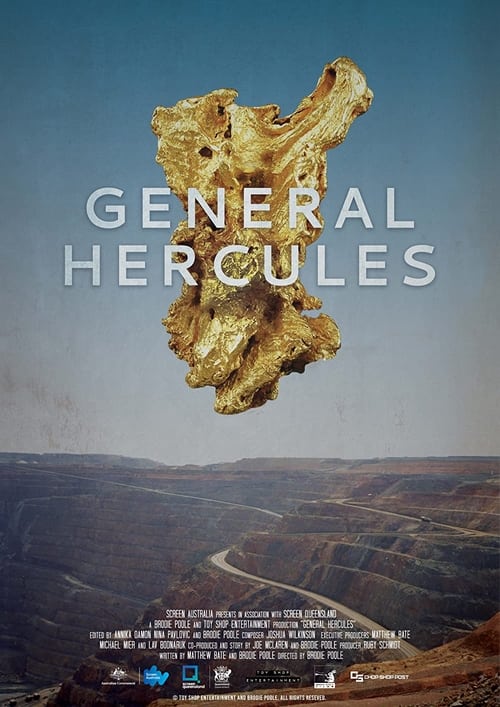
In June 1893, European prospectors unlawfully took claim to ‘The Golden Mile’ on Aboriginal land. In little over a hundred years the natural landscape has been transformed into the industrial hellscape of Kalgoorlie-Boulder. As incumbent Mayor John Bowler starts to campaign for a second term, independent prospector John ‘General Hercules’ Katahanas decides to run against him on an anti-corruption ticket. What starts out as a quirky David-vs-Goliath political battle, unravels into a portrait of a man, a town and a country sent mad by the timeless cycles of exploitation, racism and greed.
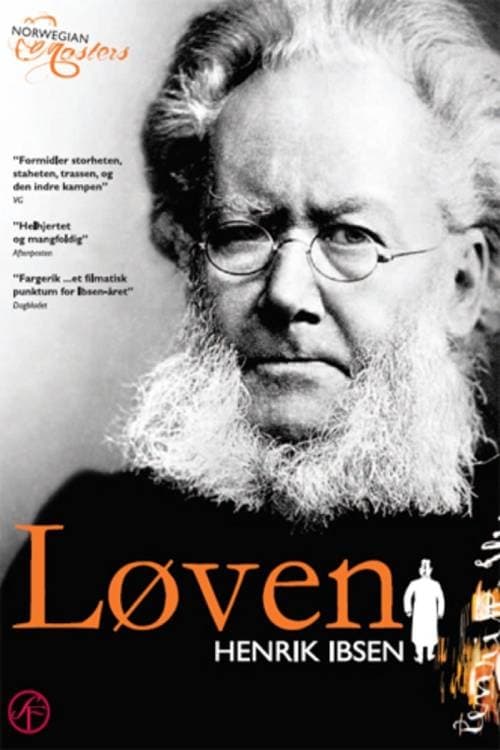
We follow Henrik Ibsen throughout his life. From early shame over his father's bankruptcy, via bitterness over the then conservative public life, to his older years as a national institution that tourists gathered to watch on their way to their very punctual, daily lunch at the Grand Café in Oslo.
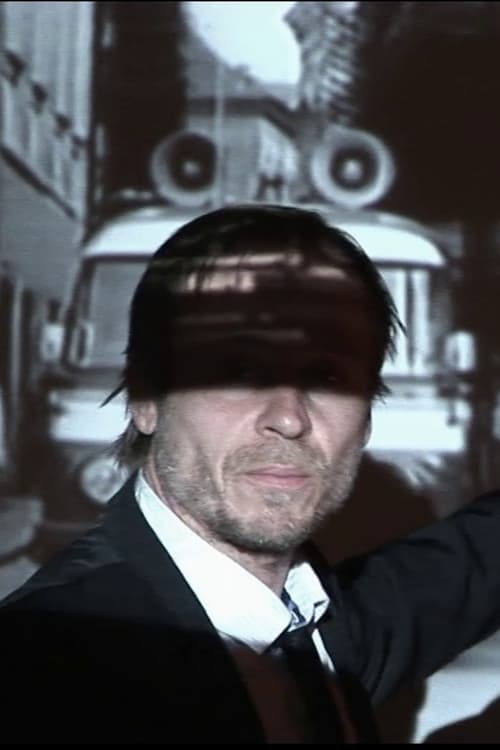
It's nighttime in Prague, 21 August 1968. Soviet troops and tanks are occupying the city - random attacks, soldiers shooting, bodies lying dead on the sidewalk. With an impromptu crew, the director (Karel Roden) captures some unique evidence - material which is, however, worthless in occupied Prague; it has to be shown to the rest of the world. So, while the Soviets are concocting false reports of heartfelt receptions without military resistance for propaganda purposes, the director sets off on a risky trip across the closed Czech-Austrian border to Vienna.
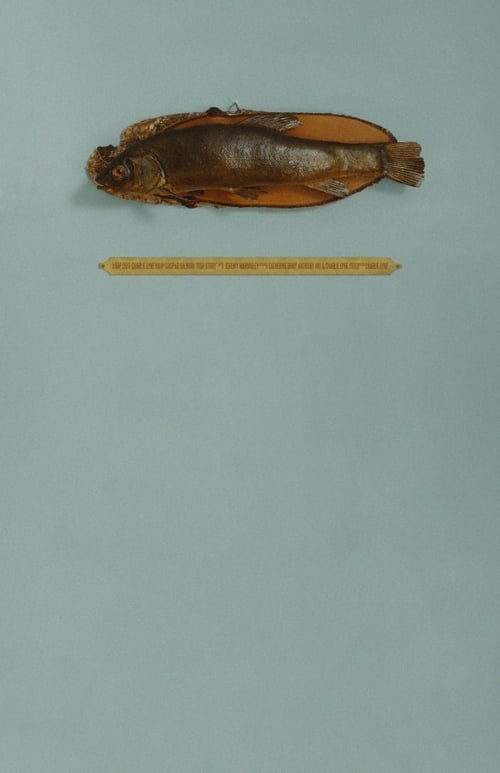
Sometime in the 1980s, Caspar Salmon's grandmother was invited to a gathering on the Welsh island of Anglesey, attended exclusively by people with fish surnames. Or so he says. Thirty years later, film-maker Charlie Lyne attempts to sort myth from reality.
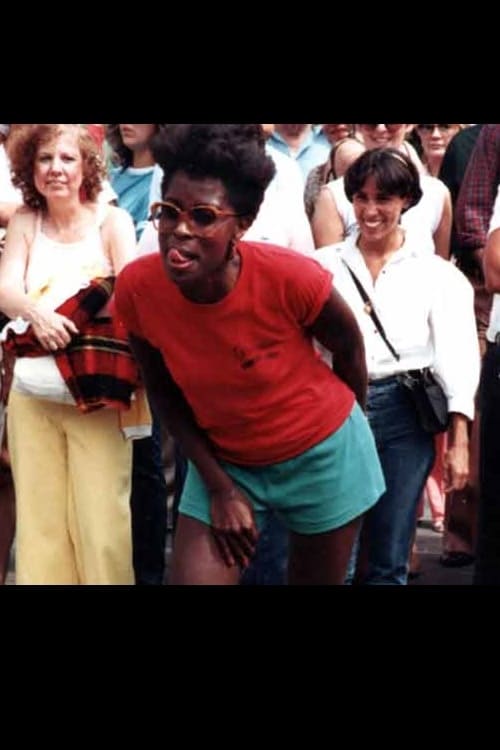
A documentary about four African-American comediennes set in 1984. Restored in 2021 by the Academy Film Archive.
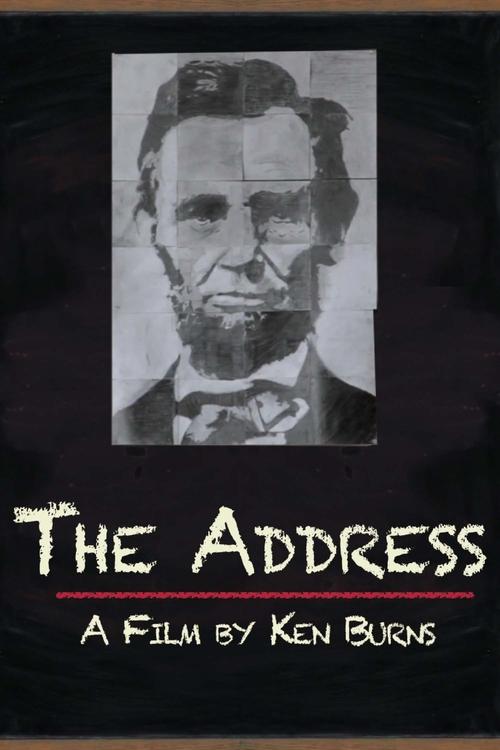
The Gettysburg Address is the subject of a new documentary by Ken Burns. The documentary tells the story of students at the Greenwood School whose study of the Gettysburg Address brings new understanding to the speech.