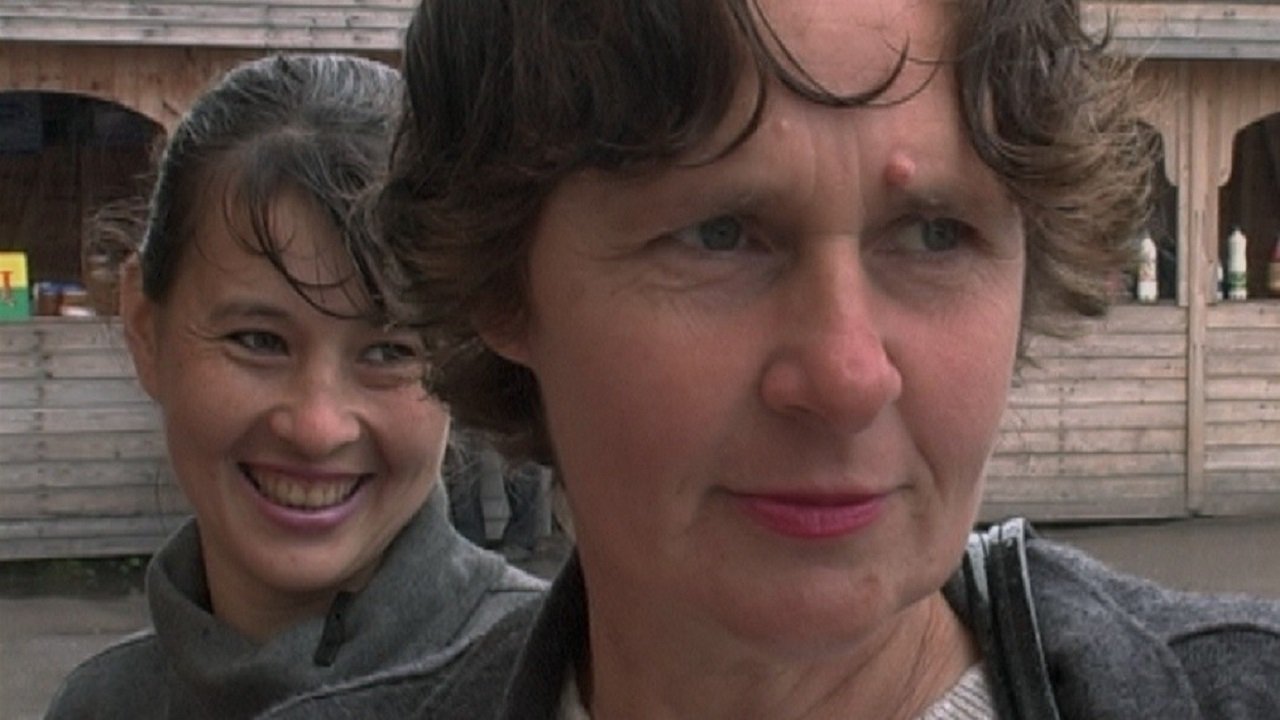
The film chronicles everyday struggle of a Russian woman for “ordinary” happiness of her family.
No Trailers found.
No Cast found.
As her adolescence gives way to the obligations of motherhood, troubled Gemma matures in Motherwell, her Scottish hometown, heavily dependent on the steel industry. Unfortunately for her, her hedonistic way of understanding the world does not fit in with the philosophy of the rest of the villagers, so trouble soon follows.
The last representatives of Mixteco culture inhabit a village in the Sierra Madre. Deprived of their identity by modern civilization, they are facing an even bigger threat: a landslide that may destroy the village during the next torrential rains. The mayor tries to prevent the disaster. He wants to invite a geologist, so that the approaching danger can be officially confirmed. But no help is coming and the inhabitants must simply wait for the disaster.
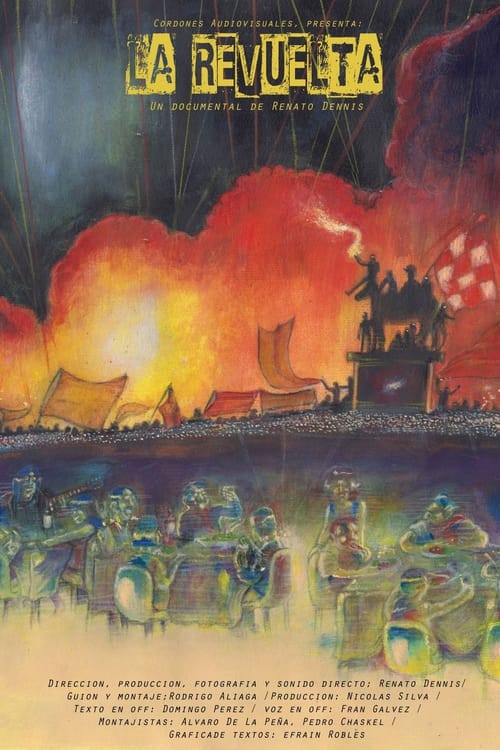
La Revuelta accounts for the tension experienced by those who, as of October 2019, came out to express their social discontent. The work has as its main stage, renamed by the people, as "Plaza de la Dignidad". It is a choral story, woven with the reflections of the protesters under the protection of the contextualization of a story in off that is unraveling the causes and effects of the outbreak. Thus, more than three years after the social demonstration, La Revuelta, is presented as a critical and contestative reflection, around the popular protest maintained by a people that took 30 years to awaken.
No overview available.
As police and DEA agents battle sophisticated cartels, rural, economically-disadvantaged users and dealers–whose addiction to ICE and lack of job opportunities have landed them in an endless cycle of poverty and incarceration–are caught in the middle.
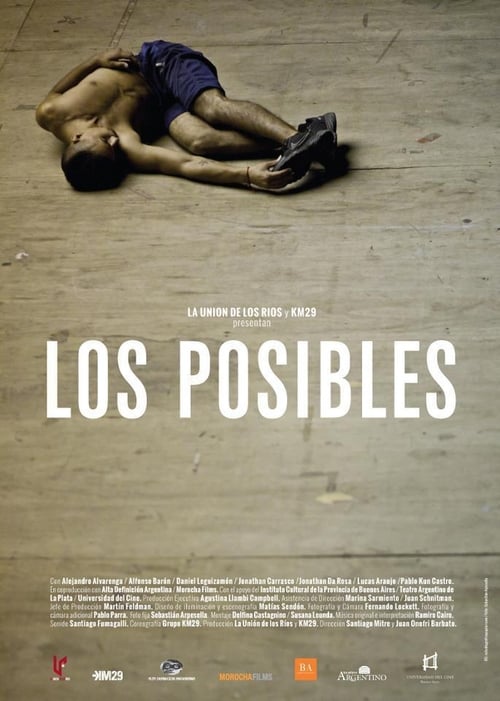
Santiago Mitre co-directs his first movement following The Student together with choreographer Onofri Barbato. Although it would have been more accurate to say “his first film-story-adventure-movie-great movie following The Student”, the word movement fits perfectly in Los posibles, the most overwhelmingly kinetic work Argentine cinema has delivered in many, many years. The film deals with the adaptation of a dance show directed by Onofri together with a group of teenagers who came to Casa La Salle, a center of social integration located in González Catán, trying to find some refuge from hardship. Already entitled Los posibles, the piece opened in the La Plata Tacec and was later staged in the AB Hall of the San Martín Cultural Center. Now, it dazzles audiences out of a film screen, with extraordinary muscles and a huge heart: Los posibles is a rhapsody of roughen bodies and torn emotions. Precise and exciting, it’s our own delayed, necessary, and incandescent West Side Story.
In this wildly entertaining vision of one of the twentieth century’s greatest artists, Bob Dylan is surrounded by teen fans, gets into heated philosophical jousts with journalists, and kicks back with fellow musicians Joan Baez, Donovan, and Alan Price.
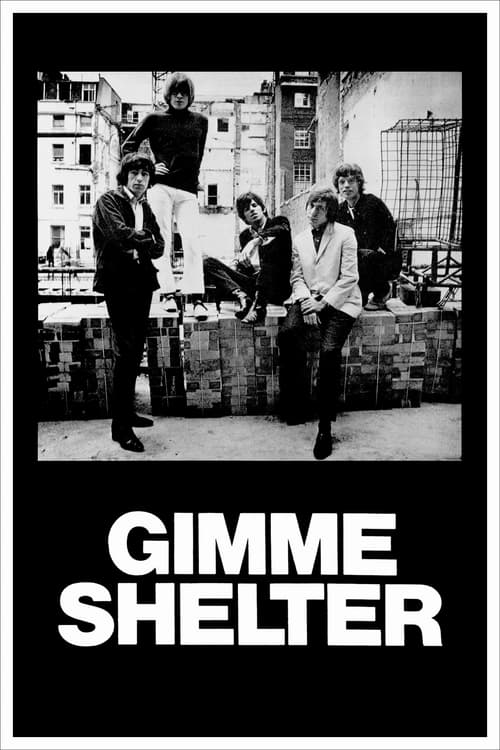
A detailed chronicle of the famous 1969 tour of the United States by the British rock band The Rolling Stones, which culminated with the disastrous and tragic concert held on December 6 at the Altamont Speedway Free Festival, an event of historical significance, as it marked the end of an era: the generation of peace and love suddenly became the generation of disillusionment.
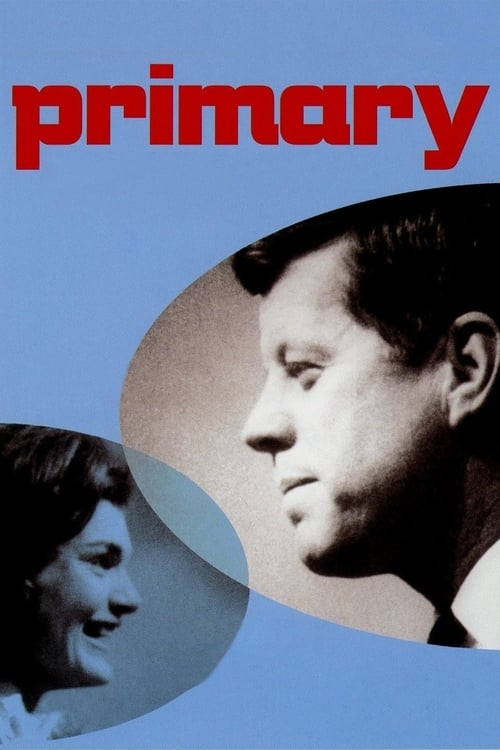
Primary is a documentary film about the primary elections between John F. Kennedy and Hubert Humphrey in 1960. Primary is the first documentary to use light equipment in order to follow their subjects in a more intimate filmmaking style. This unconventional way of filming created a new look for documentary films where the camera’s lens was right in the middle of what ever drama was occurring. Preserved by the Academy Film Archive in partnership with The Film Foundation in 1998.
An exploration —manipulated and staged— of life in Las Hurdes, in the province of Cáceres, in Extremadura, Spain, as it was in 1932. Insalubrity, misery and lack of opportunities provoke the emigration of young people and the solitude of those who remain in the desolation of one of the poorest and least developed Spanish regions at that time.
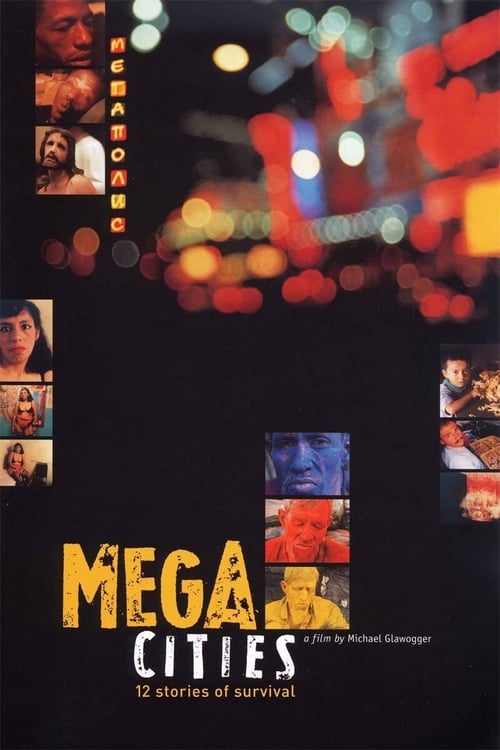
Megacities is a documentary about the slums of five different metropolitan cities.
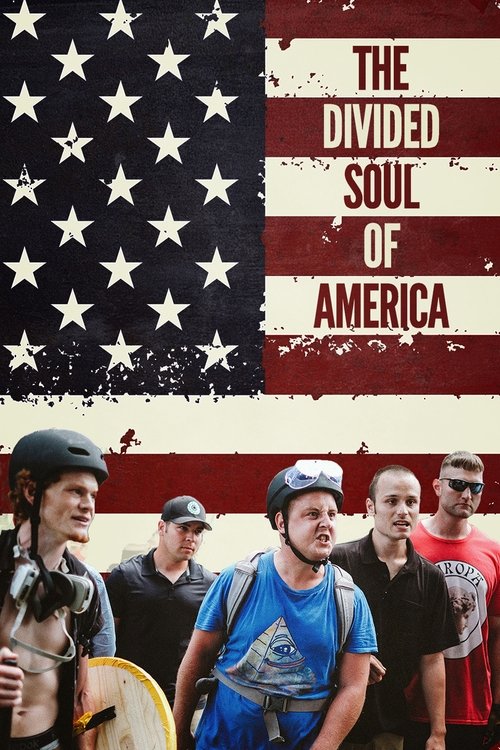
Under the Trump administration, USA is a deeply divided country. One side feeds populism and religious rectitude in a monochromatic landscape, painted white, lamenting for a past that never will return. The other side fuels diversity and multiculturalism, a biased vision of a progressive future, quite unlikely. Both sides are constantly confronted, without listening to each other. Only a few reasonable people gather to change this potentially dangerous situation.
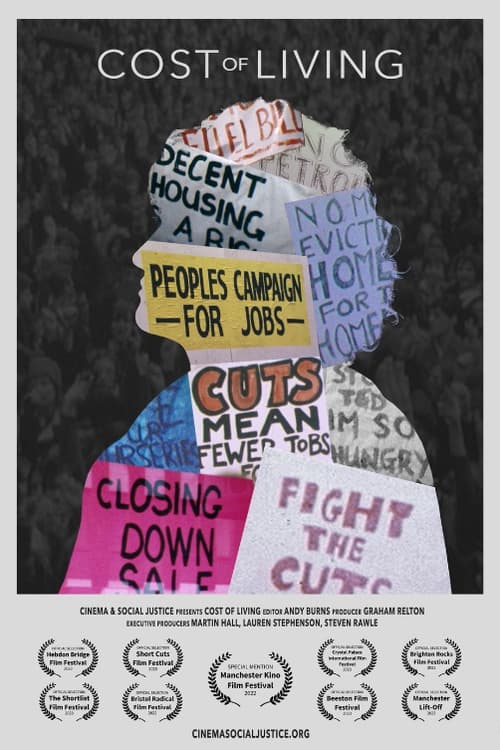
As we live through the deepest cost of living crisis for over fifty years, archive footage of Yorkshire and the North East reflects recurring cycles of boom and bust, and the fury of generations whose essential needs for safe housing, secure work and full bellies go unfulfilled. Increased fuel prices, food banks and government tips for saving money bring a sense of déjà vu -- a past that feels uncomfortably contemporary.
Taking its lead from French artists like Renoir and Monet, the American impressionist movement followed its own path which over a forty-year period reveals as much about America as a nation as it does about its art as a creative power-house. It’s a story closely tied to a love of gardens and a desire to preserve nature in a rapidly urbanizing nation. Travelling to studios, gardens and iconic locations throughout the United States, UK and France, this mesmerising film is a feast for the eyes. The Artist’s Garden: American Impressionism features the sell-out exhibition The Artist’s Garden: American Impressionism and the Garden Movement, 1887–1920 that began at the Pennsylvania Academy of the Fine Arts and ended at the Florence Griswold Museum, Old Lyme, Connecticut.
A behind-the-scenes documentary about the Clinton for President campaign, focusing on the adventures of spin doctors James Carville and George Stephanopoulos.
A documentary directed by Hori Teiichi who was a production assistant on the 1994 documentary Otentousama ga Hoshii and has worked in a wide variety of genres from pink films to ordinary theatrical releases. The lifestyle and scenery of Osawa, a village situated 740 meters up on the mountainous slopes of Hamamatsu city's northern region in Shizuoka Prefecture, are the focus of this first installment to the "Tenryu-ku" series. It straightforwardly captures the tea harvest in late May and the tea processing conducted in a factory while showcasing mist shrouded tea fields drummed by rain as well as the beauty of the glistening green of the tea leaf shoots.
Edeltraut Hertel - a midwife caught between two worlds. She has been working as a midwife in a small village near Chemnitz for almost 20 years, supporting expectant mothers before, during and after the birth of their offspring. However, working as a midwife brings with it social problems such as a decline in birth rates and migration from the provinces. Competition for babies between birthing centers has become fierce, particularly in financial terms. Obstetrics in Tanzania, Africa, Edeltraud's second place of work, is completely different. Here, the midwife not only delivers babies, she also trains successors, carries out educational and development work and struggles with the country's cultural and social problems.
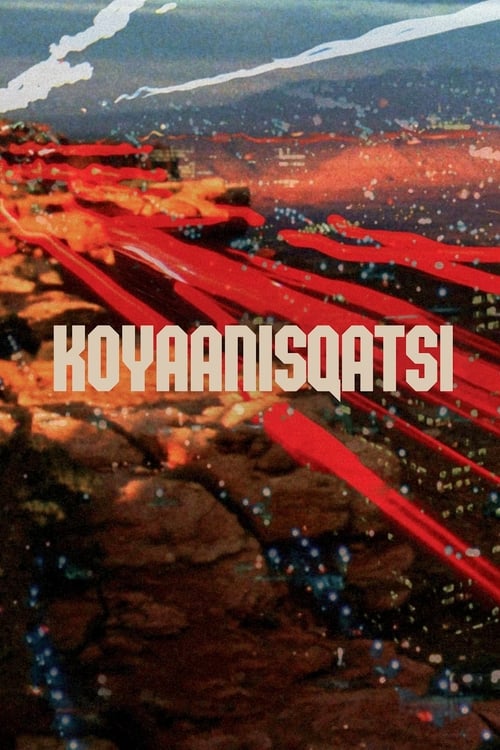
Takes us to locations all around the US and shows us the heavy toll that modern technology is having on humans and the earth. The visual tone poem contains neither dialogue nor a vocalized narration: its tone is set by the juxtaposition of images and the exceptional music by Philip Glass.
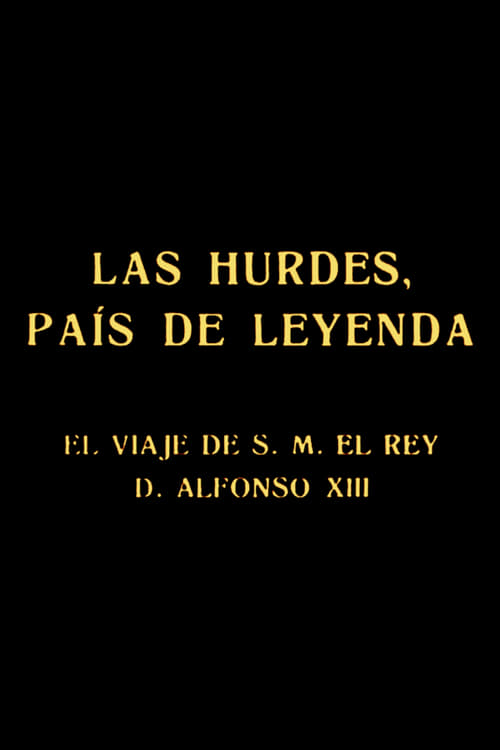
An account of the journey that King Alfonso XIII of Spain made to the impoverished shire of Las Hurdes, in the province of Cáceres, in the region of Extremadura, in 1922.