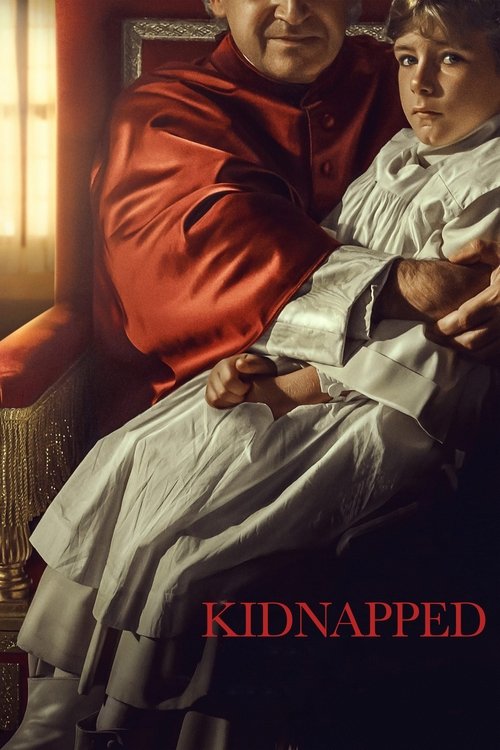
The story of Edgardo Mortara, a young Jewish boy living in Bologna, Italy, who in 1858, after being secretly baptized, was forcibly taken from his family to be raised as a Christian. His parents’ struggle to free their son became part of a larger political battle that pitted the papacy against forces of democracy and Italian unification.
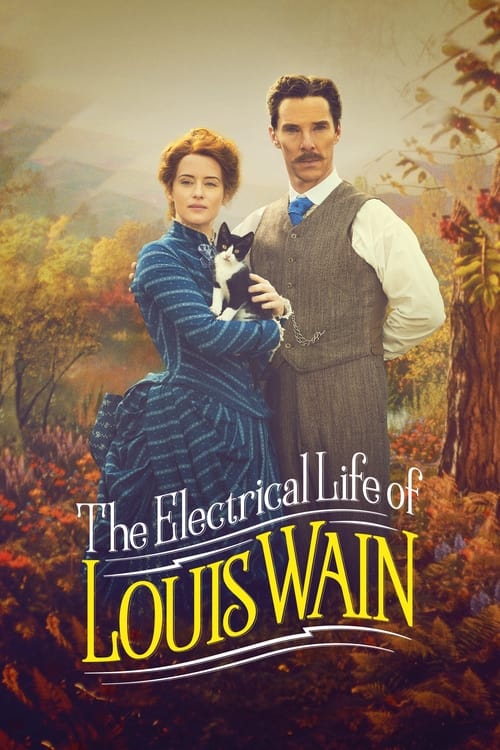
The extraordinary true story of eccentric British artist Louis Wain, whose playful, sometimes even psychedelic pictures helped to transform the public's perception of cats forever.
Brilliant composer and violinist George Enescu is at the peak of his career and wants to compose an opera. He falls in love with a princess, Maruca, who inspires and challenges him. She is fascinated by Enescu and his music, she loves him passionately, but has a duty towards her husband and her two children. Destiny will release her from the chains of marriage, but will that be enough for the genius and the princess to live happily ever after?
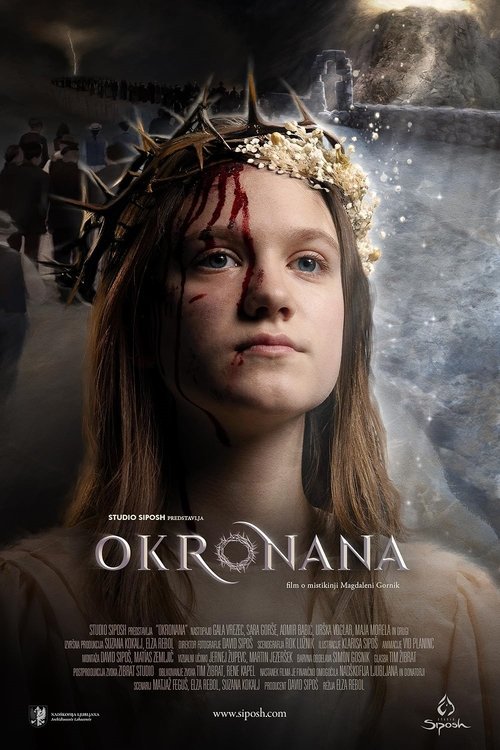
In the film Crowned, we follow the extraordinary story of Magdalena Gornik, who lived in the 19th century with mystical phenomena and faced opposition, yet persistently followed her mission of converting hearts and drawing near to God through suffering.
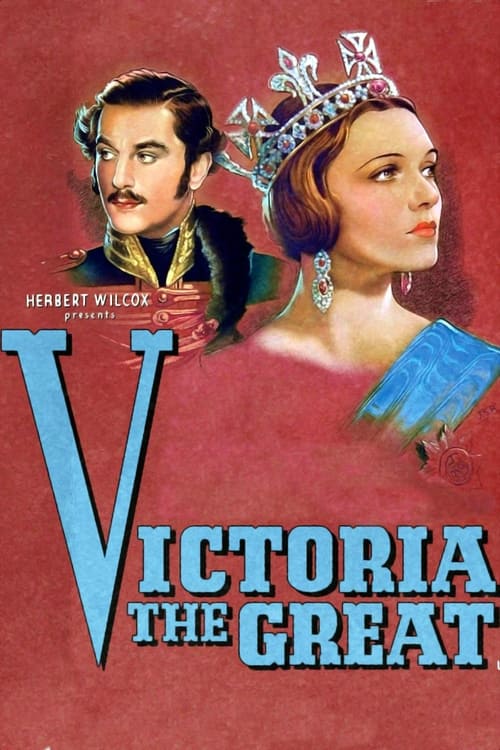
The film biography of Queen Victoria focusing initially on the early years of her reign with her marriage to Prince Albert and her subsequent rule after Albert's death in 1861.
Continuing the story of 'Victoria the Great'.
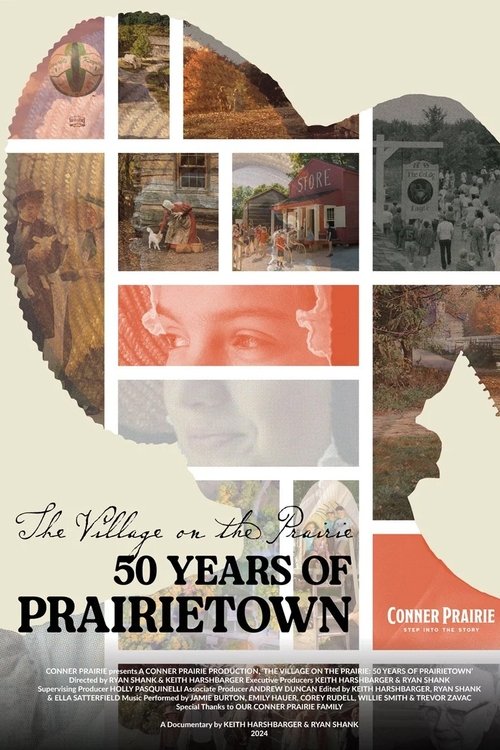
Founded in 1974 by Eli Lilly, Prairietown at Conner Prairie immerses guests in 19th-century Indiana life through trades, foodways, music and daily activities. In 2024, its 50-year legacy is celebrated with a documentary.
In the final days of the American Civil War, an emigre Hungarian military officer attempts to map the situation of the enemy. Many veterans of the 1848 War of Independence in Hungary fought on the northern side. Experienced Fiala, Boldogh who struggles with homesickness and the reckless Vereczky all experience their enforced emigration in different ways and news of impending peace elicits different reactions from them all.
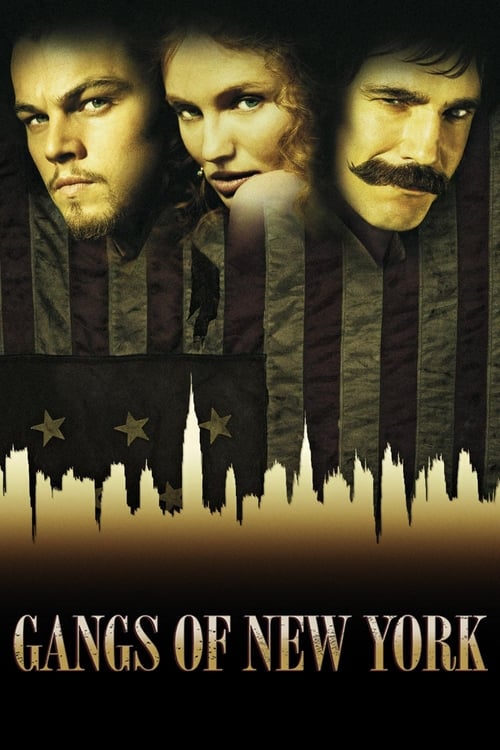
In early 1860s New York, Irish immigrant Amsterdam Vallon is released from prison and returns to the Five Points, seeking revenge against his father's killer, William Cutting, a powerful anti-immigrant gang leader. He knows that revenge can only be attained by infiltrating Cutting's inner circle. Vallon's journey becomes a fight for personal survival and to find a place for the Irish people.
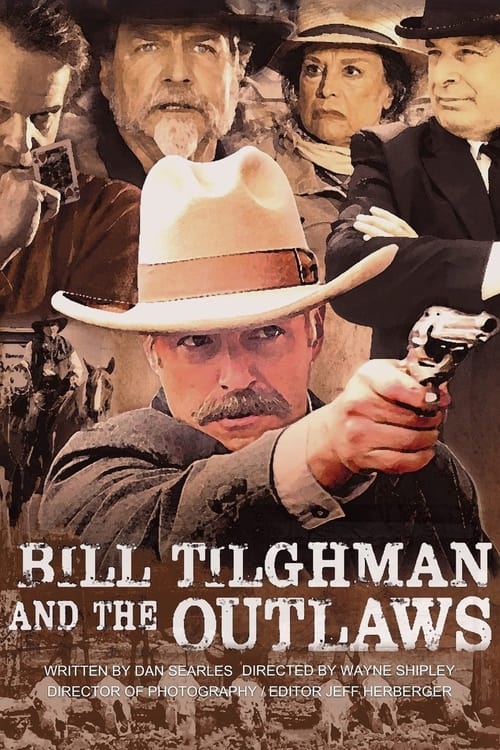
A movie company comes to Oklahoma to convince legendary lawmen Bill Tilghman to star in a bank robbery silent film featuring real outlaws. Tilghman reluctantly agrees, not realizing everyone's lives will never be the same.
Three brothers stop off for a night in the town of Tombstone. The next morning they find one of their brothers dead and their cattle stolen. They decide to take revenge on the culprits.
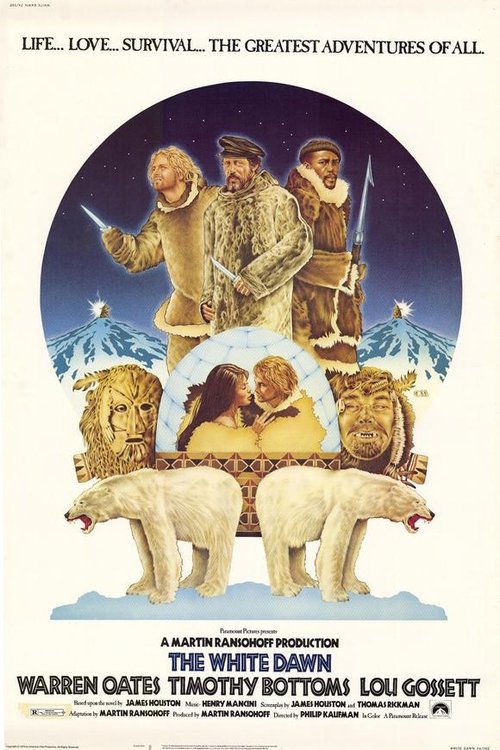
In 1896, three survivors of a whaling ship-wreck in the Canadian Arctic are saved and adopted by an Eskimo tribe but frictions arise when the three start misbehaving.
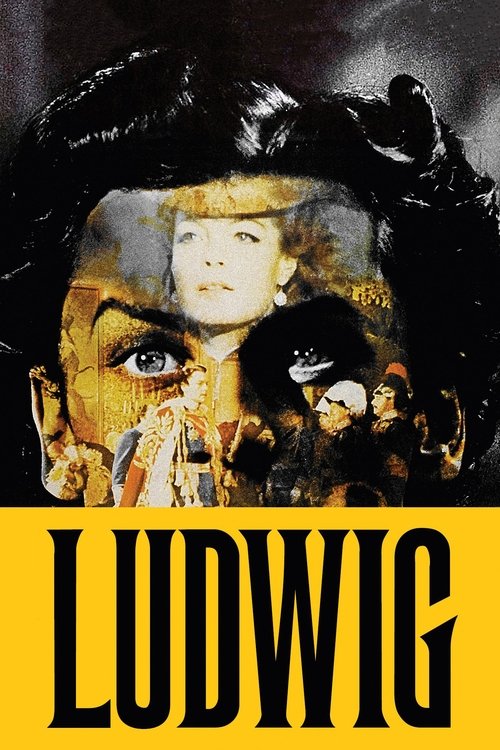
Historical evocation of Ludwig, king of Bavaria, from his crowning in 1864 until his death in 1886, as a romantic hero. Fan of Richard Wagner, betrayed by him, in love with his cousin Elisabeth of Austria, abandoned by her, tormented by his homosexuality, he will little by little slip towards madness.
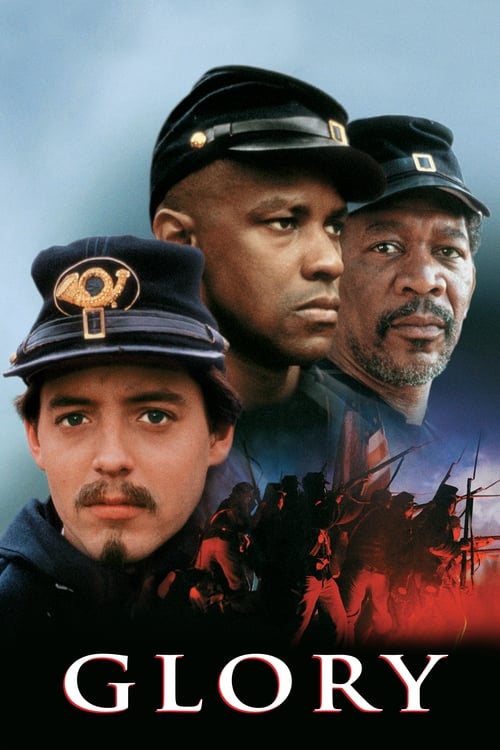
Robert Gould Shaw leads the US Civil War's first all-black volunteer company, fighting prejudices of both his own Union army and the Confederates.
A short film set in 1863 during the American Civil War following a young Union deserter.
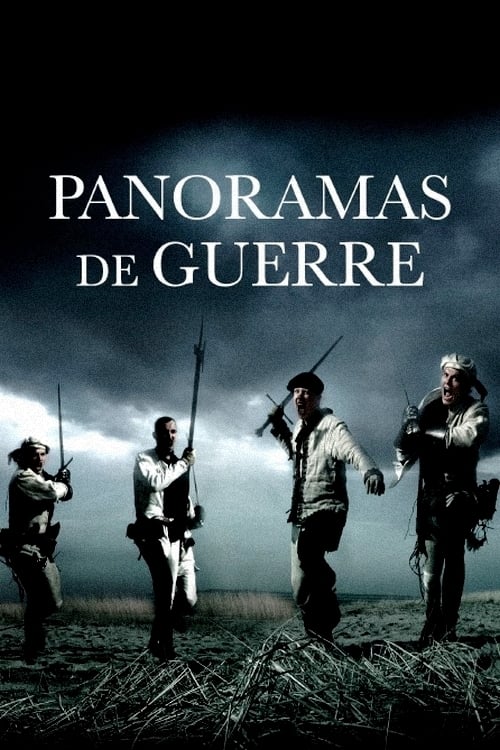
The end of the Franco-Prussian war (1870-71) saw the birth of the panoramas of war, huge circular paintings depicting scenes of war, cruelty and desolation that were contemplated by thousands of spectators, a kind of inmersive static newsreels, a mass media prior to the era of mass media, a virtual reality on canvas.
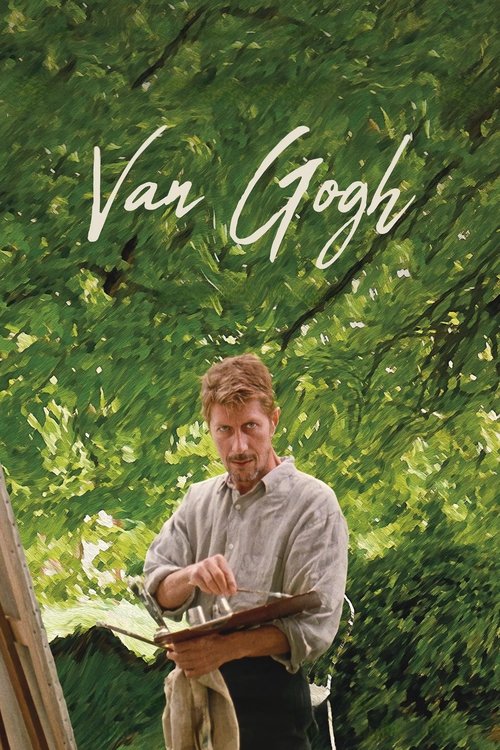
After leaving the asylum, Vincent van Gogh settles in the home of Doctor Gachet, where he keeps painting amidst the torments of his failing mental health. He begins an affair with his host’s daughter, however, she soon realizes that he doesn’t love her and that his heart beats only for art.
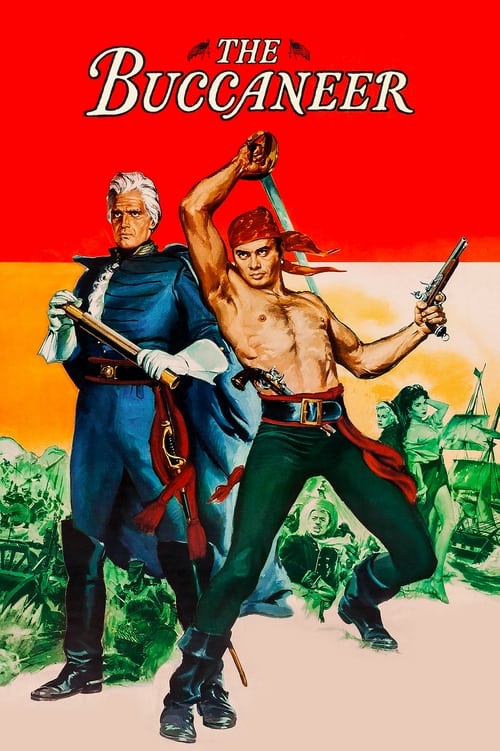
During the War of 1812 against Britain: General Andrew Jackson has only 1,200 men left to defend New Orleans when he learns that a British fleet will arrive with 60 ships and 16,000 men to take the city. In this situation an island near the city becomes strategically important to both parties, but it's inhabited by the last big buccaneer: Jean Lafitte. Although Lafitte never attacks American ships, the governor hates him for selling merchandise without taxes - and is loved by the citizens for the same reason. When the big fight gets nearer, Lafitte is drawn between the fronts. His heart belongs to America, but his people urge him to join the party that's more likely to win.
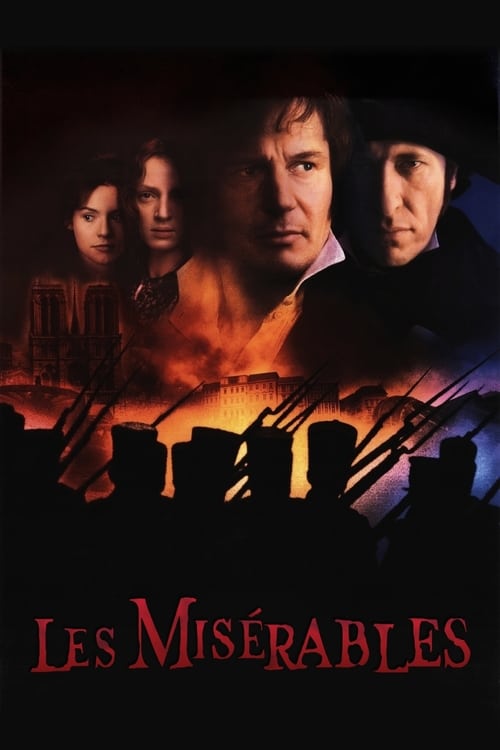
In 19th century France, Jean Valjean, a man imprisoned for stealing bread, must flee a relentless policeman named Javert. The pursuit consumes both men's lives, and soon Valjean finds himself in the midst of the student revolutions in France.
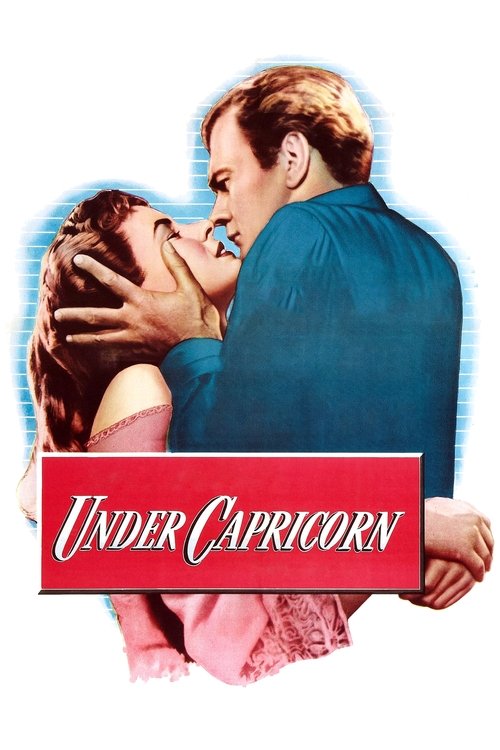
A British ex-convict in colonial Australia and his fragile wife, haunted by the past crime that binds them, struggle to rebuild their lives when a young newcomer stirs long-buried passions and secrets.
No Trailers found.
Commentary (voice)