Karel Plicka was also cinematographer of this short movie. Editor in charge was Alexander Hackenschmied. There is an extraordinary emotional charge, every shot is working on its own, such as photographs, paintings and poetic complement intertitles in this short. From the perspective of nature and the perspective is shifting to the people and their habits, work and clothes. Peculiar documentary shots underscore Ruthenians (men, women and children) who are interested in looking into the camera and the curious "eye" showing off their habits.
No overview available.
A short film about traditional crafts and culture that can still be found in the Wallachian mountains today.
Karol Plicka was an important musician and composer. He recorded folk songs immediately after hearing them in musical notation to preserve them for future generations. Similarly, he records and interprets traditions associated with dance, folk song and local stories that vary from region to region in his film The Eternal Song. The short documentary presents merry-making in Slovak and Czech regions that are changing with the coming modernization and transformation of musical records.
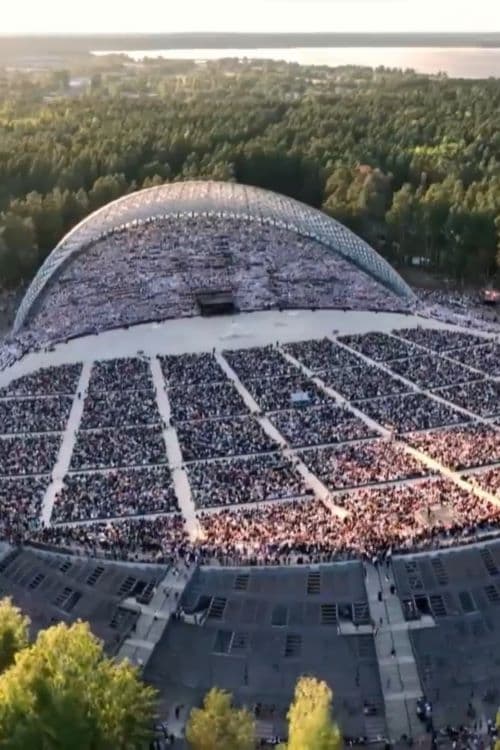
A highlight of Baltic culture, the festival dedicated to Latvian song and dance celebrates its 150th anniversary in Riga.
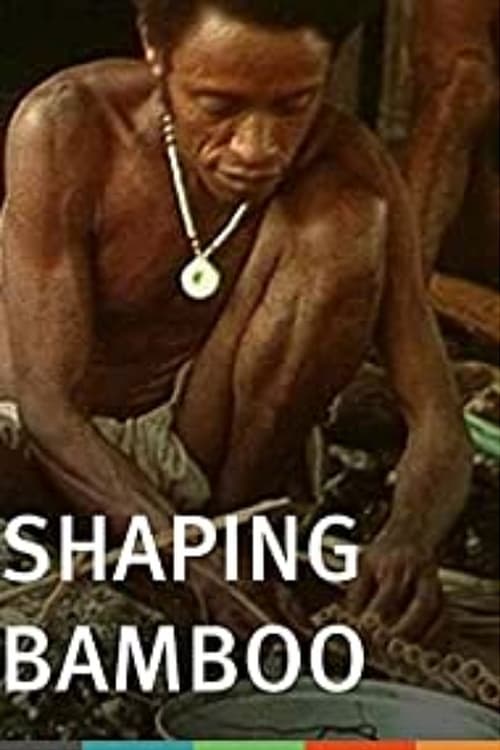
For the 'Are'are people of the Solomon Islands, the most valued music is that of the four types of panpipe ensembles. With the exception of slit drums, all musical instruments are made of bamboo; therefore the general word for instruments and the music performed with them is "bamboo" ('au). This film shows the making of panpipes, from the cutting the bamboo in the forest to the making of the final bindings. The most important part of the work consists in shaping each tube to its necessary length. Most 'Are'are panpipe makers measure the length of old instruments before they shape new tubes. Master musician 'Irisipau, surprisingly, takes the measure using his body, and adjusts the final tuning by ear. For the first time we can see here how the instruments and their artificial equiheptatonic scale-seven equidistant degrees in an octave-are practically tuned.
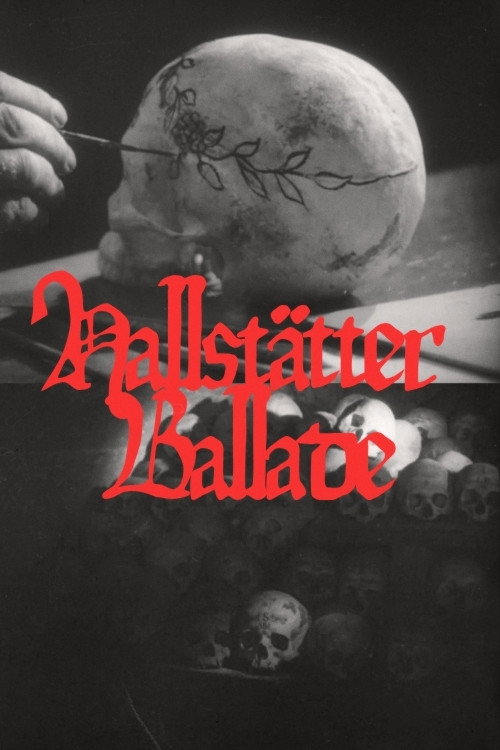
Hallstätter Ballade refers to a celebrated 1961 Austrian documentary short film directed by István Szőts. The film is best known for poetically capturing the unique, centuries-old Alpine tradition of skull painting (Totenkult) in the village of Hallstatt.
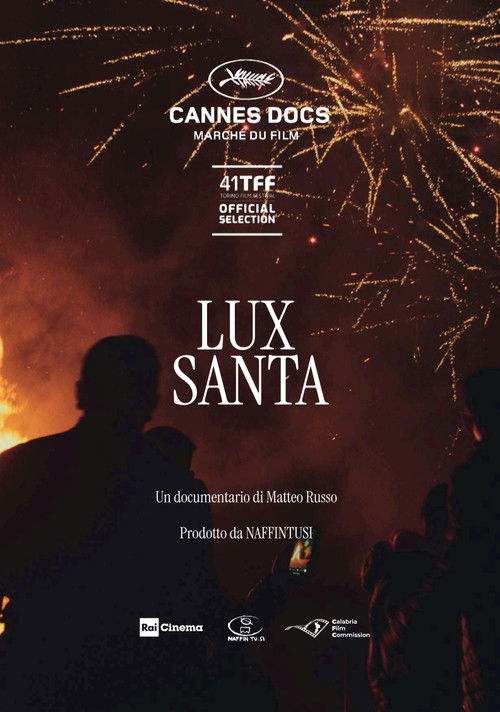
The millennia-old myth and tradition of St. Lucy's fire told through the eyes of teenagers on the shores of the Ionian Sea.
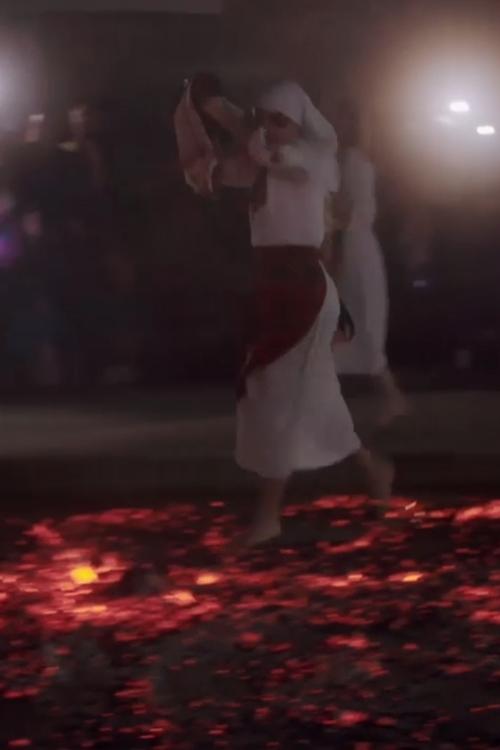
Every year in June, the small Bulgarian village of Balgari celebrates St Constantine with a special ritual. Initiated ‘nestinari’ go into a music-induced trance and dance on bonfires in a display of religious passion.
A young drag queen from Andalusia exposes the difficulties of adding aspects of her homeland culture to her artistic expression.
Documentary about the ethnographic festivities in Strážnice in the summer of 1949.
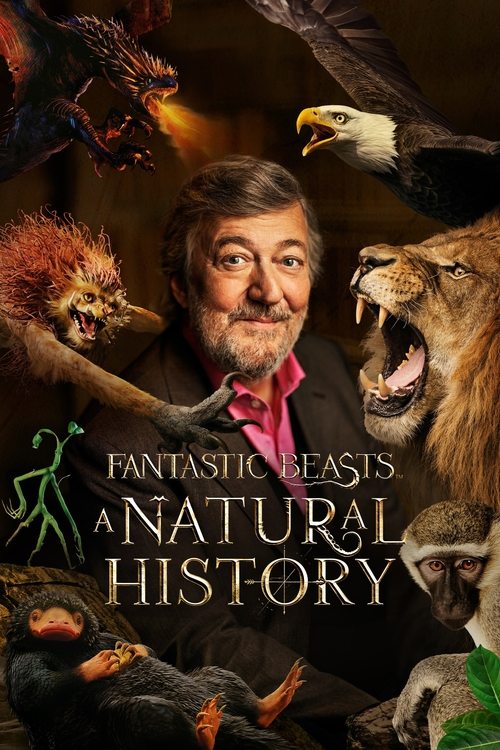
Stephen Fry embarks on a journey to discover the stories behind some of the world's most fantastic beasts that have inspired myths and legends in history, story-telling and film.
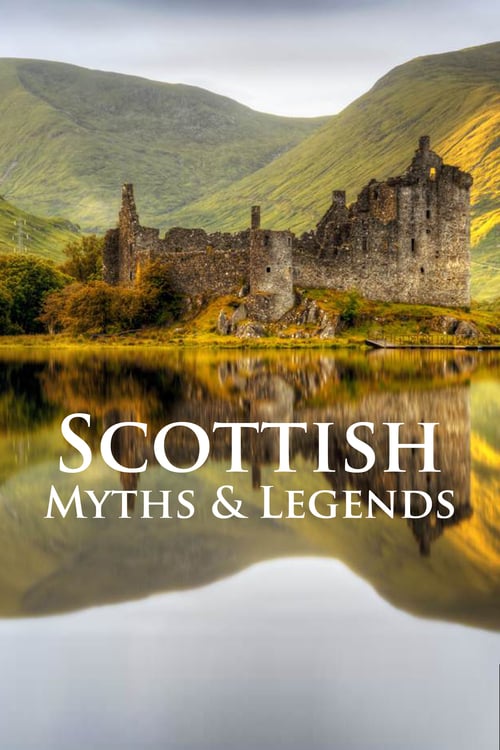
"Scottish Myths & Legends" explores the magic, mystery and sprinkling of mayhem that covers the dramatic landscape of Scotland. From the ancient tales of the Loch Ness Monster to the stories of shape shifting Kelpies, we go on a fascinating journey of discovery to uncover the stories behind the myths and the magnificent Scottish landscape that has inspired these truly legendary legends.
No Cast found.
No Trailers found.