The short piece features remarks and footage from Forster, Wilson, Bradley, Evans, Kurylenko and Arterton.
No Trailers found.
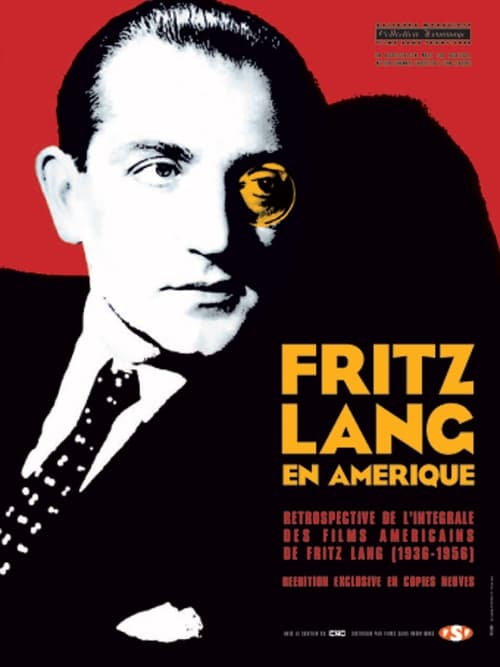
Documentary about the legendary American film director from his introduction to the film industry in its early years to his death in 1959.
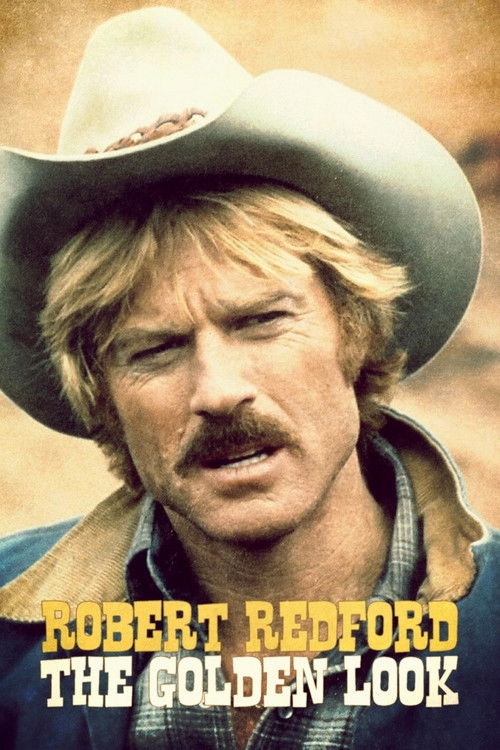
More than anyone in the cynical film industry, legendary artist Robert Redford embodies the United States' brightest side: perseverance, independence, idealism, and integrity. A champion of active environmentalism and the right to openly criticize any institutional abuse, he has put his artistic work at the service of his political commitments, whether as an actor, director, producer, or founder of the Sundance Festival, a formidable forum for his struggles since 1985.
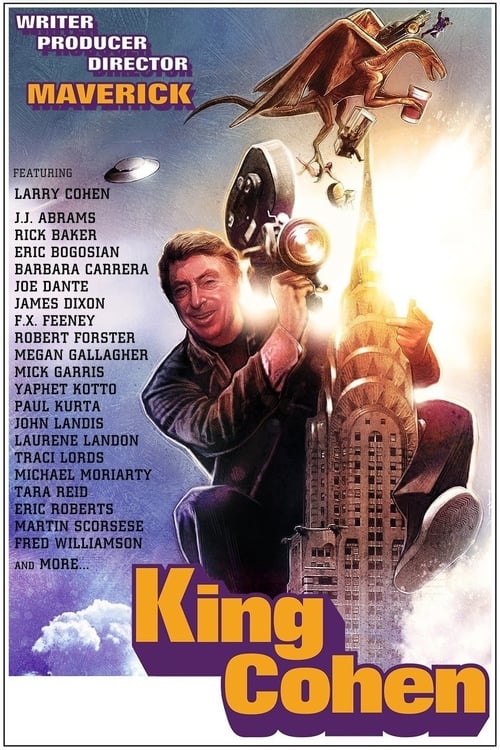
A feature-length documentary focusing on the acclaimed work and eclectic career of maverick filmmaker Larry Cohen, writer-director of "Black Caesar," "It's Alive," "God Told Me To," "Q," "The Stuff," and many more.
Interview with Fritz Lang on the roof of Villa Malaparte on Capri during the filming of the fictitious film "Odysseus" and the filming of "Contempt" by Jean-Luc Godard, in which Fritz Lang plays the role of an old film director. During the interview, excerpts from the Lang films "The Nibelungen", "The Tired Death" and "M" are shown.
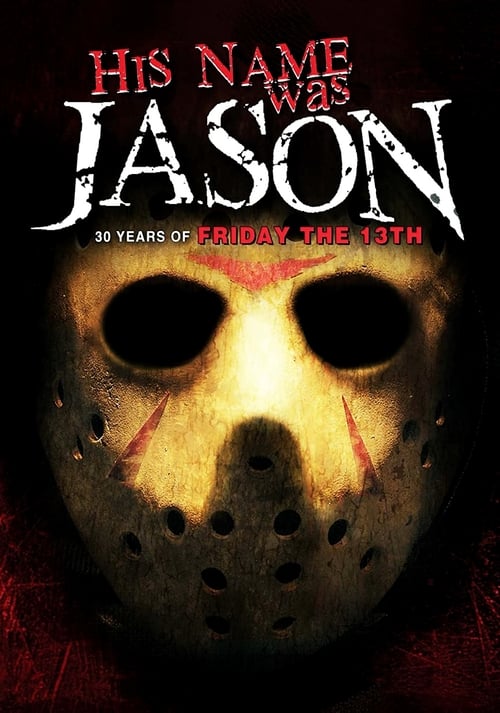
A retrospective documentary about the groundbreaking horror series, Friday the 13th, featuring interviews with cast and crew from the twelve films spanning 3 decades.
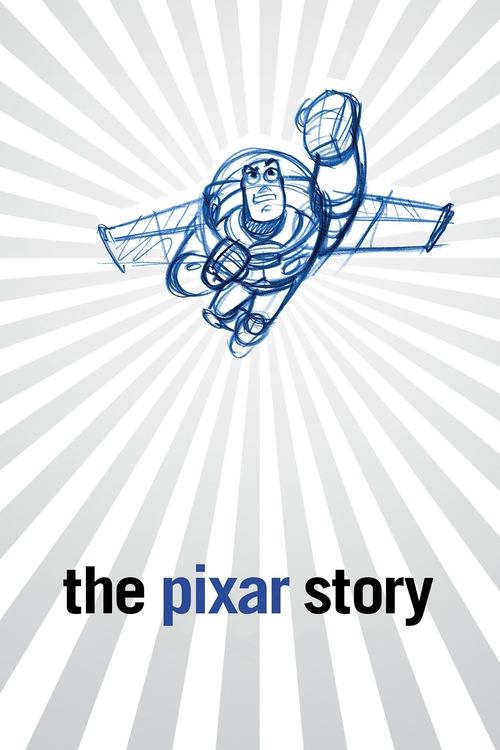
A look at the first years of Pixar Animation Studios - from the success of "Toy Story" and Pixar's promotion of talented people, to the building of its East Bay campus, the company's relationship with Disney, and its remarkable initial string of eight hits. The contributions of John Lasseter, Ed Catmull and Steve Jobs are profiled. The decline of two-dimensional animation is chronicled as three-dimensional animation rises. Hard work and creativity seem to share the screen in equal proportions.
The Smurfs were created in 1958 by the Belgian comic author Peyo (Pierre Culliford, 1928-1992) and they are one of Belgium's most recognized exports. From Brussels to Los Angeles, via Dubai, a journey into the tiny world of the famous little blue people, from the story of the creation of the original comic to the account of their huge global commercial exploitation.
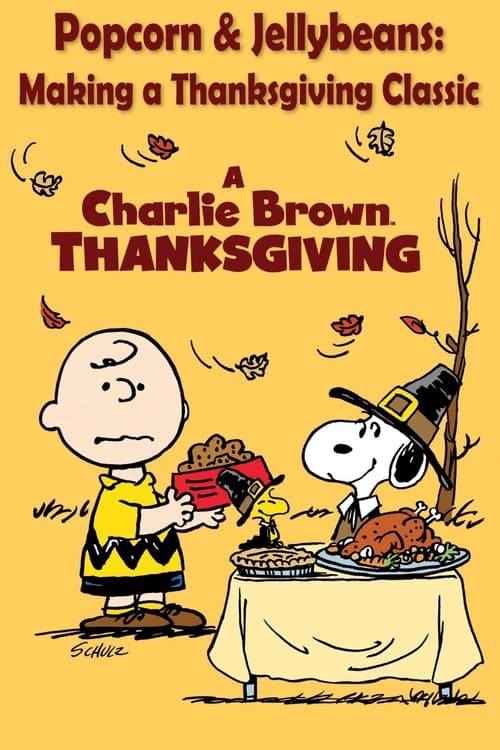
Documentary on the making of the Peanuts Thanksgiving special.
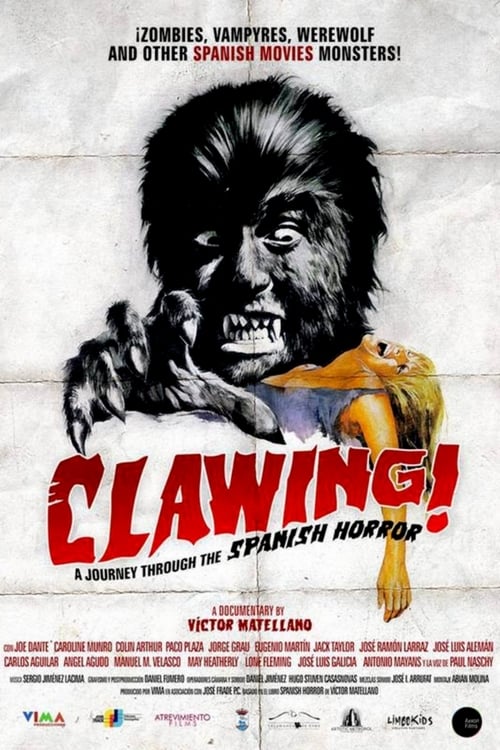
In the late sixties, Spanish cinema began to produce a huge amount of horror genre films: international markets were opened, the production was continuous, a small star-system was created, as well as a solid group of specialized directors. Although foreign trends were imitated, Spanish horror offered a particular approach to sex, blood and violence. It was an extremely unusual artistic movement in Franco's Spain.
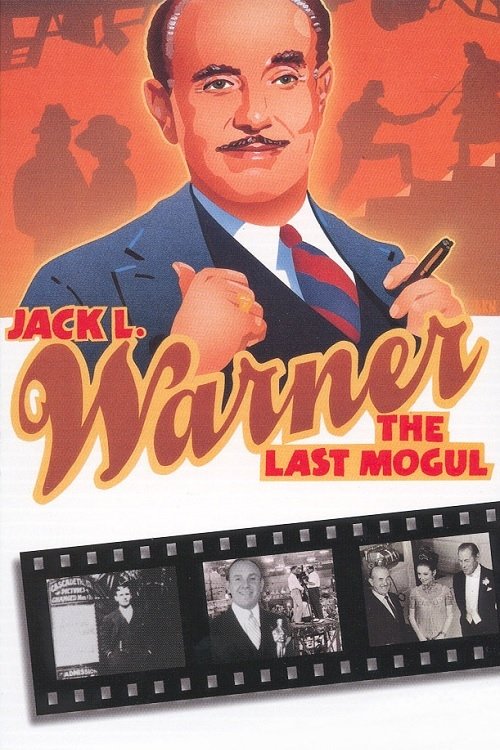
An insider's account of Jack Warner, a founding father of the American film industry. This feature length documentary provides the rags to riches story of the man whose studio - Warner Bros - created many of Hollywood's most classic films. Includes extensive interviews with family members and friends, film clips, rare home movies and unique location footage.
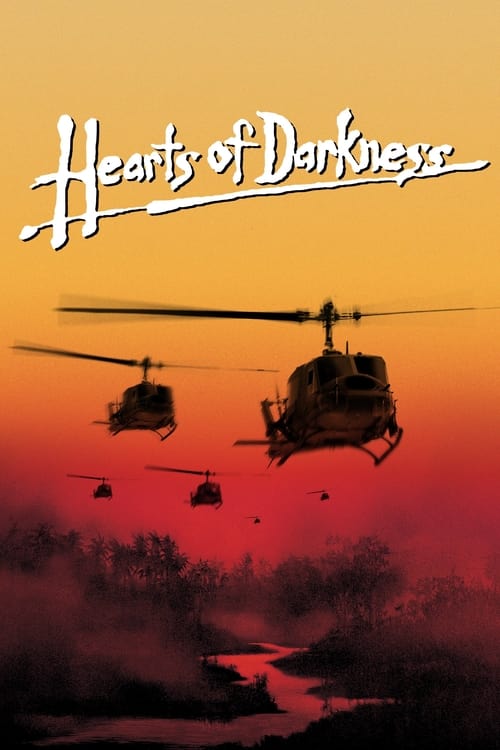
A chronicle of the production problems — including bad weather, actors' health, war near the filming locations, and more — which plagued the filming of Apocalypse Now, increasing costs and nearly destroying the life and career of Francis Ford Coppola.
Eva Ebner is a Berliner who gives the appearance of being rather eccentric. She knows the film business inside out – regardless of whether she’s work- ing behind the camera as an assistant director or in front of it as an actor. Her name is closely associated with a series of now-legendary adaptations of Edgar Wallace’s crime novels which were made in Germany during the 1960s. Upcoming young directors from local film schools have also profited from Ms. Ebner’s unbroken enthusiasm and passion for film. However, this eighty-year-old has a more than broken relationship to the events of her childhood and youth in Gdansk – a time when her life was characterised by an anti-Semitic step-mother and the dangers posed by the Nazi regime. This film portrait does not eschew any of the long dark shadows of that era, nor does it sidestep any friction between portrayer and his subject. (Lothar Lambert)
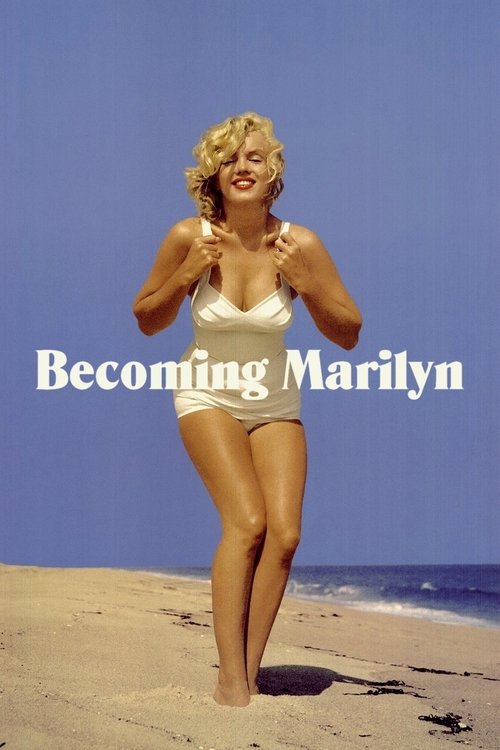
The story of how Norma Jeane Mortenson became Marilyn Monroe (1926-62), a lucid path of self-discovery, from anonymity to stardom: the painful birth of a myth.
The short piece shows what the cast and crew did on the first day of production but mostly just serves as an overview of general movie-making bits.
The short piece includes statements from Forster, Kurylenko, Powell, and Craig. This one focuses on the new Bond girl and her stunt work.
The short piece gives us info from Forster, Craig, Arterton, Almaric, Kurylenko, and Wilson. All involved tell us of Forster's greatness.
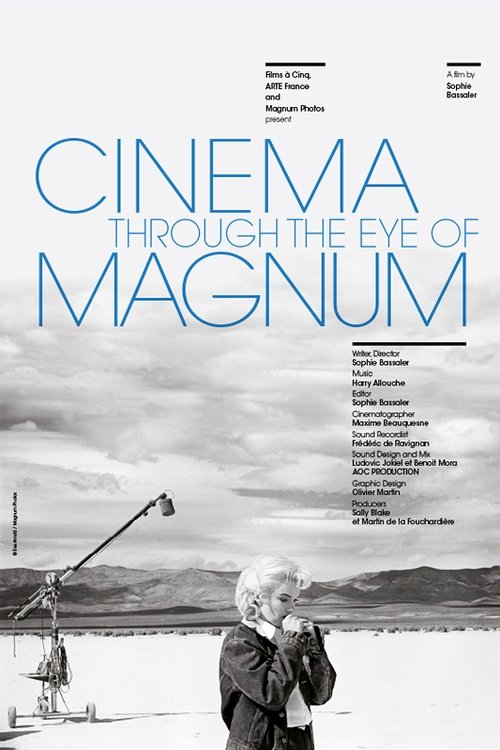
The film tells the story of the intimate and unprecedented encounter between the photojournalists of the Magnum Agency and the world of cinema. The confrontation of two seemingly opposite worlds – fiction and reality. For 70 years their paths crossed: a family of photographers, amongst them the biggest names in photography, and a family of actors and filmmakers who helped write the history of cinema, from John Huston to Marilyn Monroe to Orson Welles, Kate Winslet and Sean Penn.
Detailed interview with Michael Powell and Emeric Pressburger looking back at their long career as influential British film-makers and their unusual partnership. Includes clips from many of their films.
Ridley Scott's cult film Blade Runner, based on a novel by Philip K. Dick and released in 1982, is one of the most influential science fiction films ever made. Its depiction of Los Angeles in the year 2019 is oppressively prophetic: climate catastrophe, increasing public surveillance, powerful monopolistic corporations, highly evolved artificial intelligence; a fantastic vision of the future world that has become a frightening reality.
Tucumán, Argentina, 1965. Three years before George A. Romero's Night of the Living Dead was released, director Ofelio Linares Montt shot Zombies in the Sugar Cane Field, which turned out to be both a horror film and a political statement. It was a success in the US, but could not be shown in Argentina due to Juan Carlos Onganía's dictatorship, and was eventually lost. Writer and researcher Luciano Saracino embarks on the search for the origins of this cursed work.