No Trailers found.
Self (archive footage)
Self
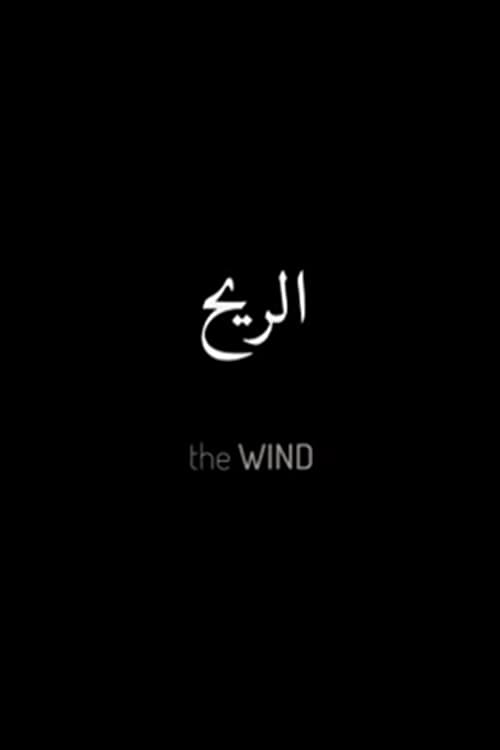
The tragedy of the Syrian people: War, conflict, loss, migration, exile, asylum, detention, drowning… A deserted place. Abandoned people. Abandoned country. The doors slammed shot; the doors are now locked - the keys thrown away...for what seems forever.
A film featuring architect, sculptor, and musician Nobuo Kubota in a sound-sculpture performance. From within a cage-like structure filled with traditional musical instruments and sound-making devices fashioned from ordinary objects and toys, Kubota creates an aural/visual montage of musical notes and noises. Praised by music educators as a valuable tool for teaching creativity in sound exploration and musical innovation, the film reveals the infinite percussion possibilities of simple objects and presents a portrait of a versatile performer whose imagination has led him far beyond the confines of conventional music. Directed by Jonny Silver - 1982 | 20 min
A group of children are encouraged to play in a park by two men. Some play a skipping game. One of the other children refuses and eventually runs away. Another child is fascinated by the camera and stares at it throughout, even when encouraged by one of the men to play. IN the background, traffic passes and pedestrians stroll past behind a railing on an upper level. The children wear sunhats, indicating the weather is very sunny.
Fidgeting fish, dancing on the train, big stages – we scroll through a phone gallery. How do you find your own identity between ever-changing trends? When do the borders between real and virtual life blur? A documentary about a self-made musician who wants to stand her ground in a digital world.
In WWII Western Germany, Private David Manning reluctantly leaves behind a mortally wounded fellow soldier and searches for survivors from his platoon, only to learn from commanding officer Captain Pritchett that they have all been killed in action. Despite requesting a discharge on the grounds of mental disability, Manning is promoted to sergeant and assigned to lead a new platoon of young inductees.
No overview available.
Mike Tyson escaped a life of poverty and petty crime to make a name for himself, becoming the youngest Heavyweight Champion of the World and a household name—but his rise was followed by a very public fall. In this remarkably candid portrait, the boxer addresses his controversial past, including the rape charge that sent him to prison and his struggles with substance abuse, while also detailing his ultimate recovery and comeback.
Ancient Caves brings science and adventure together as it follows paleoclimatologist Dr. Gina Moseley on a mission to unlock the secrets of the Earth’s climate in the most unlikely of places: caves. Moseley and her team of cave explorers travel the world exploring vast underground worlds in search of stalagmite samples – geologic “fingerprints” – that reveal clues about the planet’s climate history. Their quest leads them to some of the world’s most remote caves, both above and below the water, in France, Iceland, the Bahamas, the U.S. and Mexico’s Yucatan Peninsula. Together, they go where very few humans will ever go, revealing the incredible lengths scientists will go to study the unknown.
When the lights dim and the stage is revealed, Meschke channels life through the strings of his puppets, triggering the spiritual connection between the creator and his alter-egos: the charismatic Don Quixote, the loving Penelope, the inquisitive Baptiste, or the mysterious Antigone. THE MAN WHO MADE ANGELS FLY is a poetic story about a master of his craft that has inspired audiences to reflect upon common issues of suffering and the mortal coil. Visionary and un-biographic, imaginary tribute to the puppeteer.
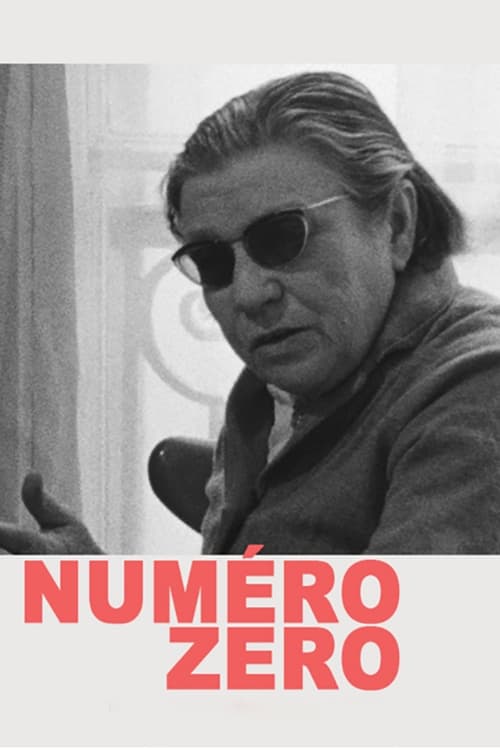
A family portrait in which the director profiles his grandmother, Odette Robert. Eustache includes in the film the conditions of its production — he is seated at the table with her, pours her some whiskey, speaks with the camera operator, manipulates the clapboard at the head and tail of the reels, and even takes a phone call. Robert, who was seventy-one, speaks rapidly and tells the story of her life, starting from her early childhood in villages in the Bordeaux region of France. A shorter version of the film ("Odette Robert") was edited in 1980 to be broadcast on television on TF1. The complete film only gained exposure in 2002, when it was salvaged by Boris Eustache, Thierry Lounas, João Bénard da Costa, Jean-Marie Straub, and Pedro Costa.
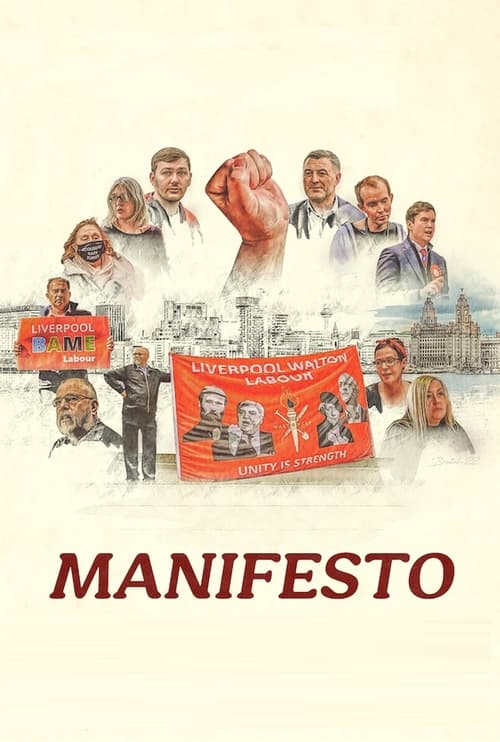
Over three pivotal years in party politics, activists in the safest Labour seat in the country campaign for change under the banner of Jeremy Corbyn's 'For The Many' manifesto.
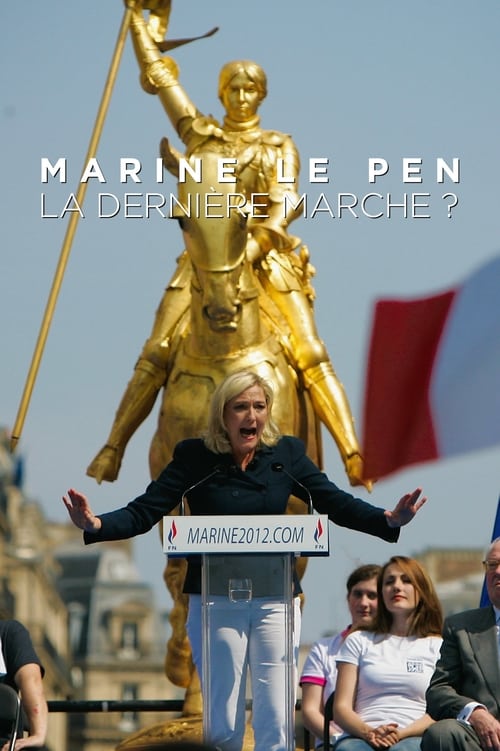
This film is an uncompromising portrait of a woman who no-one could have imagined in a position of power a few years ago . A look at the woman and, through her, at the party that continuously raises concerns and stirs up the media.
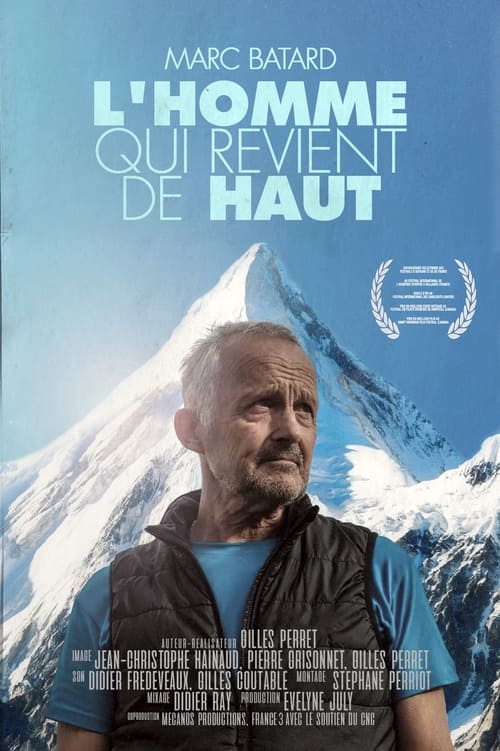
What compels a man to push the limits of what is attainable ever higher? After thirty years of relentless struggle with the highest peaks on earth, Marc Batard has finally found the answers to these questions. He had to reach the summit of Everest twice, once shattering the record for fastest time in 24 hours without oxygen, and climb the most difficult faces of the Alps to glimpse the path to inner healing. It was through physical suffering that he was able to confront the pain of his soul. He was finally able to talk about the violence of his childhood, the shock he carried like a ball and chain for decades. Having completed his summit therapy, Marc Batard tells his story in this documentary by Gilles Perret.
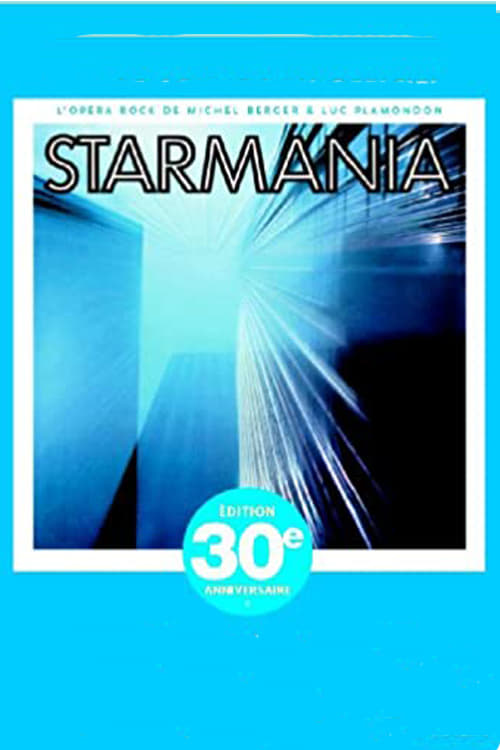
Live concert of the french musical with original cast.
A surprisingly intimate portrait of how the dream of running one’s own business can take on monstrous contours. Managed by the father of one of the singers, over the course of five years the girl band 5Angels had reached the gates of pop fame. But it is a path paved not only with the songs of Michal David, but also with the dogged determination of a man who loses any notion of where his role as manager ends and his role as parent begins. An emotionally moved Karel Gott, five angelic girls, and one overly involved father, thanks to whom the behind-the-scenes pre-Christmas atmosphere melts away just as rapidly as the fat should disappear from the belly. “A singer can’t be a lard bucket!”
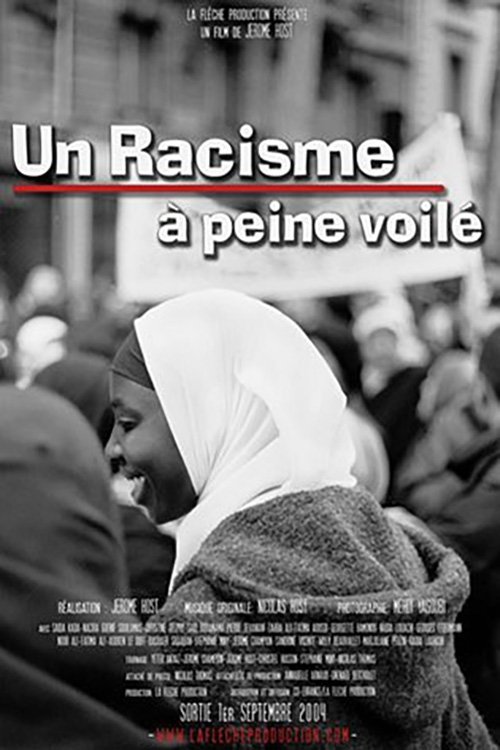
October 2003, Alma and Lila Levy are excluded from the Lycée Henri Wallon in Aubervilliers solely because they were wearing a headscarf. What follows is a deafening political and media debate, justifying in most cases the exclusion of girls wearing head-scarves to school. February 2004, a law was eventually passed by the National Assembly. "A thinly veiled racism" is about this controversy since the affair of Creil in 1989 (where two schoolgirls were excluded for the same reasons) and attempts to "reveal" that maybe what hides behind is the desire to exclude these girls. This film gives them a voice as well as others - teachers, community activists, feminists, researchers - gathered around the group "A School for You-All" fighting for the repeal of this law they consider sexist and racist ... This movie was censured in Septembre 2004 in France.
A woman who has become part of literary heritage, the only French writer to be awarded the Nobel Prize in 2022, she has made her life the basis for her work since the publication of her first novel in 1974... What can be said that her books haven't already said? On the occasion of her grand return to her hometown in Normandy, as she explores the places of her early childhood, this icon of several generations looks back on her youth and what made her the committed woman and writer she has become. Through a geographical and narrative journey covering her first 25 years, which resonated throughout the following 60 years, the film—the only one she has agreed to participate in since winning the Nobel Prize—offers a "different" portrait of Annie Ernaux, interweaving her personal memories, her writings, and the history of the 20th century.