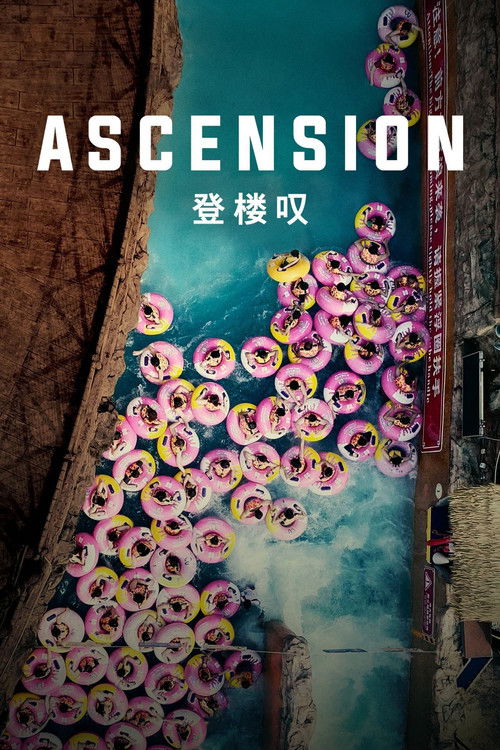
The film explores the pursuit of the “Chinese Dream.” Driven by mesmerizing—and sometimes humorous—imagery, this observational documentary presents a contemporary vision of China that prioritizes productivity and innovation above all.
Trailer
No Cast found.
After Porn Ends 2 picks up where its predecessor left off and not only turns back the clock to meet the oldest living stars in adult film's history, but goes in depth with some of Its most current retirees and juxtaposes their experiences in a life after porn. Delving deeper into society's ongoing stigmas of race, misogyny, and the reality of decreasing opportunities for these former VHS box cover stars. For some, their careers in adult entertainment is accepted proudly and without regret. In fact, it seems to have proven to be the pathway to their current happiness and inner peace. For others, however, a career in porn has proven to be a conduit to certain despair as they struggle to find a way to bury their past and emerge with a new career or calling.
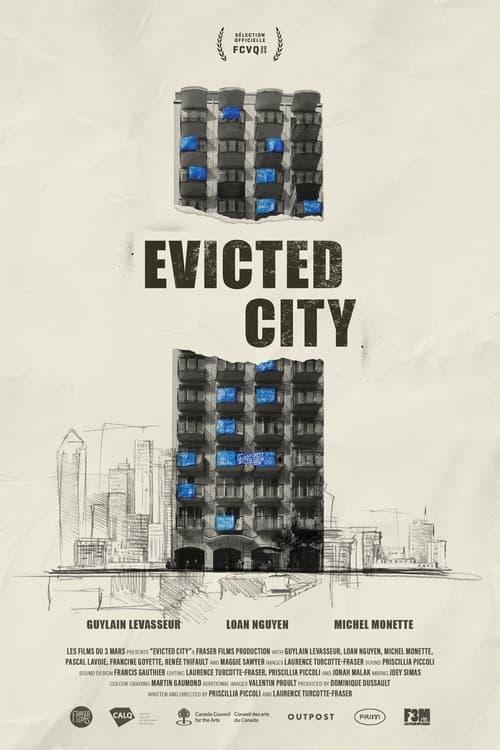
Montreal — one of the few remaining affordable cities in North America — is now in the midst of an unprecedented housing crisis. An intimate portrait of socio-political resistance, this multilayered film explores the human impact of real estate speculation on the cities of tomorrow.
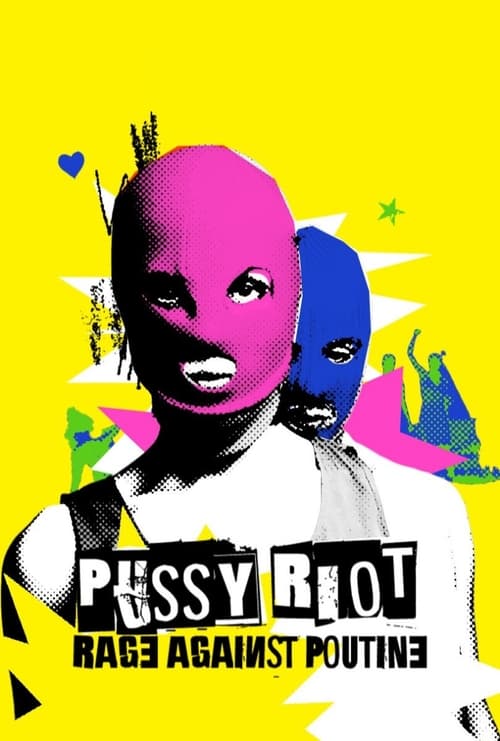
Pussy Riot make a comeback after a long absence to stand with Ukraine. Their story and their struggle are told through archival footage and interviews with the group’s members.
No overview available.
A very human tech doc, uncovers the real costs of the platform economy through the lives of workers from around the world for companies including Uber, Amazon and Deliveroo. From delivering food and driving ride shares to tagging images for AI, millions of people around the world are finding work task by task online. The gig economy is worth over 5 trillion USD globally, and growing. And yet the stories of the workers behind this tech revolution have gone largely neglected. Who are the people in this shadow workforce? It brings their stories into the light. Lured by the promise of flexible work hours, independence, and control over time and money, workers from around the world have found a very different reality. Work conditions are often dangerous, pay often changes without notice, and workers can effectively be fired through deactivation or a bad rating. Through an engaging global cast of characters, it reveals how the magic of technology we are being sold might not be magic at all.
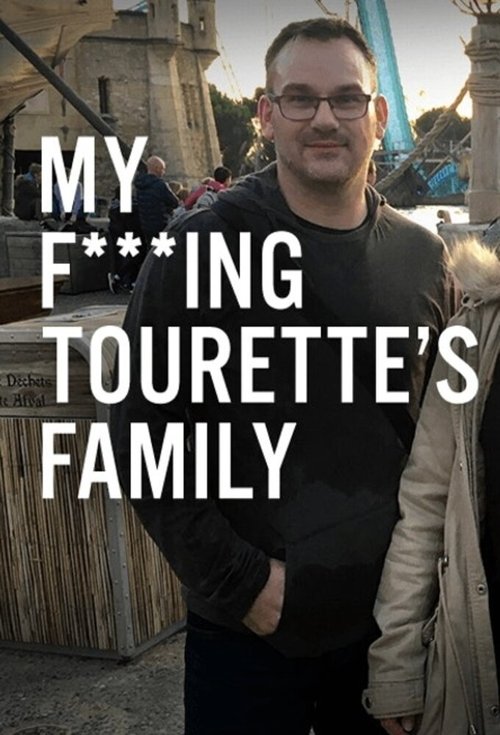
One-off documentary following the Davies-Monk family from Oxfordshire as they try to break out of the seclusion that has been enforced on them by other people's negative reactions to their two children who both have Tourette's Syndrome.
Afghan documentary maker Najiba Noori offers not only a loving and intimate portrait of her mother Hawa, but also shows in detail how the arduous improvement of the position of women is undone by geopolitical violence. The film follows the fortunes of Noori’s family, who belong to the Hazaras, an ethnic group that has suffered greatly from discrimination and persecution.
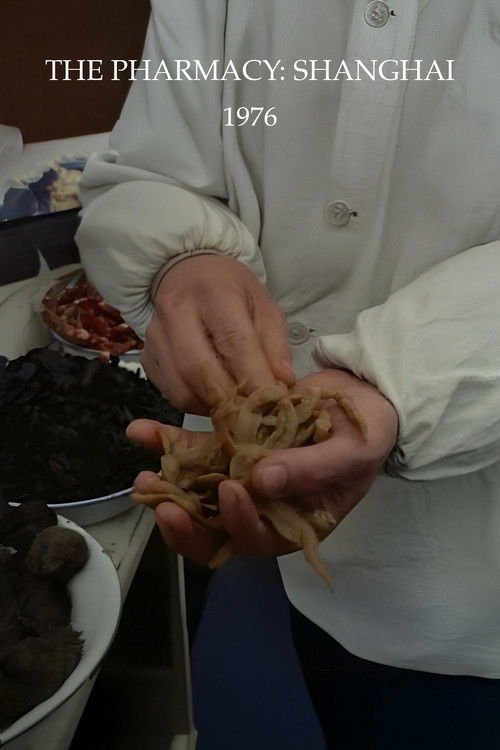
Filmed inside Pharmacy No. 3 in Shanghai, Joris Ivens and Marceline Loridan-Ivens document the daily work of a state pharmacy that functions as both a dispensary and a neighborhood medical center. The film focuses on routine interactions between staff and patients, revealing an integrated model of urban healthcare in 1970s China.
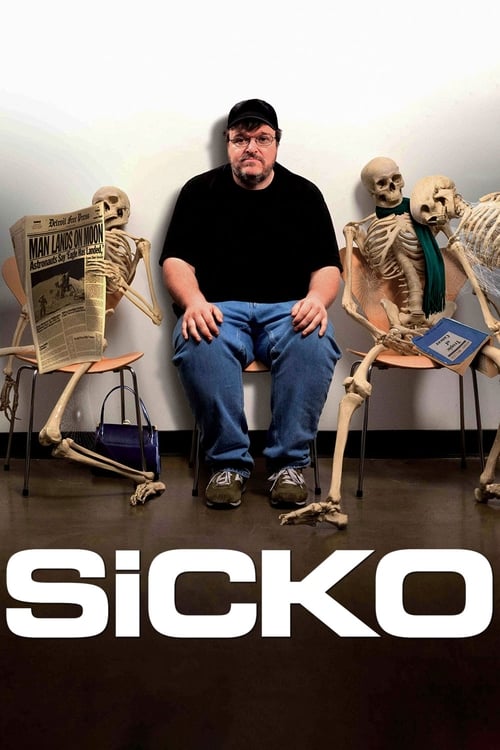
A documentary about the corrupt health care system in The United States whose main goal is to make profit even if it means losing people’s lives. "The more people you deny health insurance, the more money we make" is the business model for health care providers in America.
The documentary film of the brief window of artistic freedom and democracy movement 1978 - 1982 following China's brutal cultural revolution.
Every year, the most beautiful, best and proudest representatives of German youth meet in Dresden to take to the streets together.
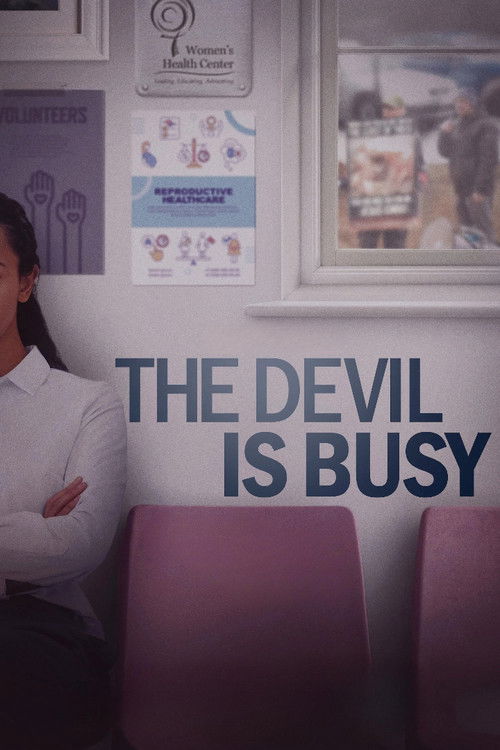
At an Atlanta abortion clinic besieged by protesters, the director of operations, Tracii, takes necessary risks to safeguard staff and patients.
Chinese teenagers from the wealthy elite, with big American dreams, settle into a boarding school in small-town Maine. As their fuzzy visions of the American dream slowly gain more clarity, their relationship to home takes on a poignant new aspect.
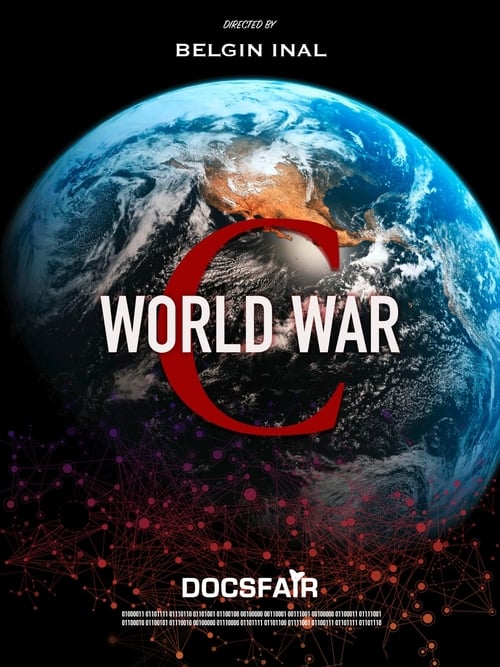
It's war. War against an invisible enemy that is not as deadly as we are told. The world is changing rapidly. Disproportionate measures are taken worldwide that disrupt society as a whole. A dichotomy in society forced vaccinations and restrictions on freedom. Have we had the worst? Or is there something more disturbing to awaiting us.
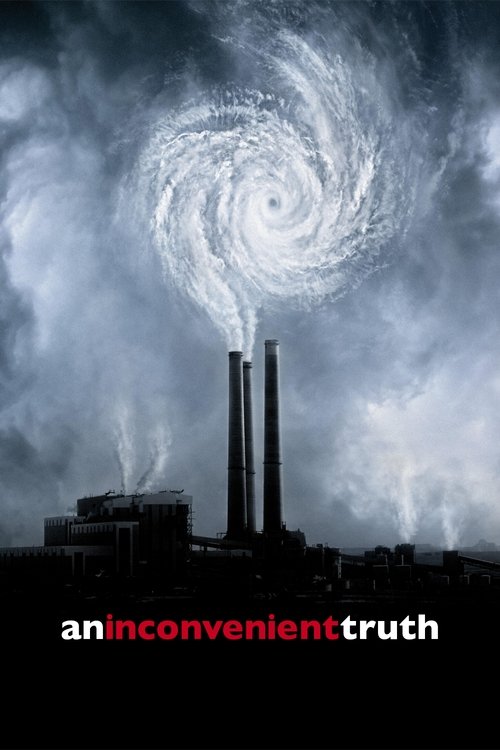
A documentary on Al Gore's campaign to make the issue of global warming a recognized problem worldwide.
Ben Fogle spends a week living inside the Chernobyl Exclusion Zone, gaining privileged access to the doomed Control Room 4 where the disaster first began to unfold.
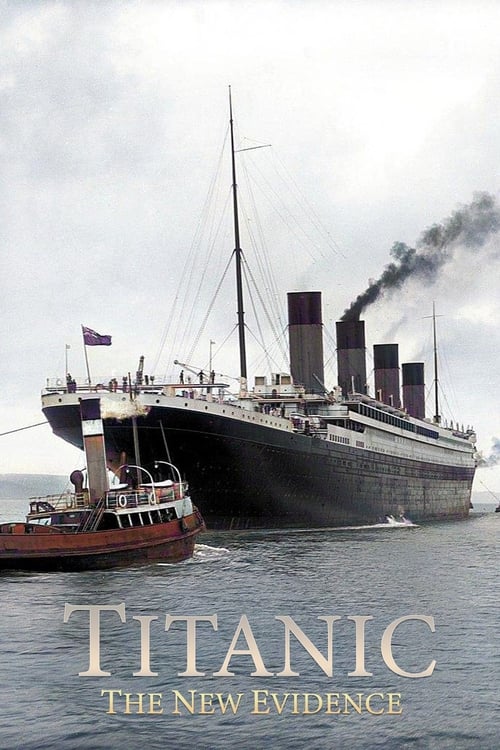
This documentary draws on new evidence to reveal that a fire was raging in Titanic's boiler rooms before she left port, that it was kept secret and, it's now believed, that it led to the tragedy