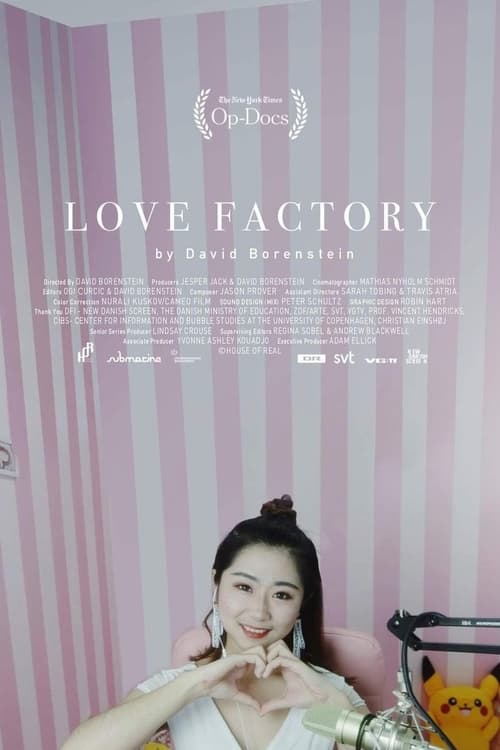
Livestreaming your life to a devoted audience is big business. What happens when the cameras are off?
No Trailers found.
No Cast found.
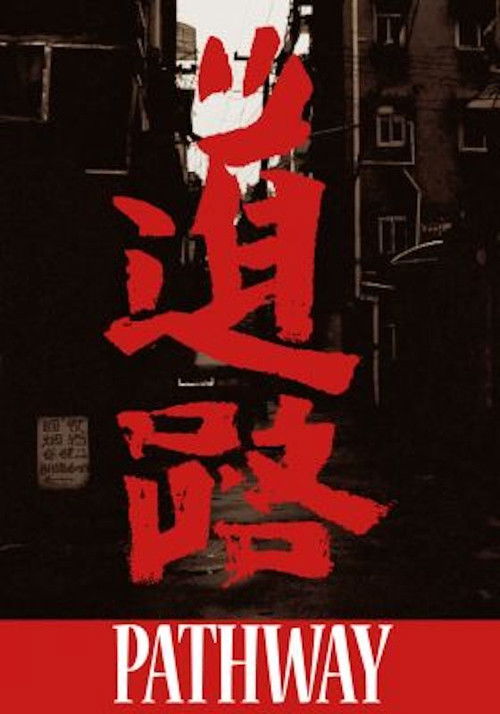
Xu Xin’s film “Dao Lu” (China 2012) offers an exclusive “in camera” encounter with Zheng Yan, an 83 year-old veteran of the Chinese Red Army, who calmly relates how he has navigated his country’s turbulent history over three-quarters of a century.Born to a wealthy family in a foreign concession, Yan joined the Chinese Communist Party (CCP) in 1941 because he sincerely believed in the socialist project, and in its immediate capacity to free China from the Japanese yoke and eradicate deep-rooted corruption.
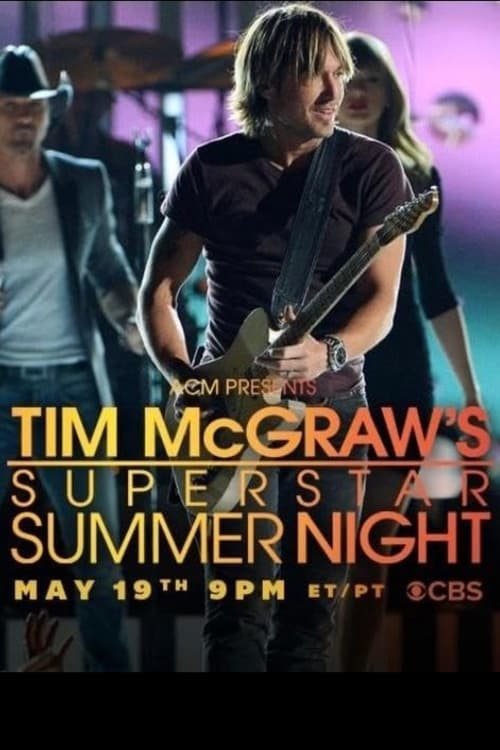
Fifteen time ACM Award winner, acclaimed actor and entertainer Tim McGraw is handpicking the hottest music of summer and calling on his friends to help kick off the 2013 touring season. The two-hour star-studded concert event will feature performances and collaborations from country, pop, rock and more, as well as a few surprise special guests from the worlds of film and television. All proceeds will benefit ACM Lifting Lives, the charitable arm of the Academy, and an organization that McGraw was closely affiliated with over his last tour.
No overview available.
As a decades-old state-run aeronautics munitions factory in downtown Chengdu, China is being torn down for the construction of the titular luxury apartment complex, director Jia Zhangke interviews various people affiliated with it about their experiences.
Joanne is a model, a teacher, a fighter, a chameleon. But when her private semi-nude photos went public, this woman of many talents came to be simply known as 'the topless teacher'. Together with her former student, artist Simon Fujiwara, she seeks to reclaim her image through social media and branding tactics. Shifting between advertisement and portraiture, this meta-narrative on identity manages to infuse playfulness in its layered commentary on who you are and how you're seen.
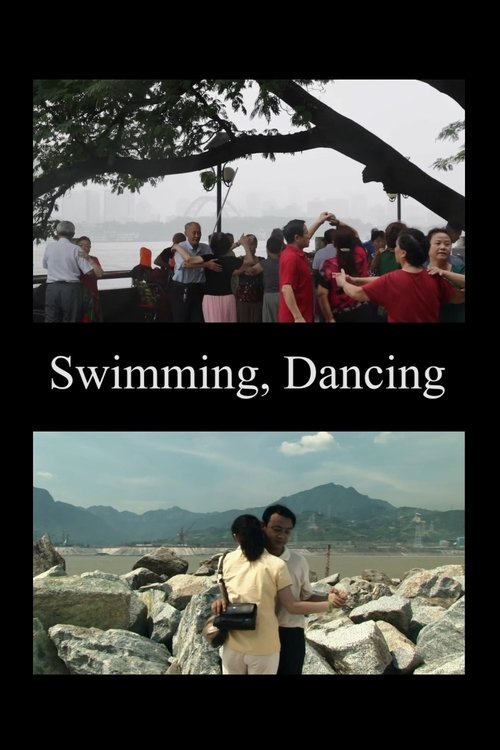
Swimming, Dancing examines audiovisual representations of the Yangtze (1934–present), from silent film to video art to the contemporary vlog. Inspired by the city symphonies of the 1920s, Swimming, Dancing pieces together a “river symphony”, evoking the images, sounds and contradictions that make up the river’s turbulent history.
The documentary film of the brief window of artistic freedom and democracy movement 1978 - 1982 following China's brutal cultural revolution.
Can you become a star without being a loudmouth? Absolutely, and Bourvil is proof of that. This discreet artist had many talents: he was both an actor and a singer, with equal success and enjoyment. First noticed for his songs and sketches, in which he created the character of the village idiot, he learned through experience the art of creating characters who were naive, certainly, but increasingly subtle. We propose to look back on the all too brief life of this man who was as endearing as he was discreet.
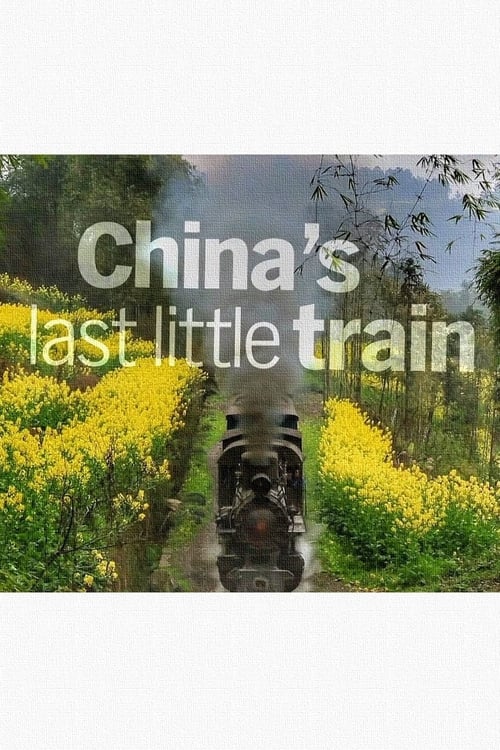
In a mountainous region of Sichuan, best known for pandas and earthquakes, there are no roads, no cars, no buses. But there is … a train. This documentary tells the story of the last working narrow gauge steam railway in China.
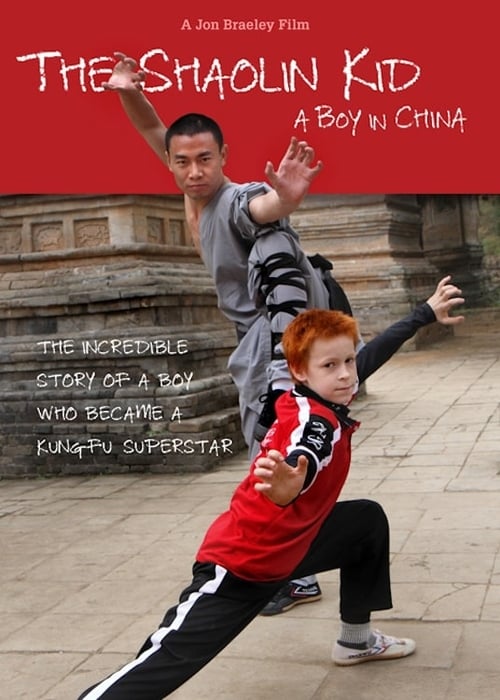
The story of a six year old boy from Phoenix, Arizona whose dreams of becoming a Kungfu master lead him to the birthplace of martial arts - the legendary Shaolin Temple in China. His father must now face a heartbreaking decision and follow his son to China leaving the mother behind in America... a choice few parents could ever imagine.
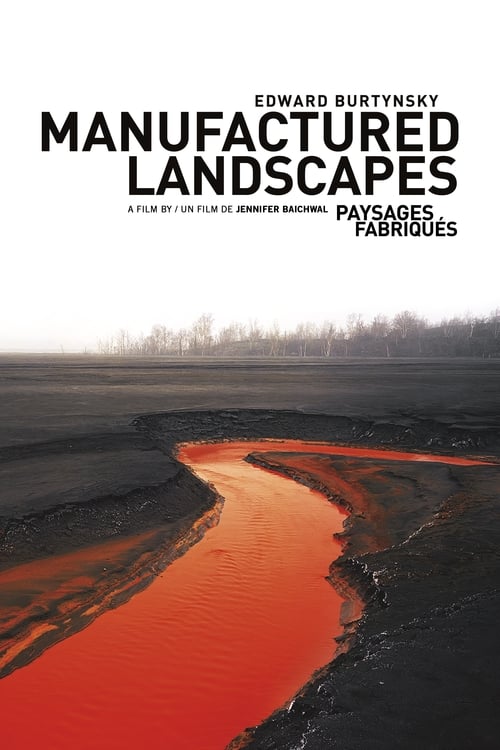
MANUFACTURED LANDSCAPES is the striking new documentary on the world and work of renowned artist Edward Burtynsky. Internationally acclaimed for his large-scale photographs of “manufactured landscapes”—quarries, recycling yards, factories, mines and dams—Burtynsky creates stunningly beautiful art from civilization’s materials and debris.
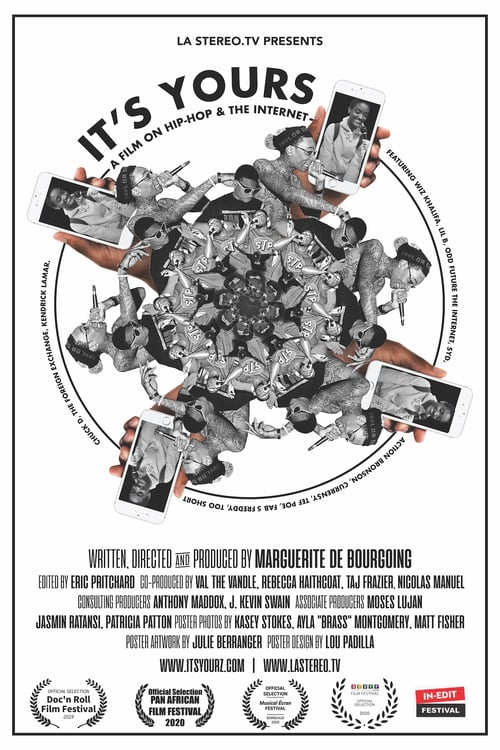
By the dawn of the 21st century, hip-hop sales had reached an all-time high, but one thing has remained the same. The doors were still locked, and the music industry held the keys. Young artists began to self-market on the Internet, ultimately helping to collapse the music industry as we knew it. It’s Yours explores how it became possible to become a rap star through a Twitter account, YouTube site or Myspace page. It tells this story through the unique perspectives of numerous artists, producers, record industry insiders, and music and cultural critics.
In their infinite quest for virgin big walls, adventurers Sean Villanueva O’Driscoll, Nicolas Favresse, Stephane Hanssens and Evrard Wendenbaum, head in September 2013 to a remote valley in the westernmost region of China. There, they found a fantastic 1200m vertical pillar, culminating at 5842m. They spent 14 days on the wall facing snow storms and harsh conditions to finally achieve this amazing ascent with some frost bites but never forgetting to have a lot of fun and to play unreal musical sessions.
This documentary reveals how a group of hackers powered the darkest corners of the internet from a Cold War-era bunker in a quiet German tourist town.
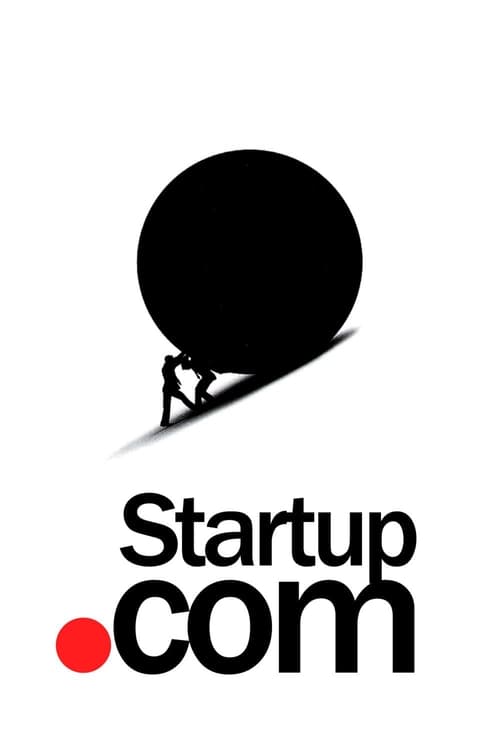
Friends since high school, 20-somethings Kaleil Isaza Tuzman and Tom Herman have an idea: a Web site for people to conduct business with municipal governments. This documentary tracks the rise and fall of govWorks.com from May of 1999 to December of 2000, and the trials the business brings to the relationship of these best friends. Kaleil raises the money, Tom's the technical chief. A third partner wants a buy out; girlfriends come and go; Tom's daughter needs attention. And always the need for cash and for improving the site. Venture capital comes in by the millions. Kaleil is on C-SPAN, CNN, and magazine covers. Will the business or the friendship crash first?
Examines the early 1980s Hong Kong filmmaking community. Tony Rayns interviews some of the new generation of filmmakers and figures from the wider film culture.
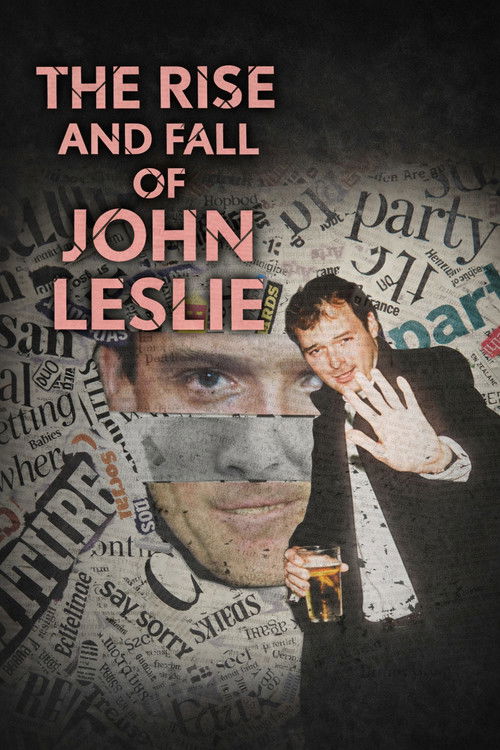
The story of one Britain's most famous TV presenters at the center of a media storm.