A documentary directed by Winding Refn's wife, Liv Corfixen, and it follows the Danish-born filmmaker during the making of his 2013 film Only God Forgives.
So, essentially, from what I can glean, the “Minions” are a series of films about these little yellow creatures, a sickly old man and also his wife (?). They sing and dance to popular songs and they have all been very friendly to me. This is a film about a theme park in Singapore.
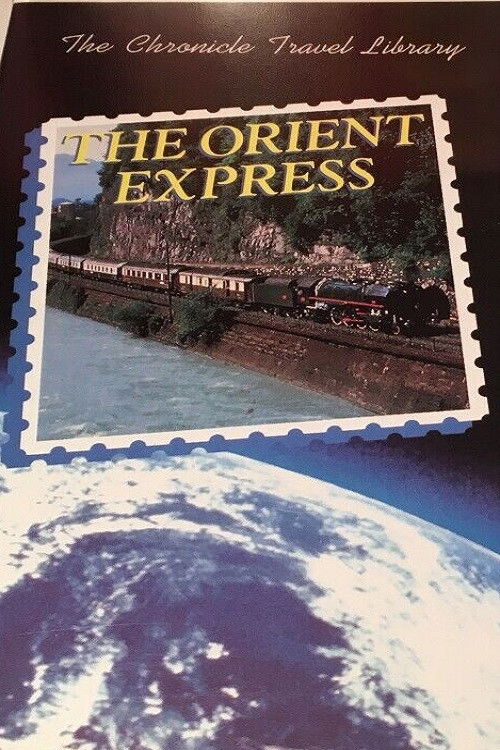
The next best thing to being there is to experience The Chronicle Travel Library with its most comprehensive collection. Chronicle Videocassettes brings the Orient Express to you.
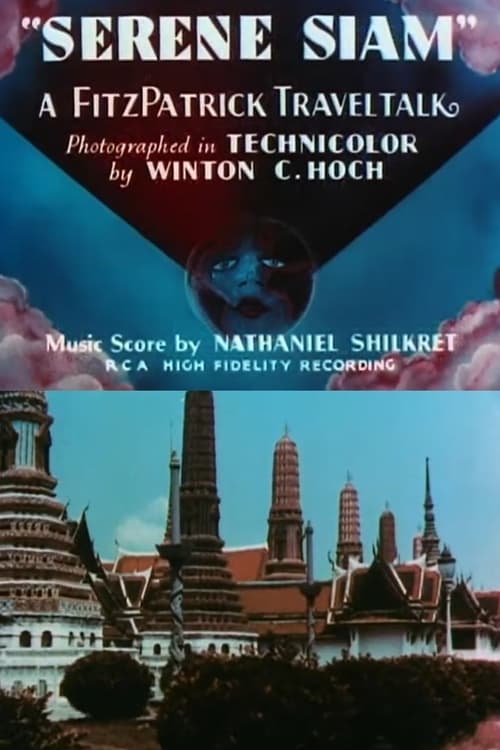
This travelogue begins at Bangkok's rail depot, a center of Indo-Chinese commerce. Next the narrator talks about Buddhism as the camera shows us some of Bangkok's many temples. Then, the narrator introduces us to the importance of traditional dance, with emphasis on the way that delicate wrist movements tell stories. It's on to the system of waterways in Bangkok, where more than 1,000,000 people live or conduct commerce. We take a ride down the Menam River, the country's most important commercial and social road. From our boat, we pass Wat Arun and other colorful signs of life typical in serene Siam.
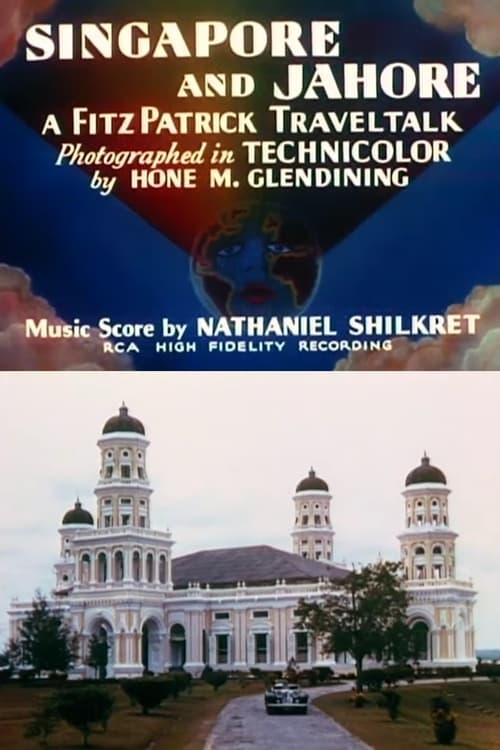
A visit to Singapore, an essential port city in Britain's empire, established in 1813 when Raffles negotiated its separation from the independent Malay state of Jahor. The camera observes Singapore's traditional neighborhoods, trade, and small craft, which are dominated by people of Chinese ancestry. Then, we drive the modern causeway to Jahor's small capital, Johor Bahru, for a look at imposing buildings and a visit to the grounds of the sultan. The sultan's son invites the crew in, and we meet the sultan, "H.H." himself. The narrator relates the sultan's commitment to commerce, economic well-being, and tolerance, stemming in part from his European education.
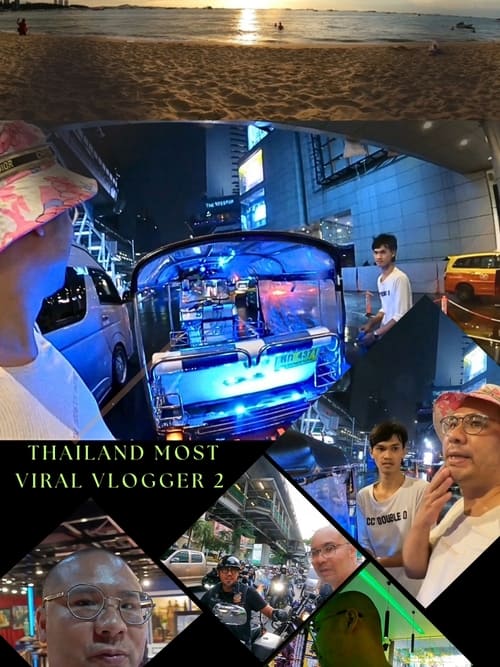
From love pride parade to the strain hunters of Thailand. A vlogger makes its journey from the side hustle streets of Bangkok, covering the lost gems of Pattaya beaches and the mystical wonders of valuable antiques, amulets and significant temple paintings.
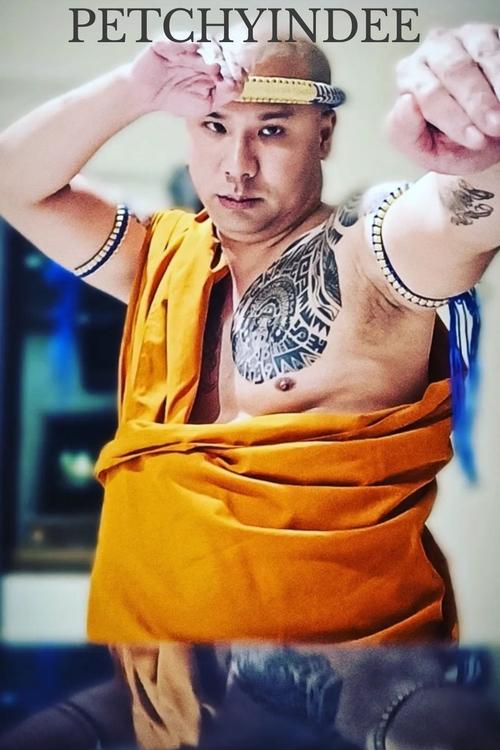
An old Traditional Muayboran Monk Champion Master enters the famous Petchyindee Kingdom Muaythai Gym to practice and train a session of Muaythai. In order to regain and recover the technics and skills, he showcases different styles of Wai Kru dances. From Tiger, Snake, Scorpion, Dragon and the spearing warrior dance.
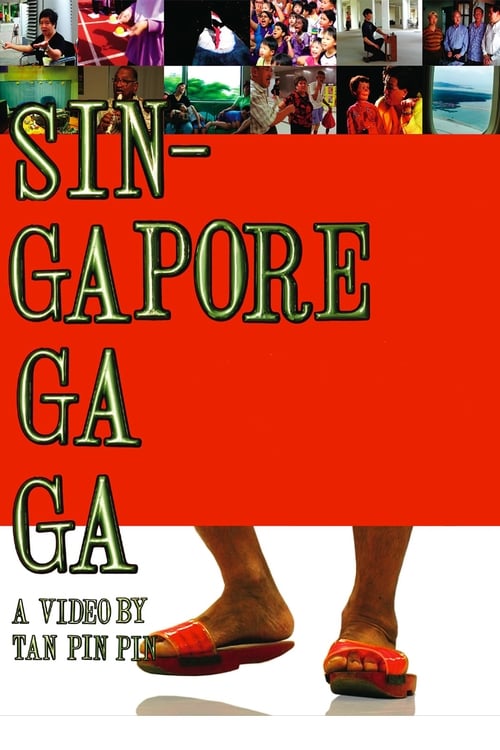
Singapore GaGa is a 55-minute paean to the quirkiness of the Singaporean aural landscape. It reveals Singapore's past and present with a delight and humour that makes it a necessary film for all Singaporeans. We hear buskers, street vendors, school cheerleaders sing hymns to themselves and to their communities. From these vocabularies (including Arabic, Latin, Hainanese), a sense of what it might mean to be a modern Singaporean emerges. This is Singapore's first documentary to have a cinema release. With English and Chinese subtitles.
Beginning with a private, rolling party on board one of Hong Kong's iconic streetcars, travel journalist Rudy Maxa and former chef and now Washington, D.C. restaurateur Daisuke Utagawa lead viewers through on of the worlds most exciting cities. Hong Kong takes cuisine from around the world and makes it its own. Explore the cuisine as well as the mostly unknown, lush side of Hong Kong where hiking trails and beaches rule. Bangkok - In a city where the weather is always hot, it is natural that residents spend so much time eating outside. Street food rules the capital of Thailand, and no visitor should miss the opportunity to follow local custom. Utagawa and Maxa taste their way through the city while exploring the Klongs (canals) and temples that make Bangkok a visitors paradise.
I took the southern train at Hua Lamphong for the first time, and I wanted to recorded the experience. However, because of the flood, we eventually returned to our starting place at Hua Lamphong.
There are only 320 Mlabri people left on this planet. They came out of the jungle in Northern Thailand on the border to Laos one generation ago. The Mlabri people used to be hunters and gatherers. Today they scrape out a meagre existence at the bottom of society working as day labourers for the Hmong farmers, and living in shacks on the outskirts of larger Hmong villages. The Mlabri people are currently going through a transformation process, which has taken many other people thousands of years. Now the young people are faced with the choice of staying with their families in the village or adapting to the Thai society. How do they experience the meeting between their own culture and the local, regional and national majority cultures? In this film young Mlabri tell about their past, present and future as they see it; all expressed in their unique and expressive Mlabri language.
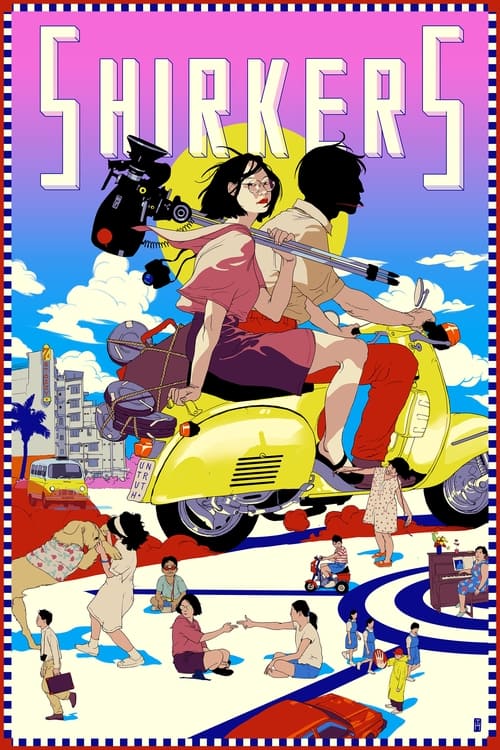
In 1992, teenager Sandi Tan shot Singapore's first indie road movie with her enigmatic American mentor Georges – who then vanished with all the footage. Twenty years later, the 16mm film is recovered, sending Tan, now a novelist in Los Angeles, on a personal odyssey in search of Georges' vanishing footprints.
An investigation into the nature of the sex trade in Thailand.
She now lives many miles away from her mother, who is waiting to hear from her. It is a bittersweet, restless, nostalgic moment, and she remembers those vanished years.
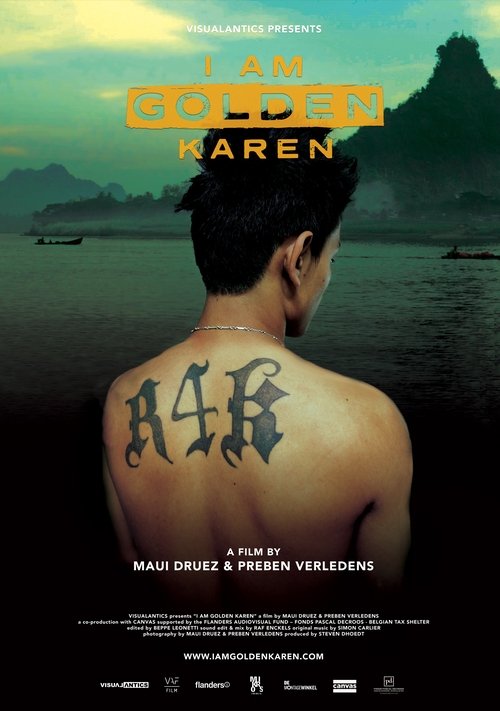
I AM GOLDEN KAREN is a coming-of-age story of Thaawa, a Karen refugee in search of his identity as a migrant in Thailand. In between puberty and adulthood, he nurtures a strong desire to return to his motherland, Karen State, Burma.
Bomb Hunters is an engrossing examination of the micro-economy that has emerged in Cambodia from untrained civilians harvesting unexploded bombs as scrap metal. The film explores the long-term consequences of war and genocide in an attempt to understand the social, cultural, and historical context and experiences of rural villagers who seek out and dismantle UXO (unexploded ordnance) for profit. Part of a global economy, these individuals clear UXO from their land in order to protect their families from harm and to earn enough money to survive. Bomb Hunters is an eye-opening account investigating the on-going residual, persistent effects of war experienced by post-conflict nations around the globe, and the complex realities of achieving "peace".
Born a conjoined twin due to the effects of Agent Orange used during the Vietnam War, Duc Nguyen, now a father and husband, seeks the truth about his past and contemplates the future.
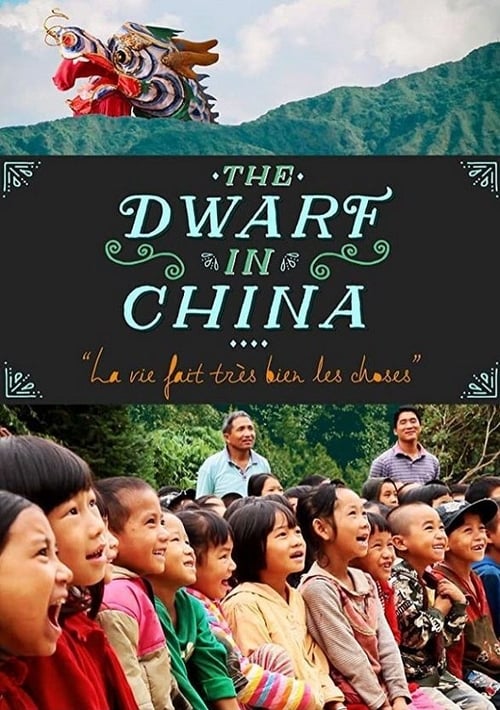
A dwarf, a dragon, and a golden egg. Yet the real fairy-tale of this film is the journey of Jeanmarie, the Dutch street performer. In an adventurous project, Jeanmarie teams up with youth worker Frank to travel through the last remaining untouched regions of China, performing his new show to local children. As they transport their wondrous music machine from village to village, they bring laughter and intrigue to all who witness their magical performance, reuniting reality with fantasy, Europe and Asia. In a film as imaginative and whimsical as Jeanmarie's play itself, this is a poignant tale of passion and conviction to follow and fulfil your dreams.
No overview available.
Rare archive footage reveals what Singapore was like dating back to 1900, showing coolies sharing lunch, rickshaw pullers, a grand Peranakan funeral, and more.
No Cast found.
No Trailers found.