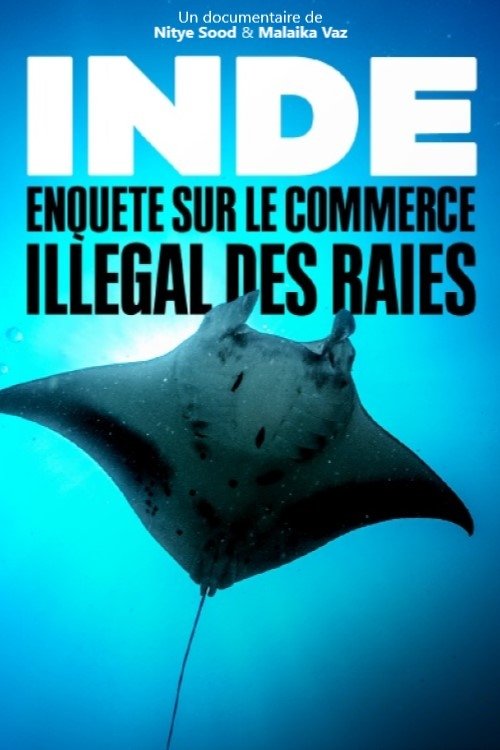
Malaika Vaz follows the illegal manta ray trade pipeline from fishing vessels in the Indian Ocean, to the Indo-Myanmar border and finally undercover in the wildlife trafficking hubs of Hong Kong and Guangzhou.
No Trailers found.
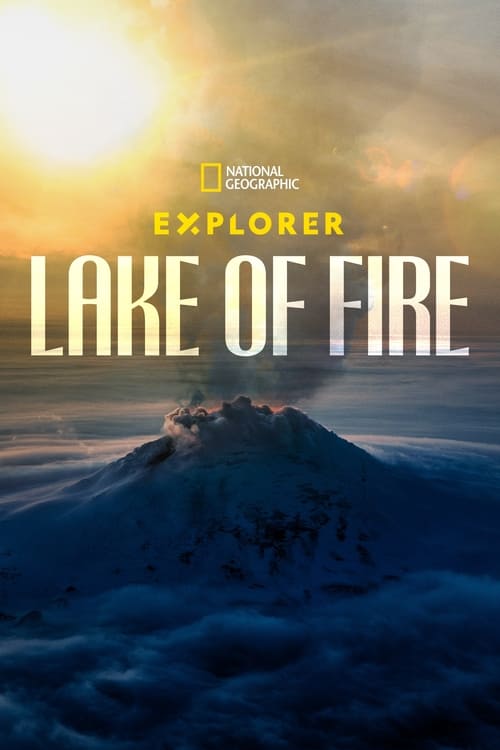
In 2001, satellite imagery captured a mysterious “thermal anomaly” on an unexplored volcano at the ends of the Earth. What lies inside could provide new clues to help predict volcanic eruptions around the globe. But the island is so remote with conditions that are so extreme. No one has ever been able to reach the top to investigate what lies inside.. until now.
Ben Fogle spends a week living inside the Chernobyl Exclusion Zone, gaining privileged access to the doomed Control Room 4 where the disaster first began to unfold.
Violent squalls, hail, waterspouts, lightning... storms put animals and plants to the test. At a time when climate change is multiplying extreme weather events, this documentary plunges into the heart of a storm, from the heavy, dry atmosphere that precedes it to the deluge that follows.
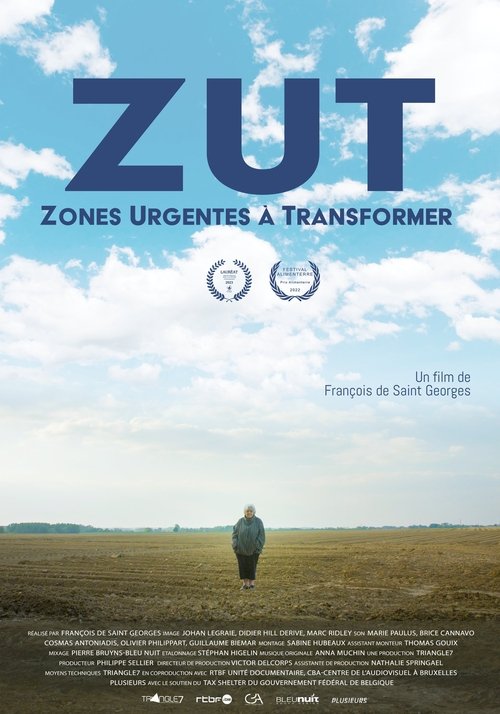
Marie-Thérèse and Christian have turned their town into a ZUT—a Urgent Zones to Transform. They want pesticides gone. Completely. Immediately. And forever. The radical stance of these 'zutists' echoes a growing thirst for change across Belgium. From tiny garden plots to European institutions, from farm to farm, from laboratories to grassroots struggles, ZUT keep popping up—each one revealing just how dependent we’ve become on chemical inputs, and how deeply we long to break free.
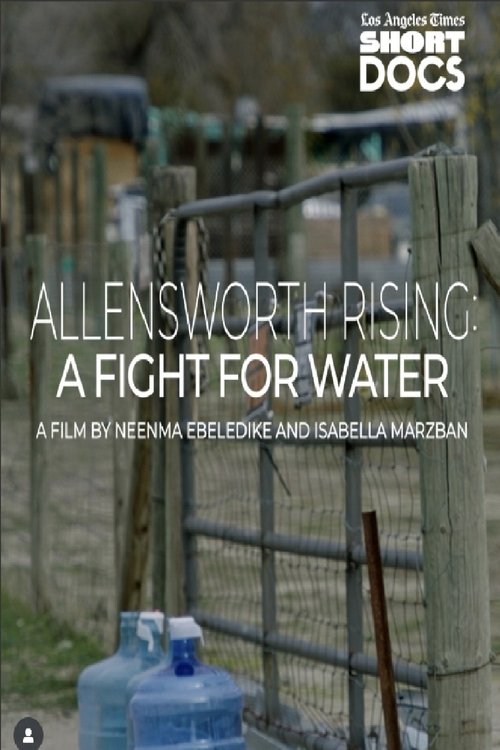
In the town of Allensworth, California, residents join forces with Dr. Ashok Gadgil to fight for clean water and to preserve the town’s historic legacy, continuing the work of their families who lived in the town for generations.
No overview available.
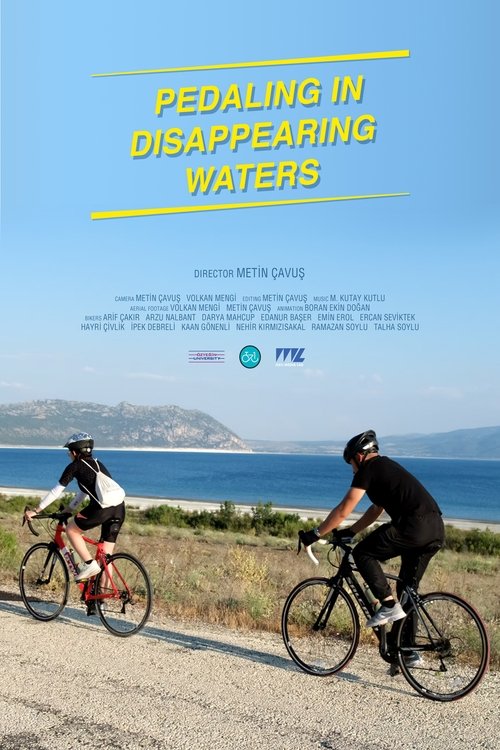
Twelve students from Istanbul Özyegin University's Bicycle Club embark on a cycling journey around seven lakes in the Mediterranean region to raise awareness about the severe droughts affecting the area.
Documentary which follows the construction of a trailblazing 36,000-tonne steel structure to entomb the ruins of the nuclear power plant destroyed in the 1986 Chernobyl disaster.
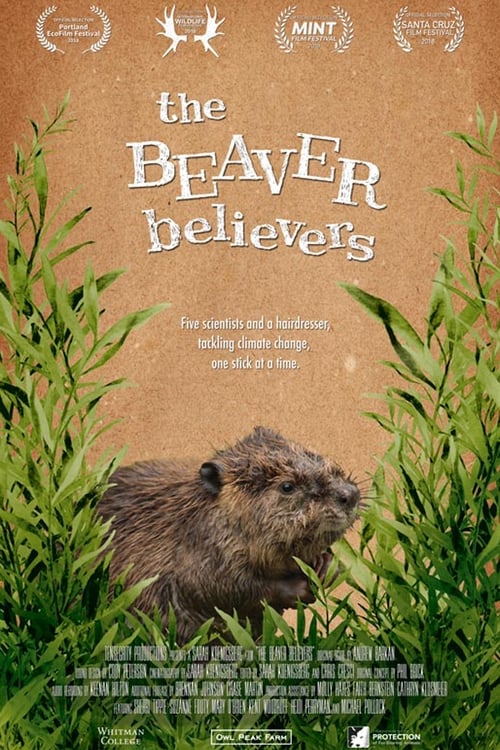
Five scientists and a hairdresser, tackling climate change, one stick at a time.
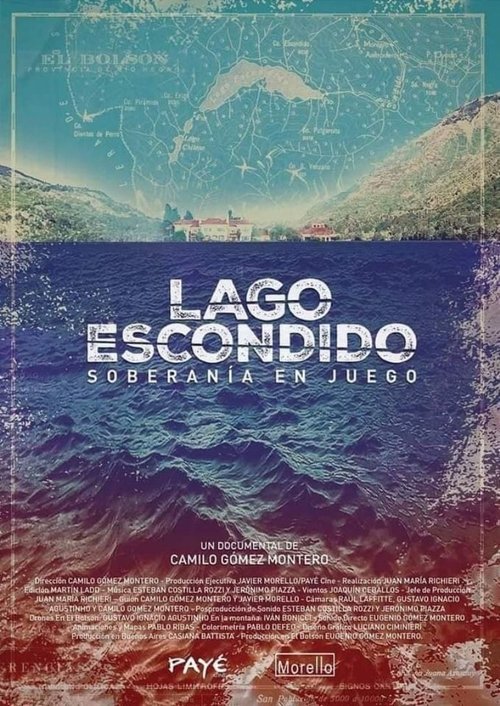
A group of Argentines try to reach Lago Escondido, in the south of their own country, where the British billionaire Joe Lewis has created a fiefdom of twelve thousand hectares that functions as a parallel state. This documentary narrates the Seventh March to Lago Escondido in 2023, with a camera that records the events directly, but also investigates dark geopolitical interests, business/judicial lobbies and the complicity of some sectors of Argentine politics with foreign interests.
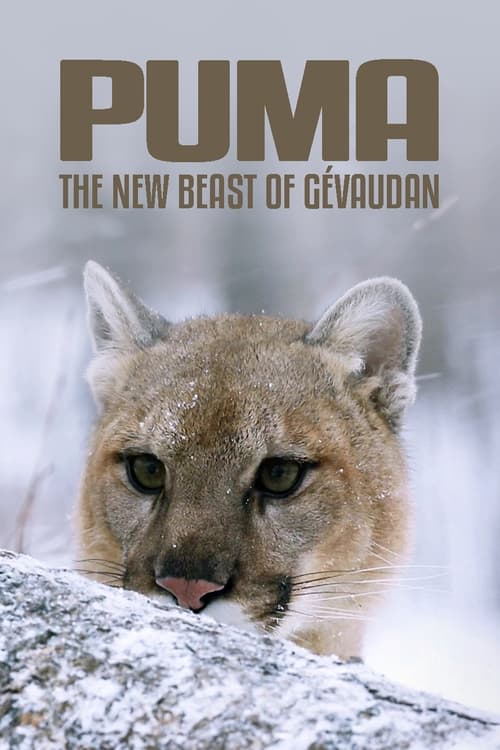
In the heart of southern France there is a fog-prone area where, according to legend, a bloodthirsty creature wreaked havoc 250 years ago. A rumor is spreading again in this legendary place, as eyewitnesses report an animal with large paws and a long tail that crosses roads in a single leap - powerful enough to tear down a horse and leave it mutilated in the pasture. Is the Beast of Gévaudan back? The animal photographer Bruno Loisel has a supposedly more rational explanation. The animal that fits the descriptions could be a cougar, but this species of big cat is only native to America. In order to learn the proper techniques for tracking down the puma, he travels to Canada, where he accompanies a team of researchers dedicated to studying the shy, almost invisible predator. Will Bruno be able to use his findings to solve the mystery of the new beast of Gévaudan?
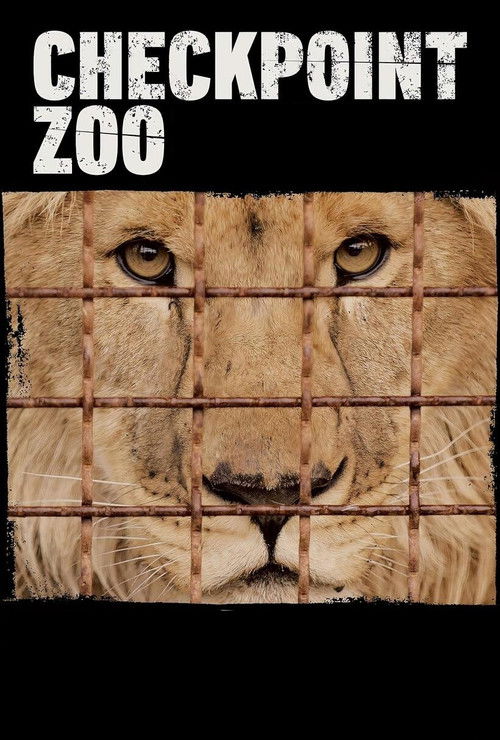
Checkpoint Zoo documents a daring rescue led by a heroic team of zookeepers and volunteers, who risked their lives to save thousands of animals trapped in a zoo behind enemy lines in the Russian Invasion of Ukraine.
An organic farmer in Maine sets out to transform the prison food system. Seeds of Change captures the intersecting stories of life-long farmer Mark McBrine and several incarcerated men as they harvest their own meals from a five-acre prison garden unlike any other.
Every year, thousands of Antarctica's emperor penguins make an astonishing journey to breed their young. They walk, marching day and night in single file 70 miles into the darkest, driest and coldest continent on Earth. This amazing, true-life tale is touched with humour and alive with thrills. Breathtaking photography captures the transcendent beauty and staggering drama of devoted parent penguins who, in the fierce polar winter, take turns guarding their egg and trekking to the ocean in search of food. Predators hunt them, storms lash them. But the safety of their adorable chicks makes it all worthwhile. So follow the leader... to adventure!!
A documentary on Al Gore's campaign to make the issue of global warming a recognized problem worldwide.
Documentary about finches of the Galápagos Islands.
No Cast found.