No Cast found.
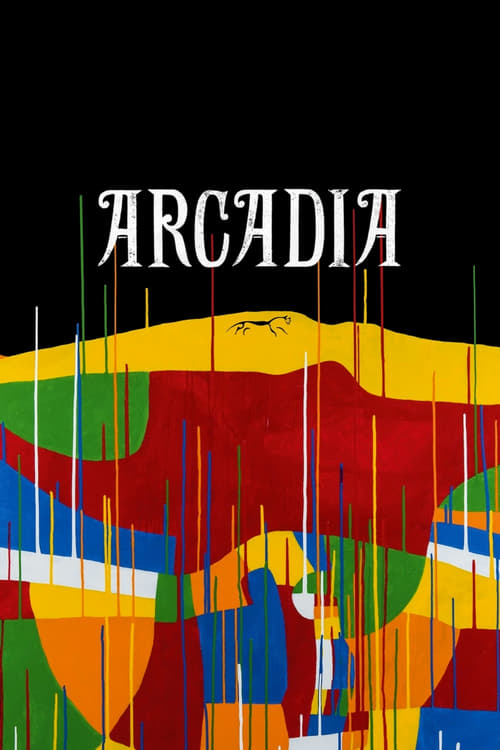
A provocative and poetic exploration of how the British people have seen their own land through more than a century of cinema. A hallucinated journey of immense beauty and brutality. A kaleidoscopic essay on how magic and madness have linked human beings to nature since the beginning of time.
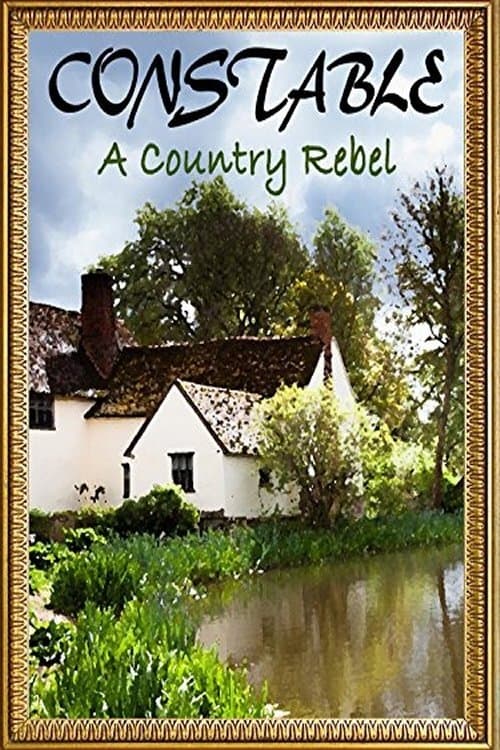
The Haywain by John Constable is such a comfortingly familiar image of rural Britain that it is difficult to believe it was ever regarded as a revolutionary painting, but in this film, made in conjunction with a landmark exhibition at the V&A, Alastair Sooke discovers that Constable was painting in a way that was completely new and groundbreaking at the time. Through experimentation and innovation, he managed to make a sublime art from humble things and, though he struggled in his own country during his lifetime, his genius was surprisingly widely admired in France.
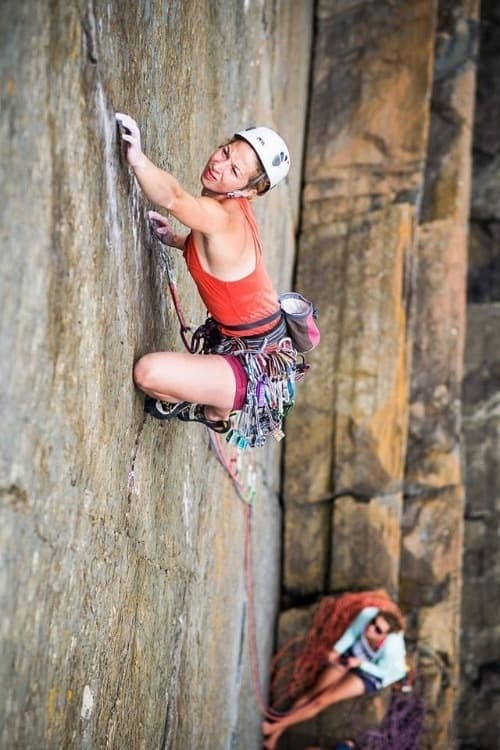
Best friends Hazel Findlay and Maddy Cope journey to the rocky outer reaches of Mongolia, on a quixotic search for new trad routes.
Take a revealing tour along a coast of contrasts, from the folksy freshness of Whitby to the coaly Tyne, queen of all rivers.
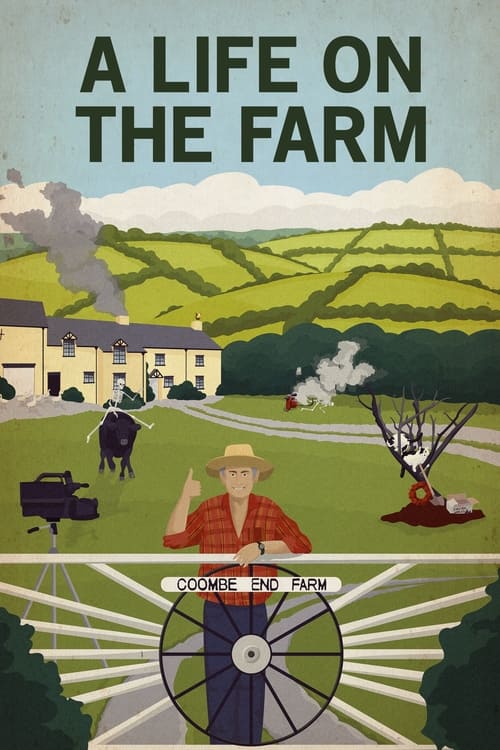
A strange story from Somerset, England about a filmmaking farmer and the inspiring legacy of his long-lost home movies.
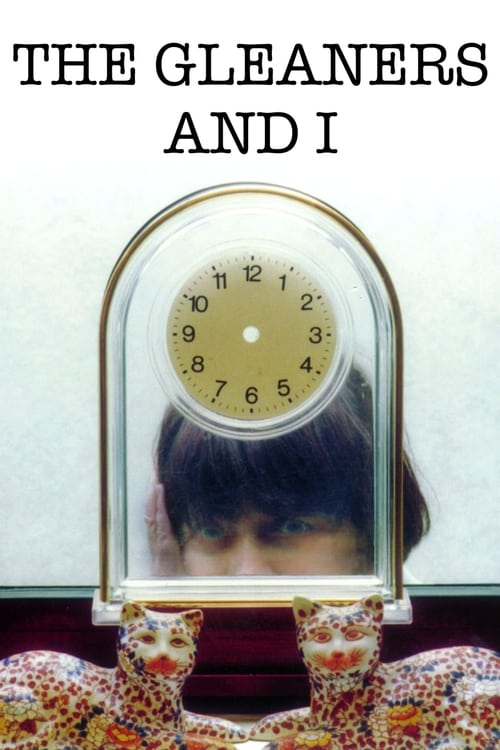
Varda focuses her eye on gleaners: those who scour already-reaped fields for the odd potato or turnip. Her investigation leads from forgotten corners of the French countryside to off-hours at the green markets of Paris, following those who insist on finding a use for that which society has cast off, whether out of necessity or activism.
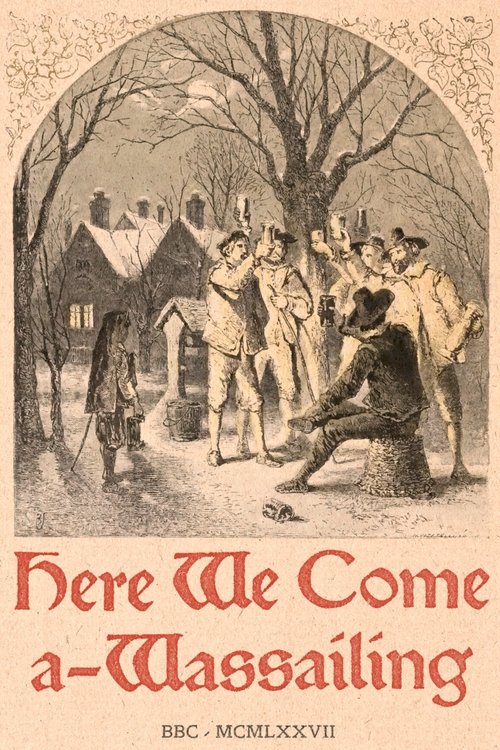
A documentary on the surviving syncretic pagan midwinter customs of the British Isles, focusing on nine ritual celebrations ranging from the Moray Firth in the north, the Somerset Levels in the south, Humberside in the east, and County Kerry in the west. Featuring music by the Albion Band and narration by John Tams.
Five fragments of observation and sensations during a journey with Gorneton's trail in Seyssuel, Isère. A work-in-progress with sounds, the interest of light and the solitude of a digital camera.
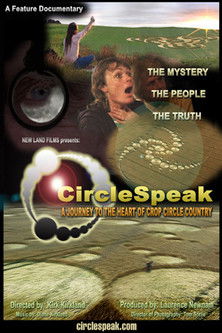
Shot in Southern England over the course of six weeks by a crew of three American filmmakers, CircleSpeak offers a nuanced look at the passions and beliefs of the people immersed in the crop circle phenomenon during the season of 2001. This feature-length documentary presents interviews with serious “researchers”, self-proclaimed “hoaxers”, local farmers and villagers who are all, in one way or another, involved in this strange and compelling summer spectacle taking place year after year.
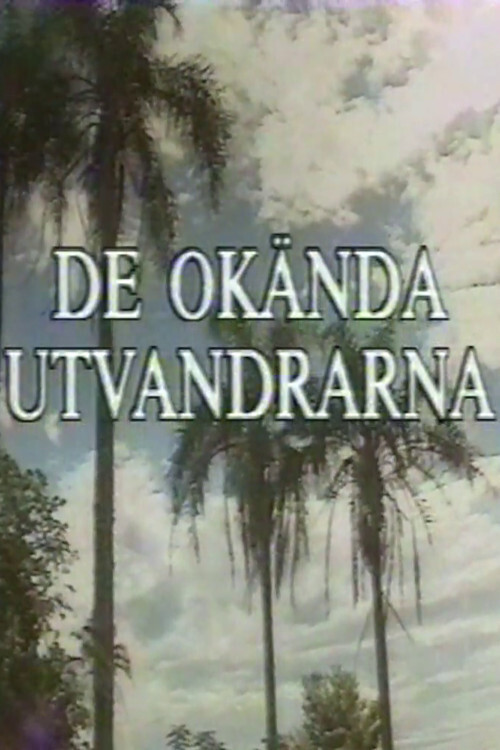
Documentary about Swedish emigration to Argentina via Brazil.
A bitter postcard of the town of the Buenos Aires countryside that Argentinean writer Manuel Puig (1932-90) portrayed with singular mastery, based on his own land, a town named General Villegas. Its inhabitants never forgave him. However, a woman, owner of a painful and enigmatic past, will build a bridge between Coronel Vallejos, the town created by Puig, and the real General Villegas, trying to reconcile the place with the writer.
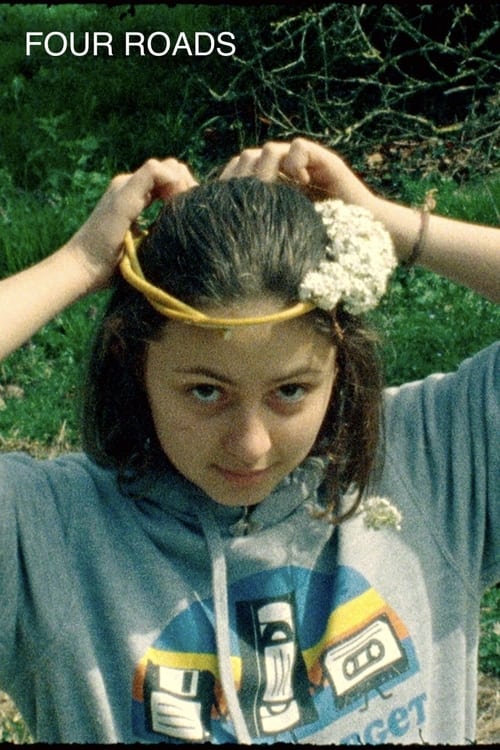
In the absence of any physical connection, this short explores alternative forms of contact among neighbors by making use of an old 16mm camera, a zoom lens, and a few meters of expired film.
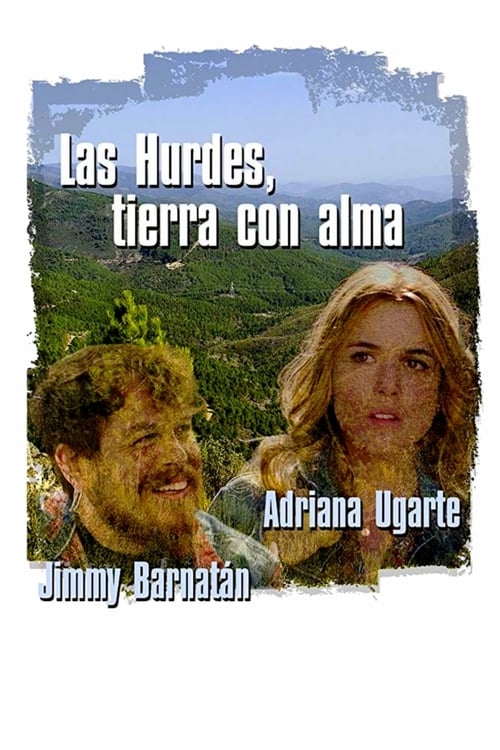
A modern answer to Luis Buñuel's mythical documentary “Land Without Bread” (1933) about Las Hurdes, a historically impoverished region of the province of Cáceres, in Extremadura, Spain, and also a journey of discovery of the soul of this beautiful land and its inhabitants.
Benoît built his paradise hidden from view, emancipated in his own way, resolved to face the constraints of a space which, in imaginations, conflicts with his identity. The countryside. One day, he and other queers from the area decide to organize the first Pride of the Périgord vert, because it is time to come out, to take up space to celebrate, heal, and finally open a path.
Accompanied by the songs of singer-songwriter José Antonio Labordeta, a poetic journey through the inhospitable shire of the Monegros, located in the region of Aragón, in Spain, in search of peace and isolation.
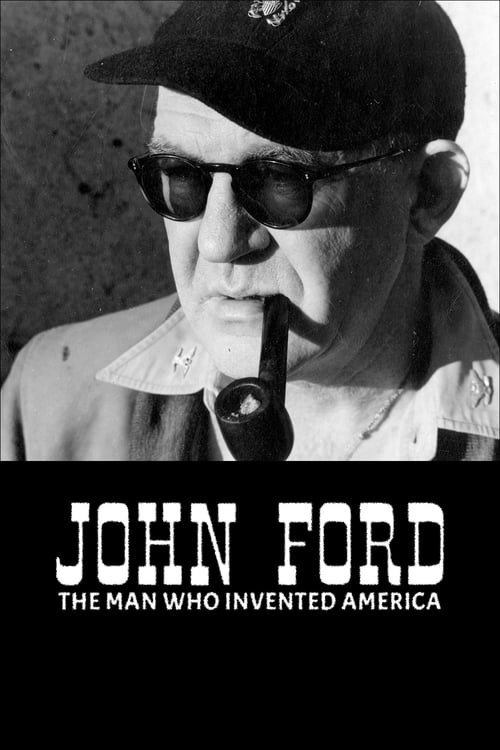
Over a 50-year career and more than a hundred movies, filmmaker John Ford (1894-1973) forged the legend of the Far West. By giving a face to the underprivileged, from humble cowboys to persecuted minorities, he revealed like no one else the great social divisions that existed and still exist in the United States. More than four decades after his death, what remains of his legacy and humanistic values in the memory of those who love his work?
No overview available.
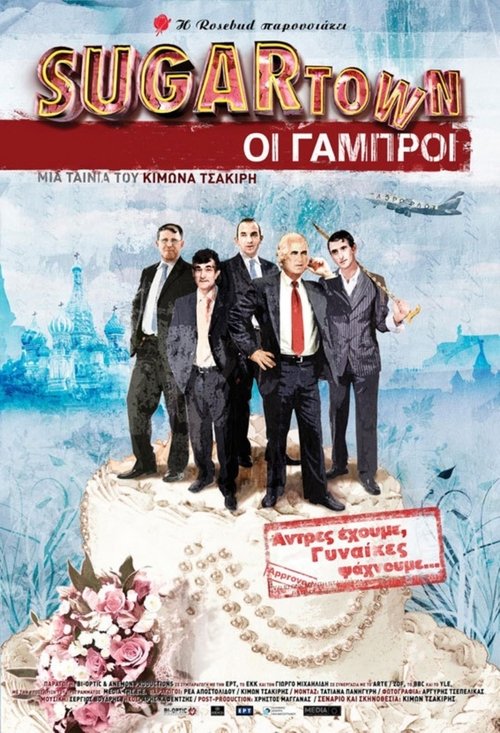
In the Greek village of Sugar Town, men have a serious problem. Women are fleeing the area in search of work or marriage in the big cities, leaving them behind - and lonely. Fully aware of the men’s dire situation, the astute mayor of Sugar Town promises to find them wives in Russia, as part of his re-election campaign. Against the odds and local traditions which frown upon mixed marriages, the bridegrooms from SugarTown set out on a great journey to find their future brides and happiness.
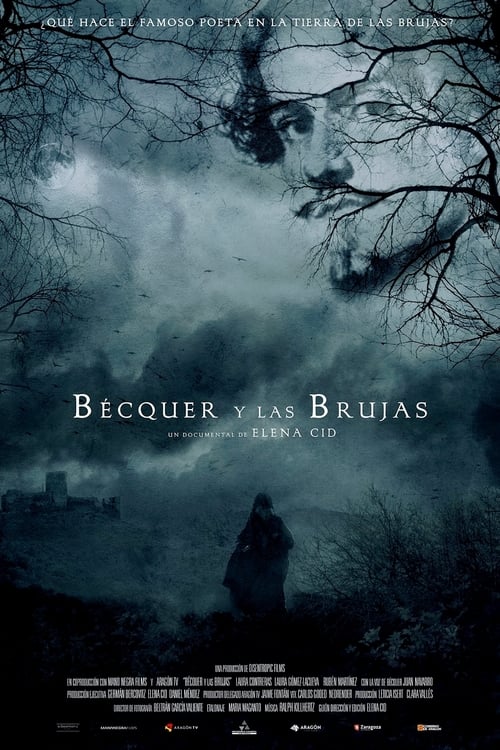
In 1864, the Spanish poet Gustavo Adolfo Bécquer (1836-70), suffering from health problems, retires to the monastery of Veruela. Far from the noise and worldly activity of the capital, he immerses himself in the landscape of the mysterious Moncayo mountain. There, he discovers a new world full of legends that converge in a small village located at the foot of the mountain: Trasmoz, the Village of the Witches, the only officially cursed village in Spain.
No Trailers found.