No Trailers found.
This short documentary illustrates rural French Canadian life in the early 1940s. The film follows Alexis Tremblay and his family through the busy autumn days as they bring in the harvest and help with bread baking and soap making. Winter sees the children revelling in outdoor sports while the women are busy with their weaving, and, with the coming of spring young and old alike repair to the fields once more to plough the earth in preparation for another season of varied crops. One of the first NFB films to be produced, directed, written and shot by women.
No overview available.
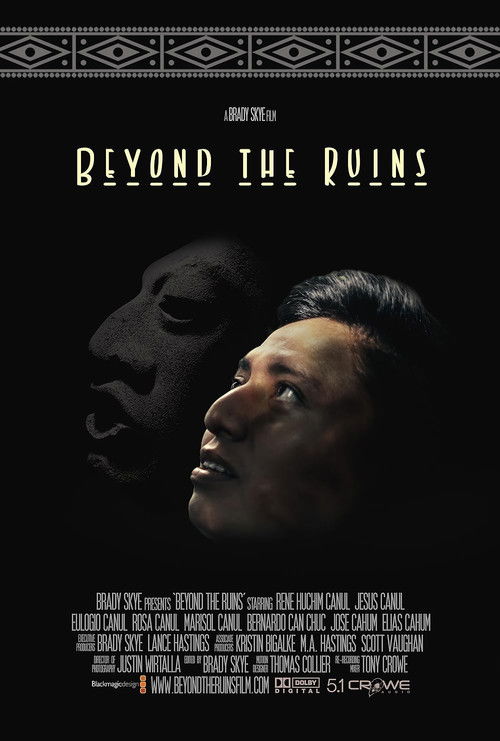
Embark on a captivating journey that delves into the essence of Yucatecan Maya life in the 21st century. This feature-length documentary unfolds against the backdrop of Coba, the second largest Maya ceremonial center in the ancient world. From this archaeological marvel, the film ventures deep into the lush jungles and intimate villages, offering a poignant exploration of two indigenous families committed to preserving their rich heritage. At its core, Beyond the Ruins weaves a tapestry that illuminates the profound interconnectedness of existence, as mirrored in the ancient Maya philosophy of "in lak' ech, a lak' en" - where "I am you; you are me." The film not only resurrects a vibrant but often overlooked culture; it also invites viewers to contemplate the universal lessons embedded in Maya wisdom. Through this evocative lens, audiences discover not only a living legacy but also a source of inspiration to enhance their own quality of life.
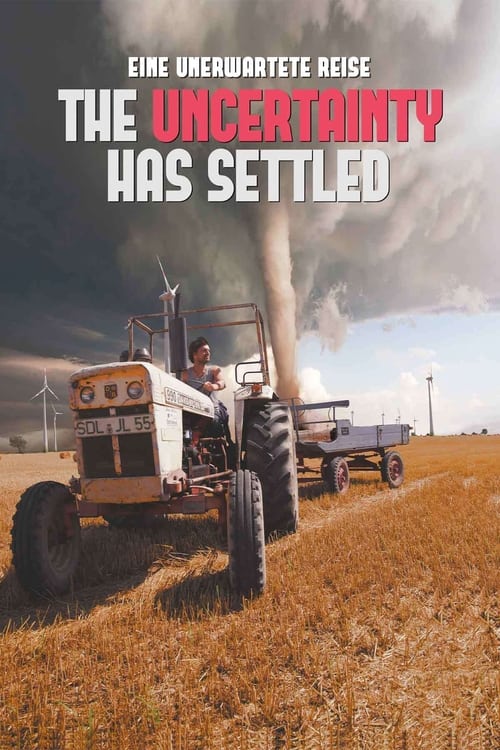
Agriculture and its perspective in modern times. The change from farmers to energy supplier raise questions. Are we doing the right thing?
A fascinating new look at the biblical, historical, and scientific evidence for Creation and the Flood. Learn from more than a dozen scientists and scholars as they explore the world around us in light of Genesis. Dr. Del Tackett, creator of The Truth Project, hikes through canyons, climbs up mountains, and dives below the sea in an exploration of two competing views... one compelling truth.
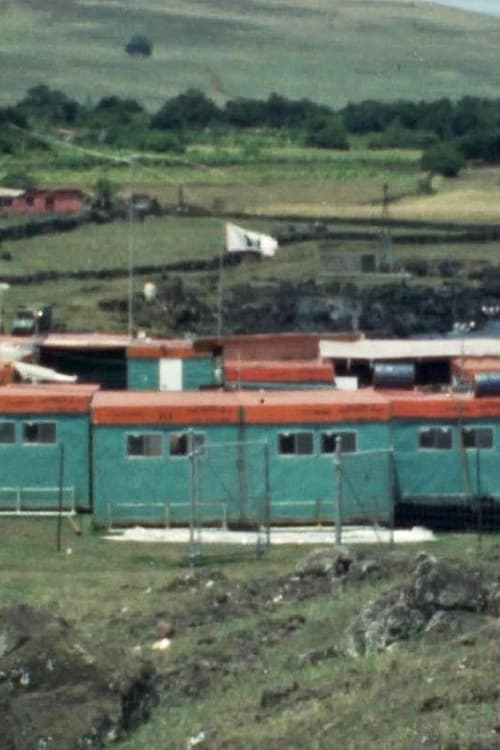
A film record of M.E.T.E.I. (Medical Expedition to Easter Island), one of the most unusual scientific enquiries ever launched, headed by a McGill University research team. While the film is concerned mainly with the physical condition of Easter Islanders, it also provides glimpses of island activities, a village wedding, and the famous long-faced stone sculptures.
This documentary chronicles agricultural resistance and the fight for food sovereignty in Burkina Faso – a small, landlocked country in West Africa. Showcasing activist farmers, students, artists and leaders in the local Slow Food movement, the film looks at how the Burkinabé people are reclaiming their land and defending their traditions against the encroachment of corporate agribusiness. From women gaining economic independence by selling artisanal “dolo” beer, to youth marching in the streets against companies like Monsanto, to hip-hop musicians setting up their own farms and reviving the revolutionary spirit of Thomas Sankara through their music, Burkinabè Bounty shows the creative tactics people are using to take back control of their food, seeds, and future.
The landscape of the olive grove is the protagonist of the Mediterranean territory and is shown in this documentary at ground level and from a bird's eye view, in different unique locations of the Iberian Peninsula. From the Somontano de Barbastro in Aragón, to the south of Andalusia, with a sea of olive trees, in the mountain ranges or in the fertile plains and riverbanks. A humanized territory that, for centuries, has been sculpting history and this, not only giving a characteristic identity to our landscape, but also outlining the gastronomic tradition and culture of the Mediterranean.
Training for tank drivers in training. The techniques for overcoming obstacles and driving through restricted passageways are taught.
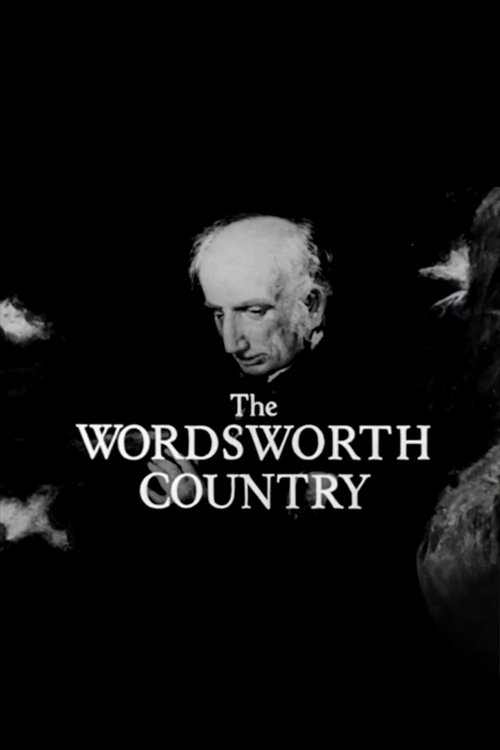
A look at the Lake District and its famous poet.
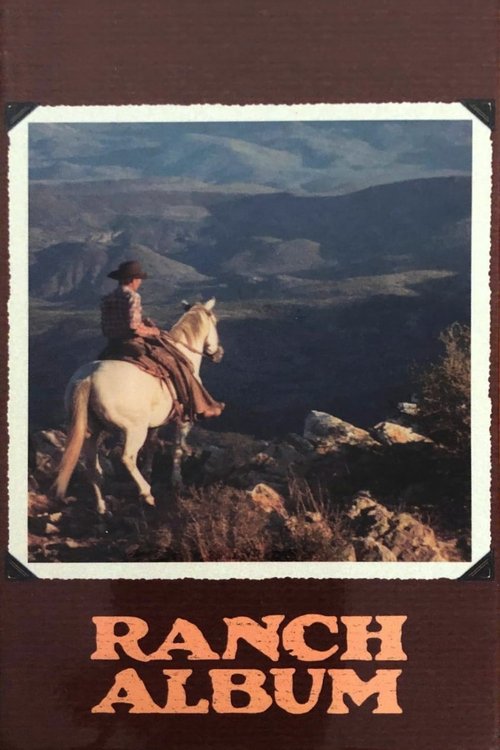
Ranch Album depicts real cowboy life and rough country ranching in Northern Arizona season by season, revealing a sense of spirit and culture that have survived in the American west for a very long time.
Educational short film
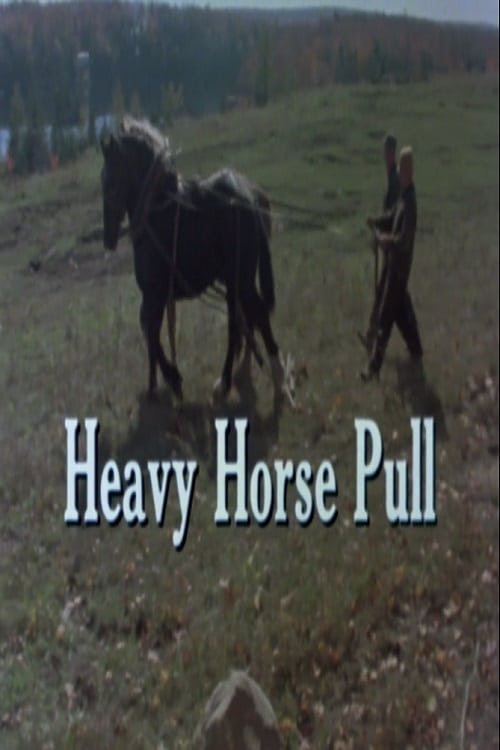
This short documentary offers a humorous look at horse-pulling contests in Ontario and the people who prepare for them. We travel from the farm to the contest, where excitement runs high and the quips do not lack in local colour. Which of these magnificent creatures will be able to pull the heaviest load and win the prize?
A primer on proper phone manners produced for the New Zealand Post Office.
Patrick Kielty explores the untold story of Harry Ferguson and Henry's Ford's remarkable handshake agreement and how it led to a $250 million lawsuit.
An educational short film about correct speaking methods.
Commentary (voice)