A pandemic, a warzone, and a government in denial
No Trailers found.
No Cast found.
No overview available.
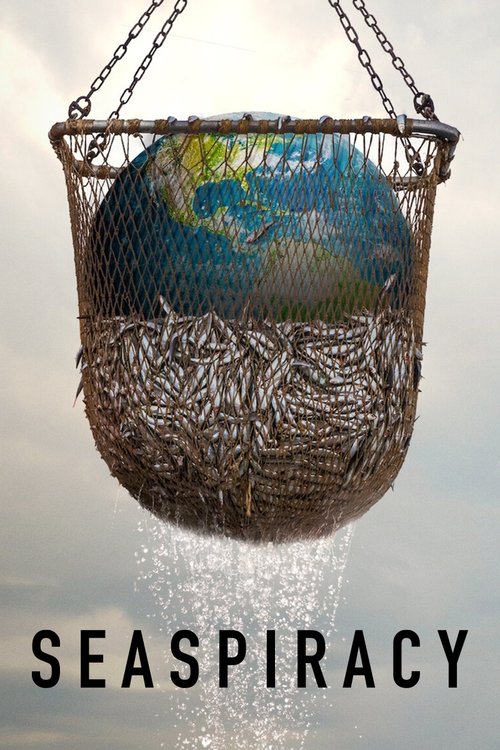
Passionate about ocean life, a filmmaker sets out to document the harm that humans do to marine species — and uncovers an alarming global conspiracy.
In Pakistan, veils hide one of the country's most terrible secrets. Driven by revenge, jealousy or sexual non-co-operation some men subject their wives to horrific attacks with acid that is freely available in the street. Completely disfigured, the victims are often ostracized by their families and become prisoners in their own home. This chilling documentary is a terrifying insight into the shattered lives of these women.
Pussy Riot make a comeback after a long absence to stand with Ukraine. Their story and their struggle are told through archival footage and interviews with the group’s members.
Will bring together stories that celebrate their contributions to British life and culture, as well as shedding light on the reality of the struggle many faced to gain citizenship despite having lived and paid taxes in the UK for many years as a result of what became known as the Windrush scandal.
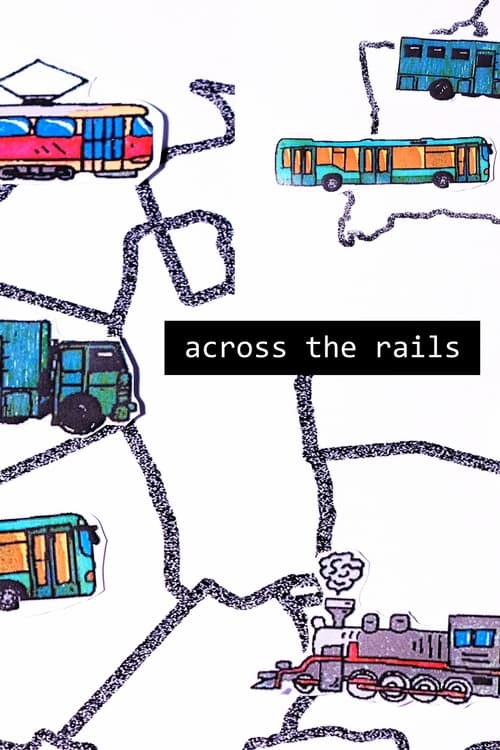
2021 was a turning point for Belarus and 6 Belarusian students - as well as for the city of Łódź, Poland, in which they found themselves. Across the rails of change and transformation, documenting a time that has not been before and will not repeat again. Heroes of the film have very different fates and experiences, but they are all connected by the place they found themselves in - the post-industrial and post-apocalyptic city, which becomes a part of their story and a hero of its own. Students, transport, quaters, youth, revolution, local apocalypse, changes and turns - they all mix in a documentary kaleidoscope 'Across the Rails'.
As the Internet finally arrives in tiny Bhutan, documentarian Thomas Balmès is there to witness its transformative impact on a young Buddhist monk whose initial trepidation gives way to profound engagement with the technology.
In French Polynesia, transgender people evolve with apparent fluidity in all components of society. Their presence, observed as early as the 18th century by Western travelers and missionaries, has never ceased to intrigue and fascinate, producing over time numerous myths that the transgender women and men of Polynesia are today attempting to deconstruct. Through a series of luminous and intimate portraits, this documentary gives them a voice and proposes a rereading of gender issues in the light of Oceanian thought: an obvious enrichment.
Guy Debord's analysis of a consumer society.
The Jewish Historical Society of Fairfield County in Connecticut's documentary featuring family stores in Stamford, Connecticut from their peak years as the center of downtown business through the early years of urban redevelopment and its impact.
In the week when Hindus celebrate the holy festival of Diwali, this documentary tells the story of one of their faith's most sacred symbols - the swastika. For many, the swastika has become a symbol synonymous with the Nazis and fascism. But this film reveals the fascinating and complex history of an emblem that is, in fact, a religious symbol, with a sacred past. For the almost one billion Hindus around the world, the swastika lies at the heart of religious practices and beliefs, as an emblem of benevolence, luck and good fortune.
Festival panafricain d'Alger is a documentary by William Klein of the music and dance festival held 40 years ago in the streets and in venues all across Algiers. Klein follows the preparations, the rehearsals, the concerts… He blends images of interviews made to writers and advocates of the freedom movements with stock images, thus allowing him to touch on such matters as colonialism, neocolonialism, colonial exploitation, the struggles and battles of the revolutionary movements for Independence.
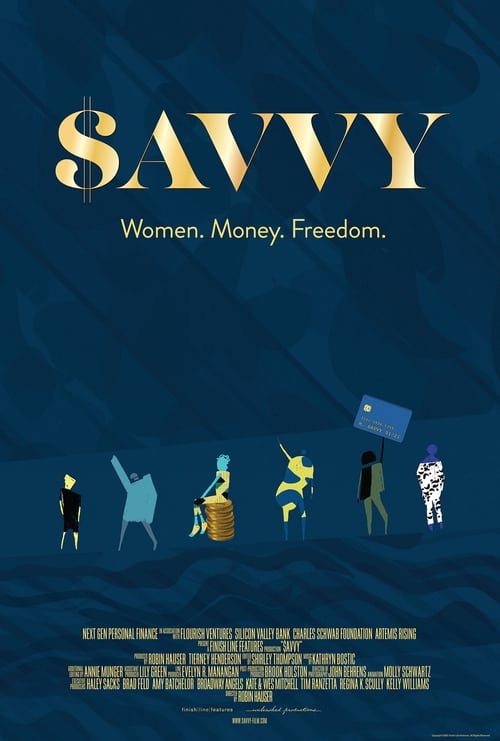
$avy investigates the historical, cultural, and societal norms around women and money.
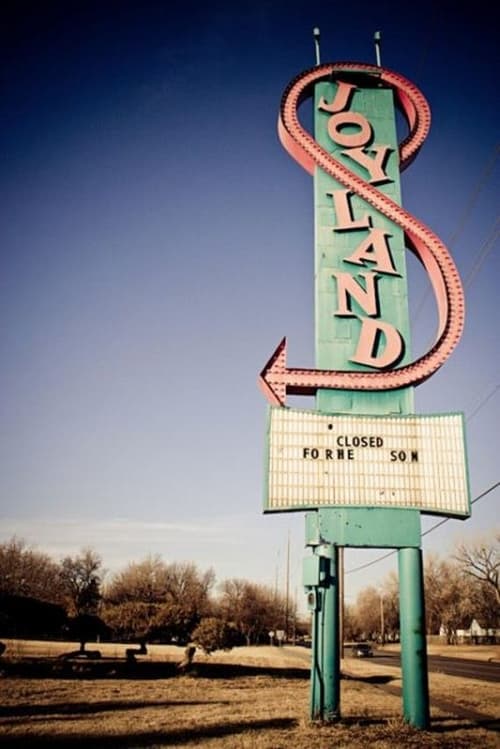
If you grew up in Wichita, Joyland was an important part of your childhood. This documentary tells the epic story of the rise and fall of Wichita’s most famous amusement park, Joyland. Viewers will see historic, never-before-broadcast film clips of the park in its heyday. And learn the story behind the story of this once-great destination that helped define childhood for generations of Kansans. You’re sure to experience a roller coaster of emotions as you watch this dramatic, fun, and heartfelt ode to one of the most-fondly remembered places in Wichita history.
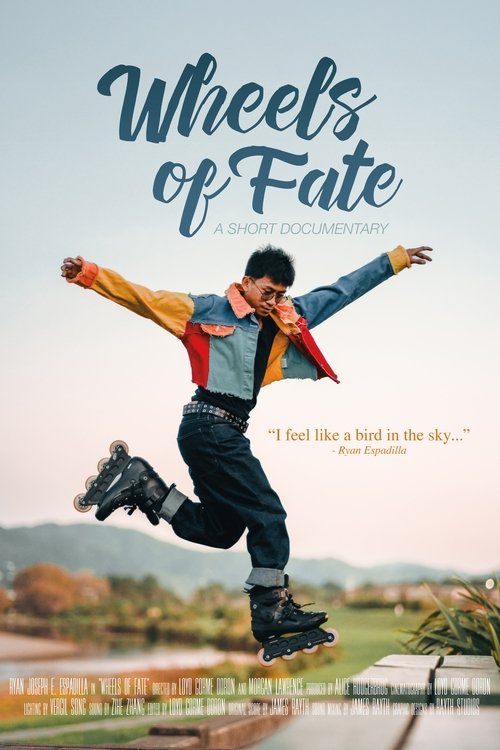
Wheels of Fate is a short documentary film about identity, belonging and acceptance. It reflects on Ryan Espadilla's experience immigrating to New Zealand. This film features the euphoria and sanctuary of inline skating as Ryan reveals inner struggles, trials and aspirations as he journeys towards a sense of belonging. It captures observation that speaks to the intricacies of the immigrant experience and the passion of inline skating.
Documentary on the Mayan culture.