As anti-racism movements sweep the globe, young people are pushing for political action, drawing our attention to the racialised power structures embedded within society. Change is on the horizon.
No Cast found.
No Trailers found.
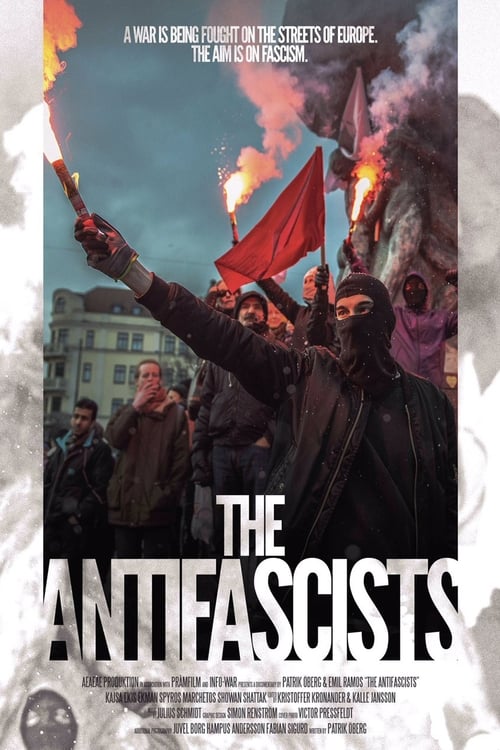
A low-intensity war is being fought on the streets of Europe and the aim is on fascism. This critically acclaimed documentary takes us behind the masks of the militants called antifascists. In 2013 a group of armed nazis attacks a peaceful demonstration in Stockholm where several people are injured. In Greece the neo-nazi party Golden Dawn becomes the third largest in the election and in Malmö the activist Showan Shattak and his friends are attacked by a group of nazis with knives and he ends up in a coma. In this portrait of the antifascists in Greece and Sweden we get to meet key figures that explain their view on their radical politics but also to question the level their own violence and militancy.
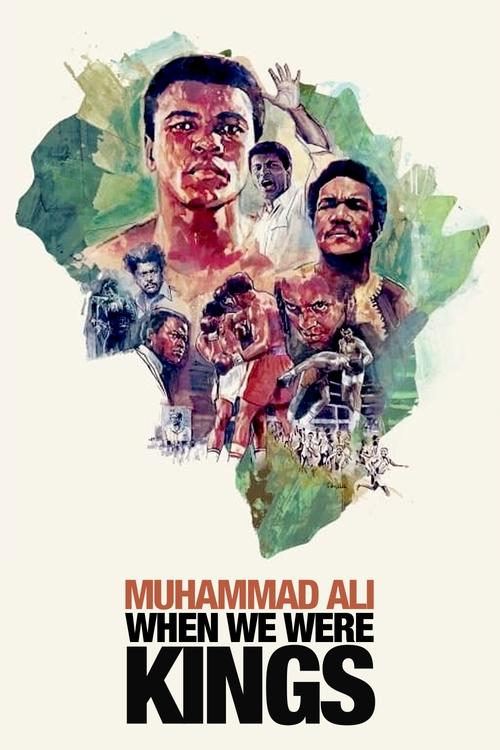
It's 1974. Muhammad Ali is 32 and thought by many to be past his prime. George Foreman is ten years younger and the heavyweight champion of the world. Promoter Don King wants to make a name for himself and offers both fighters five million dollars apiece to fight one another, and when they accept, King has only to come up with the money. He finds a willing backer in Mobutu Sese Suko, the dictator of Zaire, and the "Rumble in the Jungle" is set, including a musical festival featuring some of America's top black performers, like James Brown and B.B. King.
In 1967, Visconti came to Algiers for the filming of The Stranger with Mastroianni and Anna Karina. Camus, during his lifetime, had always refused to allow one of his novels to be brought to the screen. His family made another decision. The filming of the film was experienced in Algiers, like a posthumous return of the writer to Algiers. During filming, a young filmmaker specializing in documentaries Gérard Patris attempts a report on the impact of the filming of The Stranger on the Algerians. Interspersed with sequences from the shooting of Visconti's film, he films Poncet, Maisonseul, Bénisti and Sénac, friends of Camus, in full discussions to situate Camus and his work in a sociological and historical context. “The idea is for us to show people, others, ourselves as if they could all be Meursault, or at least the witnesses concerned to his drama.”
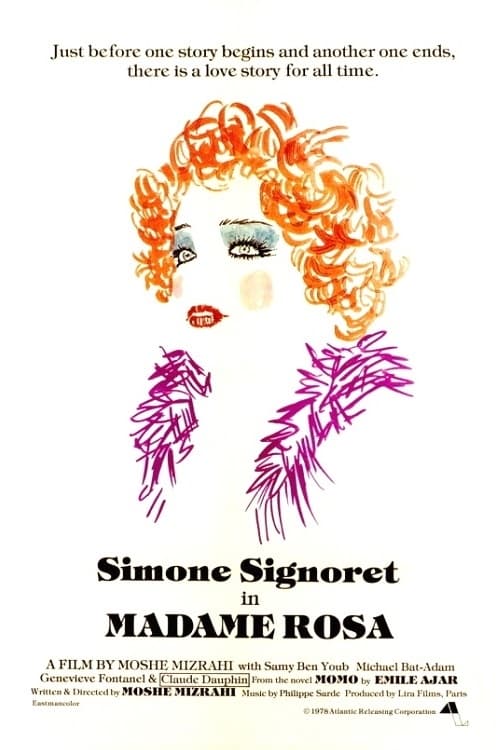
Madame Rosa lives in a sixth-floor walkup in the Pigalle; she's a retired prostitute, Jewish and an Auschwitz survivor, a foster mom to children of other prostitutes. Momo is the oldest and her favorite, an Algerian lad whom she raises as a Muslim. He asks about his parents; she answers evasively. As she ages and takes fewer children, Momo must do more for her; as money is tight, he tries to earn pennies on the street with a puppet. He's a beautiful man-child, and Madame Rosa makes him promise never to sell himself or become a pimp. A film editor, Nadine, befriends him, and his father appears as well. Madame Rosa reaches her last days in fear of hospitals, and Momo must act.
No overview available.
Jessica has little time to be a mother. It is on public transport - on the way between Nova Iguaçu and the South Zone of Rio - that she spends most of her time with her son Zeca. Young and black, Jéssica is always in a hurry: in addition to being a single mother, she is also a university student and intern at an advertising agency. Nothing comes easy for her. A former public school student, Zeca now has a scholarship to an elite school in Gávea, but he is no longer the happy, communicative child he once was.
“DISCIPLES” is a new Dazed film by Jess Kohl exploring the subcultural world of Malaysian skinheads including the traditional, SHARP skins, and Nazis.
In Brussels, Belgium, the Royal Museum of Central Africa is undertaking a radical renovation, both physical and ethical, to show with sincerity, crudeness and open-mindedness the reality of the atrocities perpetrated against the inhabitants of the Belgian colonies in Africa, still haunted and traumatized by the ghost of King Leopold II of Belgium, a racist and genocidal tyrant.
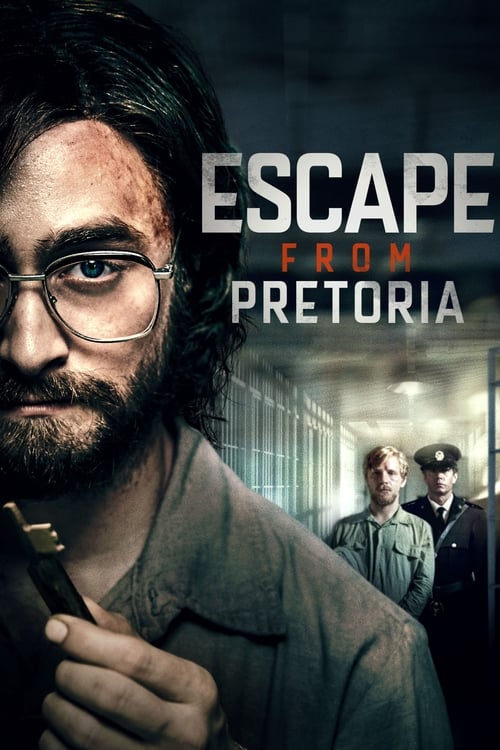
South Africa, 1978. Tim Jenkin and Stephen Lee, two white political activists from the African National Congress imprisoned by the apartheid regime, put a plan in motion to escape from the infamous Pretoria Prison.
A man arrives at an unknown home with an unknown agenda.
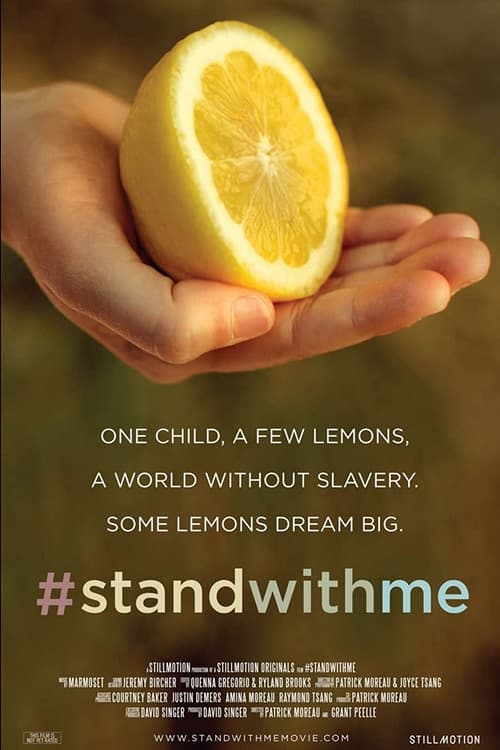
#standwithme examines the realities of modern-day slavery, the role we play in it as consumers, and the importance of knowing the story behind what we buy. After seeing a photo of two enslaved boys in Nepal, Vivienne Harr is moved to help in the only way she knows how: by setting up her lemonade stand. As Vivienne's vision begins to show promise for something greater, she and her family must fight to avoid supporting the very thing they are up against.
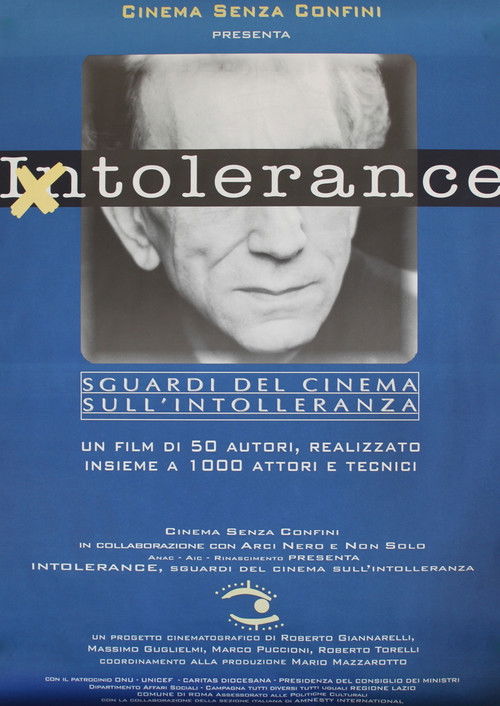
A collective cinematic project to promote tolerance and the value of diversity.
The woman’s life who owns a pet changes overnight. “That Also Breathes” is a short film that will make you rethink your animal treatment and know that all animals have the right to live and breathe.
The world knows the image of the good Canadian. But what if there was a dark secret behind a national identity? THE GOOD CANADIAN exposes the truth behind the idea of a True North strong and free. In this unflinching and eye-opening documentary, directors Leena Minifie and David Paperny move us through the corridors of systemic inequity, from the Indian Act to residential schools, to modern-day family separation. Fusing shocking footage with detailed interviews with experts, advocates, whistleblowers and politicians, THE GOOD CANADIAN challenges national myth-making, while offering Canadians the chance to forge a new identity from the truth.
Upon his death, a young African director, Abramo Malonga, bequeathed his first and last unfinished film to his former teacher, the Italian director Fausto Morelli. Morelli, who after seeing the work, is confronted with a confusing, complex and, in part, incomprehensible work. Helped by the young widow of Abramo Malonga and by the notes left by his deceased friend, and again by his personal memories, the Italian director attempts to reconstruct and complete the film. Fausto's work progresses with difficulty, not only because of the problems the film poses for him, but because of the problems that arise in his daily life. After a long crisis, after which he returns to Pisa with his former party companions and abandons himself to love and his own solitude, Fausto takes up the work of his African friend, closing it with a final invention, in which , with a bold metaphor, has refigured the human condition of our time.
A filmmaker witnesses an act of racist police violence in Paris. He discusses with a friend whether and how he should make a film out of this.
A man that is a stranger, is an incredibly easy man to hate. However, walking in a stranger’s shoes, even for a short while, can transform a perceived adversary into an ally. Power is found in coming to know our neighbor’s hearts. For in the darkness of ignorance, enemies are made and wars are waged, but in the light of understanding, family extends beyond blood lines and legacies of hatred crumble.
A collectively made filmic opera in 35 parts. The Black and predominantly queer art collective, an evolving line up of poets and artists from across the world, abstracts and reimagines opera in any traditional conception. Set to hip-hop, blues, noise, R&B and electronica, the piece uses the voice (chanting, singing, screaming; written by poet and activist Dawn Lundy Martin) as its primary tool, verbalising centuries of alienation, vulnerability and protest in the global African diaspora through its disruptive libretto.
Pilot JP Schulze and filmmaker Louis Cole set off to circumnavigate the world in a single-engine, 1974 Cessna T210L airplane named Balloo. They had 90 days to complete the journey, and as they traveled they met people from many different cultures and asked them - is what divides us greater than what brings us together?
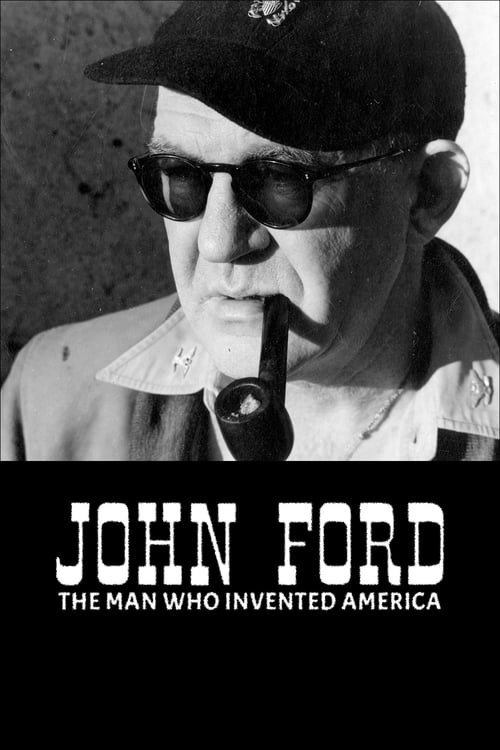
Over a 50-year career and more than a hundred movies, filmmaker John Ford (1894-1973) forged the legend of the Far West. By giving a face to the underprivileged, from humble cowboys to persecuted minorities, he revealed like no one else the great social divisions that existed and still exist in the United States. More than four decades after his death, what remains of his legacy and humanistic values in the memory of those who love his work?