No Trailers found.
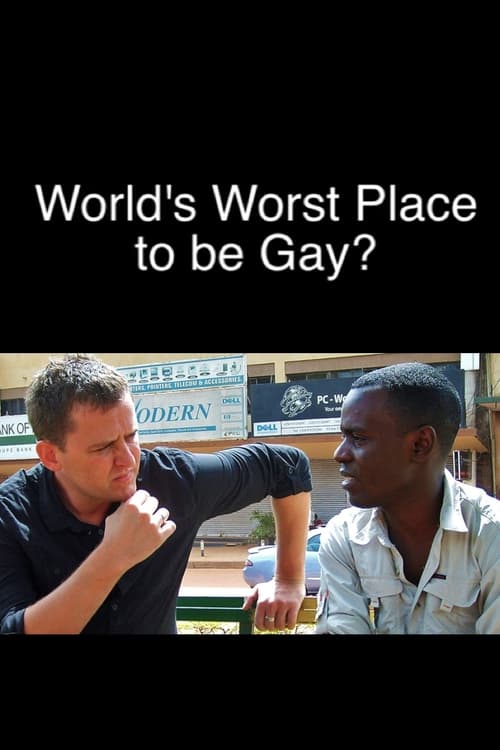
Scott Mills travels to Uganda where the death penalty could soon be introduced for being gay. The gay Radio 1 DJ finds out what it's like to live in a society which persecutes people like him and meets those who are leading the hate campaign.
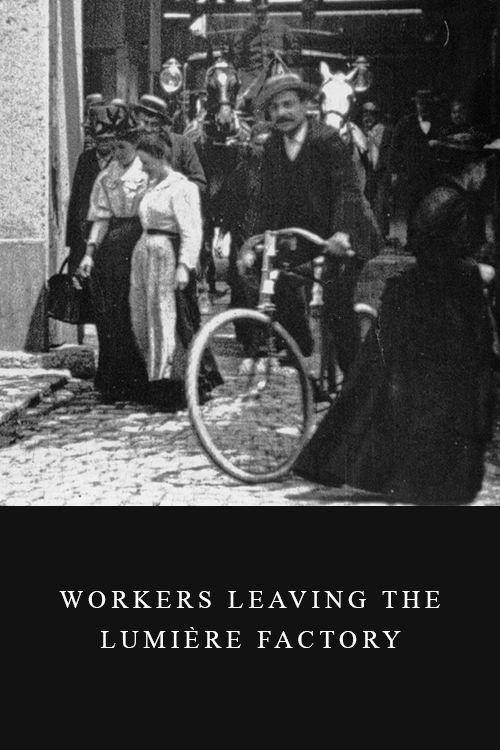
Working men and women leave through the main gate of the Lumière factory in Lyon, France. Filmed on 22 March 1895, it is often referred to as the first real motion picture ever made, although Louis Le Prince's 1888 Roundhay Garden Scene pre-dated it by seven years. Three separate versions of this film exist, which differ from one another in numerous ways. The first version features a carriage drawn by one horse, while in the second version the carriage is drawn by two horses, and there is no carriage at all in the third version. The clothing style is also different between the three versions, demonstrating the different seasons in which each was filmed. This film was made in the 35 mm format with an aspect ratio of 1.33:1, and at a speed of 16 frames per second. At that rate, the 17 meters of film length provided a duration of 46 seconds, holding a total of 800 frames.
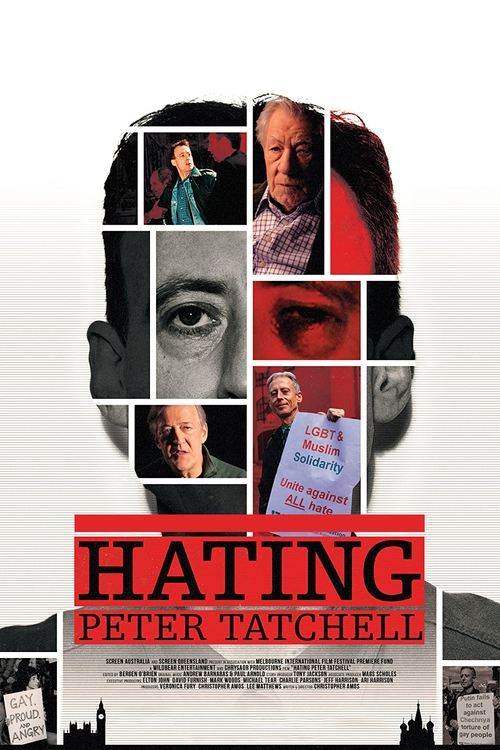
The powerful and inspiring true story of the controversial human rights campaigner whose provocative acts of civil diso bedience rocked the British establishment, revolutionised attitudes to homosexuality and exposed world tyrants. As social attitudes change and history vindicates Peter's stance on gay rights, his David versus Goliath battles gradually win him status as a national treasure. The film follows Peter as he embarks on his riskiest crusade yet by seeking to disrupt the FIFA World Cup in Moscow to draw attention to the persecution of LGBT+ people in Russia and Chechnya.
Tilly, Miah and Safa are three young women who endure debilitating period pain. Following an adolescence with little menstrual education, support or relief, they navigate the physical and emotional toll of intensely painful periods while trying to maintain a normal life.
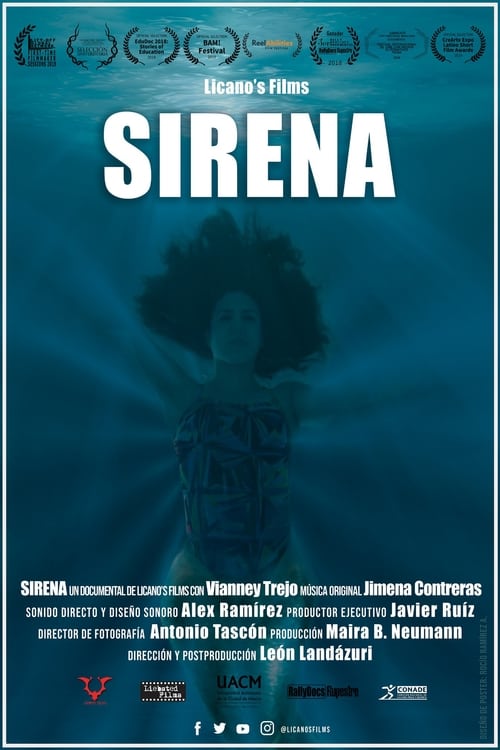
Documentary that tells the story of Vianney Trejo, a young woman who struggles every day despite her disability. We go through her daily routine, as well as her passion, swimming, where she has consistently achieved triumphs and has been considered for international competitions.
A documentary exploring the life of Bill Robinson, a football player who was murdered in 1950's Manchester, and the impact of his death had on his family.
No overview available.
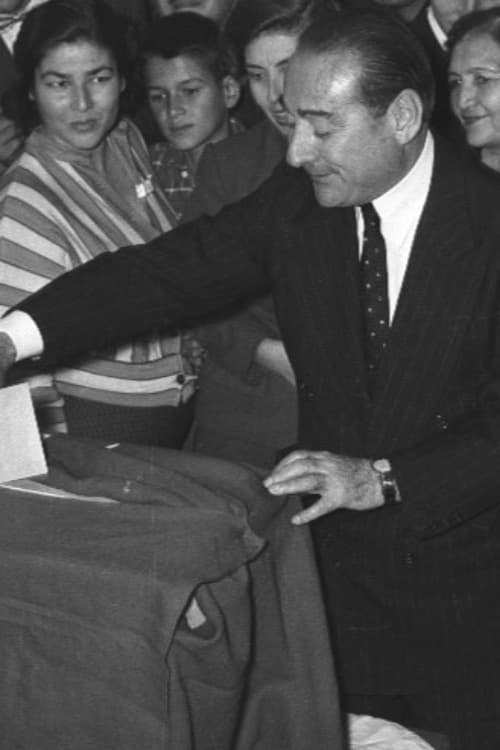
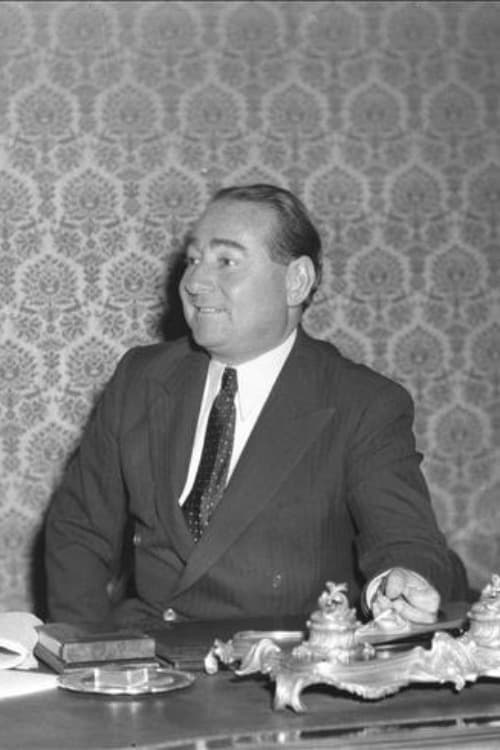
The spring of 1950 was also the spring of the multi-party regime in Turkey. A new 10 years, a new regime, a new government. The first test of democracy was beginning. The National Chief of the single-party period had returned to his Pink Mansion. The address of the opposition was clear now. When it comes to power... Power was shared by a tripartite trivet from the first day: DP Group in the Parliament. Celal Bayar in the Mansion and Adnan Menderes in the Prime Ministry..
Marketing film for Walt Disney World showing the creation of the new theme park, with footage of WED designers at work, actual construction, scale models, the Preview Center, and Walt Disney discussing his hopes for the project from an earlier 1966 film.
SONG 5: A childbirth song (the Songs are a cycle of silent color 8mm films by the American experimental filmmaker Stan Brakhage produced from 1964 to 1969).
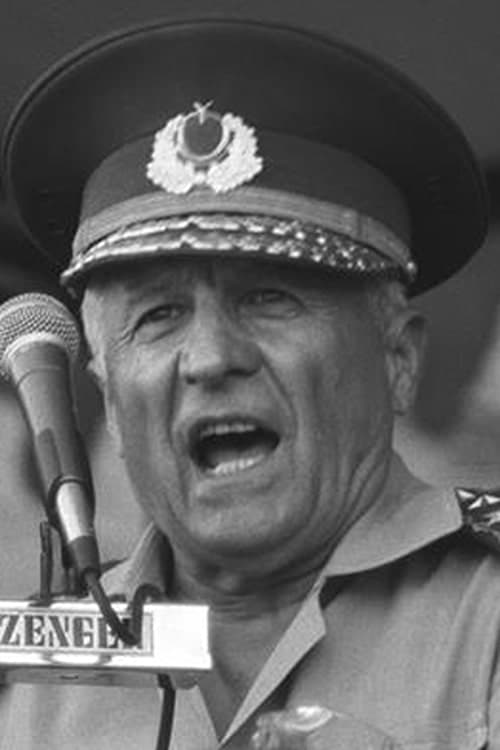
Turkish democracy got over May 27 and March 12 and set off again, but the storm did not subside, and the mutual reckoning was not over. On the contrary, new fronts were opened in the country and blood began to flow like a gutter. Finally, on September 12, there was a knock on the door again. Those who came that day changed everything, everything. Nothing will ever be the same again
Societies, like people, have turning points in their histories. These milestones sometimes silently and spontaneously knock on the door, and sometimes they explode like a terrifying thunderclap. The year 1950 was such a turning point for Turkey. A simmering social reaction against 27 years of power erupted in the spring of 1950. Society has cracked its quarter-century shell. Not by shedding blood in the streets, but by voting at the ballot boxes. "Demirkırat" was reared by the general vote. That's why the 14 May 1950 elections were always called the "White Revolution"...
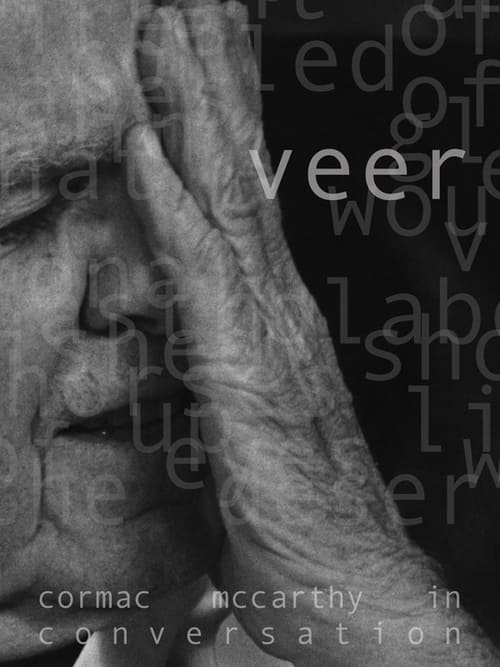
Cormac McCarthy has spent the last 25 years writing his novels at the mountain top retreat of the Santa Fe Institute (SFI) in New Mexico. An institute dedicated to the formal analysis of complex systems. In this documentary filmed at the library at SFI (and in the desert), Cormac in conversation with his colleague David Krakauer, reflects on isolation, mathematics, character, and the nature of the unconscious
In a comparative study between different forms of calligraphy, the film traces parallels between modern Japanese painting and traditional Japanese writing.
A short documentary about the press of GoldenEye.
This is a documentary about an honest search for the truth about the Federal Reserve Bank and the legality of the Internal Revenue System. Through extensive interviews with recognised experts and authority, the director shows an astonishing revelation of how the Federal Government and the Bankers have fooled the American public by taking thier wages and putting it in the pockets of the super-rich.
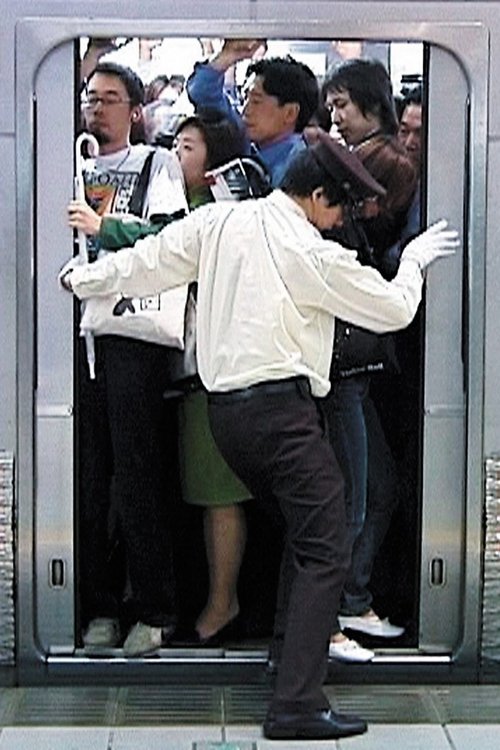
A regular Wednesday night in Tokyo's subway. The train is filled with more and more people...
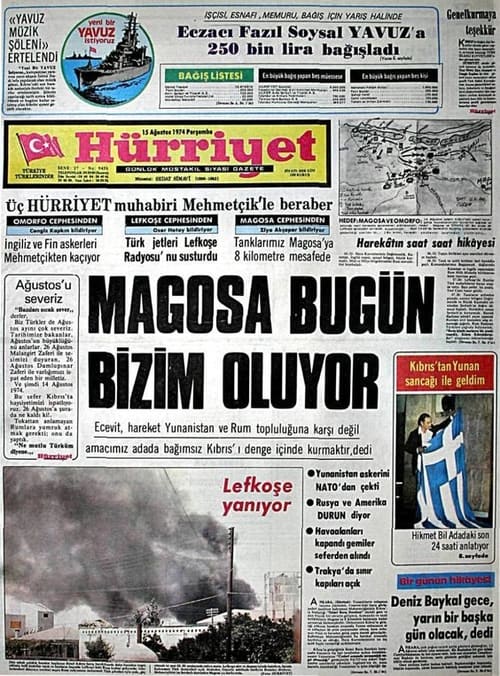
32.Day, a news classic by Mehmet Ali Birand, is with you this time with the documentary 50 Years of Cyprus!
The original documentary on the Wigstock festival, back in the day when it was a much smaller affair in Thompkins Square Park. A full day of peace, love, and wigs…
Daniel Johnston stars in this psychedelic short film about an aging musician coming to terms with the dreams of yesteryear.
Himself
Herself