No Cast found.
No Trailers found.
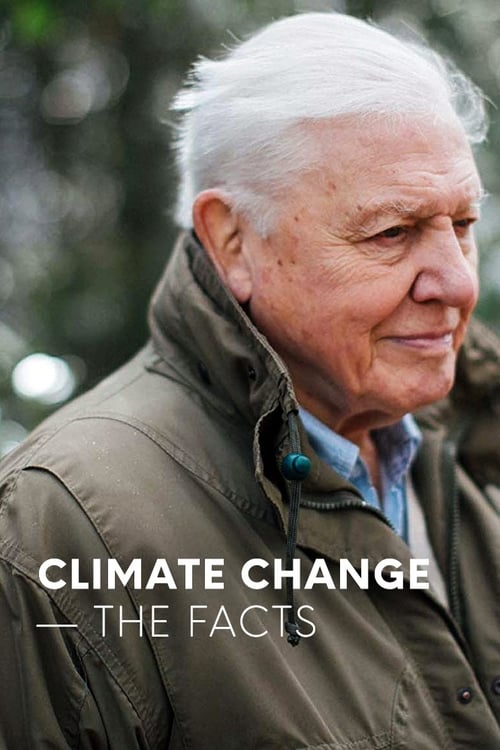
After one of the hottest years on record, Sir David Attenborough looks at the science of climate change and potential solutions to this global threat. Interviews with some of the world’s leading climate scientists explore recent extreme weather conditions such as unprecedented storms and catastrophic wildfires. They also reveal what dangerous levels of climate change could mean for both human populations and the natural world in the future.
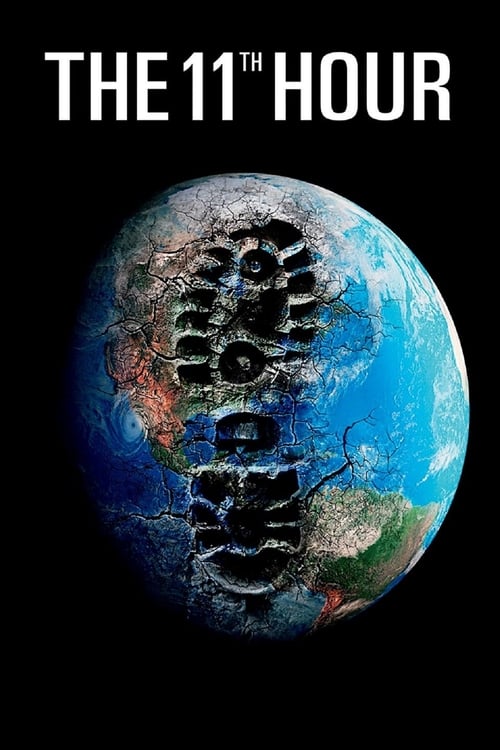
A look at the state of the global environment including visionary and practical solutions for restoring the planet's ecosystems. Featuring ongoing dialogues of experts from all over the world, including former Soviet Prime Minister Mikhail Gorbachev, renowned scientist Stephen Hawking, former head of the CIA R. James Woolse
This lyrical film is an impassioned plea to protect our country's rivers, using beautiful animation, historical materials, and a poetic script to detail the far-reaching and catastrophic effects that humanity and civilisation have had on the River Severn, but also highlighting hopeful plans to restore the river and return it to its natural state.
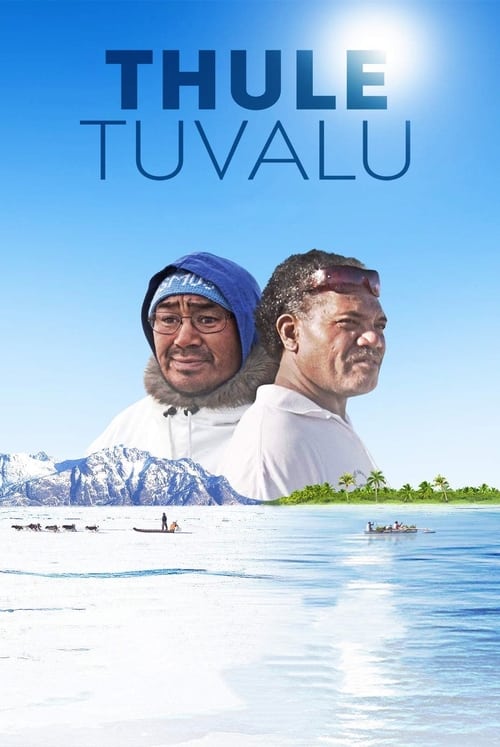
Thule, Greenland, also called Qaanaaqis, one of the northernmost towns in the world. As the climate warms and the ice caps begin to melt, the gentle balance of life for the people of this community is in jeopardy. On the other side of the globe, the melting ice caps are raising sea levels around the Polynesian island nation of Tuvalu, threatening to wipe the island right off the map. Though a world apart, these two communities are intricately connected as environmental balance begins to tip and traditional ways of life are threatened. 'ThuleTuvalu' is a stunning documentary addressing the high price of a hundred years of development and how two very different communities are now bound together in facing an uncertain future.
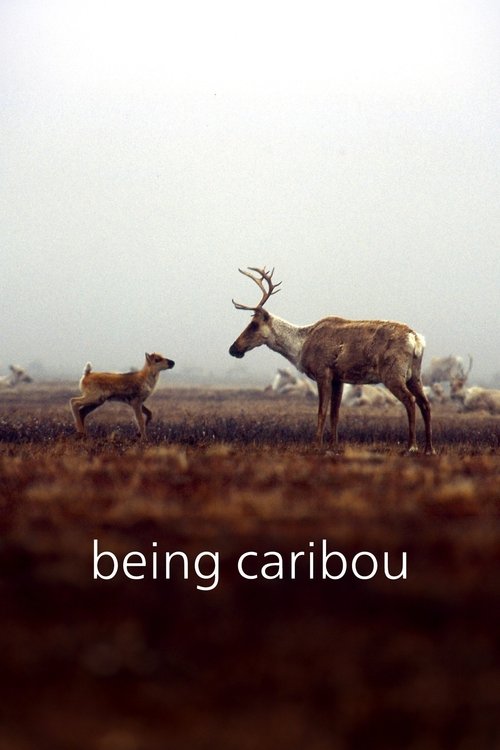
Wildlife biologist Karsten Heuer and his wife, environmentalist Leanne Allison follow a herd of 120,000 caribou on foot across 1500 km of Arctic tundra, hoping to raise awareness of the threats to the caribou's survival. Along this journey, they brave torrid conditions, dangerous wildlife and treacherous terrain all in the hopes of learning the truth about this epic migration.
No overview available.
The Arctic is accessible to man only because of ice dogs. As hunters, haulers, and guardians, they have been our vital link to nature for thousands of years. Dogs led the Sarqaq people out of Siberia and, a millennium later, led explorers to the North Pole. As the light returns to Greenland, we arrive in Scoresbysund with a troop of the only companions worth having in this harsh environment.
Antarctica is the most extreme continent on our planet—higher, colder, and even drier than any other on Earth, and although it is thousands of miles away, what happens here affects every single one of us.
This film takes us on an emotional journey from sacred ground above Byron Bay to Antarctica, Indonesia to Pakistan, and is sure to light a fire under the strongest climate change denier. THE POWER OF ACTIVISM focuses on six highly spirited female activists as they are put under the microscope to ascertain the financial impact of their environmental solutions… and the results are astonishing. From shark conservation to indigenous practices, intensive farming to plastic pollution; all their ‘causes' fall under the umbrella of "climate change", but they should also fall under the umbrella of "saving tax payers hundreds of millions of dollars!”
Art has always investigated nature and man's connection with the world. Several contemporary artists have questioned the issues of climate change and environmental sustainability and have tried to amplify our ecological consciousness. Through the testimonies of artists of different generations such as Olafur Eliasson, Christo, Michelangelo Pistoletto and the gaze of critics such as Germano Celant and Carolyn Christov-Bakargiev, we retrace some of the most significant works.
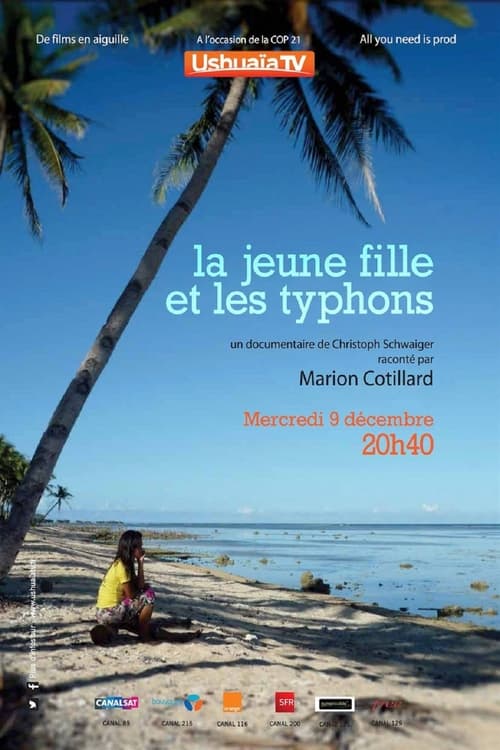
French actress Marion Cotillard travelled to the Philippines to meet with children and young people on climate change and what they want big-polluting governments to do about it. One of the girls she met is Marinel, a survivor of the Super Typhoon disaster in the Philippines in 2013, who is taking action on climate change in her own community. She participates in Plan International’s climate change adaptation projects and now teaches at youth camps to pass on everything she has learnt to the younger children. Marinel travelled to Paris with Plan International for the United Nations Framework Convention on Climate Change (UNFCCC) 21st Conference of the Parties (COP21) in December 2015.
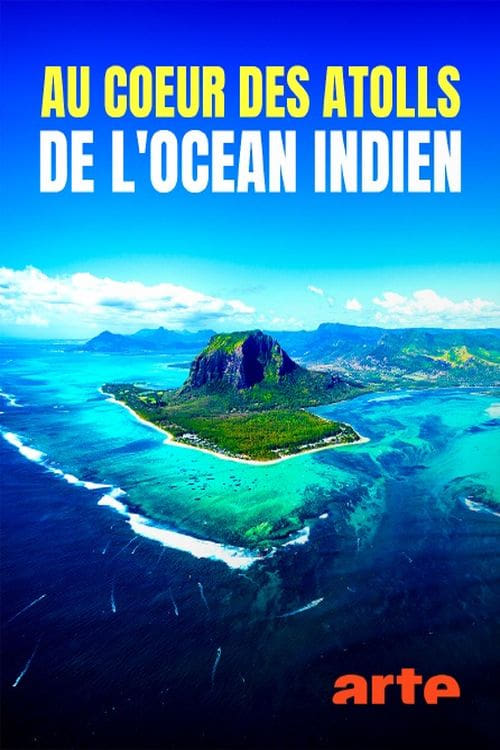
The endless expanses of the Indian Ocean are home to the last natural paradises: Remote atolls surrounded by coral reefs in crystal clear water. Whole regions of this ocean are still unexplored, many reefs are not marked on any map. The departure of the research vessel Agulhas II from the island of La Réunion marks the beginning of one of the greatest scientific adventures of our time. The expedition, initiated by Monaco Explorations with the support of the Prince Albert II of Monaco Foundation, lasted six weeks and led into the Western Indian Ocean along the Mascarene Plateau.
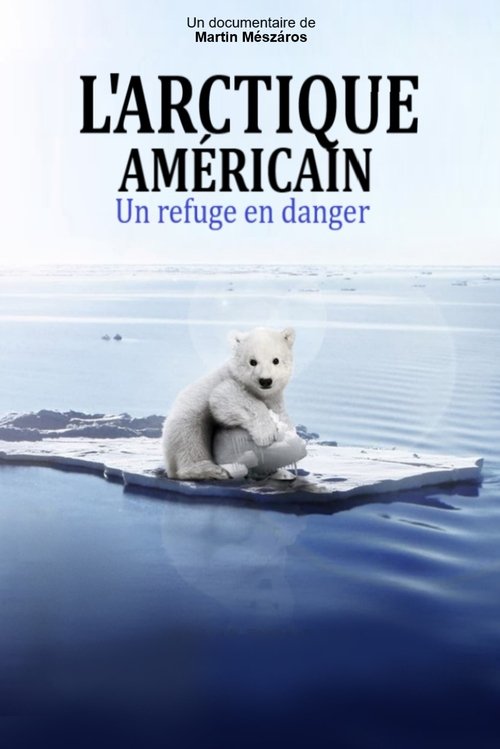
This film shows the splendor, enormous scope and indescribable beauty of this untouched land far to the north of Alaska, one of the last havens for caribou herds and polar bears. Shot over a period of four years, this film offers a unique insight in the lives of the most charismatic arctic animals.
The wildlife of the tundra on Alaska's north coast is particularly threatened by climate change.
With unprecedented access to the nuclear industry in France, Russia, and the United States, Nuclear Now explores the possibility for the global community to overcome the challenges of climate change and energy poverty to reach a brighter future through the power of nuclear energy. Beneath our feet, Uranium atoms in the Earth’s crust hold incredibly concentrated energy. Science unlocked this energy in the mid-20th century, first for bombs and then to power submarines. The United States led the effort to generate electricity from this new source. Yet in the mid-20th century as societies began the transition to nuclear power and away from fossil fuels, a long-term PR campaign to scare the public began, funded in part by coal and oil interests.
FINDING THE MONEY follows economist Stephanie Kelton on a journey through Modern Money Theory or “MMT”. Kelton provocatively asserts the National Debt Clock that ticks ominously upwards in New York City is not actually a debt for us taxpayers at all, nor a burden for our grandchildren to pay back. Instead, Kelton describes the national debt as simply a historical record of the number of dollars created by the US federal government currently being held in pockets, as assets, by the rest of us. MMT bursts into the media with journalists asking, “Have we been thinking about how the government spends money, all wrong?” But top economists from across the political spectrum condemn the theory as “voodoo economics”, “crazy” and “a crackpot theory”. FINDING THE MONEY traces the conflict all the way back to the story we tell about money, injecting new hope and empowering countries around the world to tackle the biggest challenges of the 21st century: from climate change to inequality.
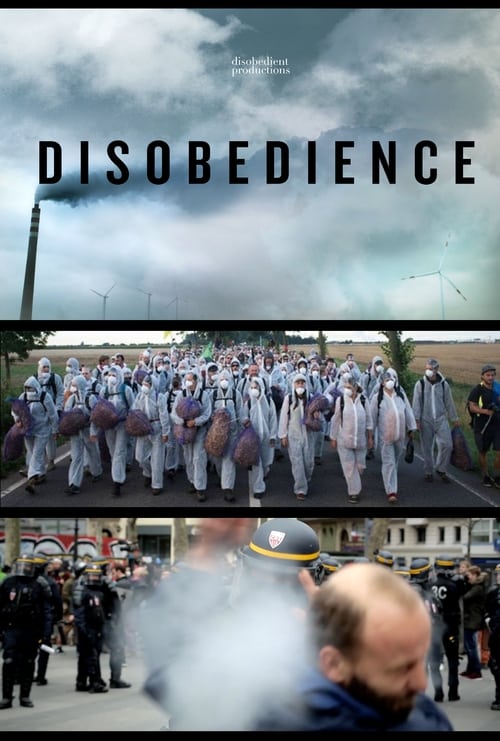
Disobedience tells the David vs. Goliath tale of front line leaders battling for a livable world. Filmed in the Philippines, Turkey, Germany, Canada, Cambodia and the United States, it weaves together these riveting stories with insights from the most renowned voices on social justice and climate. Disobedience is personal, passionate and powerful - the stakes could not be higher, nor the mission more critical.
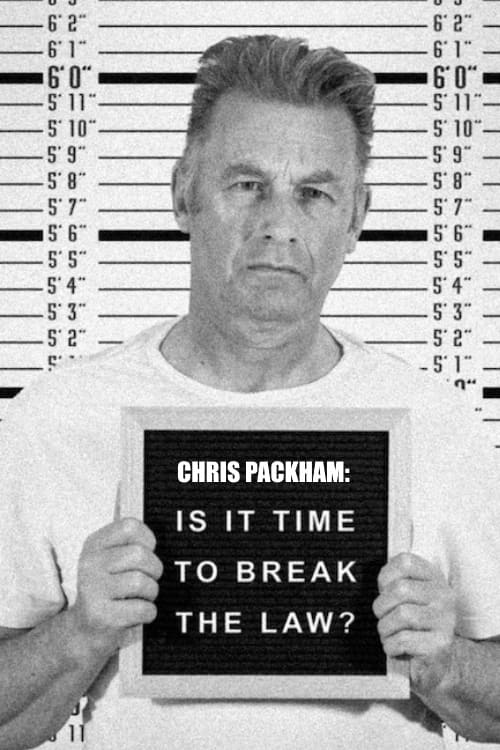
Chris Packham attempts to resolve a key dilemma of our times: is it ethically acceptable to break the law to protest against government policies on climate change?
A huge new global protest movement is changing public attitudes to climate change. Reporter Ben Zand gains access to the most high-profile activist group, Extinction Rebellion.