This film about agricultural advances in the USSR was meant to serve as a teaching aid. Featuring documentary footage and animation.
No Cast found.
This black-and-white film is a loving portrait of Santiago de Cuba and its people. It provides a view of Cuba as a picturesque country, the product of an earthy mix of black and criollo cultures. The film uses historical images which portray the end of the eighteenth century when Haitian slave owners fled with their slaves to Cuba after the Haitian Revolution.
The Devil Never Sleeps is a “whodunit” documentary about family secrets. Filmmaker Lourdes Portillo received a phone call informing her of the mysterious death of her wealthy Mexican uncle Oscar. Officially ruled a suicide, Portillo’s relatives claimed murder, offering several possible suspects including a business partner, a ranch hand, and Oscar’s young widow who stood to inherit everything. Traveling to Mexico, Portillo attempts to learn the truth about her powerful uncle. Using interviews, old snapshots and home movies, she finds a complicated web of family secrets, intrigue, rumor and betrayal that makes her enigmatic uncle’s murder seem ever more likely, yet ever more obscure. As the Mexican saying goes, “When evil is lurking, the devil never sleeps.”
An animated history of American health care provider, Planned Parenthood.
Segregation, abandonment, and the meaning of home are discussed by the people that lived in, worked at, and crusaded for one of the largest and oldest Intellectual and Developmental Disability Institutions in the United States. The facility, in its closing, challenged society's perception of those with intellectual disabilities and ultimately fought for better rights.
Filmed in New York in the summer of 2006: a march across the Brooklyn Bridge in support of the Palestinian and Lebanese populations. Habibi means "beloved" in Arabic.
John Wayne, Henry Fonda and James Stewart discuss working with John Ford
The Care Bears team up with a troubled brother and sister who just moved to a new town to help a neglected young magician's apprentice whose evil spell book causes sinister things to happen.
In the 1920s, Angela Murray Gibson chose an unusual location to embark on a career in silent filmmaking: her tiny hometown of Casselton, North Dakota. She had previously helped Mary Pickford as an advisor and assistant director on The Pride of the Clan (1917), which Mary Pickford produced and starred in. She opened North Dakota's first movie studio, and she had the audacity to be a woman in an industry dominated by men.
Since the late 18th century American legal decision that the business corporation organizational model is legally a person, it has become a dominant economic, political and social force around the globe. This film takes an in-depth psychological examination of the organization model through various case studies. What the study illustrates is that in the its behaviour, this type of "person" typically acts like a dangerously destructive psychopath without conscience. Furthermore, we see the profound threat this psychopath has for our world and our future, but also how the people with courage, intelligence and determination can do to stop it.
Forty years before WikiLeaks and the NSA scandal, there was Media, Pennsylvania. In 1971, eight activists plotted an intricate break-in to the local FBI offices to leak stolen documents and expose the illegal surveillance of ordinary Americans in an era of anti-war activism. In this riveting heist story, the perpetrators reveal themselves for the first time, reflecting on their actions and raising broader questions surrounding security leaks in activism today.
This documentary tells two stories simultaneously: it's a profile of Bernard Tapie, a wealthy man who rises and falls spectacularly in French society and may be on the rise again; and, it's a look at Marina Zenovich's fascination with Tapie, behaving oddly in spite of her awareness that she's being irrational. Politicians, athletes, friends, companions, and journalists comment on Bernard's charm, his rise to prominence in sports and politics, and his subsequent trouble with the law. Zenovich becomes fixated on her need to interview Tapie, becoming virtually a stalker in her quest.
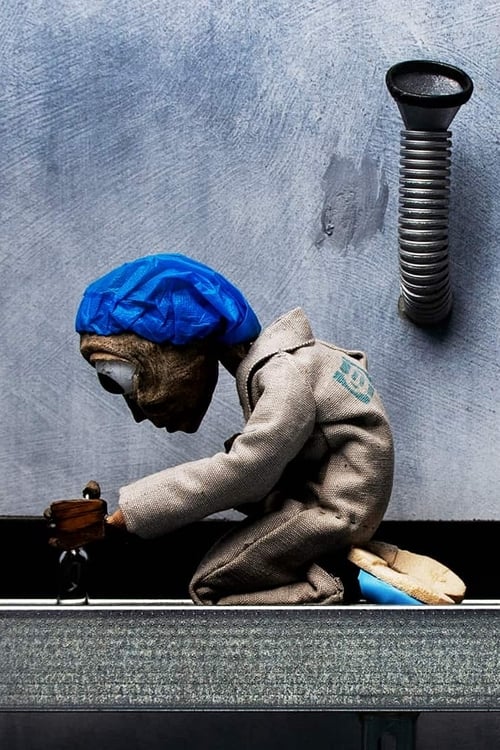
A factory worker works with monotonous work, but suddenly something happens that changes the situation.
In 1920 a group of young Montreal women artists formed the nucleus of what would later become known as the Beaver Hall Hill Group. Members recount how they created an artistic environment of mutual support that lasted for more than three decades.
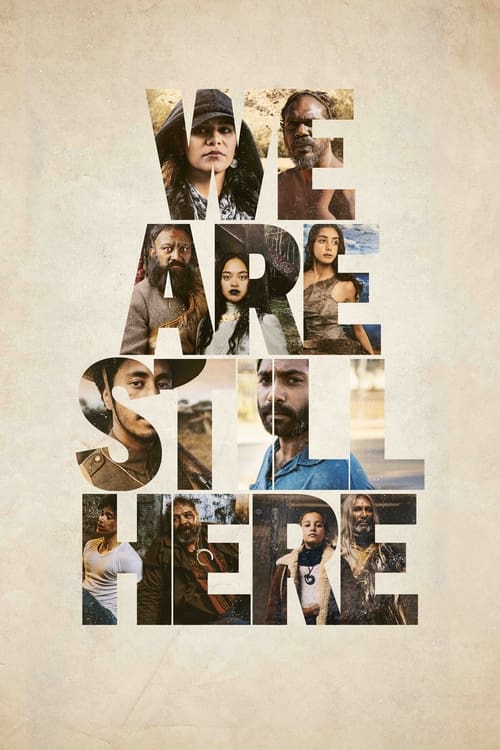
In a sweeping tale that spans 1000 years and multiple generations – from the distant past to the 19th century, the present day and a strange, dystopian future – this landmark collection traces the collective histories of Indigenous peoples across Australia, New Zealand and the South Pacific. Diverse in perspective, content and form, traversing the terrain of grief, love and dispossession, they each bear witness to these cultures’ ongoing struggles against patriarchy, colonialism and racism.
Throughout the Islamic world, each year hundreds of women are shot, stabbed, strangled or burned to death by male relatives because they are thought to have “dishonoured” their families. They may have lost their virginity, refused an arranged marriage or left an abusive husband. Even if a woman is raped or merely the victim of gossip, she must pay the price. Crimes of Honour documents the terrible reality of femicide – the belief that a girl’s body is the property of the family, and any suggestion of sexual impropriety must be cleansed with her blood. We meet women in hiding from their families, a brother who describes his reasons for killing the sister he loved, and a handful of women who have committed themselves to the protection of young women in danger of losing their lives.
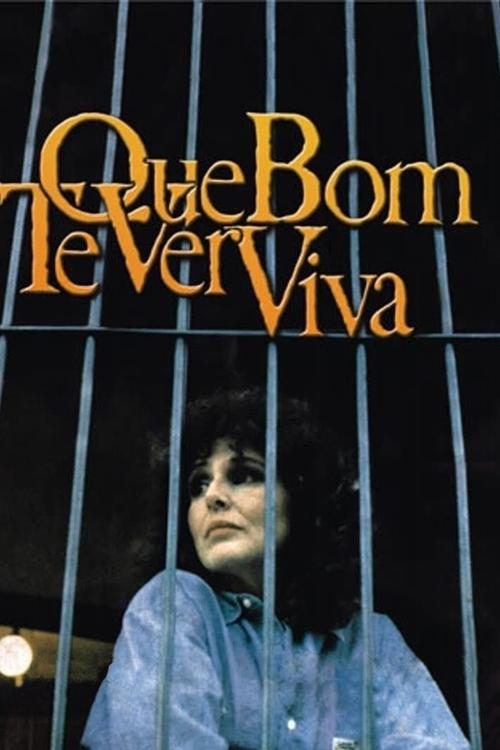
Four years after a military coup overthrew the Brazilian government in 1964, all civil rights were suspended and torture became a systematic practice. Using a mix of fiction and documentary this extraordinary film is a searing record of personal memory, political repression and the will to survive. Interviews with eight women who were political prisoners during the military dictatorship are framed by the fantasies and imaginings of an anonymous character, portrayed by actress Irene Ravache.
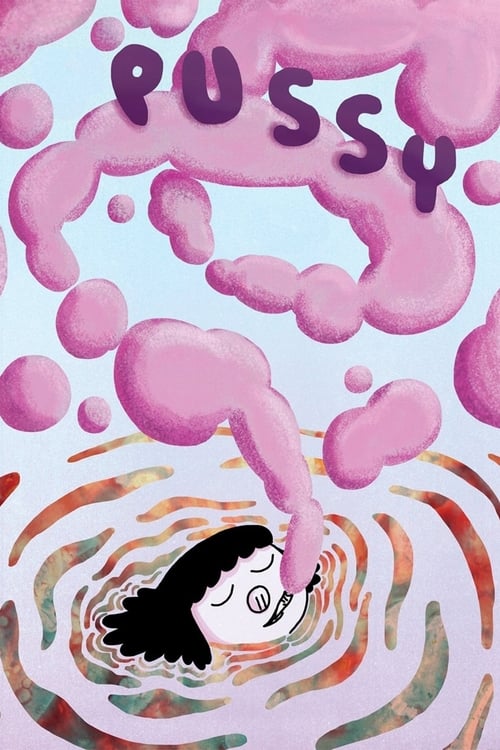
A young woman spends the evening alone at home. She decides to give herself a treat, but not everything works out as smoothly as she imagined.
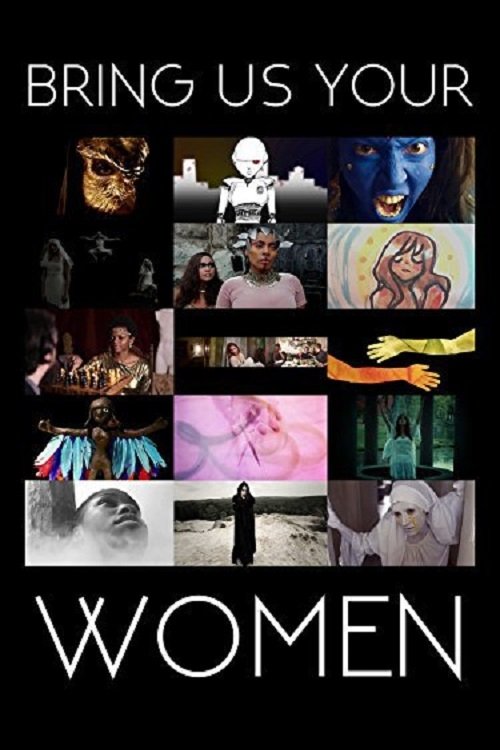
Bring Us Your Women is an international anthology dedicated to women and the pursuit of divinity and freedom. The project seeks to tell existing and re-imagined stories of historic and mythical individuals, each presenting a message of humanity that transcends gender and religion.
Based on footage shot in the early seventies and lost for more than thirty years, we see and hear the young Bob Marley before he was famous. The film shows us the Wailers' first rehearsal, when the idea of a Jamaican supergroup was still just a dream. Sit in as the albums of Bob Marley and the Wailers brought reggae music and Rasta consciousness to the world, starting a revolution that would change rock music and contemporary culture.
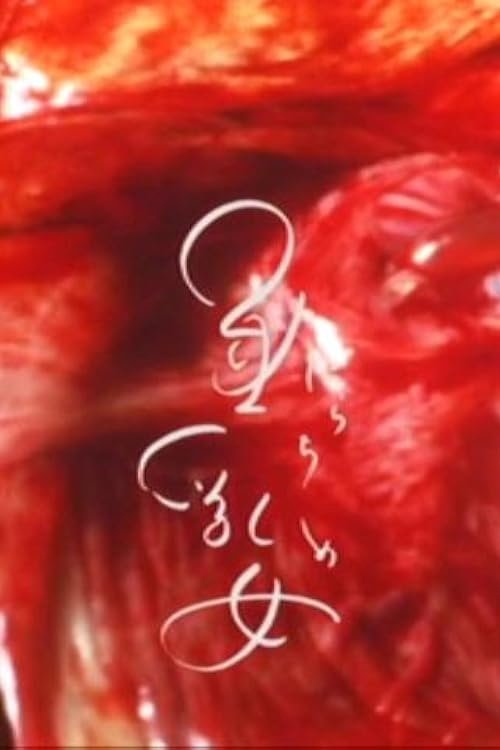
Tarachime is a documentary film which observes 'life' through childbirth. Kawase Naomi, a film director working under the theme of family, life and death, presents the bond of life through her own childbirth experience. "First, I was planning to film from the day I conceived a child and to the moment I gave birth. But I realized, while filming, that this is not the story of "one life." In the end, the film sublimed to a higher stage on which we can witness the knot tying one life with another."
No Trailers found.